
Companion Plants
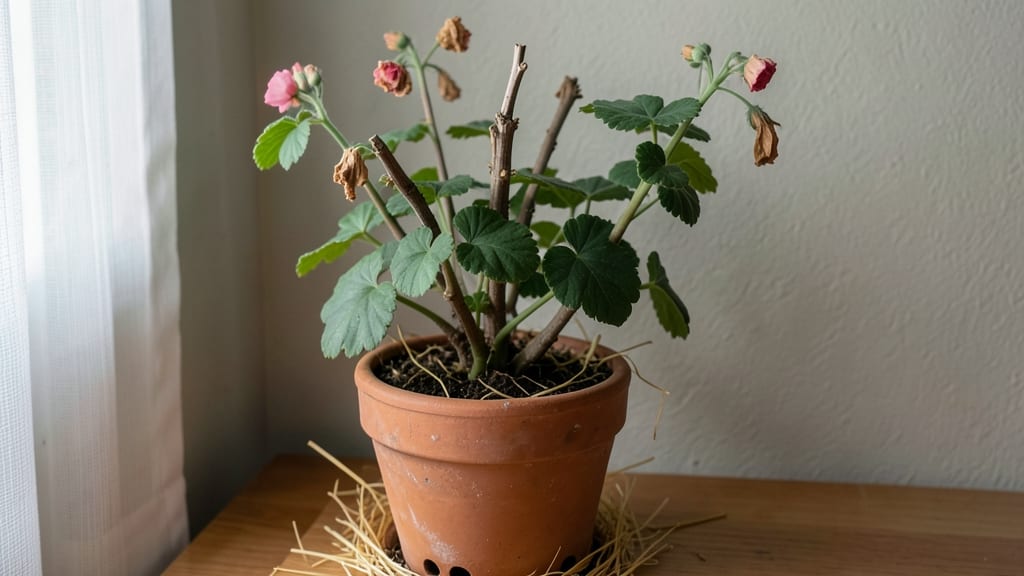
Wintering geranium plants isn’t just about survival—it’s about coming back stronger next spring. 🌿 I’ve lost count of how many geraniums I’ve nursed through winter only to see them explode with blooms by June, and the secret isn’t complicated.
It’s all in the pruning, timing, and a little indoor TLC. Most people either cut back too late or bring them in too early, and that’s when the trouble starts.
The real magic happens in three simple steps: trimming back by half before the first frost, finding the right spot indoors (bright but cool, like a sunny windowsill), and keeping the soil barely moist.
You’ll need basic pruning shears, a pot with drainage, and a little patience—no fancy equipment, just smart timing. Even my first attempt last year resulted in plants that looked better in March than they did in September.
By spring, you’ll have lush, bushy geraniums ready to thrive outdoors again. The blooms come back bigger, the foliage stays vibrant, and you avoid that sad, leggy look so many overwintered plants get.
The key is acting before the cold sets in and giving them consistent light, even if it’s just a south-facing window. Trust me, your summer garden will thank you.
This works for both zonal geraniums and ivy types, whether you’re dealing with a single pot or a whole collection. The same principles apply whether you’re in a cold climate or just a chilly region—adjust the timing based on your first frost date, and you’re golden.
Let’s get those plants through winter like a pro.
📚 In This Guide
- What you need
- Instructions
- Tips and common mistakes
- Wrapping up and next steps
What you need
- ● Healthy geranium plants – Choose hardy varieties (e.g., Geranium macrorrhizum or Geranium sanguineum) or container-grown pelargoniums (zonal, ivy, or scented types).
- ● Pruning shears or sharp scissors – Clean, sterilized tools (rubbing alcohol wipe) to avoid disease.
- ● Garden gloves – Protects hands from thorns and sap.
- ● Organic mulch – 2–3 inches of straw, shredded leaves, or pine needles for insulation.
- ○ Container or pot (optional) – For potted geraniums: 5–7 inch diameter with drainage holes; use lightweight potting mix (add perlite for aeration).
- ○ Cold frame or cloche (optional) – Clear plastic dome or DIY frame to shield plants from frost.
- ● Plant labels – Waterproof markers to track varieties.
- ● Watering can with rose attachment – For gentle, deep hydration.
- ● Timing – Prune after the first frost (late fall) but before hard freezes (Zone 5–7: mid-October; Zone 8–10: November).
- ● Location – Choose a sheltered spot (e.g., south-facing wall, under eaves) for ground plants. Potted geraniums need a garage, basement, or bright window (50°F+).
- ● Disease-free plants – Remove any yellowing leaves or black spots before wintering.
- ● Drainage check – Ensure containers have holes and saucers to prevent root rot.
Instructions for wintering geranium plants
Here’s how to save your geraniums through cold months—no fancy tools needed.
🌿 Step 1: Prune Back Before Bringing Inside
Cut stems back by about one-third to remove leggy growth and encourage bushier regrowth. Use clean, sharp scissors or pruning shears to make cuts just above a leaf node. This step prevents pests from hiding in dense foliage and helps the plant focus energy on survival.
Real talk: Don’t trim too close to the base—leave at least 2-3 inches of stem. I always check for yellow or damaged leaves first and snip those off separately. Healthy green stems are your best bet for winter recovery.
🪴 Step 2: Dig Up and Pot Up Geraniums
Carefully dig around the plant, keeping as much root ball intact as possible. Gently shake off excess soil to check for rot or damage. If roots look mushy or black, trim them back before potting. This is the moment that matters: healthy roots mean a better chance of surviving winter.
Plant each geranium in a 6-inch pot with fresh potting mix, ensuring the top of the root ball sits just below the rim. I like to water lightly after repotting to help settle the soil around the roots. Avoid overwatering—geraniums hate soggy soil.
☀️ Step 3: Provide Bright Light and Cool Temperatures
Place pots in a spot with bright, indirect light—a south-facing window works best. Geraniums need at least 6 hours of light daily to stay healthy. If leaves start stretching toward the light, your plants need more brightness or a grow light.
Keep temperatures between 45-55°F—cooler is fine, but avoid drafts or heating vents. I’ve found that a cool basement with a sunny window works perfectly. Check soil moisture weekly—water only when the top inch feels dry to the touch.
✂️ Step 4: Prune Again in Late Winter
Around February or early March, give your geraniums a second trim to remove any dead or weak growth. Cut back any stems that look spindly or have lost their vibrant color. This encourages fresh, sturdy growth before you move them back outside.
Here’s the thing—if you see new buds forming, that’s your signal to hold off on pruning. Wait until after the last frost date in your area to move them back outdoors. I always mark my calendar to avoid rushing the process.
🌱 Step 5: Acclimate Before Moving Outside
About 2 weeks before your last frost date, start hardening off your geraniums. Move pots outside for 1-2 hours daily, gradually increasing time over 7-10 days. This helps them adjust to outdoor conditions without shock.
Watch for wilting or yellowing leaves—this usually means they’re not ready yet. Once they’re thriving outside, you can plant them back in the garden or keep them in pots. Either way, they’ll be ready to bloom again by summer!
Tips & tricks for perfect wintering geranium plants
Here's how to avoid common mistakes and give your geraniums the best chance at surviving winter.
Pruning Precision: When you cut back those stems in Step 1, focus on making clean cuts just above a leaf node—this is where new growth will emerge. I've learned the hard way that cutting too close to the base can leave your plant vulnerable to rot. Use a sharp pair of scissors or pruning shears to avoid crushing stems, and always remove any yellow or damaged leaves separately. This keeps your plant healthy and focused on recovery.
Root Care Matters: During Step 2, if you notice any mushy or black roots while shaking off excess soil, trim them back immediately with clean shears. Healthy roots are your geranium's lifeline during winter, so don't skip this inspection. I've found that using a 6-inch pot gives each plant enough room to establish strong roots without becoming root-bound too quickly.
Light and Temperature Balance: The 6 hours of bright, indirect light in Step 3 is crucial—geraniums need this to stay healthy indoors. If your plants start stretching toward the light, it's time to move them closer to a window or consider adding a grow light. Maintaining temperatures between 45-55°F (with 55°F being ideal) helps prevent stress. A cool basement with a sunny window has worked perfectly for me, but avoid placing them near drafts or heating vents.
Late Winter Pruning Secret: When you do your second trim in February or early March (Step 4), look for those spindly stems that have lost their vibrant color. These are energy vampires—removing them allows your geranium to focus on producing fresh, sturdy growth. I've noticed that plants with new buds forming actually benefit from delaying pruning until after the last frost date in your area.
Pro Tips for Wintering Geranium Plants
- Here's how to avoid common mistakes and give your geraniums the best chance at surviving winter.
- Pruning Precision: When you cut back those stems in Step 1, focus on making clean cuts just above a leaf node—this is where new growth will emerge.
- Root Care Matters: During Step 2, if you notice any mushy or black roots while shaking off excess soil, trim them back immediately with clean shears.
Frequently asked questions
Got questions about keeping your geraniums thriving through winter? Here are some of the most common concerns—and their solutions!
Can geraniums survive winter outdoors in cold climates?
Most geraniums (Pelargonium species) are tender perennials and won’t survive freezing temps (below 20°F/-7°C). If you live in USDA Zones 7-10, mulch heavily and protect with frost cloth. For colder zones, dig up potted plants or cut back and store indoors. Hardy geraniums (like Geranium macrorrhizum) can handle Zone 4 winters with proper prep!
When is the best time to prune geraniums for winter?
Prune after the first frost (late fall) to encourage new growth before storage. For container geraniums, trim back by ⅔ to reduce stress. If overwintering indoors, prune lightly in early spring to shape. Pro tip: Wait until temps drop below 50°F (10°C) to avoid shocking the plant!
How do I overwinter potted geraniums indoors?
Place pots in a cool, bright spot (50–60°F/10–15°C), like a garage or sunroom. Reduce watering—let soil dry completely between waterings to prevent rot. Avoid direct heat sources (like radiators) that dry out leaves. Bonus: Mist leaves occasionally to boost humidity!
What’s the difference between wintering geraniums and propagating them?
Wintering focuses on preserving the parent plant (e.g., cutting back, storing roots). Propagating means creating new plants from cuttings (taken in early fall). For propagation, use 4–6 inch stem cuttings in water or soil, then root before winter. Key difference: Wintering saves your existing plant; propagating grows more!
Why are my overwintered geraniums getting leggy or yellow?
Leggy growth = lack of light or overwatering. Yellow leaves often signal root rot (from soggy soil) or nutrient deficiency. Move plants to a sunnier window or under grow lights. If roots smell rotten, repot in fresh, dry soil. Fix fast: Trim yellow leaves and adjust watering!
| Issue | Quick Fix |
|---|---|
| Mushy stems | Reduce water; check for rot |
| Dormant but no regrowth | Wait until spring; avoid fertilizing |
| Pests (spider mites) | Wipe leaves with soapy water |
Wrapping up and next steps
Wintering your geraniums doesn’t have to be a challenge—with the right pruning tricks and a little care, these resilient plants can thrive year after year! 🌱 Whether you’re trimming for dormancy, shaping for spring, or protecting against frost, your efforts will pay off with vibrant blooms come warmer weather.
Now that you’re equipped with the 3 key pruning techniques, it’s time to roll up your sleeves and give your geraniums the TLC they deserve.
Ready to take the next step? Mark your calendar for late winter or early spring—this is the perfect time to assess your plants, prune again if needed, and prep them for their next growing season. Happy gardening! 🌸