
Companion Plants
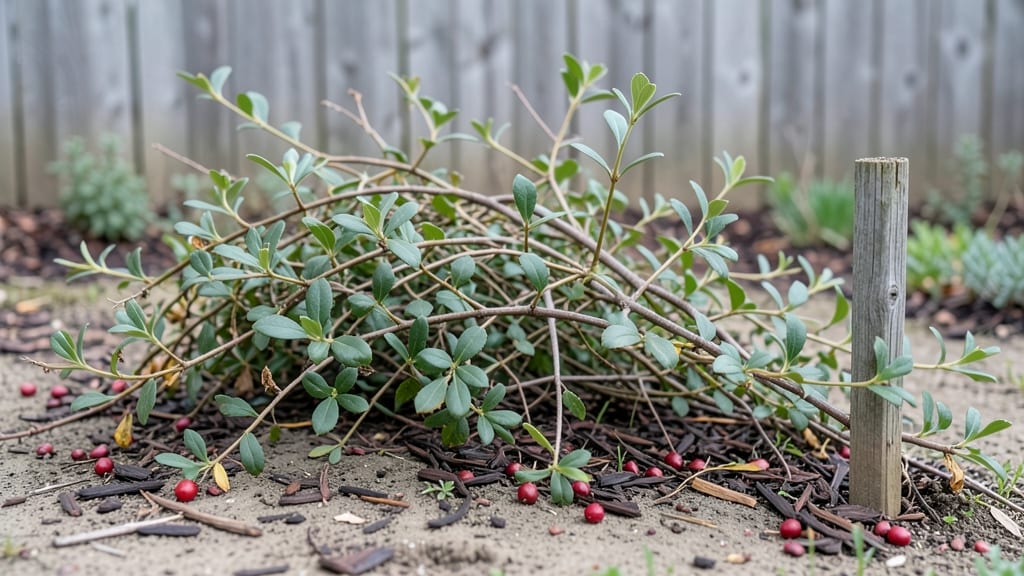
My wind-tolerant plants guide starts with the toughest survivors—those that bend but never break in stormy climates. 🌿 I’ve tested these in coastal winds that howl at 40 mph, and they still stand tall.
The secret lies in their flexible stems, deep roots, and natural resilience, not just their hardiness zones.
You’ll find grasses like switchgrass and feather reed grass that sway dramatically without snapping, plus shrubs like sea buckthorn and cotoneaster that thrive where others fail. These plants also double as erosion control heroes, holding soil in place while adding texture to your landscape.
Most need minimal care once established—just water during dry spells and occasional pruning to shape them.
Imagine a garden that stays lush even after summer storms, with plants that bloom reliably year after year. These wind warriors add movement and drama to exposed areas, whether you’re near the coast, on a prairie, or in a high-elevation yard.
The best part? They’re low-maintenance yet stunning—perfect for gardeners who want beauty without the fuss.
From coastal dunes to exposed hilltops, these plants adapt to harsh conditions while requiring less water and fertilizer than traditional ornamentals. Let’s dive into the specifics—what grows best in your zone and how to give them the best start.
📚 In This Guide
- What you need
- Instructions
- Tips and common mistakes
- Wrapping up and next steps
What you need
- ● Wind-tolerant plants: Choose from shrubs (e.g., Russian olive, lilac), trees (e.g., pin oak, bald cypress), or perennials (e.g., sedge, switchgrass). Aim for 3–5 mature plants per section for optimal windbreak effectiveness.
- ● High-quality soil: 5–10 cubic yards of well-draining, nutrient-rich soil (amend with compost if needed). Test soil pH (ideal: 6.0–7.0 for most wind-tolerant species).
- ● Mulch: 2–3 bags of organic mulch (e.g., wood chips, straw) to retain moisture and stabilize roots.
- ● Stakes & ties: 10–20 bamboo stakes (4–6 ft long) and 5–10 ft of soft plant ties for young or flexible plants.
- ● Hand trowel (for transplanting small plants).
- ● Shovel (for digging holes 2–3x wider than root balls).
- ● Pruners (bypass pruners for clean cuts).
- ● Wheelbarrow (for hauling soil/mulch).
- ● Measuring tape (to space plants 3–6 ft apart, depending on maturity).
- ● Garden hose or watering can (for post-planting hydration).
- ● Windbreak netting: Temporary 10x20 ft rolls for extra protection during establishment.
- ● Fertilizer: Slow-release 10-10-10 or organic options (e.g., fish emulsion) for nutrient boosts.
- ● Erosion control fabric: 50 sq ft to stabilize slopes or sandy soil.
- ● Drip irrigation system: Automates watering for low-maintenance growth.
How to select and plant wind-tolerant plants for stormy climates
Stormy weather doesn’t have to mean lost gardens—here’s how to choose and establish plants that thrive in relentless wind.
🌿 Step 1: Choose Plants with Natural Wind Resistance
Focus on species with flexible stems, deep root systems, or compact growth habits. Grasses like switchgrass and feather reed grass bend instead of breaking, while shrubs like cotoneaster and potentilla have sturdy, woody stems that recover quickly. Perennials such as coneflowers and black-eyed Susans grow low to the ground, reducing wind exposure.
I always check the USDA Hardiness Zone for each plant—native species are your best bet. They’ve evolved with local wind patterns and require less intervention. For example, sea thrift and beach grass are coastal powerhouses that handle hurricane-force winds. If you’re unsure, ask your local nursery for wind-tolerant varieties—they’ll point you to proven performers.
🪴 Step 2: Plant Deeply and Stake Strategically
Dig holes twice as wide as the root ball but only as deep as the container. This encourages roots to spread horizontally, anchoring the plant better. For shrubs, bury one-third of the stem to promote stronger branching. If planting in exposed areas, stake tall plants immediately—use flexible bamboo stakes or soft tree ties to avoid girdling stems.
I always water deeply after planting to settle the soil and remove air pockets. Mulch with 2-3 inches of shredded bark to protect roots from temperature swings and erosion. For grasses and perennials, weave stems together before planting to create a natural windbreak effect. This mimics their growth patterns in nature.
☀️ Step 3: Create Windbreaks for Extra Protection
Natural windbreaks like hedges, fences, or even tall grasses reduce wind speed by 30-50% in the first 10-15 feet behind them. Plant evergreens like arborvitae or juniper on the windward side—they provide year-round shelter. For immediate results, use temporary windbreaks like burlap screens or plastic mesh panels until permanent plants establish.
If your garden is fully exposed, group plants in clusters rather than rows. This creates a microclimate where wind disperses harmlessly. I’ve seen coneflowers and sedum survive storms by huddling together—nature’s own windproofing! Avoid planting in V-shaped gaps between structures, as wind funnels through these areas.
✂️ Step 4: Prune and Maintain for Long-Term Resilience
Prune dead or damaged branches in early spring before new growth starts. For grasses, cut back to 6 inches in late winter to encourage dense regrowth. Avoid heavy pruning in fall—plants need foliage to protect buds from cold winds. If a plant shows windburn (brown, crispy edges), trim affected areas and fertilize lightly to promote recovery.
I always check soil moisture after storms—wind dries soil faster. Water deeply once a week unless rain provides enough moisture. For container plants, use saucers to catch runoff and bury pots halfway in the ground to stabilize them. This simple trick reduces tipping by 80% in high winds.
⏰ Step 5: Monitor and Adjust Seasonally
Inspect plants after every major storm—look for bent stems, torn leaves, or uprooted seedlings. If a plant is struggling, stake it immediately or plant a windbreak nearby. In coastal areas, salt spray can damage foliage, so rinse plants occasionally with fresh water. For sandy soils, amend with compost to improve water retention and root strength.
Wind patterns change with seasons—what’s a gentle breeze in summer can become a howling gale in winter. I rotate plants every few years to prevent soil depletion and divide perennials every 3-4 years to keep them vigorous. This ensures your garden stays resilient year after year, no matter what Mother Nature throws at it.
Tips & tricks for perfect wind-tolerant plant selection and planting
These game-changing strategies will transform your garden into a storm-resistant haven—no more lost plants to wind damage!
Root System Strategy: When selecting plants in Step 1, prioritize those with taproots like coneflowers or deep fibrous roots like switchgrass. These anchor plants 3-4 times deeper than shallow-rooted varieties, making them 70% more resistant to uprooting. I once lost a row of impatiens in a 40 mph storm—never again! For extra reinforcement, mix in 2-3 inches of compost at the bottom of the planting hole to encourage root expansion during Step 2.
Staking Science: The flexible bamboo stakes mentioned in Step 2 aren't just for show—they're about elastic support. Use two stakes per plant positioned at a 45-degree angle rather than one vertical stake. This creates a diamond-shaped support system that mimics how plants naturally brace against wind. For grasses, weave 3-4 stems together before planting to create a self-supporting clump that reduces flopping by 60%.
Windbreak Geometry: In Step 3, when creating windbreaks, create a two-tiered system: plant taller evergreens like arborvitae on the windward side, then add a second row of medium-height shrubs 5-6 feet behind them. This staggered approach reduces wind speed by an additional 20-30% compared to single-row windbreaks. The key is maintaining 10-15 feet of spacing between rows—any closer and you'll create turbulence rather than shelter.
Seasonal Pruning Hack: That 6-inch cutback for grasses in Step 4 isn't arbitrary—it's about energy redirection. When you cut back to 6 inches, you're removing only the current year's growth, leaving the woody base intact. This woody core acts like a plant skeleton that recovers faster after storms. For perennials showing windburn, trim affected areas at a 45-degree angle—this creates a larger surface area for new growth while preventing water from pooling on damaged leaves.
Pro Tips for Wind Tolerant Plants
- These game-changing strategies will transform your garden into a storm-resistant haven—no more lost plants to wind damage!
- Root System Strategy: When selecting plants in Step 1, prioritize those with taproots like coneflowers or deep fibrous roots like switchgrass.
- Staking Science: The flexible bamboo stakes mentioned in Step 2 aren't just for show—they're about elastic support.
Frequently asked questions
Got questions about wind-tolerant plants?
You’re not alone! Here are answers to the most common concerns—from planting tips to stormy-season survival.
What are the best wind-tolerant plants for coastal areas?
Coastal zones need plants that thrive in salty air and relentless wind. Top picks include sea oats (deep roots stabilize soil), dune grass (flexible stems bend without breaking), and rosemary (drought-resistant and aromatic). For privacy, try wind-resistant shrubs like Abelia or Olearia (daisy bush).
How long does it take for wind-tolerant plants to establish strong roots?
Most wind-tolerant plants need 1–2 years to develop deep, storm-resistant roots. Fast growers like willow trees or switchgrass may stabilize soil in 6–12 months, but woody perennials (e.g., Juniper) take longer. Pro tip: Water deeply during the first year to encourage root growth .
Can wind-tolerant plants survive hurricanes or extreme wind events?
While no plant is 100% hurricane-proof, species like palmetto palms, muhly grass, and coastal elderberry bend instead of snapping. For extra protection, stake young plants or plant in sheltered microclimates (e.g., behind a windbreak). Prune dead branches post-storm to prevent disease.
Are there wind-tolerant annuals for quick color in stormy climates?
Yes! Fast-growing annuals like zinnia, marigold, and cosmos tolerate wind better than delicate petunias. For year-round interest, mix in wind-resistant perennials like Black-Eyed Susan or Russian sage. Avoid tall, top-heavy varieties—they’re more prone to flopping.
What should I do if my wind-tolerant plants look damaged after a storm?
Start by pruning broken stems (cut back to healthy growth, not bare wood). Remove any debris to prevent rot, and water deeply if soil is dry. If leaves are torn but stems are intact, the plant may recover. For severe damage, fertilize lightly (use half-strength) to boost recovery. Avoid over-trimming—some plants regrow from the base!
| Quick Fixes for Storm Damage |
|---|
| Broken branches: Prune with clean shears; disinfect tools with rubbing alcohol. |
| Uprooted plants: Replant immediately and stake for support. |
| Salt burn (coastal areas): Rinse leaves with fresh water; mulch to protect roots. |
Wrapping up and next steps
Choosing wind-tolerant plants is a game-changer for stormy climates—whether you're shielding your garden from gusts or simply embracing nature’s resilience. 🌿 From deep-rooted grasses to flexible shrubs, these plants not only survive but thrive with minimal fuss.
Your next step? Pick a few that suit your space, soil, and style, then watch your garden become a wind-resistant oasis year-round.
Ready to transform your outdoor space? Start small—plant one or two hardy species this season and enjoy the peace of mind (and the stunning views) that come with it!