
Fertilization
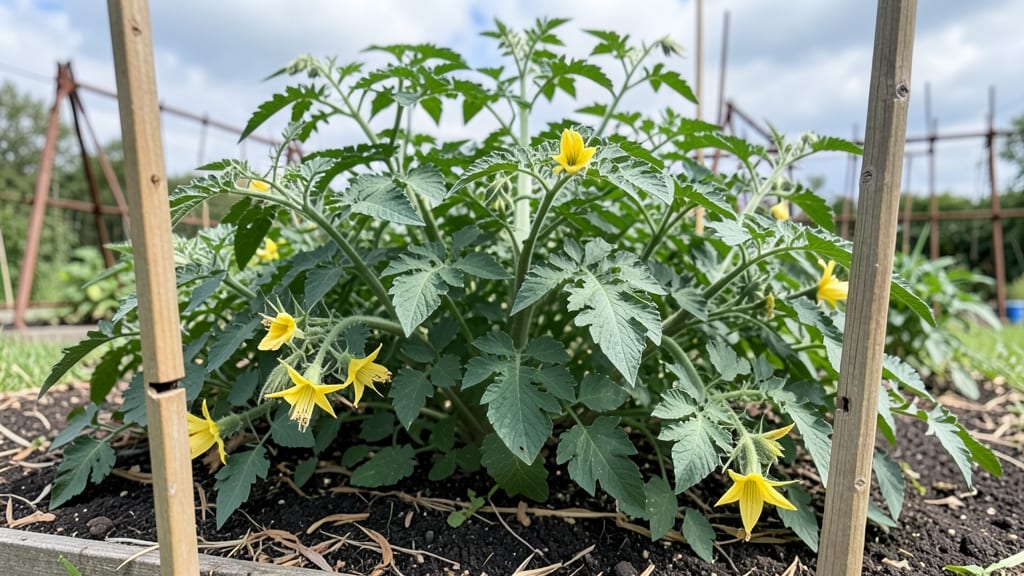
If you’re wondering why are my tomato plants big but no tomatoes, you’re not alone—I’ve stood there too, staring at those thick stems and wondering where the fruit is. 🌱 The most common reason is poor pollination, but it could also be temperature stress, over-fertilizing with nitrogen, or even pruning too aggressively.
The good news? Each of these issues has a simple fix, and I’ll walk you through exactly what to check first.
First, let’s rule out the obvious: are your plants getting enough sunlight and warmth? Tomatoes need consistent temperatures between 60-85°F to set fruit—any hotter than 90°F for more than a few days, and flowers drop without pollinating.
If your garden’s been above 90°F for weeks, that’s likely the culprit. But if temps are just right, we’ll dig into pollination next—because even healthy flowers need a little help sometimes to turn into fruit.
What you’ll achieve is a plant that finally shifts its focus from leaves to tomatoes. Within 2-3 weeks of making adjustments, you’ll start seeing tiny fruit forming at the clusters.
The key is balancing growth with production—too much nitrogen makes plants greedy for leaves, while proper pollination (even by hand) ensures those flowers become tomatoes. And yes, I’ve had to shake my plants to help them along—it works better than you’d think.
This fix works for backyard gardens, containers, and even raised beds—just adjust for your setup. Whether you’re dealing with heat stress, nitrogen overload, or just poor pollination, the solutions are straightforward once you know what to look for. Let’s get those plants producing the harvest you planted for!
Hidden Reasons Behind Leafy Tomatoes
When your tomato plants burst with lush green foliage but stubbornly refuse to produce fruit, the issue often lies in unseen factors that disrupt their natural growth cycle. Understanding these causes—rooted in science—can help you diagnose and fix the problem before it’s too late.
Tomatoes rely on pollination to trigger fruit formation. Without it, flowers drop off, leaving you with a bush full of leaves and no tomatoes. Here’s why it happens:
- Lack of Bees or Wind: Tomatoes are self-pollinating, but they need a little help—either from bees (which transfer pollen between flowers) or gentle wind (to shake pollen loose).
If your garden is isolated or bees are scarce (due to pesticides, early mornings, or late evenings), pollination fails. - Actionable fix: Hand-pollinate by gently shaking plants or using a small brush to transfer pollen from male to female flowers (the ones with tiny bulges at the base).
- Poor Flower Development: If flowers are deformed, too small, or never open, they can’t be pollinated.
This often happens due to: - Extreme heat (above 90°F/32°C) causing flower drop (a condition called "browning" or "blossom end rot"). - Over-fertilizing with nitrogen (which promotes leaves over flowers). - Actionable fix: Prune suckers to improve airflow, water deeply during heatwaves, and balance fertilizer with phosphorus (the "P" in NPK) to encourage flowering.
Tomatoes are temperature-sensitive, and extreme conditions can halt fruit set. Here’s how:
| Issue | Why It Happens | Solution |
|---|---|---|
| Heat Stress (90°F+) | High temps sterilize pollen, preventing fertilization. Flowers may drop. | Shade cloth, drip irrigation, or evening watering to cool roots. |
| Cold Snaps (<50°F) | Chilly nights delay or stop pollination, leading to weak or no fruit set. | Row covers or mulch to protect plants. |
| Frost Damage | Frost kills flowers and buds before they can pollinate. | Plant in warm microclimates or use frost blankets. |
💡 Pro Tip: Cherry tomatoes are slightly more heat-tolerant than beefsteaks—consider planting them if your climate swings wildly.
When tomato plants are competing for resources, they prioritize leaves over fruit. Common stressors include:
- Poor Airflow: Fungal diseases (like early blight or powdery mildew) thrive in humid, crowded conditions, weakening the plant.
- Fix: Space plants 18–24 inches apart, prune lower leaves, and stake or cage plants for support.
- Nutrient Imbalance: Too much nitrogen (N) = lush leaves, not enough phosphorus (P) or potassium (K) = weak flowers.
- Fix: Switch to a bloom-boosting fertilizer (e.g., 5-10-10 or tomato-specific feed) when flowers appear.
- Root Bound or Poor Soil: If roots are cramped or soil lacks organic matter, the plant focuses energy on survival, not fruiting.
- Fix: Transplant if roots are circling, or amend soil with compost before planting.
Hidden pests and pathogens can damage flowers or block pollination:
- Hornworms & Aphids: These devour flowers and buds before they can set fruit.
- Fix: Handpick pests or use neem oil for organic control.
- Blossom End Rot: While this causes black bottoms on tomatoes, it’s often linked to calcium deficiency or irregular watering, which also stresses plants and reduces fruit set.
- Fix: Apply crushed eggshells or calcium supplements, and water consistently.
- Fungal Infections: Diseases like powdery mildew can distort flowers, making pollination impossible.
- Fix: Spray copper fungicide preventatively and remove infected leaves.
Not all tomatoes are created equal! Some varieties are less productive under certain conditions:
- Determinate vs. Indeterminate:
- Determinate (bush) tomatoes produce fruit in one big flush—if pollination fails during that window, you’re out of luck.
- Indeterminate (vining) tomatoes keep flowering all season, giving more chances for pollination.
- Fix: Plant both types for a longer harvest window.
- Heat-Intolerant Varieties: Some heirlooms (like Brandywine) drop flowers in heat, while heat-tolerant varieties (like Solar Fire or Heatmaster) keep producing.
- Fix: Choose heat-resistant varieties for your climate.
Before diving into fixes, identify the root cause with these clues:
- No flowers at all? → Likely nutrient deficiency or temperature stress.
- Flowers but no fruit? → Pollination failure (check for bees, heat, or wind).
- Flowers drop after forming? → Heat stress or over-fertilizing with nitrogen.
- Leaves look sick? → Pests/disease or poor airflow.
How to Fix Your Leafy Tomato Plants
If your tomato plants are thriving with lush green leaves but producing little to no fruit, don’t panic—there’s a solution! The key is to address the root causes (literally and figuratively) with targeted fixes.
Below, we’ll break down practical, step-by-step solutions for each common issue, along with prevention tips to keep your plants productive season after season.
Cause: Poor pollination (wind, bees, or manual help missing) Solution: Tomatoes need pollen transfer to form fruit. If your plants are indoors, in a greenhouse, or lack bee activity, try these tricks:
- 🔥 Shake It Up: Gently shake the plants 2–3 times daily (especially in the morning) to mimic wind pollination.
Focus on flowers that are half-open (they’re ready for pollen!). - 🐝 Hand-Pollinate: Use a soft paintbrush or cotton swab to transfer pollen from one flower’s anther (the yellow dusty part) to another’s stigma (the sticky center).
Do this on cloudy days or early morning when flowers are fresh. - 🌿 Attract Bees: Plant bee-friendly flowers (like marigolds, basil, or borage) near your tomatoes. Avoid pesticides, which repel pollinators.
💡 Pro Tip: If you’re growing determinate (bush) tomatoes, they often pollinate themselves better than indeterminate (vining) varieties, which may need extra help.
Cause: Extreme heat or cold stressing flowers Solution: Tomatoes stop flowering when temps hit above 90°F (32°C) or below 55°F (13°C). Here’s how to keep them in the ideal 60–85°F (15–29°C) range:
- 🌿 Provide Shade: Use shade cloth (30–50%) on hot afternoons, especially for greenhouse or container-grown plants. - 💧 Water Deeply: Morning watering keeps roots cool and prevents heat stress.
Avoid wetting leaves (this can cause disease). - 🌱 Choose Heat-Tolerant Varieties: If you live in a hot climate, opt for ‘Solar Fire,’ ‘Heatmaster,’ or ‘Arkansas Traveler’—they thrive in heat.
✨ Prevention Tip: If nights are cool, use row covers or cloches to trap warmth around plants.
Cause: Too much nitrogen = leafy growth, no fruit Solution: Tomatoes need phosphorus and potassium for flowering and fruiting, not just nitrogen (which fuels leaves). Follow this feed schedule:
| Growth Stage | What to Do | Example Fertilizer |
|---|---|---|
| Early Growth | Light nitrogen | 10-10-10 (balanced) or compost tea |
| Flowering Stage | Switch to high phosphorus | 5-10-10 or bone meal (for root growth) |
| Fruiting Stage | High potassium | 0-0-50 or banana peel tea (potassium boost) |
👨🍳 DIY Fix: Mix 1 tbsp Epsom salt (magnesium sulfate) in a gallon of water and spray leaves every 2 weeks—this helps with flower and fruit development.
🚫 Avoid: Over-fertilizing with high-nitrogen (like blood meal) once flowers appear—this stops fruiting!
Cause: Overcrowded plants = poor pollination and disease Solution: Pruning suckers (side shoots) and lower leaves improves airflow and redirects energy to fruit:
- 🔪 Prune Suckers: Remove suckers (the small shoots in the leaf axils) when they’re 2–3 inches long.
These steal energy from fruit production. - 🌿 Trim Lower Leaves: Cut off leaves touching the soil to prevent disease (like blight) and improve airflow. - 🌳 Support Vines: Use cages or stakes to keep indeterminate varieties upright—this prevents stress and encourages more flowers.
💡 Pro Tip: If your plant is overloaded with fruit, prune some blossoms (especially on young plants) to let remaining fruit grow bigger and healthier.
Cause: Bugs or diseases damaging flowers/fruit Solution: Common culprits include hornworms, aphids, and fungal diseases (like blight). Act fast:
- 🐛 Spot & Remove Pests:
- Hornworms: Handpick (they’re huge and green!) or use BT (Bacillus thuringiensis) spray.
- Aphids: Spray with soapy water (1 tsp mild soap + 1 quart water) or introduce ladybugs.
- 🍄 Prevent Fungal Issues:
- Space plants 18–24 inches apart for airflow.
- Water at the base (not leaves) and remove diseased leaves immediately.
- Use copper fungicide as a preventative spray.
🎯 Prevention Tip: Rotate crops yearly to avoid soil-borne diseases.
Cause: Insufficient sunlight = weak flowers Solution: Tomatoes need 6–8 hours of direct sunlight daily. If yours are struggling:
- 🔦 Move Plants: Relocate to a sunnier spot (even a few extra hours helps).
- 💡 Supplement Light: Use a grow light (LED or fluorescent) for 12–14 hours/day if growing indoors.
- 🌿 Choose the Right Spot: Avoid shady corners—tomatoes won’t flower well without enough light.
🔥 Quick Fix: If your plant is already leafy, it’s not too late! Just prune back some leaves to redirect energy to flowers.
✅ Pollinate daily (shake or hand-pollinate). ✅ Keep temps between 60–85°F (15–29°C). ✅ Fertilize with phosphorus/potassium (not just nitrogen). ✅ Prune suckers and lower leaves for better airflow. ✅ Watch for pests/diseases and act fast. ✅ Ensure 6+ hours of sunlight daily.
With these fixes, your leafy tomato plants will soon be bursting with juicy, homegrown tomatoes! 🍅🌟 Try one or two solutions this week and watch the difference.
Frequently asked questions
Why do my tomato plants have so many leaves but no flowers?
Too much nitrogen in your fertilizer is likely the culprit. Nitrogen promotes leafy growth but starves flowers of the phosphorus and potassium they need. Switch to a 5-10-10 or tomato-specific fertilizer when you see buds forming, and avoid high-nitrogen feeds like blood meal during flowering.
Can I still save my tomato plants if they’re already leafy and not flowering?
Prune back some leaves to redirect energy to flowers, and switch to a phosphorus-rich fertilizer (like bone meal). Hand-pollinate flowers by gently shaking plants or using a paintbrush. With these adjustments, you should see blossoms within 2-3 weeks.
What’s the best way to hand-pollinate tomato flowers?
Use a soft paintbrush or cotton swab to transfer pollen from the yellow anthers (male parts) to the sticky stigma (center) of each flower. Do this on cloudy mornings when flowers are fresh. Focus on half-open blossoms—they’re most receptive to pollination.
Are my tomato plants getting enough sunlight if they’re indoors?
Tomatoes need 6-8 hours of direct sunlight daily. If indoors, place them near a south-facing window or supplement with a grow light (12-14 hours/day). Rotate plants regularly to prevent lopsided growth, and prune excess leaves to improve light penetration.
Why do my tomato flowers keep dropping off?
This usually happens due to heat stress (above 90°F) or over-fertilizing with nitrogen. Provide afternoon shade, water deeply in the morning, and switch to a bloom-boosting fertilizer. If temps stay high, consider heat-tolerant varieties like ‘Solar Fire’.