
Companion Plants
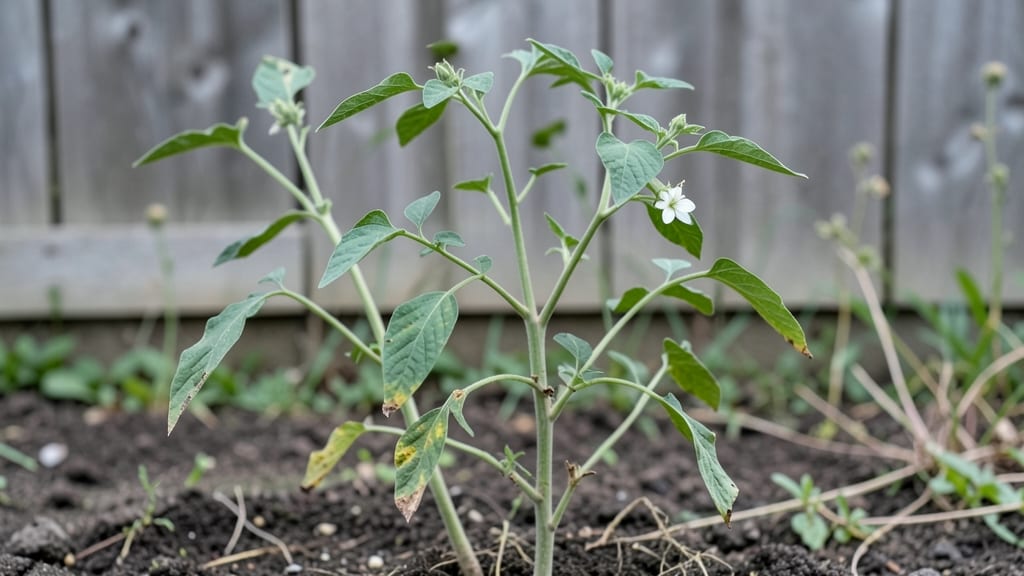
Leggy pepper plants mean fewer peppers and more frustration—until you fix the light and spacing game. 🌱 I’ve turned my own skinny, sprawling peppers into sturdy, productive bushes by adjusting just a few things, and you can too without losing plants or harvests.
The key? Understanding why they stretch in the first place.
Most leggy plants happen from either too little light or too much competition for space. Peppers need 6+ hours of direct sun daily, and when they don’t get it, they stretch like teenagers reaching for the fridge.
Overcrowding forces them to fight for nutrients, making stems weak and leaves sparse. The good news? These fixes work fast—no expensive tools or fancy tricks.
You’ll prune back leggy stems to encourage bushier growth, transplant crowded plants into bigger pots or beds, and adjust watering to avoid stress. Within 2-3 weeks, you’ll see thicker stems, more leaves, and—most importantly—plenty of peppers instead of just vines. The best part? These same steps prevent future legginess.
Works for indoor containers, raised beds, or in-ground gardens—just tweak the light and space. Let’s get those peppers growing strong!
Root Causes Behind Stretched Plants
Understanding why your pepper plants develop long, leggy stems is the first step to fixing the problem. Leggy growth isn’t just about aesthetics—it weakens the plant, reduces fruit production, and makes it more susceptible to pests and disease.
Let’s break down the science behind the most common culprits and why they trigger this unwanted growth pattern.
Pepper plants (Capsicum annuum and relatives) are light-loving and thrive under 12–16 hours of sunlight daily. When deprived of adequate light, they stretch their stems toward any available source (a phenomenon called etiolation), sacrificing compact growth for survival.
Why it happens:
- Photosynthesis slowdown: Light fuels the plant’s energy production. Without enough, chlorophyll can’t convert sunlight into glucose efficiently, forcing the plant to prioritize stem elongation over leaf and fruit development.
- Hormonal shift: Low light triggers a surge in auxin (a growth hormone) production, which promotes stem elongation while inhibiting lateral bud growth. This is why you’ll see sparse leaves and weak stems.
- Weak cell walls: Stretched stems have thinner cell walls, making them prone to snapping under their own weight or wind stress.
Actionable insight: If your plants are indoors or in shaded outdoor spots, they’re likely light-starved. Move them to a south-facing window (for northern hemisphere) or use grow lights (LED or fluorescent) 6–8 inches above the plants for 14–16 hours/day.
Pepper plants need personal space—typically 18–24 inches apart—to access light, air, and nutrients. When planted too closely, they compete aggressively, leading to shady lower leaves and leggy stems as they reach upward for sunlight.
Why it happens:
- Blocked sunlight: Tall or dense neighboring plants (like tomatoes or corn) cast shadows, forcing peppers to stretch toward light sources.
- Root competition: Overcrowded roots deplete soil nutrients faster, stressing the plant and triggering a survival response (elongated stems).
- Poor air circulation: Humid, stagnant air from crowded plants encourages fungal diseases, further weakening the plant’s structure.
Actionable insight: Thin out seedlings early to avoid transplant shock. If space is limited, prune neighboring plants or use reflective surfaces (like white walls or aluminum foil) to bounce extra light onto leggy peppers.
Peppers prefer warmth (70–85°F during the day, 60–70°F at night). Extreme heat or rapid temperature swings can disrupt their growth hormones, leading to weak, elongated stems.
Why it happens:
- Heat stress: Temperatures above 90°F can bleach chlorophyll, reducing photosynthesis efficiency. The plant responds by growing taller to escape the heat.
- Cold nights: Dropping below 55°F slows metabolic processes, causing stems to elongate in a desperate bid to reach warmer air.
- Hormonal imbalance: Heat stress increases ethylene gas production, a plant hormone that promotes stem elongation and flower drop.
Actionable insight:
- Shade cloth (30–50% coverage) can protect plants during heatwaves.
- Mulch (straw or black plastic) keeps soil temperatures stable.
- Move containers to shaded areas during peak afternoon heat.
While nitrogen is essential for leafy growth, too much of it (especially in the absence of phosphorus and potassium) leads to soft, weak stems and leggy habits. This is common in young plants or those fed with high-nitrogen fertilizers (like lawn fertilizers).
Why it happens:
- Unbalanced growth: Nitrogen promotes vegetative growth (leaves/stems) at the expense of root and fruit development. Leggy plants often have large leaves but shallow roots.
- Weak cell structure: Excess nitrogen reduces lignin (a compound that strengthens cell walls), making stems prone to bending or breaking.
- Delayed flowering: Peppers prioritize leaf production over fruiting when nitrogen is overabundant, delaying harvests.
Actionable insight: Switch to a balanced fertilizer (e.g., 5-10-10 or 10-10-10 NPK ratio) or a phosphorus-rich option (like bone meal) to encourage root and flower development. Flush the soil with water every 4–6 weeks to prevent salt buildup from fertilizers.
When pepper seedlings are transplanted too early or handled roughly (e.g., damaged roots during repotting), they experience stress that triggers leggy growth as they recover.
Why it happens:
- Root disruption: Damaged roots reduce water and nutrient uptake, forcing the plant to prioritize above-ground growth to compensate.
- Delayed recovery: Stressed plants focus energy on stem elongation rather than bushy, compact growth.
- Hormonal reset: Root damage can disrupt cytokinin (a root-produced hormone that promotes bushiness), leading to weak, stretched stems.
Actionable insight:
- Hardening off seedlings gradually (exposing them to outdoor conditions over 7–10 days) reduces shock.
- Use root stimulators (like mycorrhizal fungi or seaweed extract) when transplanting to encourage faster root regrowth.
- Avoid overwatering post-transplant, as soggy soil can suffocate roots further.
How to Fix Tall, Weak Plants
Now that you know why your pepper plants are stretching too tall and thin, it’s time to turn things around! With a few simple adjustments, you can encourage bushier growth, stronger stems, and a more productive harvest.
Below, we’ll tackle the most common causes—poor light, overcrowding, and inconsistent watering—and provide practical fixes to get your plants back on track.
If your leggy peppers are reaching for the sky, they’re begging for more light! Weak stems and sparse foliage often mean they’re not getting enough sunlight to photosynthesize properly.
How to Fix It:
- 🌞 Move Them Closer to a Sunny Spot Place your pepper plants within 6–8 inches of a south-facing window (or under grow lights if indoors).
If outdoors, ensure they get 6–8 hours of direct sunlight daily. A simple trick? Rotate pots quarter-turns weekly so all sides get even light exposure.
- 💡 Upgrade to Grow Lights (If Needed) If natural light is lacking, LED or fluorescent grow lights (12–16 hours/day) can save the day. Keep them 4–6 inches above the plants and adjust as they grow.
- 🌱 Thin Out Shade Plants If nearby trees, bushes, or taller plants are blocking sunlight, prune or remove them to give your peppers room to thrive.
💡 Prevention Tip:
Start seedlings under grow lights from day one to avoid leggy habits. If transplanting, harden them off gradually (acclimate to outdoor light) over 7–10 days before moving them outside.
Leggy plants often have long, weak stems with few leaves—perfect for pruning to encourage branching and stronger growth.
How to Fix It:
- ✂️ Prune the Top (Pinching) Use clean pruning shears or fingers to pinch off the top 1–2 inches of new growth just above a leaf node. This signals the plant to branch out instead of stretching upward.
- 🌿 Support with Cages or Stakes Insert tomato cages, bamboo stakes, or small trellises early to guide growth. Gently tie stems (with soft plant ties or old T-shirts) to prevent flopping.
- 🌱 Remove Lower Leaves Strip off yellow or crowded leaves near the soil to improve airflow and redirect energy to fruit production.
💡 Prevention Tip:
For determinate varieties (bush types), prune less aggressively—focus on removing only diseased or leggy stems. For indeterminate peppers (like jalapeños), regular pinching keeps them compact.
Overwatering or inconsistent moisture can weaken stems, making plants floppy and prone to legginess.
How to Fix It:
- 💧 Water Deeply but Less Often Let the top 1–2 inches of soil dry out between waterings. Use your finger to check moisture—damp but not soggy is ideal. Morning watering prevents fungal issues.
- 🌱 Improve Drainage If pots lack drainage holes, add a layer of perlite or vermiculite to the soil mix. For garden beds, raise beds slightly to avoid waterlogging.
- ☀️ Mulch to Retain Moisture Spread 2–3 inches of straw or shredded leaves around the base (keep it 2 inches away from stems to prevent rot). Mulch keeps roots cool and moisture steady.
💡 Prevention Tip:
Use self-watering pots or drip irrigation for consistent moisture, especially in hot climates. Avoid overhead watering, which can weaken stems and spread disease.
Leggy plants often lack phosphorus and potassium, which are key for root and stem strength.
How to Fix It:
- 🌱 Switch to a Balanced Fertilizer Use a 5-5-5 or 10-10-10 NPK fertilizer (equal parts nitrogen, phosphorus, potassium). For blooming plants, opt for a higher-phosphorus (like 5-10-10) to encourage flowers and fruits.
- 🍃 Add Compost or Worm Castings Mix 1–2 inches of compost into the soil before planting or top-dress existing plants. This boosts micronutrients without burning roots.
- 🚫 Avoid Over-Fertilizing with Nitrogen Too much nitrogen (like in lawn fertilizers) leads to leafy but weak growth. Stick to half-strength applications every 2–3 weeks.
💡 Prevention Tip:
For container-grown peppers, fertilize every 2 weeks during the growing season. Flush soil monthly with water to prevent salt buildup from fertilizers.
| Problem | Quick Fix | Prevent Next Time |
|---|---|---|
| Not enough light | Move closer to sun/grow lights | Start seedlings under lights |
| Overcrowded | Thin plants, prune lower leaves | Space seeds 12–18" apart |
| Weak stems | Prune tops, stake for support | Use cages early |
| Overwatering | Let soil dry slightly between waterings | Mulch and improve drainage |
| Poor nutrition | Switch to balanced fertilizer | Test soil, add compost regularly |
With these fixes, your leggy pepper plants will thicken up, branch out, and produce more fruit in no time! 🌱🔥 The key is light, pruning, and consistency—so don’t wait, give them the TLC they need today!
Frequently asked questions
Why do my pepper plants grow so tall and thin instead of bushy?
Leggy growth happens when pepper plants stretch toward light due to insufficient sunlight (less than 6 hours daily) or hormonal imbalances from stress. Without enough light, they produce more auxin (a growth hormone) that makes stems elongate while inhibiting leaf and fruit development.
Can I still save leggy pepper plants, or should I start over?
You can absolutely save them! Prune the top 1-2 inches of leggy stems to encourage branching, then move them to a sunnier spot or under grow lights. With proper care, they'll thicken up and produce fruit within 2-3 weeks. No need to start fresh!
How close should I space pepper plants to prevent legginess?
Give pepper plants 18-24 inches of space between them. Crowding forces them to compete for light, causing weak stems. If you're container gardening, use 5-gallon pots minimum per plant to avoid root competition and improve stability.
Will pruning leggy stems hurt my pepper harvest?
Not at all—pruning actually helps! When you pinch off the top growth, the plant redirects energy to lower buds, producing more branches and flowers. Just avoid cutting into the main stem. For indeterminate varieties, regular pruning can double your harvest!
What's the fastest way to fix leggy pepper plants indoors?
Move them to the brightest window (south-facing) and add grow lights if needed. Place lights 4-6 inches above the plants for 14-16 hours/day. Combine this with a balanced fertilizer (5-5-5 NPK) to encourage stronger growth within 10-14 days.