
Companion Plants
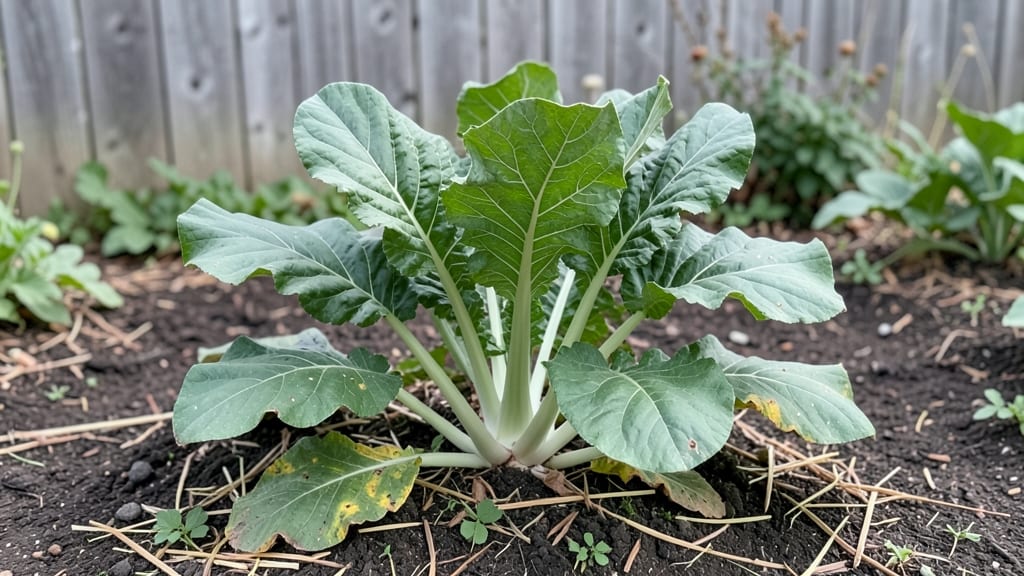
Growing white rhubarb plants unlocks a milder, sweeter harvest than red varieties—no tart tang, just bright pink stalks that taste like summer. 🌱 I’ve grown both for years, and white rhubarb’s cold hardiness and delicate flavor make it my go-to for pies, compotes, and fresh eating.
The secret lies in its soil, spacing, and winter care—none of which are complicated once you know the tricks.
Start with well-draining soil rich in organic matter, and plant crowns in early spring or fall when temperatures hover around 50°F. White rhubarb thrives in full sun but tolerates partial shade, making it perfect for cooler climates where red varieties struggle.
Water consistently—about 1 inch per week—and mulch heavily in winter to protect the crowns from freeze-thaw cycles.
By mid-summer, you’ll harvest tender stalks that stay crisp and sweet, unlike their red counterparts which often need sugar to balance their sharpness. The plants reward patience: well-established crowns produce for 5-10 years, and their striking foliage adds drama to the garden.
Just avoid harvesting until the third year to let roots strengthen.
Pests rarely bother white rhubarb, but watch for crown rot in wet springs—improve drainage if you notice yellowing leaves. Unlike red rhubarb, these plants handle frost beautifully, so don’t rush to dig them up in fall. With minimal effort, you’ll have a perennial harvest that outshines store-bought every season.
📚 In This Guide
- What you need
- Instructions
- Tips and common mistakes
- Wrapping up and next steps
What you need
- ● White rhubarb crowns (plants): 2–3 healthy, disease-free crowns (ensure they’re labeled as Rheum rhabarbarum or white rhubarb).
- ● Garden soil: Well-draining, fertile soil with a pH of 6.0–7.0 (amend with compost if needed).
- ● Organic compost: 5–10 lbs to enrich planting beds.
- ● Mulch: Straw or wood chips (2–3 inches) to retain moisture and suppress weeds.
- ● Watering can or hose: With a gentle spray nozzle for consistent hydration.
- ● Garden gloves: To protect your hands from thorns and soil.
- ○ Pruners or sharp knife: Sterilized for cutting stems (optional but helpful).
- ● Balanced fertilizer (10-10-10) for early growth (apply sparingly!).
- ● Plant supports (like small stakes) if stems grow tall in windy areas.
- ● Row covers or frost blankets for early/late-season protection.
- ● pH testing kit to monitor soil acidity over time.
Step-by-step instructions for planting and maintaining white rhubarb
Here's how to establish four healthy white rhubarb plants that reward you with harvests for years.
🌱 Step 1: Choose and Prepare the Planting Site
White rhubarb thrives in full sun to partial shade, with at least 6 hours of direct sunlight daily. Select a spot with well-draining soil—rhubarb hates soggy roots. I always test soil pH first; aim for 6.0-6.8. If your soil is heavy clay, amend with 2-3 inches of compost mixed into the top 12 inches of soil.
Space each plant 3 feet apart in all directions. Rhubarb forms large crowns that need room to expand. Mark planting locations with stakes to avoid crowding. The reason for this spacing? Over time, the plants will develop thick, woody stems that need elbow room to avoid competing for nutrients.
🪴 Step 2: Plant Crowns Correctly for Long-Term Health
Plant rhubarb crowns in early spring or fall, when temperatures are below 70°F. Dig a hole wide enough to spread the roots without bending them. Place the crown so the bud (a small bump) is 2 inches below soil level. This ensures the plant establishes strong roots before sending up foliage.
Backfill with soil, firming gently around the base to eliminate air pockets. Water deeply immediately after planting to settle the soil and encourage root contact. I like to add a 2-inch layer of mulch around each plant, keeping it 6 inches away from the crown to prevent rot. Mulch helps regulate soil temperature and retain moisture during hot summers.
☀️ Step 3: Water and Fertilize for First-Year Establishment
Keep the soil consistently moist but never waterlogged during the first growing season. Rhubarb roots are shallow, so 1 inch of water per week is ideal, more during dry spells. You'll know you're watering correctly when the soil feels damp 2 inches below the surface.
Apply a balanced, 10-10-10 fertilizer in early spring and again after harvest. Use 1/4 pound per 100 square feet—too much nitrogen promotes leaf growth at the expense of stalks. In the second year, switch to a low-nitrogen fertilizer like 5-10-10 to encourage strong root development and better-quality stalks.
✂️ Step 4: Prune and Harvest for Maximum Yield
Wait 3 years before harvesting rhubarb—this gives the plant time to build energy reserves. When ready, cut stalks at the base with clean shears, leaving the leaves attached. Never remove more than 1/3 of the stalks in a single harvest. You'll know it's time to stop harvesting when new growth slows in late summer.
Remove any diseased or yellowing leaves immediately to prevent spread. In late fall, cut back all foliage to 2 inches above ground level. This protects the crown from winter damage and reduces pest overwintering. I also apply a 3-inch layer of straw mulch in winter to insulate the roots—white rhubarb is cold-hardy but benefits from extra protection in harsh climates.
🌿 Step 5: Overwinter and Prepare for Next Season
In late winter, remove old mulch and check for signs of crown rot or pests. If you see any issues, treat immediately with a copper fungicide or horticultural oil. Prune out any dead or damaged fronds before new growth begins in early spring.
Apply a 2-inch layer of compost around the base in early spring to replenish nutrients. This is also the time to divide crowded plants if needed—rhubarb performs best when spaced properly. You'll see vigorous new growth within 2-3 weeks after spring fertilization, signaling it's time to start monitoring for harvest readiness again.
Tips & tricks for perfect white rhubarb plant care
These practical insights will help you cultivate thriving white rhubarb plants that deliver abundant harvests season after season.
Soil Preparation: The 6 hours of sunlight requirement is non-negotiable for white rhubarb, but soil quality makes the difference between mediocre and exceptional plants. I've found that incorporating 2-3 inches of compost into the top 12 inches of soil isn't just about nutrients—it dramatically improves drainage, which is crucial since rhubarb roots despise waterlogged conditions. For clay-heavy soils, consider adding sand or perlite to create better pore space for root development.
Planting Strategy: The 2-inch depth for positioning the bud is more critical than most gardeners realize. Planting too shallow risks exposing the crown to temperature fluctuations, while planting too deep can delay emergence. I recommend using a small marker at planting time to track the bud location—this becomes invaluable when it's time for spring maintenance. Also, the 3-foot spacing might seem generous now, but trust me: these plants will develop thick, woody stems that need room to avoid competing for nutrients.
Watering Wisdom: Maintaining that 1 inch of water per week is easier said than done, especially during summer droughts. I've learned to check soil moisture by inserting a finger 2 inches below the surface—this is where the shallow roots actively absorb water. For container-grown rhubarb, you'll need to water more frequently, sometimes daily, as potted plants dry out much faster. The key is consistency without waterlogging, which can lead to crown rot.
Seasonal Timing: Planting when temperatures are below 70°F gives young plants time to establish roots before summer heat stress. I've had the best success with fall planting in my zone 5 climate—spring planting works too, but requires more frequent watering as temperatures rise. The 3-year wait before first harvest might seem long, but it's essential for building strong root systems that will support years of production.
Pro Tips for White Rhubarb Plants
- These practical insights will help you cultivate thriving white rhubarb plants that deliver abundant harvests season after season.
- Soil Preparation: The 6 hours of sunlight requirement is non-negotiable for white rhubarb, but soil quality makes the difference between mediocre and exceptional plants.
- Planting Strategy: The 2-inch depth for positioning the bud is more critical than most gardeners realize.
Frequently asked questions
Got questions about growing white rhubarb plants? You’re not alone! Here are answers to the most common queries—from planting to troubleshooting—to help you cultivate this hardy, delicious perennial with confidence.
How cold-hardy is white rhubarb, and can it survive winter?
White rhubarb (Rheum rhabarbarum)
is one of the most frost-tolerant perennials, thriving in USDA zones 3–9. It handles snow, ice, and even light freezes without issue! Just mulch heavily in late fall (4–6 inches of straw or leaves) to protect roots. Pro tip: Avoid cutting stalks until after the last frost—early harvesting stresses the plant.
When is the best time to plant white rhubarb?
Plant crowns in early spring or fall for optimal root establishment. Avoid summer heat, which can shock delicate roots. If planting in spring, wait until soil temperatures rise above 40°F (4°C)—cool but workable. Troubleshooting: If soil is soggy, amend with compost to improve drainage.
How do I know when white rhubarb is ready to harvest?
Harvest stalks in year 2 or 3 (never year 1!) when they’re at least 10–12 inches tall and 1+ inch thick. Cut at the base with a sharp knife, leaving the leaf crown intact. Key rule: Never remove more than 1/3 of the stalks in a season—over-harvesting weakens the plant.
What pests or diseases should I watch for with white rhubarb?
Common issues include:
- Crown rot: Caused by overwatering or poor drainage. Fix: Plant in well-drained soil and avoid soggy conditions.
- Japanese beetles: Chew leaves but rarely harm stalks. Fix: Handpick or use neem oil.
- Curly top virus: Spreads via aphids. Fix: Remove infected plants immediately and treat aphids.
Can I grow white rhubarb in containers, or does it need garden space?
Yes! White rhubarb adapts well to large containers (18+ inches deep) with drainage holes. Use a mix of compost, peat moss, and perlite for loose, fertile soil. Container care: Water consistently (containers dry faster) and fertilize lightly in spring. Limit: Avoid containers for long-term growth—rhubarb’s roots spread aggressively!
Wrapping up and next steps
Growing white rhubarb plants is a rewarding journey that brings vibrant greenery and delicious harvests to your garden—even in chilly climates! 🌱 With the right cold-hardy care, well-draining soil, and a little patience, you’ll enjoy year-round beauty and tasty stalks.
Whether you’re a seasoned gardener or just starting, these resilient plants are a fantastic addition to your companion planting lineup.
Ready to dive in? Start by selecting the perfect spot in your garden, gather your supplies, and follow the steps outlined above. Before you know it, you’ll be harvesting fresh rhubarb—and maybe even sharing your bounty with neighbors! Happy gardening! 🌟