
Plants
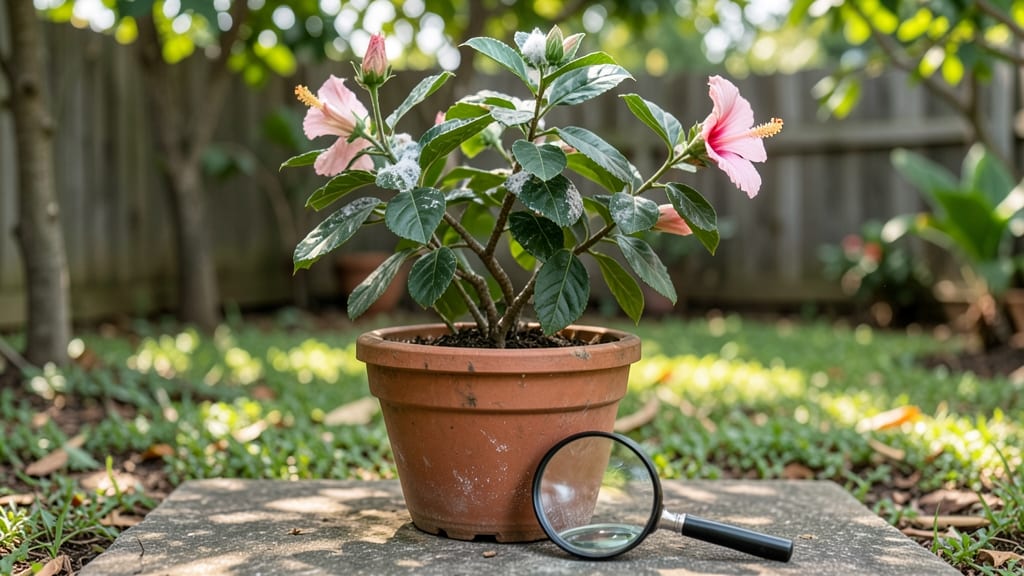
White fungus on hibiscus plants is spreading across your leaves—here’s how to stop it fast. That fluffy powder or fuzzy spots isn’t just unsightly—it’s stealing your plant’s energy and blocking sunlight.
I’ve battled this exact issue on my tropical hibiscus, and the key is acting fast before it chokes the blooms you love. The good news? Most white fungi respond to simple, plant-safe fixes that won’t leave chemical residue on those showstopping flowers.
This guide covers the three most common culprits—powdery mildew, downy mildew, and rust—plus how to tell them apart by leaf texture and growth patterns.
You’ll learn why humidity and poor airflow turn hibiscus into fungus magnets, and exactly which organic sprays (like neem oil or baking soda mixtures) work best without harming pollinators or your plant’s delicate blooms. The solutions are faster than you’d think—some take effect in just 48 hours with consistent treatment.
By the end, you’ll have a hibiscus that stays lush and blooms like crazy, with a 3-step prevention plan that keeps future outbreaks from even starting. No more wilting leaves or missed summer flowers—just healthy plants that reward your effort with vibrant blooms all season long.
Let’s get those leaves clean and your hibiscus thriving again.
Whether you’re dealing with a single branch or a full plant, the same principles apply—just adjust the spray volume. And if your climate is humid (like mine), you’ll want to bookmark the airflow tips for next season. Ready to save your hibiscus?
Root Causes of Fungal Spread
When you spot that telltale white fungus on your hibiscus leaves, it’s usually a sign that your plant is under stress from one (or more) of these common triggers. Understanding why it happens is the first step to stopping it before it ruins your blooms.
Let’s break down the science behind each culprit—so you can act fast and save your hibiscus.
The #1 enemy of hibiscus health is excess moisture. Hibiscus thrive in well-draining soil, but when water pools around roots or lingers on leaves, it creates the perfect breeding ground for fungal spores like Erysiphe (powdery mildew) or Botrytis.
- Why it happens: Fungal spores need humidity to germinate. Overwatering keeps the soil and foliage damp for days, giving fungi a 24/7 buffet. Poor drainage (like clay soil or compacted pots) traps water, worsening the problem.
- Science deep dive: Fungi release enzymes that break down plant cell walls in wet conditions. Hibiscus leaves, already sensitive to moisture, become easy targets when their defenses are weakened by soggy roots.
- Actionable fix:
- Let the top 1–2 inches of soil dry between waterings (stick your finger in—if it’s wet, wait!).
- Upgrade to fast-draining potting mix (add perlite or orchid bark).
- Ensure pots have drainage holes—no exceptions!
Hibiscus love warmth, but they hate sudden swings—especially when humidity spikes at night. Fungal spores thrive in 60–80% humidity, and your hibiscus might be silently screaming for help if your home or garden is stuck in that range.
- Why it happens: Cool nights + high humidity = fungal party time. Spores land on leaves, germinate, and spread via wind or splashing water. Powdery mildew, for example, doubles its growth rate in these conditions.
- Science deep dive: Fungi produce haustoria (tiny root-like structures) to penetrate leaf surfaces. In humid air, these structures grow 3x faster, sapping nutrients from your hibiscus.
- Actionable fix:
- Use a hygrothermometer to monitor humidity—aim for 40–60% during the day.
- Improve airflow with a small fan (3–5 mph) near plants or prune crowded branches.
- Avoid watering in the evening—let leaves dry by nightfall.
A hibiscus starving for nutrients or drowning in too much fertilizer is like a human with a weak immune system—fungi move in fast. Too much nitrogen (the "green growth" booster) makes leaves soft and susceptible, while deficiencies (like magnesium or potassium) leave them brittle and stressed.
- Why it happens: Fungi exploit plants with thin cuticles (the leaf’s protective waxy layer). Over-fertilizing weakens this barrier, while under-fertilizing reduces the plant’s ability to produce phytoalexins (natural antifungal compounds).
- Science deep dive: Studies show hibiscus with low potassium levels have 30% less fungal resistance than balanced plants. Meanwhile, excess nitrogen triggers rapid but weak growth, making leaves more prone to fungal attachment.
- Actionable fix:
- Switch to a balanced fertilizer (e.g., 10-10-10) and dilute to half-strength.
- Add compost or worm castings for slow-release nutrients and microbial protection.
- Test soil pH—hibiscus prefer 6.0–6.5. Too alkaline (<7.0+) locks out nutrients, inviting fungi.
Every cut, scrape, or insect bite on your hibiscus is a fungal invitation. Pruning wounds, hail damage, or even aphid bites create entry points for spores to colonize.
- Why it happens: Fungi like Alternaria or Colletotrichum enter through broken skin on leaves or stems. Once inside, they block nutrient flow, causing white fuzzy patches or black spots.
- Science deep dive: Research shows wounds increase fungal infection rates by up to 50% in tropical plants. The longer a wound stays open, the deeper the fungal invasion.
- Actionable fix:
- Always sterilize pruners with rubbing alcohol before cutting.
- Seal wounds with cinnamon powder (natural antifungal) or copper-based pruning paste.
- Inspect leaves weekly for insects (like spider mites) and treat early with neem oil.
Even the cleanest garden can harbor fungal spores hiding in tools, pots, or old soil. Reusing contaminated materials is like giving fungi a free pass to infect your hibiscus.
- Why it happens: Spores survive in soil for years and hitchhike on tools, gloves, or even your shoes. If you repot without sterilizing, you’re basically planting a fungal bomb.
- Science deep dive: A single teaspoon of infected soil can contain millions of spores. Heat (pasteurization) or chemical sterilants (like hydrogen peroxide) are needed to kill them.
- Actionable fix:
- Sterilize tools with 70% isopropyl alcohol or a 10-minute bleach soak (1 part bleach to 9 parts water).
- Repot in fresh, sterile soil or bake old soil at 180°F (82°C) for 30 minutes to kill spores.
- Avoid sharing tools between infected and healthy plants.
How to Fix Fungal Issues Fast
Now that you’ve identified the culprit behind that unsightly white fungus on your hibiscus, it’s time to act! The good news? Most fungal problems can be reversed with targeted care—without sacrificing those stunning blooms.
Below, we break down the best fixes for each cause, plus prevention tips to keep your hibiscus thriving.
If powdery mildew or downy mildew is the issue, physical removal is your first line of defense.
🔪 Step 1: Trim Infected Areas
- Use sterilized pruning shears (wipe with rubbing alcohol) to cut off:
- Leaves with white fuzzy patches (powdery mildew).
- Yellowing or curling leaves (downy mildew).
- Dispose of clippings in the trash (don’t compost—the spores can spread).
🌧️ Step 2: Improve Airflow
- Space plants 18–24 inches apart to reduce humidity buildup.
- Remove nearby weeds or debris that trap moisture.
- Fan trick: Place a small oscillating fan near hibiscus for 10–15 minutes daily to dry leaves faster.
🧼 Step 3: Clean Leaves
- Neem oil spray (1 tsp neem oil + 1 tsp mild soap + 1 quart water) applied with a spray bottle.
- Baking soda solution (1 tsp baking soda + 1 quart water + a few drops of dish soap) for powdery mildew.
- Spray undersides of leaves (where downy mildew hides) and stems.
If your hibiscus is soggy and fungal, it’s time to drain the drama.
🚰 Step 1: Check the Soil
- Stick your finger 2 inches deep—if it’s damp, wait to water.
- Well-draining soil is key: Mix in perlite or sand (20% of potting mix) if your soil retains too much moisture.
💦 Step 2: Water Smarter
- Water at the base (avoid wetting leaves) early in the day so foliage dries quickly.
- Use a moisture meter or stick to the "finger test" before watering again.
- Drainage fix: If your pot has no holes, drill them or switch to a terracotta pot (breathes better).
🌡️ Step 3: Adjust Humidity
- Hibiscus loves 60–70% humidity, but not damp leaves.
- Mist lightly in the morning (avoid evenings) or use a pebble tray with water (keep leaves from sitting in it).
If stems are mushy, black, or smell foul, root rot may be setting in.
🌱 Step 1: Remove & Inspect Roots
- Gently dig up the plant and rinse roots under cool water.
- Trim black/mushy roots with sterilized scissors.
- Healthy roots are firm and white—discard the rest.
🌿 Step 2: Repot in Fresh Soil
- New pot: Choose one 2–3 inches larger with drainage holes.
- Soil mix: Use a cactus/succulent blend (50% potting soil + 50% perlite).
- Let roots dry 24 hours before replanting to prevent further rot.
💡 Pro Tip:
- Avoid over-fertilizing—root rot thrives on excess salts. Use a balanced 10-10-10 fertilizer only every 6–8 weeks.
Once your hibiscus is back in shape, keep it that way with these easy habits:
✅ 🌿 Mulch lightly (1–2 inches of pine bark or straw) to retain moisture without suffocating roots. ✅ 🌞 Sunlight boost: Hibiscus needs 6+ hours of direct sun—weak light = more fungal risk. ✅ 🍃 Rotate plants every few weeks so all sides get even sunlight and airflow. ✅ 🧴 Fungicide preventative: Spray with copper fungicide (like Copper Soap) once a month during humid seasons. ✅ 🌧️ Rainy season? Cover plants with a lightweight row cover to reduce leaf-wetting.
If your hibiscus:
- Won’t recover after 2–3 weeks of treatment.
- Has blackened stems (advanced root rot).
- Shows no new growth despite care adjustments.
A local nursery or plant doctor can test for resistant strains of fungus or pests.
Your hibiscus can bounce back—just act fast and adjust care to match its needs! 🌸💪 Now go give those leaves a spa day (neem oil + airflow = happy plant).
Frequently asked questions
What’s the fastest way to tell if my hibiscus has powdery mildew vs. downy mildew?
Check the leaf undersides! Powdery mildew appears as white, powdery spots on both sides of the leaf, while downy mildew shows grayish-purple fuzz only on the undersides. Tap infected leaves—powdery mildew leaves a white dust on your finger, but downy mildew won’t.
Can I still use my hibiscus flowers if they’ve been near white fungus?
Yes, but only if the fungus is only on leaves and hasn’t spread to stems or buds. Cut off any infected leaves first, then enjoy your blooms—hibiscus flowers rarely get infected. If you see white spots on buds, prune them immediately to prevent spread.
Why does my hibiscus keep getting fungus even after I treat it?
This usually means poor airflow or overwatering is still happening. Check for crowded plants, blocked airflow (like walls or fences), or soggy soil. A small fan near the plant or spacing them 18+ inches apart can work wonders.
Is it safe to use hydrogen peroxide on hibiscus leaves?
Yes, but dilute it properly—mix 1 part 3% hydrogen peroxide with 4 parts water and spray lightly on leaves. Test a small area first, as it can bleach leaves if overused. Reapply every 3–5 days until the fungus clears.
Will my hibiscus survive if I don’t treat the white fungus?
It might, but expect stunted growth, fewer blooms, and weakened leaves. Severe cases can kill the plant within weeks. Act fast—most hibiscus recover fully with 2–3 weeks of proper care. Don’t wait until it’s too late!