
Pests
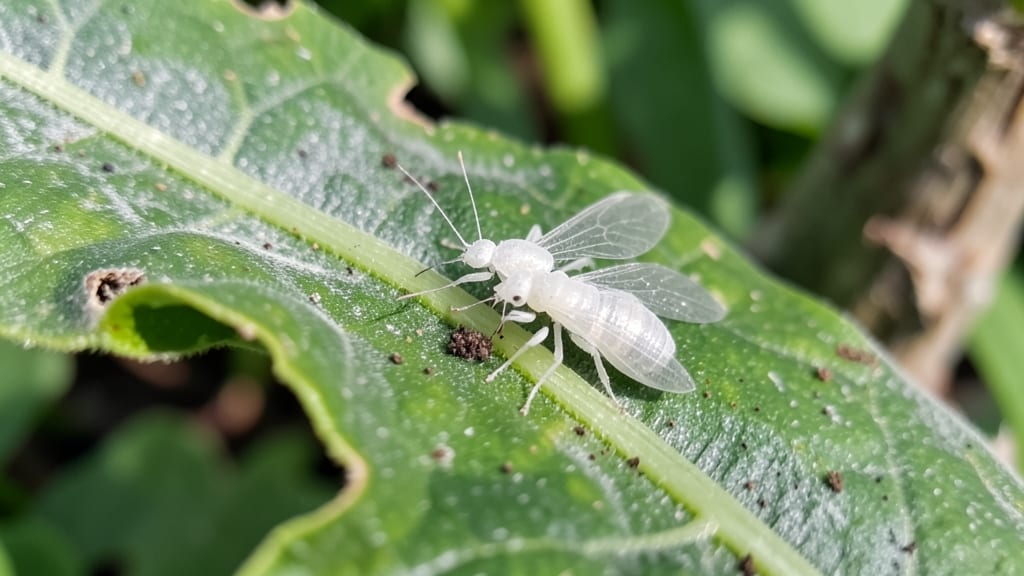
White bugs on pumpkin plants mean your harvest is under attack—aphids, whiteflies, or squash bugs can turn lush vines into skeleton leaves if you don’t act fast.
I’ve seen these pests strip a pumpkin patch in just a few days, but the right spray can stop them in their tracks within 24 hours. The key is acting before they spread to every leaf, because once they do, you’re fighting a losing battle with weak, stunted plants.
Most gardeners reach for chemical sprays first, but I’ve had better luck with a foolproof mix of neem oil, insecticidal soap, and a little dish soap—it disrupts their life cycle without harming bees or beneficial insects.
You’ll need a spray bottle, a sunny day, and 10 minutes to mix it up. The solution works because it smothers the bugs on contact while also breaking their feeding cycle, so new eggs don’t hatch.
After spraying, you’ll notice the white bugs dropping off within hours, and new growth will look shockingly lush by morning. The plants bounce back faster than you’d expect, and the vines keep producing flowers and fruit like nothing happened.
Just repeat every 3-4 days until the bugs are completely gone—usually about a week of consistent treatment.
For long-term protection, I plant nasturtiums and marigolds around my pumpkins—they repel pests naturally and add color to the garden. If you’re dealing with squash bugs, which are tougher, you’ll need to handpick the adults and crush their eggs (they look like tiny white specks under leaves).
Prevention is easier than cleanup, so start spraying at the first sign of trouble.
Root Causes Of Tiny White Invaders
If you’ve spotted white bugs on your pumpkin plants, don’t panic—these pests are usually harmless but can still stress your plants if left unchecked. Understanding why they appear is the first step to regaining control.
Below, we break down the most common triggers, from environmental factors to plant health, so you can address the issue at its source.
Pumpkin plants thrive when they have space to breathe, but when they’re too close together, they compete for nutrients, water, and sunlight. This stress weakens their natural defenses, making them more attractive to pests like aphids, mealybugs, or whiteflies.
Overcrowding also creates humid microclimates—the perfect breeding ground for soft-bodied insects.
Why it happens:
- Competition for resources: Roots struggle to absorb enough water and nutrients, leading to stunted growth and a weakened immune response.
- Poor airflow: Dense foliage traps moisture, creating damp conditions that pests love.
- Nutrient deficiency: Overcrowded plants may develop yellowing leaves (chlorosis), signaling stress that attracts insects.
Actionable fix: Thin out seedlings early, ensuring each pumpkin vine has at least 3–4 feet of space to sprawl. If your plants are already crowded, prune excess leaves to improve airflow.
White bugs, especially aphids and whiteflies, flock to pumpkin plants during warm, humid weather. These conditions speed up their reproduction cycles, turning a few stray bugs into a full-blown infestation in days. High temperatures also weaken plant resilience, making them easier targets.
Why it happens:
- Rapid pest reproduction: Whiteflies, for example, can lay hundreds of eggs in a week when temps exceed 80°F (27°C).
- Sticky honeydew buildup: Aphids excrete a sugary substance called honeydew, which attracts ants and fosters sooty mold—a fungal growth that further stresses plants.
- Dormant predators disrupted: Beneficial insects like ladybugs and lacewings may avoid overly humid areas, leaving your plants vulnerable.
Actionable fix:
- Use shade cloth (30–50%) to protect plants during peak heat.
- Water early in the morning to reduce evening humidity around foliage.
- Install yellow sticky traps to catch adult whiteflies before they lay eggs.
A healthy pumpkin plant can repel many pests naturally, but when it’s malnourished or diseased, it becomes an all-you-can-eat buffet. Common issues like nitrogen deficiency, powdery mildew, or root rot make plants more susceptible to white bug infestations.
Why it happens:
| Symptom | How It Attracts Pests |
|---|---|
| Yellowing leaves (chlorosis) | Signals nitrogen deficiency; pests target weakened tissue for easy feeding. |
| White powdery spots (mildew) | Fungal infections create a sugary film that aphids and mealybugs adore. |
| Wilting or stunted growth | Root issues (like rot) reduce sap flow, making plants less toxic to pests. |
Actionable fix:
- Test soil pH (6.0–7.0 is ideal for pumpkins) and amend with compost or balanced fertilizer (10-10-10).
- Rotate crops annually to prevent soil-borne diseases.
- Apply neem oil (1 tsp per gallon of water) as a preventive spray to boost plant immunity.
Pumpkin plants rely on natural predators like ladybugs, lacewings, and parasitic wasps to keep white bug populations in check. But if these helpers are missing—due to pesticide use, habitat loss, or lack of diversity in your garden—pests multiply unchecked.
Why it happens:
- Broad-spectrum pesticides: Chemicals like malathion kill both pests and their predators, creating a vacuum that pests rush to fill.
- Monoculture gardening: Planting only pumpkins (or similar crops) removes the variety that attracts beneficial insects.
- Lack of nectar sources: Predatory insects need food too! Without flowers like marigolds or dill nearby, they may skip your garden.
Actionable fix:
- Plant companion flowers (e.g., alyssum, cosmos) near pumpkins to feed beneficial insects.
- Avoid synthetic pesticides; opt for soapy water sprays or kaolin clay instead.
- Install bug hotels or leave patches of wildflowers to support predator populations.
Pro Tip: 💡 Most white bug infestations start small—act fast! Check the undersides of leaves daily, especially in warm, sheltered areas like near the stem or under vines.
Quick Fixes for Pumpkin Plant Pests
White bugs on your pumpkin plants—whether they’re aphids, mealybugs, or whiteflies—can be frustrating, but the good news is you don’t need harsh chemicals to tackle them. With the right approach, you can restore your plants to health in 24 hours or less using natural, garden-safe solutions.
Below, we break down the most effective fixes based on the type of pest and severity of the infestation.
Before treating, confirm what you’re dealing with:
- Aphids: Tiny, soft-bodied, often clustered on new growth or undersides of leaves.
- Mealybugs: Cottony white patches, usually on stems or leaf axils.
- Whiteflies: Small, moth-like insects that flutter when disturbed, often on leaf undersides.
Once you’ve identified the culprit, pick the best solution below.
1. Soap Spray (Best for Aphids & Mealybugs)
A simple, non-toxic spray made from mild soap and water can smother soft-bodied pests like aphids and mealybugs.
How to Make It:
- Mix 1 tablespoon of mild liquid soap (like Castile or dish soap) with 1 quart of water.
- Add 1 teaspoon of vegetable oil (optional, helps break down pests’ protective coating).
- Stir gently and pour into a spray bottle.
How to Apply: 👨🍳 Step 1: Spray directly on the pests (especially undersides of leaves) until thoroughly wet. 🥘 Step 2: Reapply every 2–3 days until the infestation clears (usually 3–5 days). ⏰ Step 3: Wait 4–6 hours before watering again to avoid washing off the soap.
✨ Pro Tip: Test the spray on a small leaf first to ensure it doesn’t cause damage.
2. Neem Oil Solution (Best for All White Pests)
Neem oil is a powerful, natural insecticide that disrupts pests’ life cycles while being safe for plants (and humans/pets when used correctly).
How to Make It:
- Mix 1 tablespoon of neem oil with 1 teaspoon of mild soap (as an emulsifier).
- Add to 1 quart of water and shake well.
How to Apply: 🔥 Step 1: Spray evenly on all plant surfaces, including stems and leaf undersides. 🍖 Step 2: Apply in the evening to avoid harming beneficial insects (like bees). 🌡️ Step 3: Reapply every 5–7 days for severe infestations.
⚠️ Warning: Neem oil can harm beneficial insects like ladybugs, so use sparingly and avoid spraying flowers when bees are active.
3. Homemade Garlic Spray (Best for Whiteflies & Aphids)
Garlic contains natural compounds that repel and kill soft-bodied pests while being completely safe for edible plants.
How to Make It:
- Blend 4–5 garlic cloves with 1 quart of water.
- Strain through a fine mesh sieve or cheesecloth.
- Add 1 teaspoon of vegetable oil and 1 teaspoon of mild soap.
How to Apply: 🔪 Step 1: Spray directly on pests and surrounding foliage. 🥘 Step 2: Reapply every 3–4 days until pests disappear. 💡 Pro Tip: For extra potency, add 1 tablespoon of cayenne pepper to the mix.
If the problem is localized, you can physically remove pests without chemicals.
1. Blasting Off Pests with Water
- Use a strong stream of water from a hose to knock pests off leaves.
- Works best for aphids and mealybugs on larger leaves.
- Repeat every 2–3 days until no more pests are visible.
2. Pruning Infested Leaves
- Cut off heavily infested leaves and dispose of them in a sealed bag (not compost).
- Focus on new growth and undersides where pests hide.
- Helps reduce the population quickly while allowing the plant to recover.
Once your pumpkin plants are pest-free, keep them that way with these easy prevention strategies:
1. Encourage Beneficial Insects
- Plant marigolds, basil, or dill nearby to attract ladybugs, lacewings, and parasitic wasps, which eat white pests.
- Avoid broad-spectrum pesticides that kill helpful bugs.
2. Maintain Plant Health
- Healthy plants resist pests better! Ensure your pumpkins get:
- Full sun (6–8 hours/day)
- Well-draining soil (rich in compost)
- Regular watering (keep soil moist but not soggy)
3. Use Row Covers Early
- If you notice pests early in the season, use floating row covers to block whiteflies and aphids before they infest.
4. Rotate Natural Sprays
- Alternate between soap spray, neem oil, and garlic spray to prevent pests from building resistance.
5. Clean Up Debris
- Remove fallen leaves and plant debris where pests hide over winter.
If your pumpkin plants are severely infested (e.g., leaves are curled, sticky residue everywhere, or pests keep returning), consider:
- Introducing beneficial nematodes (microscopic worms that eat pests in the soil).
- Using insecticidal soap or horticultural oil (stronger than homemade versions).
- Consulting a local gardening expert for targeted organic solutions.
With these fast-acting, natural methods, your pumpkin plants should be pest-free in no time—and you’ll avoid harsh chemicals that could harm your harvest. Happy gardening! 🎯🌱
Frequently asked questions
Are white bugs on pumpkin plants harmful to my harvest?
Yes, if left untreated, these pests can severely damage your pumpkins. Aphids and whiteflies drain plant sap, causing stunted growth and yellowing leaves, while squash bugs lay eggs that hatch into voracious feeders. Early intervention with natural sprays (like neem oil) prevents yield loss and keeps vines productive.
How do I tell if white bugs are aphids vs. whiteflies?
Aphids are tiny, soft-bodied insects clustered on new growth, while whiteflies are small moth-like bugs that flutter when disturbed. Check leaf undersides—aphids leave sticky honeydew, whereas whiteflies create a cloud of tiny white insects when leaves are shaken.
Will homemade sprays actually kill white bugs in 24 hours?
For light infestations, yes! A mix of 1 tablespoon dish soap + 1 quart water + 1 tsp vegetable oil smothers soft-bodied pests like aphids within hours. For stubborn cases, repeat every 2-3 days or add neem oil for faster results.
Can I use store-bought insecticides safely on pumpkin plants?
Only if labeled for edible crops and used according to instructions. Organic options like pyrethrin-based sprays work fast but may harm beneficial insects. For chemical-free results, stick to neem oil or insecticidal soap first.
Why do white bugs keep coming back after treatment?
Pests often return due to untreated eggs or new infestations from nearby plants. Reapply sprays every 5-7 days, check leaf undersides daily, and remove heavily infested foliage to break their life cycle.