
Pests
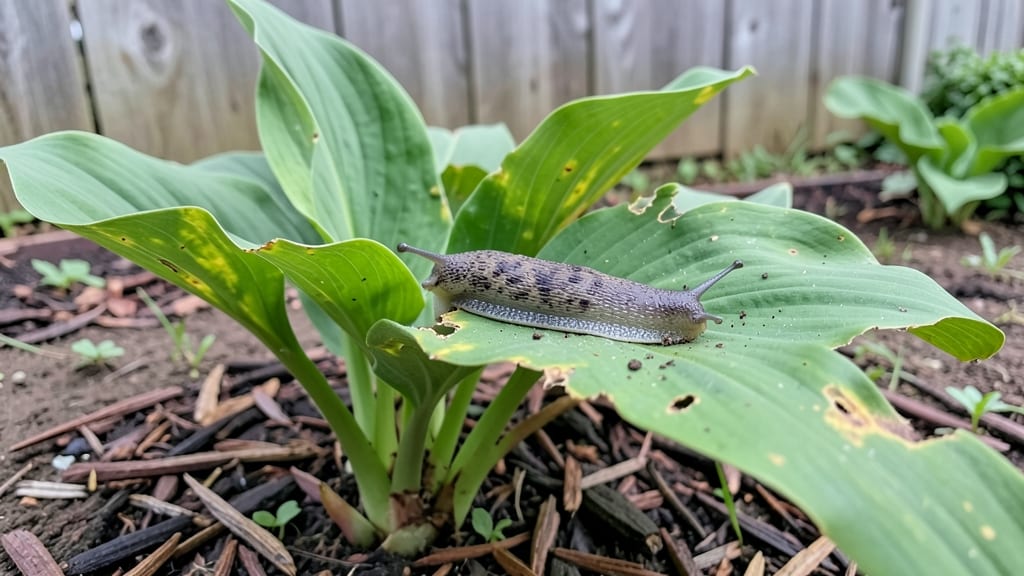
What eats hosta plants might surprise you—deer, slugs, snails, and even certain beetles turn them into their personal salad bar. 🌱 I’ve lost entire clumps to ravenous rabbits in my own yard, and the damage looks like Swiss cheese overnight.
The good news? Most of these pests leave telltale signs, so you can catch them early before your hostas become a buffet.
Slugs and snails are the sneakiest culprits—they slime their way across leaves at night, leaving behind shiny trails and ragged edges. Deer and rabbits, on the other hand, go for the whole plant, often stripping it down to the stem in a single night.
Even insects like the hosta borer or Japanese beetle can turn lush foliage into skeleton leaves if left unchecked. The key is spotting the damage and the pests themselves before they take over.
You’ll learn how to set up barriers, use organic repellents, and even handpick slugs without squishing them (yes, it works). With the right mix of prevention and quick action, your hostas can bounce back stronger than ever. Let’s turn those chewed-up leaves into a lesson for next season.
Works for backyard gardens, containers, or shady borders—wherever your hostas call home. The same tricks apply whether you’re dealing with a single slug or a herd of hungry deer. Ready to reclaim your plants?
Natural Predators Targeting Hostas
Hosta plants, with their lush foliage and striking textures, are a garden designer’s dream—but they’re also a buffet for hungry critters in the wild. Understanding why these pests zero in on hostas helps you protect your prized plants before they become a snack.
Let’s break down the science behind their appetite for your greenery.
Hostas emit volatile organic compounds (VOCs)—natural chemical signals that act like a dinner bell for herbivores. These compounds, released through the leaves, contain sulfur-containing amino acids (like cysteine and methionine), which many insects find irresistible. For example:
- Slugs and snails are drawn to the high moisture content and soft texture of hosta leaves, but they’re also attracted to the plant’s mucilage—a slimy substance that makes digestion easier.
- Japanese beetles and deer are particularly sensitive to hostas’ alkaloid content, which, while toxic to some pests, can actually stimulate feeding in others by triggering a mild "numbing" effect on their mouthparts.
- Rabbits and voles target hostas because their low fiber, high water content makes them an easy, hydrating meal—especially in dry conditions.
Pro Tip: 💡 Mulching with aromatic herbs like thyme or rosemary can mask hostas’ VOCs, making your garden less appealing to pests. Think of it as a natural "air freshener" for your plants!
Unlike some tougher perennials, hostas have evolved with moderate defenses—not enough to deter most garden pests. Here’s why they’re vulnerable:
| Defense Mechanism | Why It Fails Against Pests | Common Offenders |
|---|---|---|
| Bitterness (from saponins) | While saponins can deter some insects, Japanese beetles and slugs have adapted to tolerate or even prefer bitter-tasting plants. | Japanese beetles, slugs |
| Thick, waxy leaves | Great for repelling rain, but deer and rabbits can still strip leaves easily with their sharp teeth, and aphids pierce the surface to feed on sap. | Deer, rabbits, aphids |
| Slow regrowth | Hostas recover slowly from damage. If pests eat more than 30% of the foliage, the plant struggles to photosynthesize enough to bounce back. | All herbivores (especially voles, slugs) |
Key Insight: Hostas rely on camouflage (their broad leaves blend into shady garden beds) rather than chemical warfare. Unfortunately, this strategy doesn’t fool pests with keen appetites!
Pests don’t attack hostas year-round—they strike when the plant is most nutritious or vulnerable. Here’s the timeline of their feast:
- 🌱 Early Spring (March–April):
New growth is tender and protein-rich, making it a magnet for slugs, snails, and cutworms. The soil is also softer, giving voles easy access to roots.
- ☀️ Late Spring–Summer (May–July):
Peak foliage means Japanese beetles and aphids feast on sap, while deer browse for mature leaves. Heat stress weakens hostas, making them easier targets.
- 🍂 Fall (September–October):
As hostas store energy in their roots, rabbits and squirrels go after the bulbs. Slugs also become more active in damp conditions.
- ❄️ Winter (November–February):
Dormant hostas may seem safe, but mice and voles chew through roots and crowns for winter sustenance.
Actionable Tip: 🌡️ Monitor your hostas during temperature shifts (e.g., after rain in spring or early frosts in fall)—these are prime times for pest outbreaks.
Now that you know why hostas end up on the menu, the next step is learning how to outsmart these pests before they turn your garden into a salad bar. Stay tuned!
Stopping Hosta Munchers Fast
Discovering your hosta leaves chewed to shreds can feel like a garden crime scene—but don’t panic! With the right strategies, you can protect your hostas and reclaim your lush foliage.
Below, we break down solutions by the most common culprits, from quick fixes to long-term prevention. Let’s turn the tables on these leaf-loving pests!
If deer or rabbits are the culprits, these herbivores need a physical or sensory barrier to keep them away.
🔥 Install a Sturdy Fence
- Height matters: Deer can jump over 6-foot fences, while rabbits typically can’t clear 2–3 feet.
- Material choice: Use hardware cloth (not chicken wire—rabbits can squeeze through!) or woven wire.
- Pro tip: Bury the fence at least 12 inches deep to block burrowing rabbits. 🌡️
🍳 Natural Repellents
- Spray-on deterrents: Mix 1 part hot pepper sauce + 1 part dish soap + 1 gallon of water. Reapply after rain.
- Plant companions: Interplant hostas with alliums, lavender, or marigolds—their strong scents confuse browsers.
👨🍳 Motion-Activated Scare Tactics
- Solar-powered sprinklers or ultra-sonic devices startle deer and rabbits without harm.
- Reflective tape or old CDs hung in garden areas create flashes that deter foraging.
These slimy pests leave glossy trails and ragged holes—here’s how to evict them for good.
🔪 Beer Traps (Yes, Really!)
- Bury a shallow container (like a plastic lid) filled with beer or yeasty liquid near hosta clusters. Slugs crawl in and drown.
- Refresh every 2–3 days for maximum effectiveness. 🍺
🥘 Copper Barriers
- Wrap copper tape or wire around hosta pots or garden beds. The slight electric charge repels slugs.
- Budget hack: Use copper pennies (pre-1982) scattered around plants—they work too!
🌡️ Daytime Hunting
- Slugs hide under boards or dense mulch during the day. Flip them into soapy water or relocate them far from your garden.
Tiny but mighty, these larvae can skeletonize hosta leaves overnight. Act fast!
⏰ Handpick & Drop
- Best time: Early morning when caterpillars are sluggish. Drop them into soapy water or a sealed jar of vinegar.
- For grubs: Dig up infested soil, sift through it, and dispose of larvae.
💡 Organic Sprays
- Neem oil: Mix 2 tsp neem oil + 1 tsp mild soap + 1 quart water. Spray leaves evenly (avoid flowering plants).
- Bacillus thuringiensis (Bt): A natural bacteria that targets caterpillars. Safe for pets and people!
🎯 Prevent Future Infestations
- Remove debris (like fallen leaves) where caterpillars pupate.
- Encourage predators: Ladybugs, birds, and parasitic wasps love munching on caterpillars.
These shiny invaders devour leaves in minutes. Outsmart them with these steps.
🔥 Handpick Daily
- Drop beetles into soapy water during peak feeding hours (early morning or late afternoon).
- Pro move: Use a shop vacuum for large infestations—it’s faster than squishing!
🍳 Pheromone Traps (Use Caution!)
- Place traps far from your hostas—they can attract more beetles than they trap.
- Alternative: Use milky spore powder (organic and long-lasting) to reduce grubs in the soil.
🌿 Plant Sacrifices
- Grow marigolds, cosmos, or roses nearby—they lure beetles away from hostas.
Stop pests before they start with these proactive habits:
- 💡 Mulch wisely: Use gravel or coarse wood chips (not fine mulch) to deter slugs and hide grubs.
- 🌱 Rotate plants: Avoid planting hostas in the same spot yearly—this disrupts pest life cycles.
- ✨ Garden hygiene: Clean up fallen leaves and debris weekly to remove hiding spots.
- 🎯 Companion planting: Surround hostas with garlic, thyme, or ferns to confuse pests.
With these solutions, your hostas will thrive instead of becoming a buffet. Try one method at a time, observe what works best for your garden, and soon you’ll be the hero of your green sanctuary! 🌿💪
Frequently asked questions about hosta plant predators
What are the most common animals that eat hosta plants?
The top culprits are deer, rabbits, slugs, snails, and Japanese beetles. Deer and rabbits go for entire plants, while slugs leave shiny trails and ragged edges. Japanese beetles skeletonize leaves by eating only the soft tissue between veins.
How can I tell if deer or rabbits are eating my hostas?
Look for cleanly clipped leaves at the edges of your garden—deer and rabbits have sharp teeth that leave smooth cuts. You’ll often see droppings nearby and may spot their tracks in mud or damp soil. Check for browsing patterns along property lines where they access your yard.
Are there any natural ways to protect hostas from slugs?
Yes! Try copper tape barriers around pots or garden beds, or set up beer traps (bury shallow containers filled with beer near plants). For organic control, sprinkle diatomaceous earth or crushed eggshells around hostas—both create abrasive barriers that dehydrate slugs. Check traps daily and empty them.
Will hostas grow back after heavy damage?
Hostas are surprisingly resilient! If less than 30% of foliage is eaten, they’ll regrow from the crown. For severe damage, trim remaining leaves to 6 inches tall and water deeply. Avoid fertilizing until new growth appears. Most varieties recover fully by mid-summer if the roots are intact.
Can I use chemical pesticides on hostas?
Use chemicals only as a last resort. For deer/rabbits, granular repellents (like Deer Out) work temporarily. Against Japanese beetles, pyrethrin-based sprays are effective but must be reapplied after rain. Always follow label instructions and avoid spraying when bees are active. Organic methods are safer for long-term garden health.