
Lawn
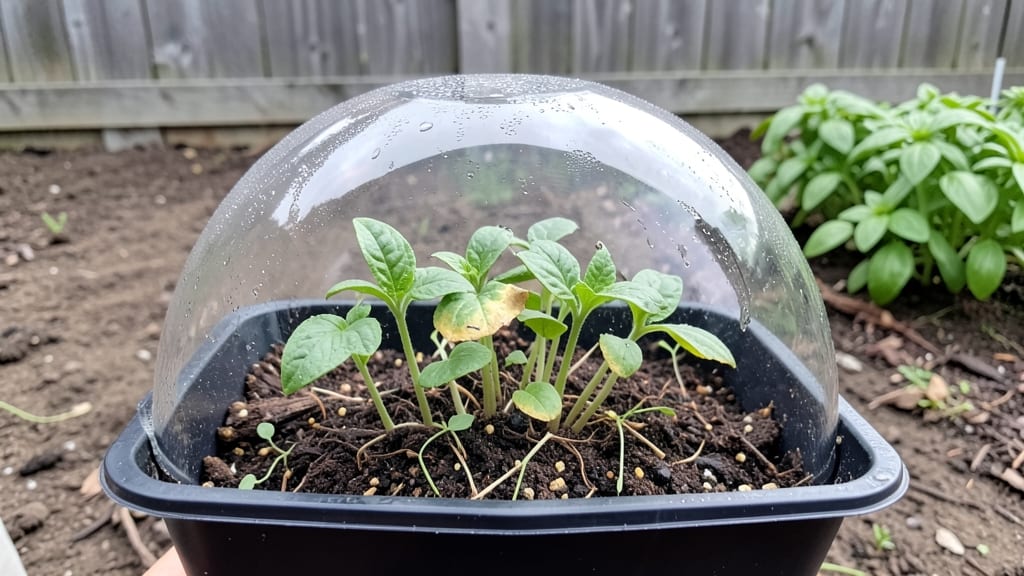
Weather for seed planting depends on frost dates, soil temperature, and seasonal patterns—cool-season crops like lettuce thrive in 40–50°F soil, while warm-season plants such as tomatoes need 60–80°F. Use local frost charts and a soil thermometer to time planting for optimal germination and growth.
Timing your seeds right isn't just about the calendar—it's about matching nature's rhythm.
Soil temperature is the real game-changer: too cold, and seeds stay dormant; too hot, and they may fail to sprout altogether. 🌱 For instance, beans and peas prefer 50–60°F soil, while melons and squash need 70–90°F to germinate properly.
I always check my soil thermometer before planting to avoid costly mistakes, especially in unpredictable spring weather.
Don't overlook local frost patterns either. A late frost can wipe out tender seedlings overnight, so I rely on USDA frost maps and my local extension office for precise timing. Coastal areas often have milder microclimates than inland regions, meaning you might plant 2–4 weeks earlier without risk.
Pro tip: Start seeds indoors if your zone's last frost date falls after your preferred planting window—it buys you critical growing time.
💡 In This Article
- How Soil Temperature Affects Seed Germination
- Regional Seed Planting Calendars by Climate Zone
How soil temperature affects seed germination
Seeds rely on a delicate balance of warmth and moisture to break dormancy and begin growing. The science starts with enzymes inside the seed that activate at specific temperature thresholds. For most seeds, germination begins when soil reaches the minimum viable temperature—typically 40°F for cool-season crops like spinach.
Below this point, metabolic processes slow to a crawl, leaving seeds in a state of suspended animation. 🌱 At the other extreme, temperatures above 90°F can denature these enzymes, effectively "cooking" the seed and preventing sprouting.
Each plant species has its own ideal range: peas and lettuce thrive in 50–60°F soil, while cucumbers and beans need 70–85°F to germinate reliably. The difference comes down to evolutionary adaptations—cool-season plants developed to handle early spring conditions, whereas warm-season varieties originate from tropical regions where higher temperatures trigger growth.
Moisture plays a critical role too; dry soil can cause seeds to overheat even at moderate air temperatures, while saturated conditions may lead to rot before germination begins.
What most gardeners don't realize is how quickly soil temperatures change with weather shifts. A sunny afternoon can raise ground temperatures 10–15°F higher than shaded areas, creating microclimates even within your garden. 🌡️ For example, black plastic mulch can raise soil temps by 5–10°F compared to bare earth.
This is why I always test multiple spots in my garden—what works for tomatoes in full sun might be too hot for peppers just a few feet away.
Extreme heat becomes particularly problematic when seeds absorb too much moisture and begin germinating only to be "cooked" by high temperatures. This is why many gardeners use shade cloth or plant in late afternoon when soil temps naturally drop.
The opposite challenge occurs in cold soils: seeds may absorb water but fail to metabolize it, leading to rotting before sprouting. This is why seed packets often recommend planting at specific soil depths—deeper planting insulates seeds from temperature swings near the surface.
Consider how moisture interacts with temperature: at 45°F, a seed might absorb water but remain dormant until reaching 55°F. This explains why some gardeners use heat mats for early spring planting—they create the ideal 60–70°F zone needed to kickstart germination in cool climates.
The key takeaway is that soil temperature isn't just about warmth—it's about creating the precise conditions where seeds can both absorb moisture and activate their growth enzymes simultaneously. 💫
For practical application, I recommend testing soil temperatures at 4-inch depth (where most seeds are planted) using a reliable thermometer. Morning readings are most accurate since afternoon sun can skew results.
Remember that air temperature can be 10–15°F cooler than soil temperature at this depth—never judge by the weather forecast alone!