Watering
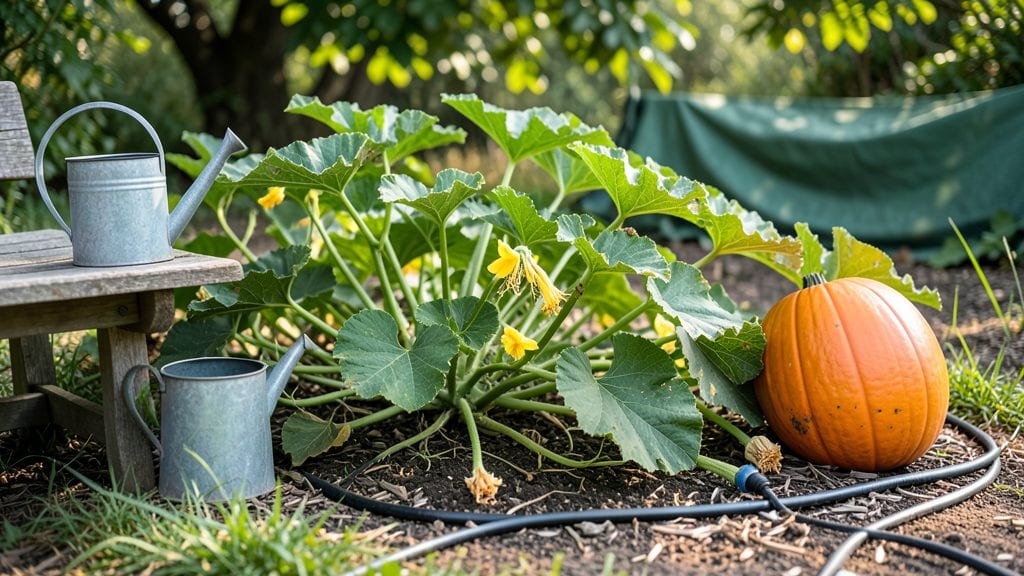
Watering pumpkin plants properly is the secret to turning those sprawling vines into a bountiful harvest of sweet, ripe 🎃—but get it wrong, and you’ll end up with sad, wilted leaves or cracked fruit.
Pumpkins thrive when watered correctly—but overdoing or underdoing it can mean the difference between a lush harvest and wilted vines. Mastering the right watering frequency ensures strong growth, vibrant blooms, and healthy fruit development.
Here’s the deal: these plants drink deeply but hate soggy roots. Too little water, and they’ll bolt before fruiting. Too much, and you risk rot or mildew. I’ll break down the exact schedule—from seedlings to harvest—plus how to spot trouble before it’s too late.
Whether you’re in Zone 6a or battling summer heat, you’ll learn when to water, how much to give, and the best tricks (like mulch or drip irrigation) to keep your pumpkins thriving all season.
How often to water pumpkin plants for optimal growth and blooms
Pumpkins are thirsty plants that need consistent moisture to produce those iconic orange fruits we all love. But watering too much or too little can spell disaster—wilted vines or blossom end rot are common pitfalls.
The key is understanding how your pumpkin plants change their water needs as they grow, from tiny seedlings to sprawling vines heavy with fruit.
Your watering schedule should adapt to the plant's stage, weather conditions, and soil type. Sandy soil drains quickly, while clay holds moisture longer. Heatwaves demand more frequent watering, while cool, cloudy days let you ease up.
Let’s break down the perfect watering routine for each phase of your pumpkin's life cycle, so you can avoid overwatering or underwatering mistakes that waste your efforts.
📌 PRO TIP: Always water at the base of the plant, not the leaves, to prevent fungal diseases like powdery mildew. Early morning is the best time to water—it gives foliage time to dry before evening humidity sets in.
| Plant Stage | Watering Frequency | Depth | Key Notes |
|---|---|---|---|
| Seedlings (First 2 Weeks) | Every 2-3 days | 1-2 inches | Keep soil consistently moist but not soggy. Use a spray bottle for delicate sprouts. |
| Vine Establishment (Weeks 3-6) | Every 3-4 days | 3-4 inches | Increase depth as roots grow. Mulch heavily to retain moisture. |
| Flowering (Weeks 6-8) | Every 2-3 days | 4-6 inches | Critical for fruit set. Water deeply to support heavy blooms. |
| Fruiting (Weeks 8-12) | Every 2-4 days | 6-8 inches | Prioritize consistent moisture—skip watering leads to cracked pumpkins. |
| Harvest Season (Weeks 12+) | Every 5-7 days | 4-6 inches | Reduce frequency as vines die back. Let soil dry slightly between waterings. |
💧 Adjust for heat: Increase frequency by 1-2 days during 90°F+ temperatures.
When your pumpkin seedlings first emerge, they’re delicate and need gentle care. Water lightly every 2-3 days, ensuring the top 1-2 inches of soil stay moist. Overwatering at this stage can drown tender roots, while underwatering stunts growth.
Use a fine mist or watering can with a rose attachment to avoid disturbing the soil.
As your vines establish (weeks 3-6), they’ll start spreading rapidly. Deep watering becomes crucial—aim for 3-4 inches of moisture every 3-4 days.
This encourages strong root development and prepares the plant for the energy demands of flowering. Mulch with straw or shredded leaves to lock in moisture and suppress weeds, which compete for water.
During the flowering stage (weeks 6-8), your pumpkins are working hard to set fruit. This is when they need the most water—every 2-3 days with 4-6 inches of penetration.
Skipping watering here can cause blossoms to drop before they pollinate. If you notice wilting, act fast—pumpkins recover quickly from temporary stress but struggle with prolonged dryness.
Once fruit begins forming, maintain deep watering every 2-4 days. The weight of developing pumpkins pulls moisture from the soil, so consistent hydration is key.
Uneven watering can lead to cracked rinds or misshapen fruits. If your garden experiences a heatwave, increase frequency to daily shallow watering to keep the soil cool.
As harvest approaches (weeks 12+), you can taper off slightly. Reduce watering to every 5-7 days and let the top 2 inches of soil dry out between sessions.
This helps the vines mature and the pumpkins develop their signature hard rinds. Overwatering at this stage can delay ripening or cause rot.
Soil type plays a huge role in your watering routine. Sandy soil drains quickly, so you may need to water daily during hot spells, while clay soil holds moisture longer and might only need watering every 5 days.
Always check moisture by sticking your finger 2 inches deep—if it’s dry, it’s time to water.
Rainfall can complicate things, especially in humid climates. If you’ve had 1 inch of rain, skip your next scheduled watering. But if the forecast predicts dry conditions, stick to your routine. A rain gauge helps track cumulative rainfall so you don’t overcompensate.
One of the biggest mistakes gardeners make is water
Signs your pumpkin plants need more or less water (and how to fix it)
Pumpkin plants are thirsty but delicate—too much or too little water can spell disaster for your vines and fruit. Learning to read your plants' signals helps you adjust before damage sets in. Start by checking the soil moisture and leaf texture daily, especially during hot or dry spells.
Young seedlings need consistent moisture to avoid stunted growth, while mature vines with large fruits require deep watering to prevent cracking. The key is balancing frequency with soil drainage—pumpkins hate soggy roots but also suffer from drought stress.
Pay attention to the color and turgidity of leaves for early warnings.
⚠️ Overwatering vs. Underwatering: Critical Differences
Overwatering causes yellowing leaves, mushy stems, and fungal growth (like powdery mildew). Underwatering leads to crispy edges, drooping vines, and blossom end rot in fruits.
Test soil moisture by sticking your finger 2 inches deep—if it feels dry, water deeply. If it's soggy, wait 2-3 days before watering again.
Check for leaf discoloration first—yellow leaves with green veins often signal overwatering, while brown, crispy edges mean your plants are thirsty. Wilting in the afternoon (when plants should be perky) is a classic sign of underwatering, but soft, mushy stems mean you're drowning your roots.
For underwatered pumpkins, water deeply at the base of the plant—aim for 1-2 inches of water per session. Use a soaker hose or drip irrigation to avoid wetting leaves, which reduces fungal risks. Mulch around the base to retain moisture and keep roots cool.
If you've overwatered, stop immediately and let the top 2-3 inches of soil dry out before watering again. Improve drainage by amending the soil with compost or sand, and consider raising beds for better airflow. Prune any affected leaves to redirect energy to healthy growth.
During fruit development, maintain consistent moisture—sudden changes can cause cracked pumpkins. Water in the early morning to prevent evening dampness, which invites pests and diseases. Adjust your schedule based on weather forecasts—heatwaves demand more water, while rainy periods may require pauses.
By tuning into these visual cues and soil signals, you'll keep your pumpkin plants happy and productive all season long. A little attention to their water needs goes a long way toward a bountiful harvest! 🎃