Watering
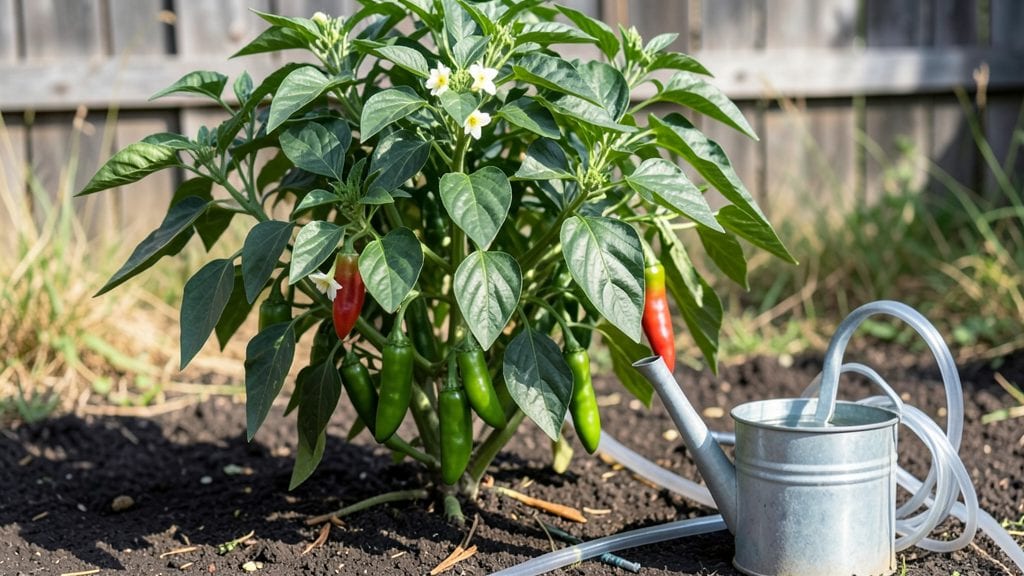
When jalapeno plants wilt, it’s not always a death sentence—just a cry for the right amount of water. 🌱 I’ve nursed back more than a few drooping peppers by adjusting my watering routine, and the key is simpler than you’d think.
Most gardeners either drown their plants or let them dry out completely, both of which stress the peppers and stunt growth.
The trick starts with checking soil moisture before you water. Stick your finger about an inch deep—if it feels dry, it’s time to water. For in-ground plants, aim for 1-1.5 inches per week, while container plants need watering every 2-3 days in hot weather.
Overwatering is the real villain here, causing yellow leaves and root rot that can kill your plants faster than drought.
Within 24 hours of fixing your watering routine, you’ll see those wilted leaves perk up and new growth emerge. The plants will start putting energy into fruit instead of struggling to survive, and you’ll avoid the bitter disappointment of blighted harvests.
The secret isn’t complicated—just consistent, thoughtful watering that matches your peppers’ needs at every stage.
This method works whether you’re growing in raised beds, containers, or straight in the ground. The only variables are your climate and soil type—sandy soil drains fast, while clay holds moisture longer. Adjust accordingly, and your jalapenos will reward you with spicy, thriving plants all season long.
📚 In This Guide
- What you need
- Instructions
- Tips and common mistakes
- Wrapping up and next steps
What you need
- ● Jalapeño plants: 1–5 plants (depending on your garden space). Choose healthy seedlings or mature plants with some signs of stress (like drooping leaves).
- ● Well-draining potting mix: 5–10 gallons, depending on container size. Look for a blend labeled for vegetables or peppers (e.g., Miracle-Gro Potting Mix or FoxFarm Ocean Forest).
- ● Containers or garden bed: Containers: 5–15 gallon pots (1 plant per 5-gallon container minimum). Ensure pots have drainage holes.
- ● Garden bed: Raised bed or in-ground plot with loose, fertile soil (amend with compost if needed).
- ● Watering can or hose with a gentle spray nozzle: For precise hydration—avoid overhead watering to prevent fungal issues.
- ○ pH testing kit (optional but helpful): To check soil pH (ideal range: 6.0–7.0 for jalapeños).
- ● Pruning shears: Sterilized (rubbing alcohol wipe) for trimming only severely damaged leaves.
- ● Fertilizer: Balanced liquid fertilizer (e.g., 10-10-10 or 5-5-5) for immediate recovery.
- ○ Compost or worm castings (optional): Mix 1–2 cups into soil for long-term nutrients.
- ○ Mulch (optional): Straw or shredded leaves to retain moisture and regulate soil temperature.
- ● 🌡️ Monitor soil moisture: Stick your finger 1–2 inches into the soil—water when it’s dry but not bone-dry.
- ● ✨ Morning watering: Water early in the day to reduce evaporation and fungal risks.
- ● 🔥 Avoid soggy soil: Jalapeños hate "wet feet"—ensure excess water drains within 30 minutes.
Step-by-Step guide to reviving wilted jalapeno plants
Here’s how to diagnose and fix wilted jalapenos fast—no guesswork, just action.
💧 Step 1: Check Soil Moisture Before Watering
Stick your finger 1-2 inches deep into the soil. If it feels dry, that’s your cue to water. If it’s still damp, hold off—overwatering causes root rot and worsens wilting. Jalapenos need consistent moisture, not soggy soil. I dig around the base with my finger to check deeper layers too, since surface moisture can be misleading.
If the soil smells sour or looks gray, you’ve got root rot. In that case, skip watering and focus on improving drainage first. Healthy soil should smell earthy and feel crumbly when moist but not sticky.
☀️ Step 2: Water Deeply at the Right Time
Water jalapenos early morning so leaves dry quickly, preventing fungal issues. Use a slow watering method—like a drip hose or soaker hose—to deliver 1 inch of water per week (more in extreme heat). Pour water at the base of the plant, not the leaves, to avoid mildew.
Watch for puddles—if water pools, your soil drains poorly. Amend it with compost or perlite to help roots breathe. You’ll know you’re doing it right when the top 2 inches of soil stay moist but not waterlogged.
🌿 Step 3: Adjust Watering for Heat and Stress
During hot days (above 90°F), jalapenos may wilt even with proper watering—they’re just conserving moisture. Mulch around the base with 2-3 inches of organic mulch to lock in moisture and cool roots. I use straw or shredded leaves because they break down slowly and improve soil over time.
If wilting persists after watering, check for pests like aphids or spider mites on the undersides of leaves. These sap-suckers stress plants, making them droop. Spray with neem oil if you spot them—it’s gentle but effective.
⏰ Step 4: Monitor Recovery in 24 Hours
After watering and adjusting care, keep an eye on the plants. Healthy leaves should perk up within 6-12 hours, with full recovery by morning. If wilting worsens or yellowing appears, the issue might be overwatering or nutrient deficiency—time to test your soil or add balanced fertilizer.
Don’t panic if a few leaves stay limp—jalapenos are tough. Focus on consistent care, and you’ll see stronger growth in days. I’ve revived wilted plants this way even in scorching summers—just stay patient and observant.
Tips & tricks for reviving wilted jalapeno plants
Here's what I've learned from years of reviving wilted jalapenos—these tricks make all the difference between temporary fixes and lasting recovery.
Soil Test Technique: When checking soil moisture in Step 1, don't just test one spot—examine multiple areas around the plant base. I often find dry pockets in one corner while other areas stay damp. This uneven moisture is why jalapenos wilt even when you think you're watering enough.
Watering Timing Secret: The early morning watering in Step 2 isn't just about fungal prevention—it's about giving the plant time to absorb moisture before the heat of the day. If you must water later, do it by 10 AM at the latest. I've seen plants perk up within hours when given this morning watering window.
Heat Stress Recovery: When temperatures hit above 90°F as mentioned in Step 3, your jalapenos are essentially going into survival mode. The wilting you see is actually a moisture conservation strategy. That's why mulching with 2-3 inches of organic material becomes even more critical—it creates a cooler microclimate at the roots while locking in precious moisture.
Recovery Timeline: The 6-12 hour recovery window in Step 4 is a real game-changer. If you don't see improvement by morning, it's not a failure—it means you need to reassess. I've had plants that took 18 hours to fully perk up, especially after severe wilting. The key is consistency: keep monitoring and adjusting rather than giving up after one day.
Pro Tips for Water Jalapeno Plants
- Here's what I've learned from years of reviving wilted jalapenos—these tricks make all the difference between temporary fixes and lasting recovery.
- Soil Test Technique: When checking soil moisture in Step 1, don't just test one spot—examine multiple areas around the plant base.
- Watering Timing Secret: The early morning watering in Step 2 isn't just about fungal prevention—it's about giving the plant time to absorb moisture before the heat of the day.
Frequently asked questions
Got questions about keeping your jalapeño plants thriving with the right watering routine? Here are answers to the most common concerns—no stress, just solutions!
How often should I water my jalapeño plants?
Water jalapeños deeply 1–2 times per week, depending on soil dryness and climate. Let the top 1–2 inches of soil dry out between waterings to prevent root rot. Morning watering is best—it reduces evaporation and fungal risks. Mulch helps retain moisture!
Why are my jalapeño leaves wilting even after watering?
Wilted leaves often signal overwatering (yellowing leaves) or underwatering (crispy edges). Check soil moisture with your finger—if it’s soggy, let it dry. If roots are exposed or soil is bone-dry, water immediately and adjust your routine. Pro tip: Ensure pots have drainage holes!
Can I use tap water for my jalapeño plants?
Tap water is usually fine, but avoid chlorine-heavy or hard water (high in minerals). If your water is treated, let it sit out for 24 hours before using. For optimal growth, rainwater or filtered water is ideal—jalapeños are sensitive to salt buildup from hard water.
What if my jalapeños are in extreme heat—do I need to water more?
Yes! In 90°F+ temps, water 2–3 times per week and early in the morning to minimize evaporation. Monitor soil moisture closely—jalapeños may need daily shallow watering during heatwaves. Shade cloth can also help reduce stress.
Are there alternatives to watering jalapeños by hand?
Try a drip irrigation system for consistent moisture or a self-watering pot to automate care. For container gardens, hydrogel crystals mixed into soil retain water. Just avoid overhead sprinklers—they can spread disease!
Wrapping up and next steps
Growing thriving jalapeño plants is all about understanding their water needs—whether you're reviving wilted leaves or keeping them flourishing long-term. With the right balance of hydration, soil health, and attention to signs of stress, you’ll be harvesting spicy, vibrant peppers in no time! 🌱✨
Ready to take your jalapeño game to the next level? Experiment with mulching, adjust your watering schedule based on your climate, and monitor your plants closely. Every gardener’s journey starts with small steps—so grab your watering can and get growing! 💦🌶️