
Companion Plants
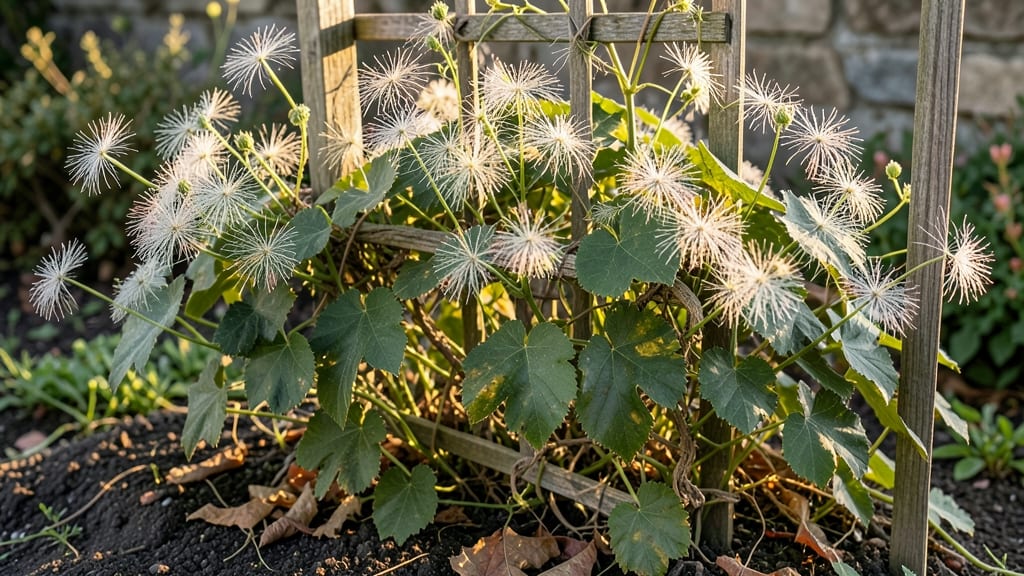
Mastering vine plants identification by their leaf shape and growth habit saves you from buying the wrong plant—or worse, letting something toxic creep into your yard. 🌿 I’ve wrestled with tangled vines that turned out to be poison ivy disguised as... a decorative climber, and trust me, the difference matters.
A few key traits—like lobed leaves, thorns, or how they cling—can tell you everything you need to know before you even see the flowers.
Start with leaf shape: smooth-edged ivy, serrated clematis, or deeply lobed grapevine leaves all give clues. Then look at growth habits—some vines twine (like morning glories), others cling with tendrils (like passionflowers), and a few smother everything in sight (like kudzu).
I keep a small notebook with sketches of the most common vines in my region, and it’s saved me from costly mistakes more times than I can count.
Once you’ve got the ID down, you’ll know which vines thrive in your climate and which ones need full sun, partial shade, or a sturdy trellis to avoid taking over your fence.
The right vine can turn a bare wall into a lush green screen, while the wrong one might just become a maintenance nightmare. Here’s how to spot the difference before you commit.
We’ll also cover the toxic lookalikes—because nothing ruins a gardening day faster than a rash after a perfectly innocent-looking vine. By the end, you’ll be able to walk through a nursery or spot a vine in the wild and know exactly what you’re dealing with.
Let’s get started with the basics.
Understanding Vine Plant Struggles
Misidentifying vine plants often stems from a mix of biological quirks, environmental factors, and human observation gaps. Here’s why these challenges arise—and how to spot the root causes:
Some vines look identical at first glance but belong to entirely different families.
For example: - Leaf shape mimicry: The bittersweet nightshade (Solanum dulcamara) and Virginia creeper (Parthenocissus quinquefolia) both have compound leaves, but their leaflets differ in arrangement (bittersweet has paired leaflets, while Virginia creeper’s are palmately arranged). - Growth habit confusion: Poison ivy (Toxicodendron radicans) and wild grape (Vitis spp.) both climb via tendrils, but poison ivy’s leaves grow in groups of 3 (with a smooth edge), while grapevine leaves are lobed and alternate. - Why it matters: Many vines are polymorphic—they change shape based on age, light, or stress.
A young hops (Humulus lupulus) vine might look like a blackberry (Rubus spp.) bramble until it produces its signature saw-toothed, heart-shaped leaves and cone-like flowers.
Pro Tip: 🔍 Compare multiple leaves along the stem—vine plants often have consistent patterns (e.g., grapevines always have 3–5 lobes, while poison ivy’s middle leaf has a longer stalk).*
Vines adapt to their surroundings, which can distort their "true" appearance: - Light deprivation: Shady conditions cause longer internodes (spaces between leaves) and darker green, thinner leaves.
A morning glory (Ipomoea spp.) in full sun has broad, rounded leaves, but in shade, it may stretch into a narrow, vine-like form resembling dodder (Cuscuta) (a parasitic vine). - Water extremes: - Overwatering → Yellowing, drooping leaves (e.g., wisteria (Wisteria sinensis) may mimic nutrient deficiency). - Drought stress → Smaller, leathery leaves (e.g., passionflower (Passiflora) leaves curl and thicken under dry conditions). - Soil nutrients: Nitrogen deficiency turns leaves pale yellow with dark green veins (common in clematis (Clematis spp.)), while iron deficiency causes yellowing between veins (mimicking disease).
Actionable Fix: 💡 Take photos of the vine in different light conditions—stress-induced changes often reveal themselves when the plant is healthy.*
Unseen attackers can alter a vine’s growth habit and leaf structure:
- Spider mites or aphids: Cause stunted growth, curled leaves, or white webbing (e.g., ivy (Hedera helix) with mites may look like a new species due to distorted leaves).
- Fungal infections (e.g., powdery mildew): Create white, powdery patches on leaves, making grapevines resemble diseased honeysuckle (Lonicera).
- Bacterial leaf spot: Produces dark, water-soaked spots (common in morning glories), which can be mistaken for chemical burn damage.
Red Flag: ⚠️ Check the undersides of leaves—pests and fungi often hide there before symptoms appear above.*
A vine’s native climate shapes its growth: - Tropical vs. temperate vines: Bougainvillea (Bougainvillea spp.) (tropical) has thick, waxy leaves, while trumpet vine (Campsis radicans) (temperate) has long, lance-shaped leaves.
If grown outside their zone, they may revert to juvenile forms (smaller, simpler leaves). - Elevation changes: High-altitude vines (e.g., mountain grape (Vitis arizonica)) develop smaller, tougher leaves than lowland varieties. - Seasonal shifts: Virginia creeper turns red in fall, but if pruned incorrectly, it may sprout green shoots year-round, confusing identification.
Key Clue: 📊 Compare local vine species to known regional guides—climate-adapted traits are often documented in botanical databases.*
Quick Fixes for Common Vine Plant Woes
If you’ve identified your vine plants but they’re not thriving—or worse, they’re struggling—don’t panic! Most issues have simple, actionable solutions. Below, we’ll tackle the most common problems vine plants face, from overgrowth to pests, with step-by-step fixes and prevention tips to keep your vines lush and healthy.
Cause: Fast-growing vines like morning glories, ivy, or passionflower can spiral out of control if left unchecked, smothering other plants or cluttering your garden.
How to Fix It: 🔥 Prune Regularly Trim back vines in early spring or after flowering to encourage bushier growth. Use clean, sharp pruners to avoid damaging the plant. For aggressive growers like kudzu, prune every 2–3 weeks during the growing season.
🍳 Train with Supports Guide vines along trellises, arbors, or fences to control their spread. This also improves airflow, reducing disease risk. Use soft ties (like old T-shirts or garden twine) to avoid scratching the stems.
👨🍳 Harvest Excess Growth If your vine is edible (like grapes or kiwi), harvest overgrown tendrils to redirect energy into fruit production. Thin out weaker shoots to strengthen the remaining ones.
Prevention Tips: ✅ Choose the Right Vine: Opt for slower-growing varieties if space is limited (e.g., clematis instead of wisteria). ✅ Monitor Seasonally: Check vines monthly during peak growth (spring to summer) to catch overgrowth early. ✅ Mulch Strategically: Apply mulch around the base to suppress weeds that compete with vine roots.
Cause: Vines are magnets for pests like aphids, spider mites, and Japanese beetles, which suck sap or chew leaves, stunting growth.
How to Fix It: 🔪 Spot-Treat Infestations
- Aphids/Spider Mites: Blast off with a strong stream of water or spray with neem oil (mix 1 tbsp neem oil + 1 tsp mild soap + 1 quart water).
- Japanese Beetles: Handpick adults into soapy water or use milky spore powder (a natural bacterial treatment).
🌡️ Encourage Natural Predators Ladybugs, lacewings, and parasitic wasps love munching on vine pests. Attract them with companion plants like marigolds or dill.
Prevention Tips: 💡 Inspect New Plants: Quarantine new vines for 2–3 weeks to spot hitchhiking pests. 🎯 Remove Debris: Clear fallen leaves or dead vines where pests hide over winter. ✨ Use Row Covers: For young plants, lightweight fabric can block beetles while allowing sunlight.
Cause: Vines like consistent moisture but can rot in soggy soil or wilt in drought. Overwatering is more common than underwatering for most vines.
How to Fix It: 🥘 Adjust Your Watering Routine
- Underwatered Vines: Water deeply 2–3 times per week (more in extreme heat). Check soil moisture 2 inches below the surface—it should be slightly damp.
- Overwatered Vines: Let the top 1–2 inches of soil dry out between waterings. Improve drainage by amending soil with compost or perlite.
🔥 Mulch Like a Pro Spread 2–3 inches of organic mulch (straw, wood chips) around the base to retain moisture and regulate soil temperature. Keep mulch away from the stem to prevent rot.
Prevention Tips: 📊 Test Your Soil: Use a moisture meter or the "squeeze test" (grab a handful of soil—if it crumbles easily, it’s dry; if it sticks, it’s too wet). 💪 Water at the Base: Avoid wetting leaves to reduce fungal diseases like powdery mildew. 🍎 Group by Needs: Plant drought-tolerant vines (e.g., bougainvillea) together and thirsty ones (e.g., grapes) separately.
Cause: Humid conditions or poor airflow invite fungal diseases like powdery mildew or bacterial spots, turning leaves yellow or spotted.
How to Fix It: 🍳 Clean Up Fungus
- Powdery Mildew: Spray with a baking soda solution (1 tsp baking soda + 1 quart water + a drop of soap) every 7–10 days.
- Bacterial Leaf Spot: Remove infected leaves immediately and treat with copper fungicide (follow label instructions).
👨🍳 Boost Airflow Thin out dense foliage or prune to improve circulation. Space vines at least 3–4 feet apart if growing on the ground.
Prevention Tips: 💡 Water Early: Irrigate in the morning so leaves dry quickly. 🎯 Sanitize Tools: Wipe pruners with rubbing alcohol between cuts to prevent spreading pathogens. ✨ Choose Resistant Varieties: Pick disease-resistant cultivars like ‘Jack’s Cleopatra’ grape or ‘Profusion’ clematis.
Final Pro Tip: 🌿 Rotate Your Approach Vine plants respond well to seasonal care tweaks. Adjust pruning, watering, and pest control based on the time of year—spring for pruning, summer for hydration, and fall for cleanup! With these fixes, your vines will climb, bloom, and thrive without the drama.
Frequently asked questions
What’s the quickest way to tell poison ivy from grapevine?
Look for leaf patterns: poison ivy has three smooth-edged leaflets with the middle one on a longer stalk, while grapevine leaves are lobed (3-5 points) and alternate along the stem. Pro tip: Poison ivy’s leaves grow in clusters of three—remember "leaves of three, let it be!"
Can I grow tropical vines like bougainvillea outdoors in cold climates?
Only if you bring them indoors during winter! Tropical vines like bougainvillea thrive in USDA zones 9-11 and need protection below 20°F. Grow them in containers and move them to a sunny windowsill or greenhouse when temperatures drop. For permanent outdoor growth, choose cold-hardy alternatives like clematis or trumpet vine.
How do I distinguish between morning glory and bindweed?
Morning glories have heart-shaped leaves with pointed tips and showy trumpet flowers, while bindweed has arrowhead-shaped leaves and tiny white/pink flowers. Bindweed also spreads aggressively underground via rhizomes—morning glories don’t. The key difference is the leaf shape and growth habit: morning glories climb via tendrils, while bindweed twines around supports.
Why do some vines change color in fall but others don’t?
Vines like Virginia creeper turn red because they produce anthocyanins (pigments that develop in response to cooler temps and shorter days). Many vines, especially tropical species, lack these pigments. For example, wisteria focuses energy on seed pods rather than foliage color changes. Look for vines with deciduous leaves (like clematis) for fall color—they’re more likely to show seasonal changes.
What’s the best way to preserve vine cuttings for identification?
Press leaves between heavy books with a paper towel for 2-3 weeks, then store in a plant press kit. For 3D samples, use a glycerin jar (submerge cuttings in equal parts water and glycerin). Label each sample with location, date, and any notable features. For digital records, take close-up photos of leaves, flowers, and growth habits—include a ruler for scale!