Flowers
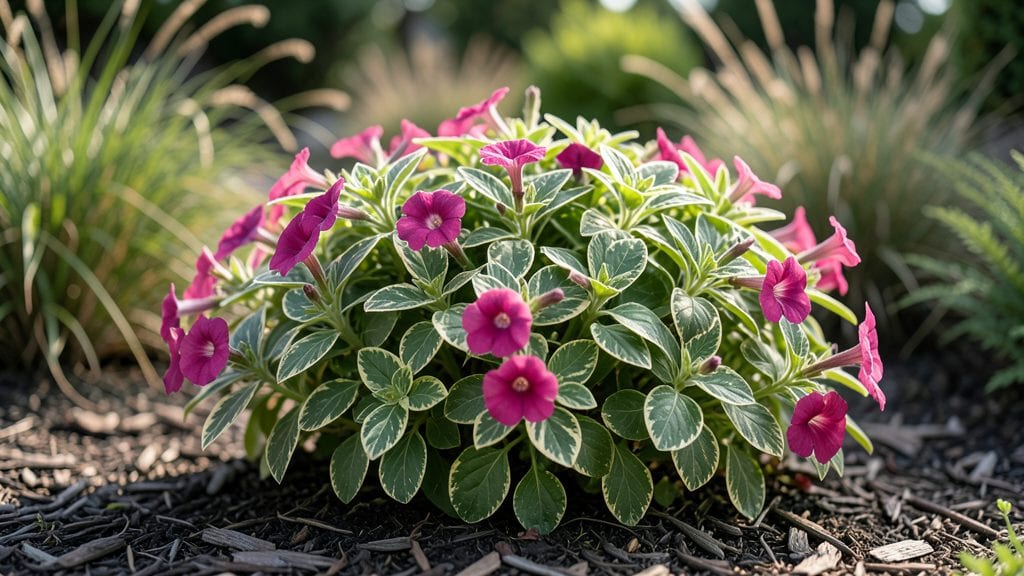
Variegated impatiens bring bold, two-toned blooms that turn shady spots into showstoppers—until now, most guides treat them like shade-only plants. I’ve grown them in partial sun for three summers straight, and here’s how to keep those striped flowers thriving where others fade.
The trick isn’t hiding them in the dark; it’s giving them the right balance of light, water, and airflow to prevent those dreaded crispy edges.
Start with well-draining potting mix (add perlite or sand if your soil packs like clay) and plant in containers with drainage or garden beds that get morning sun and afternoon shade.
Variegated types like ‘Super Elfin’ or ‘Celebrity’ need consistent moisture—think damp sponge, not soggy swamp—and a balanced fertilizer every 4-6 weeks to fuel those vibrant blooms. Most people overwater, which leads to root rot or leggy stems chasing light.
By mid-summer, your plants will be bursting with 2-inch flowers in shades of pink, white, and purple, each petal edged in cream or gold. The foliage stays lush and compact if you pinch back tips every few weeks, and deadheading spent blooms keeps new ones coming.
Even in heat waves, they’ll reward you with weeks of continuous color—unlike finicky annuals that bolt at the first hint of stress.
Works equally well in hanging baskets, window boxes, or garden beds, and they’re tougher than they look—just avoid heavy clay soil and afternoon sun. Here’s how to keep them looking their best all season long.
📚 In This Guide
- What you need
- Instructions
- Tips and common mistakes
- Wrapping up and next steps
What you need
- ● Variegated impatiens seeds or seedlings: Choose from varieties like Impatiens walleriana or Impatiens hawkeri (2–5 plants for full impact).
- ● Well-draining potting mix: 10–15 lbs of a peat-based or coconut coir blend (add perlite for aeration).
- ● Containers or garden beds: For containers: 6–12-inch pots (1–2 plants per pot) with drainage holes.
- ● For garden beds: Partial shade with moist, rich soil (amend with compost).
- ● Slow-release fertilizer: 1–2 tbsp of balanced 10-10-10 or organic fish emulsion per plant.
- ● Watering can or hose with a gentle spray nozzle: Variegated impatiens love moisture but hate soggy roots!
- ○ Gloves (optional): Protect your hands from soil and thorns (some varieties have mild prickles).
- ● Pruning shears: Sharp, clean pair for trimming leggy stems (sterilize with rubbing alcohol).
- ○ Mulch (optional): 1–2 inches of shredded bark or straw to retain moisture and suppress weeds.
- ○ Shade cloth (optional): 30–50% coverage for seedlings if starting indoors or in hot climates.
- ● Sunlight gauge: A sunlight tracker app or timer to monitor 2–4 hours of morning sun daily.
How to grow thriving variegated impatiens from start to full bloom
Here’s the straightforward method I’ve used to keep variegated impatiens vibrant through summer’s heat.
Select the Right Location and Prepare the Soil
Variegated impatiens crave partial shade to bright indirect light—never full sun, which scorches their delicate foliage. I choose spots under dappled tree canopy or beneath patio umbrellas where they get morning sun and afternoon shade. The soil must drain well but retain moisture, so I amend native soil with 2-3 inches of compost to improve structure and fertility.
Test the soil’s moisture level by squeezing a handful—it should hold together but not feel soggy. If your garden soil drains too quickly, mix in 1 part peat moss to 3 parts soil to help retain water without suffocating roots. Avoid heavy clay, which causes root rot in these tropical beauties.
Plant at the Correct Depth and Spacing
Dig holes twice as wide as the root ball but only as deep as the container’s base. Gently loosen the roots if they’re circling and place the plant so the top of the root ball sits level with the soil surface—burying too deep smothers stems, while planting too high stresses roots. For 4 plants, space them 12-18 inches apart in rows 18 inches apart to allow airflow and prevent fungal diseases.
Backfill with the amended soil, pressing lightly to eliminate air pockets. Water deeply immediately after planting to settle the soil and encourage root contact. You’ll know it’s right when water drains freely from the bottom of the hole—no puddling.
Water Consistently Without Overdoing It
Variegated impatiens demand consistent moisture—never let the soil dry out completely, but avoid soggy conditions. I water every morning in hot weather, applying ½ gallon per plant until water runs through the drainage holes. Mulch with 2 inches of shredded bark to conserve moisture and suppress weeds, keeping the mulch 2 inches away from stems to prevent rot.
Check moisture by sticking your finger 1 inch deep—if it feels dry, water again. Yellowing leaves usually mean overwatering, while crispy edges signal underwatering. Adjust your schedule based on rainfall; during dry spells, I increase frequency to twice daily in extreme heat.
Fertilize for Continuous Blooms and Maintain Plant Health
Feed every 2-3 weeks with a balanced liquid fertilizer (10-10-10) diluted to half strength. I start fertilizing 2 weeks after planting and continue until mid-August to encourage robust growth without late-season legginess. Avoid high-nitrogen formulas—they produce lush foliage at the expense of blooms, which is the whole point of variegated impatiens.
Deadhead spent blooms weekly by pinching off flowers just above the next set of leaves. This redirects energy to new growth and keeps plants bushy. If you notice powdery mildew on leaves, prune affected areas immediately and treat with neem oil—a preventative spray every 2 weeks keeps fungal issues at bay.
Extend the Season with Smart Care
To prolong blooms into fall, I reduce watering gradually as temperatures drop below 60°F and stop fertilizing after Labor Day. Cut back leggy stems by ⅓ in early September to encourage compact growth. If frost threatens, cover plants with frost cloth or move containers indoors to a bright, cool spot (50-60°F) until spring.
Save your best plants by taking 4-inch stem cuttings in early fall. Dip in rooting hormone, plant in sterile potting mix, and keep under grow lights until roots form. These will give you a head start next season—just remember to harden off before replanting outdoors.
Tips & tricks for thriving variegated impatiens
A few strategic adjustments can transform your impatiens from lackluster to showstopping. These are the insights I've gathered after years of trial and error with these delicate beauties.
Lighting Precision: The partial shade requirement isn't about avoiding all sunlight—it's about timing. I've found that variegated impatiens tolerate up to 3 hours of morning sun when followed by afternoon shade. The key is avoiding the intense midday rays between 11 AM and 3 PM, which can bleach the variegation and scorch leaves. If you're planting near a west-facing window or patio, consider adding a sheer curtain or lattice structure to filter the afternoon light.
Soil Science: The 2-3 inches of compost recommendation is non-negotiable for these tropical plants, but here's the detail most gardeners miss: the compost should be well-aged and fine-textured. Fresh compost can burn tender roots, while coarse chunks create air pockets that disrupt moisture retention. I sift mine through a ¼-inch mesh screen before mixing to ensure even distribution. For container growing, blend equal parts compost, peat moss, and perlite to create the ideal airy, moisture-retaining medium.
Watering Strategy: The morning watering schedule works perfectly in moderate climates, but during heatwaves (above 90°F), I switch to an evening watering routine instead. This prevents rapid evaporation and gives roots time to absorb moisture before the next day's heat. The finger test for moisture is brilliant, but I've added a visual cue: when the top inch of soil feels dry, the leaves will start to droop slightly—this is your plant's way of signaling thirst before damage occurs.
Fertilizer Timing: The 2-3 week feeding interval is perfect, but here's the secret to maximizing blooms: split your fertilizer application into two parts. Use half in the morning and half in the evening to create a more consistent nutrient supply. I've also found that alternating between a balanced 10-10-10 and a bloom-boosting 5-10-5 formula every other feeding gives you the best of both worlds—strong roots and prolific flowers. Always water thoroughly before and after fertilizing to prevent root burn.
Pro Tips for Variegated Impatiens Plants
- A few strategic adjustments can transform your impatiens from lackluster to showstopping.
- Lighting Precision: The partial shade requirement isn't about avoiding all sunlight—it's about timing.
- Soil Science: The 2-3 inches of compost recommendation is non-negotiable for these tropical plants, but here's the detail most gardeners miss: the compost should be well-aged and fine-textured.
Frequently asked questions
Got questions about your variegated impatiens? You’re not alone!
Here are answers to the most common queries—from care tips to troubleshooting—to keep your colorful blooms thriving all season.
Can variegated impatiens handle full sun?
While they love bright light, variegated impatiens prefer morning sun and afternoon shade (especially in hot climates). Too much direct afternoon sun can scorch their delicate leaves. Aim for 3–6 hours of filtered light daily for the best results.
How often should I water variegated impatiens?
These thirsty plants need consistent moisture—water them when the top inch of soil feels dry. In hot weather, that could mean daily watering! Avoid soggy soil (they hate wet feet), and mulch around the base to retain moisture. Pro tip: Water at the base, not overhead, to prevent fungal issues.
Why aren’t my variegated impatiens blooming?
Bloom issues often stem from low light or overcrowding. Ensure they get enough bright (but indirect) light and prune spent flowers to encourage new buds. If they’re leggy, they may need more light or a pinch back. Bonus: Deadhead regularly for nonstop color!
Can I grow variegated impatiens in containers?
They thrive in well-draining pots (10–12 inches deep) with a mix of potting soil and perlite. Choose containers with drainage holes, and group them with other shade-tolerant plants (like ferns or begonias) for a lush display. Rotate pots weekly for even growth.
What pests should I watch for?
Variegated impatiens are prone to aphids, spider mites, and whiteflies. Check the undersides of leaves regularly. Treat infestations early with neem oil or insecticidal soap. For severe cases, isolate the plant and blast it with water to dislodge pests. Prevention tip: Keep plants healthy and well-watered to deter pests!
Wrapping up and next steps
Variegated impatiens plants bring a burst of vibrant color and low-maintenance charm to any garden or container—perfect for sun-loving spots that still need a touch of shade tolerance! 🌸 Whether you're a seasoned gardener or just starting, these cheerful bloomers reward you with long-lasting beauty and easy care.
Ready to transform your space? Grab your seeds or seedlings, pick a sunny (but not scorching) spot, and let these plants work their magic all season long.
Your next step? Plant them today and enjoy the show! 🌿 Share your progress or blooms with fellow plant lovers—every garden deserves a little variegated joy!