
Pruning
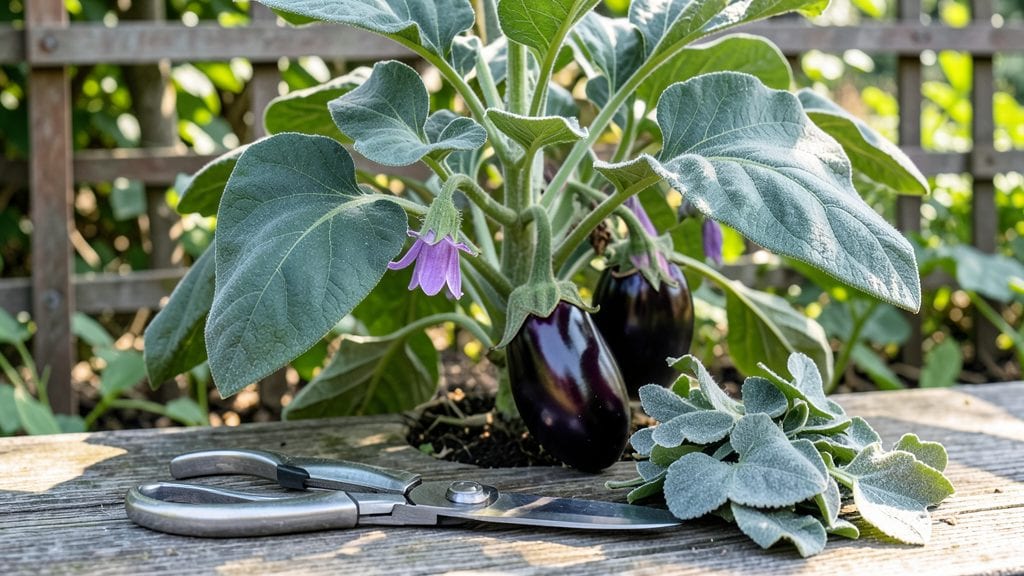
Trimming your eggplant plant isn't just about shaping—it's the secret to year-round growth and bigger harvests. I learned this the hard way after my first plant sprawled wildly, producing tiny fruits while pests feasted on the unpruned branches.
The right cuts redirect energy where it matters most: to fruit development, not leafy overgrowth.
You’ll need just three precision cuts—removing suckers (those tiny shoots between stems), trimming damaged leaves, and thinning crowded branches. This isn’t about hacking away; it’s about strategic snips with clean, sharp shears. Most gardeners skip this step, but I’ve seen plants double their yield after just one pruning session.
The payoff? Better air circulation means fewer diseases, stronger stems hold more fruit, and your plant keeps producing well into fall. Even in small spaces, a well-trimmed eggplant thrives—just imagine those glossy purple fruits hanging heavy on compact bushes by midsummer.
Works for both bush and vining varieties, and the same principles apply whether you’re growing in pots or garden beds. Let’s get those shears ready—your plant’s next harvest depends on it.
📚 In This Guide
- What you need
- Instructions
- Tips and common mistakes
- Wrapping up and next steps
What you need
- ● Sharp pruning shears (bypass or anvil type, sterilized with rubbing alcohol) – 1 pair (for clean cuts without crushing stems).
- ● Garden gloves (nitrile or leather, cut-resistant) – 1 pair (to protect hands from thorns and sap).
- ● Disinfectant (70% isopropyl alcohol or hydrogen peroxide) – small bottle (to sterilize tools between cuts).
- ○ Pruning sealant (optional but recommended) – small tube (like Tree Seal or beeswax) to prevent disease entry.
- ● Marking twine or tape (colored string or masking tape) – 1 roll (to tag branches for future reference).
- ● Healthy eggplant plant (aged 6–8 weeks with 3–5 main stems) – Check for pests/disease first!
- ● Sunny location (6+ hours of direct sunlight daily) – Trim in the morning for faster recovery.
- ● Watering can or hose – 1 (to hydrate plants 12 hours before trimming).
- ○ Compost or mulch (optional) – 1–2 gallons (to replenish soil after trimming).
- ● Work on a dry day – Wet plants are slippery and harder to assess.
- ● Avoid trimming during flowering/fruiting – Focus on non-fruiting branches first.
- ● Dispose of clippings properly – Do not compost if disease is suspected; bag and discard.
Step-by-Step instructions for trimming eggplant plants
Here’s how to keep your eggplants thriving with just three simple cuts—no fancy tools needed.
Remove Suckers for Stronger Growth
Start by identifying the small shoots growing between the main stem and fruit branches. These are called suckers, and they drain energy from your plant. Pinch them off at the base with your thumb and forefinger—no need for pruners here. I always do this first because suckers multiply fast, and removing them early gives your eggplant more energy to produce larger, healthier fruit.
Focus on the area just below where the sucker meets the main stem. You’ll see a tiny bump or triangle where it connects—this is where you want to make the clean break. If you leave even a small piece of the sucker attached, it can regrow. Do this every 2-3 weeks during the growing season, and you’ll notice your plant’s main stem thickens noticeably within a few days.
Prune Lower Leaves for Better Airflow
Next, trim any yellow or diseased leaves from the bottom of the plant. Use clean, sharp pruners to cut just above a leaf node or branch. I always start at the base and work my way up, removing leaves that touch the soil or block airflow. This keeps pests and diseases away while letting sunlight reach the lower fruit.
Stop pruning when you hit the first flower cluster—leaving leaves above this point ensures your plant still gets enough energy to produce fruit. If your eggplant is in a container, you might need to trim more aggressively to prevent overcrowding. After pruning, give the plant a light watering to help it recover, especially if it’s hot outside.
Cut Back Overgrown Branches for Balance
Once your eggplant has multiple branches with fruit, check for any that are growing too long or crowded. Use your pruners to trim back the tips of these branches just above a leaf node or flower cluster. This encourages the plant to focus its energy on the remaining fruit rather than growing unnecessary stems.
I like to step back and look at the plant after each cut—this helps me see if I’ve left too many branches or if the shape looks balanced. If you’re growing eggplants in a small space, you might only need 2-3 main branches to keep the plant manageable. After trimming, watch for new growth within 5-7 days; this is your sign that the plant is responding well.
Harvest and Prune Mature Fruit
Finally, harvest any eggplants that have turned glossy and deep purple (or their mature color). Use a sharp knife or pruners to cut the stem just above where the fruit meets the plant. This prevents damage to the branch and encourages more fruit to grow in its place.
After harvesting, inspect the remaining branches for any signs of stress or disease. Trim away any damaged or discolored areas immediately. I always harvest in the morning when the fruit is coolest—this keeps it fresher longer. Repeat this process every 1-2 weeks during the growing season to keep your eggplant productive and healthy.
Tips & tricks for perfect eggplant plant trimming
Mastering these precision cuts will transform your eggplant from a struggling bush into a productive powerhouse. Here's how to get it right every time.
Timing is Everything: The 2-3 week interval for removing suckers in Step 1 is key—this matches the plant's natural growth cycle. If you wait longer, you risk overcrowding and smaller fruit. I've found that trimming just as new suckers appear (about 1-2 inches long) gives the best results. This consistent schedule keeps your plant focused on producing larger, healthier eggplants rather than wasting energy on unnecessary growth.
Precision Over Speed: In Step 2, when pruning lower leaves, I can't stress enough how important it is to cut just above a leaf node. This is where new growth emerges, so you're actually encouraging more fruit production by making clean cuts. If you leave even a small stub, it can lead to disease or pest issues. Take your time—this is where the magic happens for better airflow and sunlight penetration to the lower fruit.
Visual Cues for Balance: After cutting back overgrown branches in Step 3, step back and look at your plant from all angles. You should see an open, balanced shape that allows sunlight to reach all parts of the plant. If you're growing in containers, aim for 2-3 main branches—this prevents overcrowding and makes harvesting easier. Watching for new growth within 5-7 days is your confirmation that the plant is responding well to the trimming.
Harvesting Wisdom: The morning harvest in Step 4 isn't just about convenience—it's about quality. Eggplants harvested in the cool morning hours stay fresher longer and have better texture. I've noticed that morning-harvested eggplants also hold their shape better when cooked. Always cut just above where the fruit meets the plant to prevent damage to the branch, and inspect the remaining plant for any signs of stress or disease immediately after harvesting.
Pro Tips for Trim Eggplant Plant
- Mastering these precision cuts will transform your eggplant from a struggling bush into a productive powerhouse.
- Timing is Everything: The 2-3 week interval for removing suckers in Step 1 is key—this matches the plant's natural growth cycle.
- Precision Over Speed: In Step 2, when pruning lower leaves, I can't stress enough how important it is to cut just above a leaf node.
Frequently asked questions
Got questions about trimming your eggplant plant? You're not alone! Here are some of the most common concerns—and their answers—to help you keep your plant thriving year-round.
When is the best time to trim an eggplant plant?
Trim your eggplant plant early and often—ideally when it’s young (4–6 weeks old) and again as it grows. Focus on removing suckers (those tiny shoots in the leaf axils) during the growing season (spring to summer). Avoid heavy pruning in late summer, as it can stunt fruit production before harvest.
What happens if I don’t trim my eggplant plant?
Skipping trims can lead to overcrowded foliage, which blocks sunlight and air circulation, increasing the risk of disease (like powdery mildew) and pests. Without pruning, your plant may also produce smaller, misshapen fruit. Think of trimming as a way to redirect energy toward bigger, healthier eggplants!
Can I trim an eggplant plant after it starts flowering?
Yes, but lightly! Once flowers appear, focus on removing only suckers (not main stems) to avoid stressing the plant. Heavy pruning post-flowering can reduce fruit yield. If you must prune, do so early in the morning to minimize shock and give the plant time to recover.
What’s the difference between trimming and pinching eggplants?
Both terms are often used interchangeably, but here’s the breakdown:
- Trimming: Removing larger branches, suckers, or damaged leaves with pruning shears.
- Pinching: Using your fingers to snap off small suckers or tips (great for early growth stages).
What should I do if my eggplant plant looks stressed after trimming?
If your plant wilts or drops leaves post-trim, don’t panic! It’s normal for a day or two. To help it recover:
- Water deeply but avoid overwatering.
- Ensure it gets 6+ hours of sunlight daily.
- Fertilize lightly with a balanced, water-soluble fertilizer (like 10-10-10) a week after trimming.
Wrapping up and next steps
Trimming your eggplant plant isn’t just about shaping—it’s about boosting productivity, health, and flavor! 🌱 With the right cuts (like the topping, lateral pruning, and stem thinning), you’ll encourage stronger growth, larger yields, and even better-tasting fruit.
Whether you’re a beginner or a seasoned gardener, these techniques work year-round to keep your plant thriving.
Ready to take the next step? Grab your pruners, pick a sunny day, and give your eggplant the care it deserves! 🌿 And don’t forget—share your pruning wins with fellow gardeners for extra inspiration.