Pruning
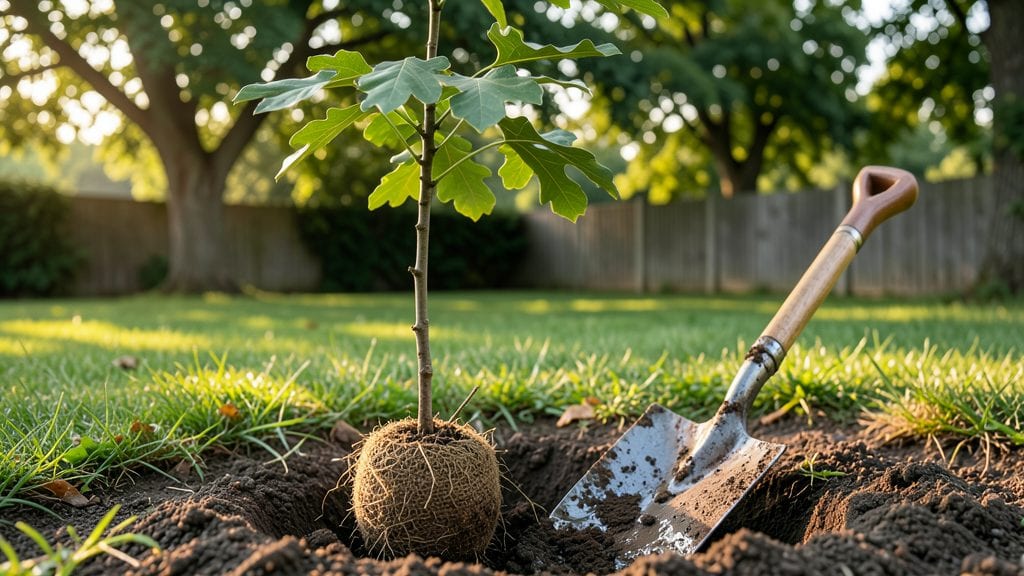
Here are some essential tree planting tips—the ones that’ll turn your first sapling into a decades-long giant, not a sad, stunted afterthought. 🌱 The difference between a struggling sapling and a sturdy shade provider often comes down to the first 30... minutes—choosing the right spot, prepping the soil, and handling the roots with care.
I've buried more than a few trees that died from common mistakes, but these techniques have turned my survival rate around.
You don't need fancy tools—just a shovel, some compost, and a watering can. The real work is in the prep: loosening the soil to 12 inches deep, mixing in organic matter, and planting at the same depth as the nursery pot.
Evergreens and deciduous trees have slightly different needs, but the core steps remain the same. My oak planted last spring now stands taller than me, and it's only been a year.
After planting, the first two weeks are critical. Keep the soil moist but not soggy—think of a wrung-out sponge. A 3-inch layer of mulch around the base (but not touching the trunk) locks in moisture and keeps roots cool.
You'll see new growth within weeks if you've nailed the basics, and by next season, that sapling will be putting down roots that last for generations.
These tips work in any yard, from city sidewalks to rural acres. The key is patience—trees don't grow overnight, but with the right start, they'll reward you for decades. Let's get that shovel in the ground and make it count.
📚 In This Guide
- What you need
- Instructions
- Tips and common mistakes
- Wrapping up and next steps
What you need
- ● Tree sapling or bare-root tree – Choose a species suited to your climate (e.g., oak, maple, or fruit trees). Pro tip: 🌡️ Buy from a reputable nursery for healthy stock!
- ● Shovel or spade – A round-point shovel (16–18 inches wide) works best for digging holes.
- ● Garden gloves – Protect your hands from thorns, dirt, and sharp tools.
- ● Watering can or hose with a gentle spray nozzle – Aim for 1–2 gallons per tree during planting.
- ● Mulch (wood chips, straw, or compost) – 2–4 inches thick, kept 3–6 inches away from the trunk.
- ○ Stakes and ties (optional but helpful for young trees) – Use 2–3 stakes per tree and soft tree ties or fabric strips.
- ● Pruning shears – For trimming dead or damaged branches post-planting.
- ● Soil amendments (if needed) – Test your soil first! Common additions: Compost – Mix in 1–2 inches with native soil for nutrients.
- ● Lime or sulfur – Adjust pH if soil is too acidic/alkaline (follow package instructions).
- ● Tree guard or protective barrier – Shields young trees from pests and lawnmowers.
- ● Post-hole digger – If staking, this makes digging holes for stakes easier.
- ● Soil pH test kit – Ensures your tree gets the right growing conditions.
- ● Organic fertilizer (slow-release) – Apply 4–6 weeks after planting for a nutrient boost.
- ● Wheelbarrow – For hauling mulch, soil, or tools to the planting site.
Step-by-Step tree planting instructions for long-term success
Planting a tree right ensures it thrives for decades. Here’s how I do it—every time.
🪴 Step 1: Dig the Perfect Hole for Strong Root Growth
Start by digging a hole that’s twice as wide as the tree’s root ball but only as deep—never deeper. A shallow hole prevents water pooling around roots, which causes rot. Use the removed soil to backfill later, but set aside a small amount for the planting mound.
Loosen the sides of the hole with a shovel or hands to encourage roots to spread outward naturally. This is where most trees fail—roots need room to grow, not a tight, compacted space. If your soil is heavy clay, mix in a few handfuls of compost to improve drainage.
🌱 Step 2: Prepare the Root Ball and Planting Mound
Before removing the tree from its container, score the root ball with a knife if it’s tightly bound. This helps roots break free and establish faster. If planting bare-root, soak the roots in water for 1-2 hours to rehydrate them before handling.
Create a small mound of the reserved soil in the center of the hole. This elevates the tree slightly so water drains away from the trunk. Place the tree on top, ensuring the top of the root ball sits 1-2 inches above ground level. This prevents settling and future root exposure.
💧 Step 3: Backfill and Water for Immediate Stability
Fill the hole with the removed soil, tamping it down gently in layers to eliminate air pockets. Avoid compacting too hard—roots need loose soil to penetrate easily. Once the hole is ⅔ full, water deeply to settle the soil and encourage roots to expand into the surrounding earth.
Finish backfilling, then water again until the soil is evenly moist to a depth of 12 inches. A newly planted tree needs consistent moisture, but soggy soil suffocates roots. Mulch the base with 2-3 inches of organic mulch, keeping it 6 inches away from the trunk to prevent rot.
☀️ Step 4: Stake Only If Necessary and Prune for Health
Stake the tree only if it’s top-heavy or in a windy location. Use two stakes positioned diagonally, tied loosely with soft fabric to allow trunk movement. Too-tight ties strangle the tree as it grows. Remove stakes after 1 year to encourage natural stability.
Prune any broken or crossing branches with clean, sharp shears. Focus on shaping the tree lightly—never remove more than 25% of the canopy at planting. This reduces stress and helps the tree direct energy into root growth rather than regrowing lost foliage.
⏰ Step 5: Monitor and Maintain for First-Year Success
Water deeply once a week for the first year, providing 10-15 gallons per watering. Check soil moisture by digging 2 inches deep
Inspect the tree monthly for signs of stress, like wilting leaves or fungal growth. If leaves yellow, it’s often overwatering or poor drainage. Adjust your care based on what you see—trees don’t lie. With the right start, your tree will grow strong for generations.
Tips & tricks for perfect tree planting
Here's what I've learned after planting dozens of trees that are still thriving today.
Soil Preparation Secret: In Step 1, when you're digging that hole twice as wide as the root ball, take a moment to check the soil composition. If it's compacted or heavy, mix in a few handfuls of compost or sand to improve aeration and drainage. I've seen trees fail within months because their roots couldn't breathe in dense soil. This small step makes all the difference for long-term growth.
Root Ball Rescue: For Step 2, if your tree's root ball is severely root-bound (circling roots), don't just score it—cut through the roots with a sharp knife. This might seem drastic, but it prevents girdling as the tree matures. I've had to dig up trees later because they were strangling themselves from tight roots. Better to fix it now than deal with a struggling tree in years.
Watering Wisdom: That 10-15 gallons per week in Step 5 is crucial, but timing matters too. Water in the morning so the tree has all day to absorb moisture before evening evaporation. I've seen newly planted trees develop root rot because they were watered at night, keeping roots constantly wet. Also, water slowly at the base—don't just drench the leaves.
Staking Strategy: When you're considering stakes in Step 4, think twice before using them. Many trees develop weaker trunks when staked for too long. Only use them for top-heavy trees or in windy locations, and make sure the ties are loose enough to allow trunk movement. I've seen trees with permanent stake marks where the fabric cut into the bark as they grew.
Pro Tips for Tree Planting Tips
- Here's what I've learned after planting dozens of trees that are still thriving today.
- Soil Preparation Secret: In Step 1, when you're digging that hole twice as wide as the root ball, take a moment to check the soil composition.
- Root Ball Rescue: For Step 2, if your tree's root ball is severely root-bound (circling roots), don't just score it—cut through the roots with a sharp knife.
Frequently asked questions
Got questions about planting trees like a pro?
You’re not alone—tree planting can feel tricky at first! Here are some of the most common questions (and answers) to help you grow confidently.
When is the best time of year to plant a tree?
The golden rule is early spring or fall—when soil is workable but not frozen, and temperatures are mild. Avoid summer heat (stresses roots) and winter frost (delays growth). If you must plant in summer, do it in early morning or late evening to reduce stress on the tree.
How often should I water a newly planted tree?
Water deeply and thoroughly right after planting, then 1–2 times per week for the first year (adjust for rain). Aim for 1–1.5 inches of water per session, soaking the root ball. Mulch heavily (2–4 inches) to retain moisture and protect roots.
Can I plant a tree in a small yard or container?
Choose dwarf or compact varieties (like Japanese maples or columnar fruit trees) for tight spaces. For containers, pick large pots (15+ gallons) with drainage holes and use lightweight, well-draining soil. Move containers seasonally for optimal sunlight.
What do I do if my tree’s leaves turn yellow or wilt after planting?
Yellowing leaves often signal overwatering, poor drainage, or root damage during transplanting. Check soil moisture (stick your finger 2 inches down—if soggy, reduce water). If roots circled the pot, loosen them gently before replanting. Fertilize lightly with a balanced, slow-release formula if growth stalls.
Do I need to stake my newly planted tree?
Only if your tree is tall (over 6 feet) or top-heavy (like willows or young pines). Use soft ties (not wire) to the stake and remove them in 1–2 years to avoid girdling. Most small trees (under 4 feet) don’t need staking—let them sway naturally to strengthen roots!
Still stumped? Drop your question below—we’re happy to help your tree thrive!
Wrapping up and next steps
Planting trees is more than just an act of gardening—it’s a powerful way to nurture the planet and create lasting beauty in your landscape. Whether you’re a seasoned gardener or a beginner, the key is patience, preparation, and passion.
Choose the right species, dig with care, and give your tree the love it needs to thrive—your future self (and the environment!) will thank you. 🌱
Ready to take the next step? Mark your calendar, gather your tools, and start planting today—one tree at a time. Every root you nurture helps grow a greener, healthier world!