
Pruning
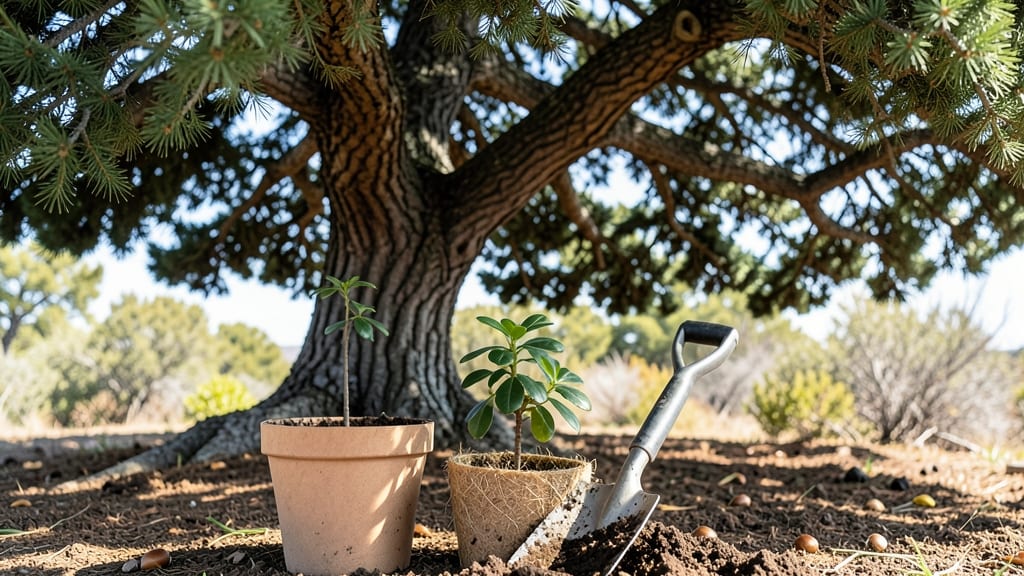
Planting trees in Sonoma County’s coastal climate is all about timing and the right species. 🌿 I’ve learned that coastal fog, summer droughts, and winter rains demand careful planning—otherwise, even the hardiest trees struggle.
The key is choosing native species like coast live oak or California sycamore that thrive in these conditions without extra fuss.
You’ll need a few basic tools: a shovel, compost for soil amendments, and a watering system that can handle the first critical year. Sonoma’s soil is often rocky and fast-draining, so mixing in compost or aged manure helps retain moisture.
Planting in late fall or early winter gives roots time to establish before summer heat hits.
Once planted, you’ll see steady growth if you water deeply every 10-14 days during the first year. Native trees handle drought better once established, but consistent moisture in their early years makes all the difference. The payoff? A strong, healthy tree that becomes part of Sonoma’s landscape for decades.
Local nurseries carry species adapted to the region, so start there. Avoid invasive trees like eucalyptus—they drain water and disrupt native ecosystems. With the right choices and care, your tree will flourish where others fail.
📚 In This Guide
- What you need
- Instructions
- Tips and common mistakes
- Wrapping up and next steps
What you need
- ● Native or drought-tolerant tree sapling: 1-3 (choose species like Coast Live Oak, Toyon, or Manzanita for Sonoma’s climate).
- ● Shovel or tree planting spade: 1 (wide enough for roots; 12–18" deep).
- ● Compost or native soil amendment: 1–2 bags (5–10 lbs each; improves drainage and nutrients).
- ● Mulch (wood chips or straw): 2–3 cubic feet (3–4" layer to retain moisture).
- ● Watering can or hose with nozzle: 1 (for gentle, deep watering).
- ○ Stakes and ties (optional but recommended for young trees): 2–4 stakes + 4–6 ties.
- ● Gloves and knee pads: 1 pair each (protect your hands and joints!).
- ● Soil test kit: 1 (check pH and nutrients; Sonoma’s soil can be acidic).
- ● Tree guard or protective barrier: 1 (to deter animals or lawn equipment).
- ● Slow-release fertilizer: 1–2 granules (for nutrient boost in the first year).
- ● Drip irrigation system: 1 (for automated watering in dry spells).
- ● Pruning shears: 1 (for shaping or removing dead branches post-planting).
Step-by-Step instructions for planting trees in Sonoma County’s coastal climate
Sonoma County’s coastal microclimates demand smart planting—here’s how to give your trees the best start.
🌱 Step 1: Choose the Right Tree and Planting Spot
Pick a tree suited for Sonoma’s coastal conditions—think drought-tolerant varieties like California sycamore or olive trees for inland areas, or coastal live oak for foggy spots near the coast. Avoid planting near power lines or sidewalks unless you’ve cleared space for root growth. I always check the mature tree size to ensure it won’t outgrow its spot.
Look for a location with 6+ hours of sun daily (unless you’re planting a shade tree) and well-draining soil. Coastal soils can be sandy or clay-heavy—test drainage by digging a hole and filling it with water. If it drains in 2 hours, it’s good; if not, amend with compost or plant on a slight mound.
🪴 Step 2: Dig the Hole and Prepare the Root Ball
Dig a hole twice as wide as the root ball but no deeper—this encourages roots to spread outward instead of circling. Loosen the sides of the hole with a shovel to help roots penetrate the native soil. I skip adding soil amendments to the hole unless your soil is extremely poor; mixing them in can create a "soil pocket" that suffocates roots.
Gently remove the tree from its container and loosen any circling roots with your fingers. If the root ball is dry, soak it in a bucket of water for 15-20 minutes before planting. This step is critical—dry roots struggle to establish in coastal soils, which can dry out quickly even with fog.
💧 Step 3: Plant and Water Deeply
Place the tree in the hole so the top of the root ball sits 1-2 inches above ground level. Backfill with native soil, tamping lightly every 2 inches to remove air pockets. Create a 4-inch-high berm around the outer edge of the hole to direct water toward the roots during irrigation.
Water immediately after planting—pour 5 gallons of water slowly into the hole until it drains. This settles the soil and eliminates air gaps. Mulch with 2-3 inches of wood chips, keeping it 6 inches away from the trunk to prevent rot. Water again in 7-10 days to encourage root growth into the surrounding soil.
☀️ Step 4: Stake and Protect (If Needed)
Only stake trees in windy coastal areas—use two stakes placed 12-18 inches from the trunk and tie with a soft, stretchy material like tree tie. Avoid tight ties that can girdle the trunk as it grows. I’ve seen too many trees strangled by wire or plastic straps over time.
Protect young trees from deer or rabbits with a wire cage or commercial tree guard. Coastal browsers are relentless—even mature trees can be damaged if left unprotected. Water deeply once a week during the first year, adjusting for rainfall. Sonoma’s foggy summers can fool you into thinking the tree isn’t thirsty, but roots still need moisture.
⏰ Step 5: Monitor and Maintain Through the First Year
Check the tree weekly for signs of stress—yellowing leaves often mean overwatering, while crispy edges signal underwatering. Prune only to remove broken branches; avoid heavy pruning in the first year, as it stresses the tree. I always prune in late winter to encourage new growth before the coastal growing season kicks in.
By the end of the first year, your tree should have established roots 12-18 inches deep. Reduce watering to every 2-3 weeks in the second year, letting the tree adapt to natural rainfall patterns. With proper care, coastal trees thrive for decades—just give them the right start.
Tips & tricks for perfect tree planting in Sonoma County’s coastal climate
Planting trees in Sonoma’s coastal environment takes special care—here’s how to avoid common pitfalls and give your tree the best chance to thrive.
Soil Test First: Before you dig, test your soil’s drainage by filling a hole with water and timing how long it takes to drain. In Step 1, if water drains slower than 2 hours, amend with compost or plant on a mound. Coastal soils can be deceptive—what looks moist might still drain too quickly, leaving roots thirsty. I’ve seen trees fail because the soil seemed fine until after planting.
Root Ball Prep Matters: In Step 2, don’t skip loosening circling roots—this prevents "girdling" where roots strangle themselves as they grow. For container-grown trees, soak the root ball for exactly 15-20 minutes before planting. Too long and you’ll waterlog it; too short and roots won’t hydrate properly. The difference between a struggling tree and a thriving one often comes down to this step.
Watering Wisdom: After planting in Step 3, that initial 5-gallon watering is non-negotiable—it settles the soil and eliminates air pockets that can suffocate roots. Create that 4-inch berm around the hole to direct water exactly where it’s needed. In foggy coastal areas, I’ve seen people skip deep watering because they assume the fog provides enough moisture. It doesn’t—roots still need that initial hydration push.
Staking Secrets: If you’re staking in Step 4, use two stakes placed 12-18 inches from the trunk with soft tree ties. The key is to let the tree move slightly in the wind—this strengthens the trunk. I’ve seen too many trees with trunks permanently deformed by tight ties. Also, remove stakes after 6-12 months unless your area has persistent coastal winds.
Pro Tips for Tree Planting Sonoma County Ca
- Planting trees in Sonoma’s coastal environment takes special care—here’s how to avoid common pitfalls and give your tree the best chance to thrive.
- Soil Test First: Before you dig, test your soil’s drainage by filling a hole with water and timing how long it takes to drain.
- Root Ball Prep Matters: In Step 2, don’t skip loosening circling roots—this prevents "girdling" where roots strangle themselves as they grow.
Frequently asked questions
Got questions about planting trees in Sonoma County’s unique coastal climate? You’re not alone! Here are answers to the most common queries to help you get started with confidence.
What’s the best time of year to plant trees in Sonoma County?
For coastal Sonoma County, late fall (November–December) or early spring (February–March) are ideal. These windows avoid extreme heat and drought, giving young roots time to establish before summer stress. Avoid planting in summer—heat and wind can shock tender roots!
How much water does a newly planted tree need?
Newly planted trees need deep, infrequent watering—about 10–15 gallons per week for the first year. Water slowly at the base (not the leaves) to encourage deep root growth. Mulch helps retain moisture. Pro tip: Check soil moisture 2–3 inches down; if dry, it’s time to water!
Which tree species thrive in Sonoma County’s coastal climate?
Native and drought-tolerant species like coast live oak, California sycamore, or manzanita are excellent choices. Avoid non-native species unless they’re well-adapted (e.g., olive trees). For shade, toyon or madrone are hardy and beautiful. Always check local microclimates—some areas are foggier than others!
What should I avoid when planting trees in Sonoma County?
- Planting too deep: The root flare (where roots meet the trunk) should sit just above ground level.
- Over-pruning: Avoid trimming branches in the first year—focus on water and soil health.
- Ignoring soil prep: Amend clay-heavy soil with compost to improve drainage.
- Skipping stakes: Young trees in windy areas (common along the coast) may need temporary support.
How do I troubleshoot a struggling newly planted tree?
Yellowing leaves? Overwatering or poor drainage could be the culprit. Brown edges? Likely underwatering or windburn. Check for pests (aphids, scale) or fungal issues (white powder on leaves). If in doubt, consult a UC Master Gardener—they’re free and local!
Wrapping up and next steps
Planting trees in Sonoma County, CA, is more than just a green initiative—it’s a way to nurture resilience, beauty, and community. Whether you’re a seasoned gardener or a first-time planter, every tree you contribute helps combat climate challenges while enhancing local ecosystems.
Now that you’re equipped with the right knowledge, take that first step: mark your calendar, gather your tools, and get ready to grow something meaningful! 🌱
💡 Pro Tip: Share your progress with local groups or tag #SonomaTrees—your efforts inspire others to join the movement!