
Pruning
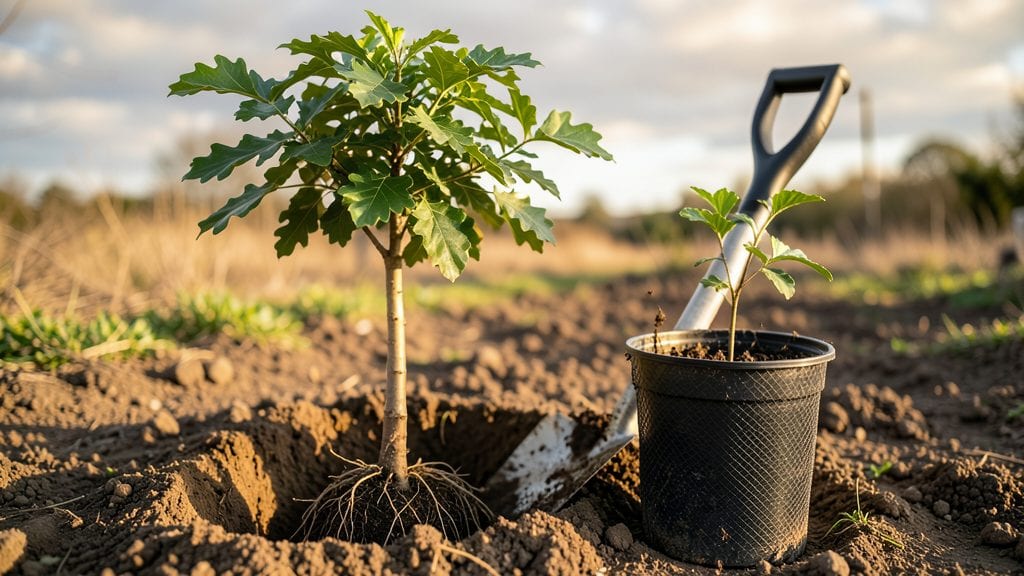
The right tree planting process starts with a hole twice as wide as the root ball and just as deep.
I’ve dug dozens of planting holes over the years, and the difference between a thriving tree and one that struggles for years comes down to these early steps—soil prep, root placement, and watering technique matter more than most people realize.
You’ll need basic tools—a shovel, a wheelbarrow for amended soil, and a sturdy stake if your tree needs support. The soil mix should include native soil, compost, and a slow-release fertilizer to give roots a nutrient boost right away.
For deciduous trees, plant in early spring or fall; evergreens prefer fall planting to avoid winter stress.
Once planted, you’ll see the first signs of healthy growth within 6-12 months—new shoots, stronger stems, and roots spreading beyond the planting hole. The key is consistent watering (deep soaks, not light sprinkles) and mulching to lock in moisture while keeping weeds at bay.
This method works for everything from shade trees to fruit-bearing varieties. The payoff? A tree that grows strong, resists disease, and thrives for decades. Let’s get those roots settled right from the start.
📚 In This Guide
- What you need
- Instructions
- Tips and common mistakes
- Wrapping up and next steps
What you need
- ● Tree sapling: Choose a healthy, locally native species (1–3 years old, depending on size). Check for firm roots and vibrant foliage.
- ● Shovel or spade: A round-point shovel (16–24 inches wide) for digging holes efficiently.
- ● Gloves: Heavy-duty gardening gloves to protect your hands from dirt and thorns.
- ● Watering can or hose: A 5-gallon capacity for thorough watering (or a hose with a gentle nozzle).
- ● Mulch: 2–4 inches of organic mulch (wood chips, straw, or pine needles) to retain moisture and suppress weeds.
- ● Stakes & ties (for young trees): 2–3 wooden or metal stakes (6–8 feet tall) and soft tree ties to provide support.
- ● Pruning shears: Small, sharp shears to trim damaged roots or branches.
- ○ Soil amendment (optional but helpful): A mix of compost or peat moss (5–10 gallons) to improve soil quality if native soil is poor.
- ● Soil tester kit: To check pH and nutrient levels before planting.
- ● Tree guard or protective barrier: A metal or plastic collar to shield young trees from rodents or lawnmowers.
- ● Post-hole digger: For staking deeper roots in windy areas.
- ● Wheelbarrow: To haul mulch, soil, or tools around the planting site.
- ● Knee pads: Because planting trees is hard work! 😅
Step-by-Step guide for planting trees with strong root systems
Here's how to plant trees that thrive from the first season onward.
Choose the Right Location and Dig the Planting Hole
Select a spot with 6-8 hours of sunlight daily and space at least 15-20 feet away from structures or other trees. The hole should be twice as wide as the root ball but only as deep—planting too deep suffocates roots. I use a shovel to loosen the soil around the edges of the hole, creating a natural slope for roots to spread into.
Remove any rocks or debris from the hole. The soil should be loose and crumbly—if it feels compacted, mix in 2-3 inches of compost from the ingredients list to improve drainage and fertility. Avoid amending the entire hole with compost, as this can create a nutrient-rich pocket that discourages roots from spreading outward.
Prepare the Tree for Planting
Inspect the root ball for circling roots or signs of girdling—these restrict growth and should be gently loosened with your hands or a knife before planting. If the tree came balled-and-burlapped, remove the burlap but leave the root ball intact. For container-grown trees, run your fingers along the edges of the pot to loosen roots that may have spiraled around the container.
Place the tree in the hole so the top of the root ball sits 1-2 inches above ground level. This ensures the tree doesn’t settle too deeply over time. If the tree is leaning, adjust the hole’s slope or use stakes to support it temporarily. Never force the roots into the hole—let them spread naturally.
Backfill and Water Thoroughly
Fill the hole with the native soil you removed, tamping it down gently in 2-inch layers to eliminate air pockets. Avoid compacting the soil too firmly, as this restricts root growth. Once the hole is nearly full, create a watering basin by mounding soil around the base to hold moisture. Finish by adding the remaining soil and leveling the surface.
Water the tree deeply and slowly—about 10 gallons—until water drains from the basin. This helps settle the soil and encourages roots to grow outward. Mulch the area with 2-3 inches of organic mulch, keeping it 6 inches away from the trunk to prevent rot. Mulch retains moisture and regulates soil temperature, which is critical for young roots.
Stake and Protect the Tree
Use two stakes placed diagonally from the tree, tied loosely with soft fabric strips (like old T-shirts) to avoid damaging the trunk. The goal is to provide light support while allowing natural movement—trees grow stronger when they sway slightly in the wind. If the tree is top-heavy, tie the trunk to one stake for extra stability.
Install a tree guard or wire cage around the base to deter animals from chewing the bark. This is especially important for young trees in urban or suburban areas. Water the tree once a week for the first month, then adjust based on rainfall—soil should stay moist but not soggy. Overwatering can suffocate roots just as much as drought.
Monitor and Maintain for Long-Term Health
Check the tree weekly for signs of stress, such as wilting leaves or yellowing foliage. These often indicate overwatering, underwatering, or poor drainage. If leaves yellow, reduce watering and ensure the soil drains well. Prune any broken or crossing branches with clean, sharp shears, cutting just outside the branch collar to promote healing.
After the first year, gradually reduce watering as the tree establishes deeper roots. By the second or third year, most trees require little more than seasonal rainfall. Fertilize only if the tree shows signs of nutrient deficiency, such as stunted growth or pale leaves. Too much fertilizer can burn roots and harm young trees.
Tips & tricks for healthy tree planting
Planting a tree that thrives starts with understanding how roots grow—not just how to dig a hole. These small details make all the difference between a struggling sapling and a strong, long-lived tree.
The Hole Depth Matters: In Step 1, planting too deep suffocates roots by cutting off oxygen. The top of the root ball should sit 1-2 inches above ground level—this prevents the tree from settling too deeply over time. I always check by placing the tree in the hole and verifying the root flare (where roots meet trunk) is visible above soil level.
Root Loosening Technique: For container-grown trees in Step 2, run your fingers along the pot's edges to gently separate roots that may have spiraled. This prevents girdling, where roots grow in circles and strangle themselves. If you see tight root circles, make small vertical cuts with a knife to encourage outward growth.
Watering Wisdom: The 10-gallon deep watering in Step 3 should penetrate 12-18 inches into the soil. Use a hose with a gentle spray nozzle to avoid eroding the soil. After watering, check if water drains from the basin—this confirms proper saturation without waterlogging.
Mulch Placement: Keep that 2-3 inch layer of organic mulch 6 inches away from the trunk to prevent rot. I often use shredded bark or wood chips, but avoid thick layers that can smother the roots. Mulch should look like a donut around the tree, not a volcano piled against the trunk.
Pro Tips for Tree Planting Process
- Planting a tree that thrives starts with understanding how roots grow—not just how to dig a hole.
- The Hole Depth Matters: In Step 1, planting too deep suffocates roots by cutting off oxygen.
- Root Loosening Technique: For container-grown trees in Step 2, run your fingers along the pot's edges to gently separate roots that may have spiraled.
Frequently asked questions
Got questions about planting trees?
You’re not alone! Here are some of the most common queries—plus straightforward answers—to help you get started with confidence.
When is the best time to plant a tree?
The ideal window is early spring or fall (before the ground freezes or when temperatures are mild). This gives roots time to establish before extreme weather. Avoid planting in summer heat or winter frost—both stress young trees.
How deep should I plant a tree?
Dig a hole 2-3 times wider than the root ball but no deeper. The top of the root flare (where roots meet the trunk) should sit 1-2 inches above ground level. Over-deep planting suffocates roots, while too-shallow planting exposes them to drying out.
How often should I water a newly planted tree?
Water deeply 2-3 times per week for the first year (or daily in extreme heat). Aim for 10-15 gallons per watering to encourage deep root growth. Mulch the base (but keep it 3-4 inches away from the trunk) to retain moisture.
Can I plant a tree in a small yard or container?
Yes! For small spaces, choose dwarf varieties (like Japanese maples or columnar oaks) or plant in large containers (minimum 18-inch diameter). Ensure the container has drainage holes and use a high-quality potting mix. Rotate containers seasonally for even growth.
What do I do if my tree’s leaves turn brown after planting?
Brown leaves often signal transplant shock or root damage. Check for:
- Proper watering (not too much or too little)
- Correct planting depth (root flare exposed)
- Soil compaction around roots (gentle mulching helps)
Wrapping up and next steps
Planting a tree isn’t just about digging a hole—it’s about nurturing life and creating a lasting impact for future generations. 🌱 By following the right tree planting process, from site selection to post-planting care, you’re setting the stage for strong root growth and a thriving tree.
Whether you’re a gardening novice or a seasoned green thumb, every effort counts toward a healthier planet.
Ready to take action? Start small—plant one tree today! Share your progress with friends or join a local conservation group to multiply the impact. Together, we can turn backyards, parks, and communities into vibrant, sustainable spaces. Let’s grow something great! 🌳✨