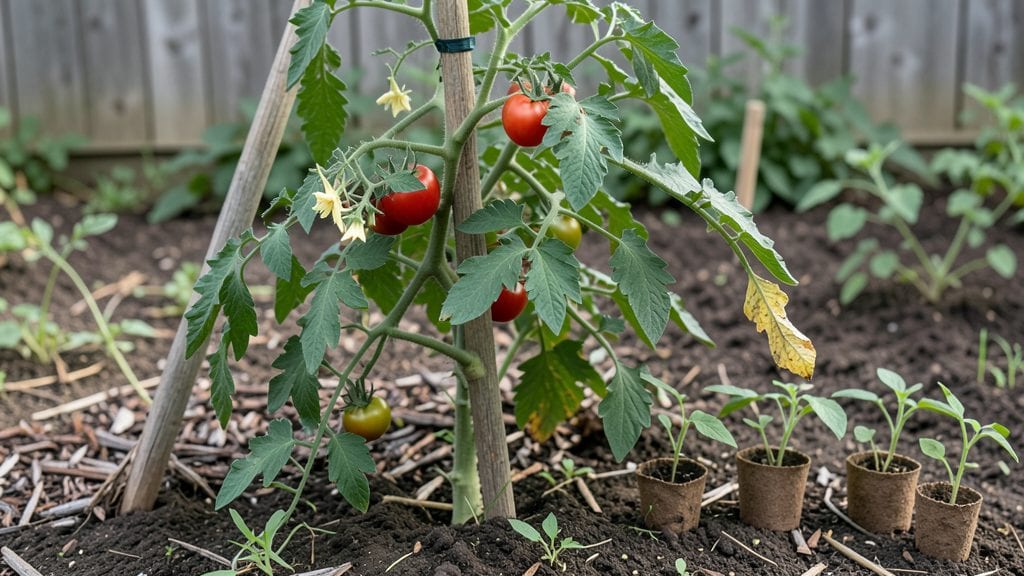
Mastering the tomato planting timeline turns a gamble into a guaranteed harvest 🍅—because those 60-day varieties won’t wait for you.
Timing is everything when growing tomatoes—plant too early, and frost will kill your seedlings; too late, and you’ll miss the summer harvest window. Follow this precise week-by-week schedule to maximize your yield and enjoy homegrown tomatoes from June to October.
In Zone 6a, where most gardeners live, your window is tight: seeds indoors by March 1, transplants in the ground by May 15, and the first ripe tomatoes by July 4.
Miss those dates, and you’re either shivering through a late frost or watching your plants bolt in the heat.
Here’s how to nail it—from seed to harvest—with exact dates, climate adjustments, and the one trick that adds 3 extra weeks to your season.
Best Time to Plant in General (USDA Zone 6a default)
April 15 - May 15 (after last frost)
Plant after last frost when soil temp reaches 60°F; use black plastic mulch to warm soil faster.
When to start tomato seeds indoors by climate zone
Starting tomato seeds indoors gives you a head start on the growing season, but timing is everything. Plant too early, and seedlings become leggy; too late, and you’ll miss your outdoor transplant window.
Your USDA climate zone determines the perfect seed-starting date to ensure healthy, robust plants ready for transplant when temperatures warm up. Let’s break down the ideal schedule for zones 3 through 10, including adjustments for heirloom, cherry, and beefsteak varieties.
For most gardeners, the goal is to transplant seedlings outdoors 2-3 weeks before your last frost date. This timing ensures plants are strong enough to handle outdoor conditions without shock. However, cold frames or greenhouses can extend your growing season by 4-6 weeks, allowing earlier starts in cooler zones.
If you’re using grow lights, you can start seeds 6-8 weeks earlier than the outdoor transplant window, but avoid starting too soon—seedling diseases like damping-off thrive in crowded, overcrowded trays.
Below is your customizable tomato seed-starting timeline by USDA zone, accounting for frost-free dates, variety maturity, and transplant readiness. Use this as your guide to plan your indoor seed-starting schedule for a bumper crop!
Pro Tip: Mark your calendar with the last frost date for your zone (available via the USDA Plant Hardiness Zone Map), then work backward using the table below. For example, if your last frost is May 15, you’ll want seedlings ready to transplant by May 1-15, meaning you should start seeds 8-10 weeks earlier (around March 1-15).
Greenhouse or Cold Frame? If you’re using a cold frame or unheated greenhouse, you can start seeds 4-6 weeks earlier than the table suggests. These structures protect seedlings from late frosts and allow for earlier outdoor planting. Just ensure nighttime temperatures stay above 50°F (10°C) to prevent stunted growth.
Now, let’s dive into the zone-specific seed-starting schedule to help you plan your tomato garden like a pro!
| USDA Zone |
Last Frost Date |
Start Seeds Indoors |
Transplant Outdoors |
Notes |
| 3-4 |
May 15-June 1 |
March 15-April 1 |
May 15-June 1 |
Use cold frames; slow growth in cool climates. |
| 5-6 |
April 15-May 1 |
February 20-March 15 |
April 30-May 15 |
Ideal for early starts; use grow lights if needed. |
| 7-8 |
March 15-April 1 |
January 20-February 15 |
April 15-May 1 |
Fast growth; can start earlier for succession planting. |
| 9-10 |
February 15-March 1 |
December 15-January 15 |
March 15-April 1 |
Long growing season; start early for fall harvests. |
| Variety Adjustments |
| Heirloom |
Start 2 weeks earlier |
Longer maturity |
Stake early |
Prune for air circulation |
| Cherry |
Start 1 week earlier |
Faster growth |
Use cages |
Harvest frequently |
Critical transplanting and care timeline for healthy tomato plants
Transplanting tomatoes at the right time and providing consistent care after planting makes the difference between a bountiful harvest and wilted disappointment. My week-by-week schedule ensures your seedlings thrive through hardening off, transplanting, and fruiting stages.
Whether you're growing heirloom or cherry tomatoes, these milestones keep your plants on track for a summer of juicy rewards.
Start by checking your last frost date—this is your transplanting anchor. In USDA Zone 6, that’s typically mid-April, but adjust based on your region. The 3-week window before and after your last frost is critical for preparing seedlings and soil.
Use this timeline to avoid common mistakes like overwatering or under-pruning, both of which stress plants and reduce yields.
🌱 Tomato Transplanting & Care Timeline
-
Week 1-2 Before Transplanting:
Hardening Off Seedlings: Move seedlings outdoors for 2-3 hours/day, increasing time daily. Protect from direct wind and sunburn with shade cloth.
-
Week of Transplanting (2-3 Weeks After Last Frost):
Transplant seedlings into well-draining soil (pH 6.0-6.8) at 12-18 inches apart (depending on variety). Bury stems 1/3 deep to encourage root growth.
-
Week 3-4 After Transplanting:
Install stakes or cages immediately to support 3-6 ft plants. Use soft ties to avoid damaging stems. Apply balanced fertilizer (5-10-10) at 1 tbsp/plant.
-
Week 5-6 (Flowering Stage):
Prune suckers (side shoots in leaf axils) to direct energy to fruit. Water at soil level to prevent disease. Watch for blossom end rot—apply calcium-rich fertilizer if spots appear.
-
Week 7-8 (Fruiting Stage):
Lightly fertilize every 4-6 weeks with high-phosphorus (10-20-10) to boost fruit production. Mulch with straw or grass clippings to retain moisture and suppress weeds.
-
Week 9-10 (Peak Harvest):
Harvest regularly to encourage more production. Remove overripe tomatoes to prevent pests. Reduce watering 2 weeks before first frost to harden plants for storage.
One of the biggest mistakes I see is skipping the hardening-off process, which leaves seedlings vulnerable to transplant shock. Gradually exposing them to outdoor conditions over 7-10 days strengthens their cell walls and improves survival rates.
If your seedlings look leggy or pale before transplanting, they’ve likely been overcrowded—thin them out or bury deeper to stabilize stems.
During the flowering stage, watch for blossom end rot, a common issue caused by calcium deficiency or inconsistent watering. Apply crushed eggshells or calcium nitrate to the soil to prevent dark, sunken spots on fruit.
Prune aggressively during this phase to improve air circulation and reduce disease risk like early blight.
As your tomatoes approach harvest time, focus on gentle handling to avoid bruising. Use a sharp knife or pruners to cut stems cleanly, leaving a small portion attached to the plant.
Store ripe tomatoes at room temperature (never in the fridge) to preserve flavor and texture. With this timeline, you’ll enjoy homegrown tomatoes from July through October—or even longer in mild climates!
★★★★★4.7(8 reviews)