
Planting
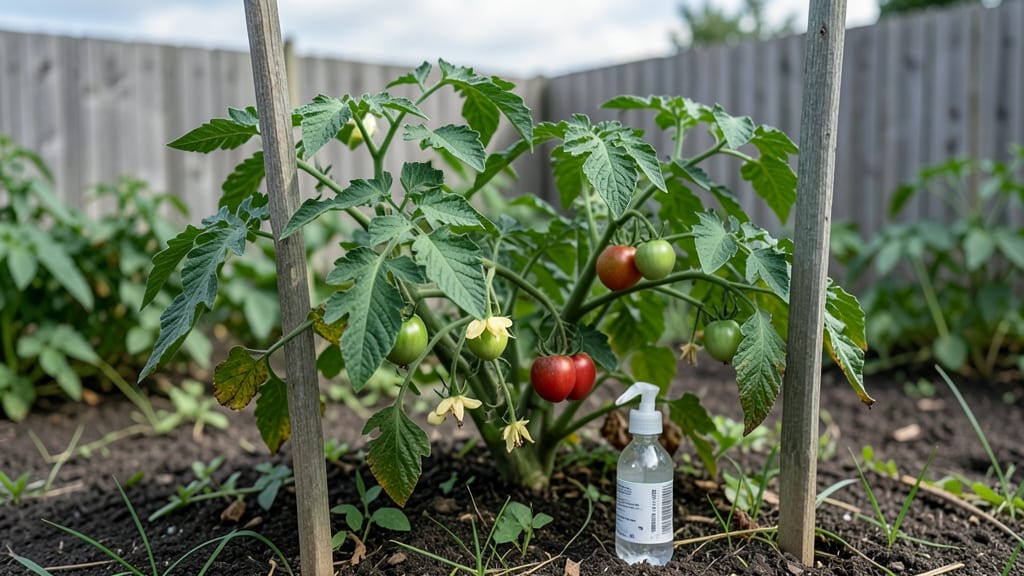
Tomato plants are toxic to pets and humans when ingested, particularly the green parts (leaves, stems, and unripe fruit), which contain solanine and tomatine—compounds that can cause vomiting, diarrhea, and lethargy. Only fully ripe red fruit is generally safe in moderation.
Tomato plants contain natural toxins in their green parts, making them dangerous if consumed by pets or humans. 🌱 The leaves and stems pack higher concentrations of solanine and tomatine than the ripe fruit, which break down as tomatoes mature.
Even small amounts can trigger stomach upset, while larger ingestions may lead to more severe reactions like drooling or weakness. The good news? Fully red tomatoes are generally safe in normal serving sizes, though they should still be enjoyed in moderation.
Understanding these risks helps gardeners create safer spaces. For example, placing tomato plants away from pet areas or using raised beds can minimize accidental exposure. 💫 Many non-toxic alternatives—like basil, marigolds, or sunflowers—offer both beauty and safety for shared environments.
💡 In This Article
- Toxic Components in Tomato Plants
- Pet-Safe Garden Alternatives to Tomatoes
Toxic components in tomato plants
The green parts of tomato plants—leaves, stems, and unripe fruit—contain solanine and tomatine, two alkaloid compounds that act as natural pesticides to deter insects and herbivores.
Solanine concentrations can reach 0.005-0.01% by weight in green stems, while tomatine levels are even higher in unripe fruit, peaking at 0.5-1.0% of dry weight. These compounds disrupt nerve cell function by binding to acetylcholine receptors, mimicking the neurotransmitter but preventing normal signaling. 🌿
As tomatoes ripen, their chlorophyll breaks down, and the plant redirects resources toward fruit development. This process reduces alkaloid production by up to 90% in fully red fruit, making ripe tomatoes far less toxic.
For example, a 100g serving of green tomato leaves might contain 5-10mg of solanine, while the same weight of ripe fruit typically has less than 1mg. The skin and seeds contain slightly higher concentrations than the pulp, which explains why peeling tomatoes can further reduce exposure risks.
Symptoms of ingestion vary by species and dosage. In humans, consuming 2-5g of green tomato leaves per kilogram of body weight (about 140-350g for a 70kg adult) may trigger mild gastrointestinal distress—nausea, vomiting, or diarrhea—within 6-12 hours.
Pets are far more sensitive: cats and dogs can show symptoms after ingesting just 0.5-1g/kg of green parts, leading to drooling, lethargy, or even cardiac arrhythmias in severe cases. The key difference lies in body size and liver metabolism rates—small animals process toxins more slowly.
Here's what happens chemically: tomatine binds to cholesterol in cell membranes, creating pores that leak cellular contents. Solanine inhibits acetylcholinesterase, causing muscle tremors and weakness. 💡 The ripening process doesn't eliminate these compounds entirely—it just dilutes them through fruit expansion.
That's why even ripe tomatoes should be consumed in moderation, especially for pets or individuals with sensitive digestive systems.
For perspective, compare these levels to other nightshade plants: potatoes contain 10-20mg/kg of solanine in green skins, while eggplants have 5-10mg/kg in unripe fruit. Tomato plants fall somewhere in between, but their widespread cultivation means accidental exposure is more common.
The bright green stems and leaves are particularly enticing to pets, who may nibble them out of curiosity—making prevention the best approach.
What most people don't realize is that cooking doesn't neutralize these toxins. Heat breaks down some alkaloids, but solanine and tomatine are stable up to 212°F (100°C). The only safe option is to remove all green parts from your diet and garden areas.
For pets, even small amounts can be dangerous, so consider using physical barriers or pet-safe alternatives like basil or marigolds in shared spaces. 🌟