Pests
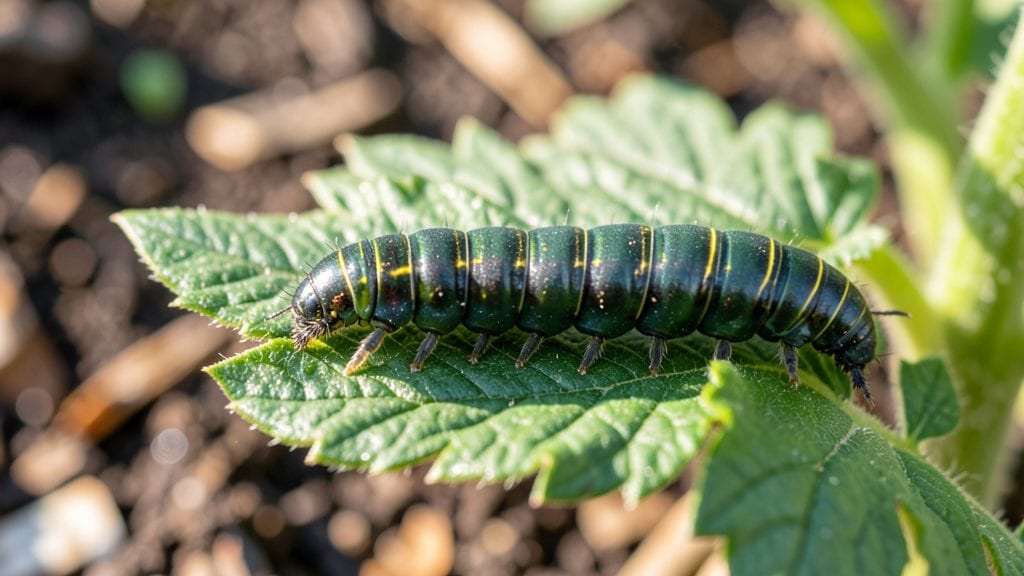
Tomato plant grubs can turn your thriving vines into skeleton leaves overnight—unless you act fast. 🌱 I’ve lost entire plants to these sneaky critters, but I’ve also saved others by knowing exactly where to look and what to do.
The key is spotting the damage early and using methods that don’t harm your plants or the soil.
Grubs from beetles, cutworms, or wireworms chew roots and stems, leaving plants wilted or toppled. You’ll see jagged holes in stems, wilting despite watering, or plants that fall over like they’ve been cut.
The good news? Organic solutions like neem oil, beneficial nematodes, or handpicking work better than most think—and they won’t leave chemical residue.
Within a week of treatment, you’ll see new growth pushing through, and those stubborn grubs will be history. The best part? These methods prevent future infestations, so next season, your tomatoes stay strong from seedling to harvest. Let’s get those plants back on track.
Works for both garden beds and containers, and it’s safe for kids and pets once fully implemented. No more guessing—just results. Here’s how to do it right the first time.
Hidden Culprits Invading Tomato Roots
When your tomato plants start looking ragged—yellowing leaves, stunted growth, or wilting despite proper care—underground pests are often the sneaky culprits.
These tiny invaders, like tomato hornworm larvae, cutworms, root-knot nematodes, and wireworms, thrive in soil conditions that may seem ideal to gardeners but are actually a buffet for them. Understanding why these pests target tomato roots helps you disrupt their lifecycle before they cause irreversible damage.
Let’s break down the key reasons these grubs show up in your garden and how they exploit your plants.
Tomatoes love nutrient-dense soil, but so do many grubs. When you amend your garden with compost, manure, or leaf mold, you’re not just feeding your plants—you’re also creating a luxurious habitat for pests. Grubs like white grubs (larvae of beetles) and cutworms are attracted to:
- Decaying plant material: Old roots, mulch, or uneaten fallen fruit provide shelter and food.
- High nitrogen levels: Fresh manure or synthetic fertilizers can spike nitrogen, which grubs crave for rapid growth.
- Moisture retention: Well-draining but consistently damp soil (like in raised beds or after heavy watering) keeps grubs hydrated and active.
Actionable fix: Use aged compost (6+ months old) and balance nitrogen with phosphorus/potassium (e.g., a 5-10-10 fertilizer). Avoid over-mulching near the stem.
Grubs are cold-blooded, meaning they’re most active when soil temperatures hover between 60–85°F (15–29°C). If your garden:
- Lacks airflow (e.g., thick mulch or compacted soil).
- Retains too much moisture (e.g., clay-heavy soil or poor drainage).
- Is shaded for long periods (slowing soil warming).
You’re essentially running a grub nursery. Wireworms (click beetle larvae) and root-knot nematodes thrive in these conditions, burrowing deeper to escape heat or dryness—only to re-emerge when conditions improve.
Actionable fix:
- Test soil drainage: Dig a 6-inch hole, fill it with water, and time how long it takes to drain. <1 hour = poor drainage.
- Use straw mulch (instead of wood chips) to allow airflow while retaining moisture.
- Plant tomatoes in full sun (6+ hours/day) to naturally deter pests with heat.
When tomato plants are too close together, they compete for nutrients—but grubs see it as an all-you-can-eat salad bar. Overcrowding creates:
- Shaded soil: Cooler, damper conditions perfect for nematodes and cutworms.
- Root stress: Weakened roots (from competition) are easier targets for grubs to chew through.
- Hidden entry points: Dense foliage hides grubs until they’ve already done damage.
Studies show that tomato hornworm larvae (a major grub threat) are 3x more likely to infest stressed plants. They don’t just eat leaves—they strip roots, causing plants to collapse overnight.
Actionable fix: Space tomato plants 18–24 inches apart (or 36" for indeterminate varieties). Prune lower leaves to improve airflow and sunlight penetration.
If you’ve grown tomatoes, potatoes, eggplants, or peppers in the same spot year after year, you’re feeding the cycle. Many grubs, like colorado potato beetle larvae or root maggots, are host-specific and will return to the same family of plants.
Even if you rotated crops, their eggs or pupae can linger in the soil for:
- Wireworms: Up to 4 years in dormancy.
- Root-knot nematodes: Decades in ideal conditions.
- Cutworm eggs: Hatch when soil warms in spring, even from last year’s laid eggs.
Actionable fix:
- Practice 3–4 year crop rotation (avoid nightshades in the same bed).
- Solarize soil in late summer: Cover beds with clear plastic for 4–6 weeks to kill pupae/eggs (temperatures reach 120°F/49°C).
- Plant trap crops like basil or marigolds nearby to lure pests away.
Healthy soil is a balanced ecosystem. Without natural predators, grubs multiply unchecked. Common tomato grub predators include:
- Ground beetles: Devour grubs like white grubs and cutworms.
- Birds (e.g., robins, starlings): Target surface-dwelling grubs.
- Beneficial nematodes (Steinernema spp.): Parasitize grubs internally.
- Toads and frogs: Hunt wireworms and beetle larvae.
If your soil lacks diverse microbial life (from synthetic chemicals or poor organic matter), these predators vanish, leaving grubs to feast unopposed.
Actionable fix:
- Introduce compost tea or mycorrhizal fungi to boost soil biodiversity.
- Avoid broad-spectrum pesticides (they kill predators too). Use neem oil or kaolin clay as barriers.
- Install a birdhouse or toad abode near your garden.
Quick Fixes for Tomato Plant Grubs
Tomato plant grubs—those sneaky, soil-dwelling pests—can turn your lush tomato plants into a sad, chewed-up mess. But don’t panic! With the right approach, you can save your plants, protect your harvest, and keep your garden thriving—without harsh chemicals.
Below, we break down targeted solutions based on the root cause of your grub problem, from manual removal to long-term prevention.
If you’ve spotted small holes, wilting leaves, or grubs munching on roots, it’s time to roll up your sleeves.
🍳 Step 1: Inspect & Identify the Damage
- Gently dig around the base of affected plants (6–8 inches deep).
- Look for white, C-shaped grubs (likely squash vine borers or Colorado potato beetle larvae) or small, brown beetles (Japanese beetles).
- Pro tip: Check early morning or evening when grubs are less active.
👨🍳 Step 2: Handpick & Dispose
- Wear gloves (grubs can be slimy or have irritating hairs).
- Drop grubs into soapy water (1 tbsp dish soap per gallon) to kill them instantly.
- Do NOT compost them—they’ll hatch and reinfest!
🥘 Step 3: Refresh the Soil (Optional)
- If roots are heavily damaged, rinse the soil with a strong hose spray to dislodge grubs.
- Replace topsoil with fresh, organic matter to deter future pests.
For prevention and active infestations, these natural repellents work wonders.
🌿 Neem oil spray (best for young grubs)
- Mix: 2 tbsp neem oil + 1 tsp mild soap + 1 quart water.
- Spray: Coat leaves, stems, and soil at dusk (avoids harming bees).
- Reapply every 5–7 days until grubs are gone.
- ✨ Why it works: Disrupts grubs’ feeding and growth cycles.
🛡️ Diatomaceous Earth (DE) Barrier (For Soil Dwellers)
- Sprinkle food-grade DE around plant bases (avoid overwatering after application).
- Reapply after rain—it loses effectiveness when wet.
- 💡 Caution: Wear a mask when applying to avoid inhaling dust.
🍋 Vinegar & Chili Pepper Spray (Deters Adult Beetles)
- Blend: 1 gallon water + 1 cup vinegar + 2 tbsp cayenne pepper.
- Strain and spray on foliage and soil (avoid spraying flowers to protect pollinators).
- Best for: Japanese beetles and squash vine borers.
The key to grub-free tomatoes is proactive garden care. Try these low-effort, high-impact strategies:
| Prevention Method | How to Do It | Best Time to Apply |
|---|---|---|
| Crop Rotation | Avoid planting nightshades (tomatoes, potatoes, peppers) in the same spot yearly. | Before planting season |
| Beneficial Nematodes | Apply Heterorhabditis bacteriophora to soil (kills grubs naturally). | Early spring or fall |
| Interplanting | Grow basil, marigolds, or nasturtiums near tomatoes (repels pests). | At planting time |
| Healthy Soil | Add compost and worm castings—strong plants resist pests better. | Spring soil prep |
| Row Covers | Use floating row covers to block adult beetles from laying eggs. | Early season (remove for pollination) |
- Early season (seedlings): Focus on prevention (DE, nematodes, row covers).
- Mid-season (active grubs): Use neem oil + manual removal.
- Late season (adult beetles): Switch to vinegar sprays + traps.
🔥 Remember: The sooner you act, the less damage grubs will cause. Check plants weekly during peak grub season (late spring to early summer).
Need extra help? If grubs keep coming back, consider setting up beer traps (yes, really!) or introducing predatory insects like ground beetles. Your tomatoes will thank you! 🍅💚
Frequently asked questions
What do tomato plant grubs look like, and how can I tell if my plants have them?
Grubs are usually white or tan, C-shaped larvae about ½–1 inch long with soft bodies. Look for chewed roots, wilting despite watering, or plants that topple over like they’ve been cut. Check soil around the base early morning when grubs are sluggish.
Are chemical pesticides safe for tomato plants, or should I stick to organic methods?
Chemical pesticides like imidacloprid can kill grubs but also harm beneficial insects and leave residues. Organic methods like neem oil, beneficial nematodes, or diatomaceous earth work just as well without risks. For edible plants, organic is always the safer choice.
How often should I check my tomato plants for grubs?
Inspect plants weekly during peak grub season (late spring to early summer). Early morning or evening is best—grubs are less active then. Focus on wilting plants or areas with fresh damage, as these are hotspots for infestations.
Can grubs survive in potted tomato plants, and how do I treat them?
Yes! Grubs thrive in containers too. Handpick them from the soil, then treat with neem oil or beneficial nematodes. Avoid overwatering—grubs love moist soil. For prevention, use cactus soil mix (less organic matter) and check drainage holes regularly.
Will grubs come back next year if I treat them this season?
Possibly! Many grubs (like wireworms) can linger in soil for years. To break the cycle, practice 3–4 year crop rotation, use solarization (covering beds with plastic in summer), and introduce predatory insects like ground beetles. Long-term prevention is key!