
Blooming
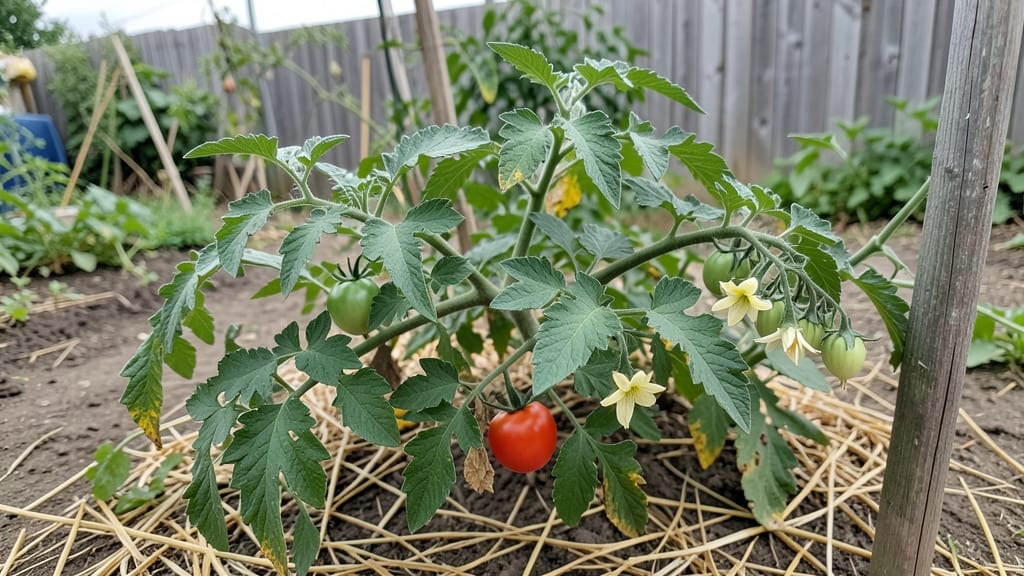
Understanding tomato plant flower stages is the key to turning those tiny blooms into a bounty of juicy fruit. 🌸 I’ve watched my own plants go from hopeful buds to heavy vines sagging under tomatoes—and the difference between success and frustration often comes down to knowing exactly what each stage needs.
The journey starts with tiny green buds that look like miniature leaves, then progresses to white or yellow flowers that open in the morning. Each stage has specific needs: buds need consistent water, blooms need gentle pollination, and set fruit needs support to keep the plant upright.
Miss one step, and you might end up with dropped flowers or stunted tomatoes.
By recognizing these stages, you’ll catch problems early—like blossom end rot or poor pollination—and take action before it’s too late. The payoff? A vine loaded with plump, flavorful tomatoes instead of half the flowers falling off. Let’s break it down so you can grow like a pro.
Whether you’re dealing with indoor plants or a backyard garden, these stages apply everywhere. The secret isn’t just waiting—it’s knowing what to do at each moment. Ready to turn those flowers into fruit?
📚 In This Guide
- What you need
- Instructions
- Tips and common mistakes
- Wrapping up and next steps
What you need
- ● Tomato seeds or seedlings: Choose disease-resistant varieties (e.g., Solanum lycopersicum) suited to your climate. Quantity: 1–4 plants per container or 10+ seeds for direct sowing.
- ● Containers or garden bed: Containers: 5-gallon pots (minimum) with drainage holes. Quantity: 1 per plant.
- ● Garden bed: Well-draining soil, 18–24" deep, in full sun (6–8+ hours/day).
- ● Potting mix: High-quality, sterile mix (e.g., 50% peat moss + 50% perlite/vermiculite). Quantity: 1–2 bags (1.5–2 cubic feet each).
- ● Fertilizer: Balanced fertilizer (e.g., 10-10-10 NPK): For seedlings. Quantity: 1 lb.
- ● Tomato-specific fertilizer (e.g., 5-10-10 or organic options like composted manure): For flowering stage. Quantity: 1–2 lbs.
- ● Watering can or hose with spray nozzle: For gentle hydration (avoid wetting flowers).
- ● Pruning shears: Sharp, sterilized shears (or clean scissors) for trimming suckers and dead flowers.
- ● Support system: Cages or stakes: 4–6 ft tall for indeterminate varieties.
- ○ Trellis: For determinate varieties (optional but helpful).
- ● Handheld fan or paintbrush: For manual pollination (especially useful in greenhouses or windless conditions).
- ● Grow lights: LED or fluorescent (12–16 hrs/day) for indoor seedlings.
- ● pH test kit: To monitor soil pH (ideal: 6.0–6.8 for tomatoes).
- ● Mulch: Straw or shredded leaves to retain moisture and suppress weeds.
- ● Pollination spray: Commercial or DIY (e.g., sugar water + yeast) to attract bees.
- ● Camera or phone with macro lens: For documenting flower stages (because science is fun!).
How to identify and support tomato flower stages for better yields
Here's how I recognize each stage and what to do to ensure healthy fruit set.
🌱 Step 1: Recognize the First Flower Clusters
The first flowers appear in leaf axils (where leaves meet stems) about 4-6 weeks after transplanting, when your plant has 4-6 sets of true leaves. These are tiny yellow buds that look like miniature starbursts. I always check the lower leaf axils first—those flowers will set fruit earliest.
Don't remove these early flowers unless your plant looks stressed. Removing them can reduce overall yield, though it might help later blooms develop stronger. If your plant is leggy or pale, focus on improving light first before worrying about flower removal.
☀️ Step 2: Monitor Flower Opening and Pollination
Tomato flowers open fully in the morning, revealing yellow anthers that release pollen. The perfect bloom stays open for 1-2 days before wilting. This is when you'll see the most pollination activity—bees or gentle wind carry pollen to the stigma (the sticky center).
If you're growing indoors or in poor pollination conditions, give the flowers a light shake in the morning to help pollen transfer. Avoid touching the stigma directly—it's delicate and can damage easily. Watch for swollen ovaries at the flower base within 3-5 days—that's your sign pollination worked.
🌿 Step 3: Identify Fruit Set and Early Development
Successful pollination turns flowers into tiny green tomatoes (fruit set) that grow rapidly. These first fruits appear as pea-sized bumps at the flower base. I always mark these with a small stake so I can track their growth—it helps me plan future pruning and support.
If flowers drop off without setting fruit, it's often due to temperature stress (above 90°F or below 55°F) or poor pollination. In hot climates, shade cloth can help prevent flower drop. Keep an eye on the leaf-to-fruit ratio—too many fruits at once can exhaust the plant.
⏰ Step 4: Support Mid-Stage Fruit Growth
As fruits grow from 1-2 inches to 3-4 inches, they'll develop a slightly ribbed texture and turn a deeper green. This is when you should prune suckers (side shoots) to redirect energy to existing fruit. I prune in the morning so wounds have all day to heal.
Watch for blossom end rot (dark spots at the fruit's base) caused by calcium deficiency. A weekly foliar spray of diluted calcium chloride or crushed eggshell tea can prevent this. Keep soil consistently moist but not soggy—1 inch of water weekly is ideal during this stage.
✂️ Step 5: Prepare for Late-Stage Ripening
When fruits reach 70-80% of their mature size, they'll start changing color—green turning to pink, then red, yellow, or whatever variety you're growing. This is when you can reduce watering slightly to concentrate sugars in the fruit. I water deeply every 5-7 days instead of daily.
Remove any overripe or diseased fruits immediately to prevent spoilage from spreading. If birds become a problem, cover plants with lightweight netting. Harvest when fruits are fully colored and slightly soft to the touch—this ensures peak flavor and prevents cracking.
Tips & tricks for perfect tomato flower pollination
These simple strategies will help you maximize fruit set and keep your tomato plants thriving from bloom to harvest.
Timing is Everything: The 4-6 week window for first flowers is critical—this is when your plant has enough energy to support fruit development. I've found that plants with 4-6 sets of true leaves handle stress better, so don't rush transplanting. If you see flowers before this stage, your plant might be struggling, and removing them can actually help later blooms develop stronger.
Temperature Watch: Those temperature extremes (above 90°F or below 55°F) are deadly for pollination. In hot climates, I've had great success with shade cloth that reduces temperatures by 10-15°F during peak afternoon heat. For cooler climates, consider using a small greenhouse or row covers to maintain temperatures above 55°F during flowering. The key is keeping flowers within that ideal range when they open in the morning.
Visual Pollination Check: When you see those swollen ovaries within 3-5 days after flower opening, you know pollination worked! I always make a note in my garden journal when I spot this—it helps me track which flowers were successfully pollinated. For indoor growers or areas with poor bee activity, a light shake in the morning can work wonders, but avoid touching the delicate stigma directly.
Pruning Strategy: The 1-2 inch to 3-4 inch growth stage is prime time for pruning suckers. I prune in the morning because the plant's natural defense mechanisms are most active then, and wounds heal faster. Remember to redirect that energy to existing fruit—too many suckers can actually reduce your overall yield by competing with established tomatoes.
Pro Tips for Tomato Plant Flower Stages
- These simple strategies will help you maximize fruit set and keep your tomato plants thriving from bloom to harvest.
- Timing is Everything: The 4-6 week window for first flowers is critical—this is when your plant has enough energy to support fruit development.
- Temperature Watch: Those temperature extremes (above 90°F or below 55°F) are deadly for pollination.
Frequently asked questions
Got questions about your tomato plant’s flowers? You’re not alone! Here are answers to the most common concerns—from timing to troubleshooting—to help you grow bigger, juicier tomatoes.
How long does it take for tomato flowers to turn into fruit?
After successful pollination, tomato flowers typically take 7–14 days to transform into small green tomatoes (called "tomato set"). Warmth, sunlight, and consistent watering speed up this process. If flowers drop without fruiting, check for pollination issues or environmental stressors like heat stress.
Why are my tomato flowers falling off before fruiting?
Flower drop (also called "blossom drop") happens for several reasons:
- Heat stress: Temperatures above 90°F (32°C) can cause flowers to abort. Use shade cloth or mulch to cool roots.
- Water fluctuations: Uneven watering stresses plants. Aim for 1–1.5 inches of water per week.
- Nutrient imbalance: Too much nitrogen promotes leaves over fruit. Switch to a phosphorus-rich fertilizer (like 5-10-10) during flowering.
Pro tip: Hand-pollinate flowers on hot days by gently shaking the plant or using a small brush.
Do tomato plants need bees to produce fruit?
Nope! While bees help, tomato flowers can self-pollinate. Give them a nudge by shaking the plant lightly in the morning when flowers open. For indoor or greenhouse growers, use a small paintbrush to transfer pollen from stamen to pistil. Rainy or windless days? Pollination tools come in handy!
What’s the best temperature range for tomato flowers to set fruit?
Tomato flowers thrive in 55–85°F (13–29°C). Below 55°F (13°C), pollination slows; above 90°F (32°C), flowers drop. Use these tricks to stay in the sweet spot:
- Mulch with straw or black plastic to regulate soil temps.
- Provide afternoon shade in hot climates.
- Start seedlings indoors if your spring is chilly.
Bonus: Morning sun + evening warmth = happy flowers!
Can I prune tomato flowers to get bigger fruit?
Pruning flowers (called "succession pruning") isn’t necessary but can help in crowded plants. Focus on:
- Removing small, weak flowers to redirect energy to larger fruit.
- Leaving 3–5 main stems on indeterminate varieties for better airflow.
- Avoid over-pruning—too few flowers mean fewer tomatoes!
Best for: Determinate varieties (like 'Roma') where you want fewer, larger fruits.
Wrapping up and next steps
Understanding the tomato plant flower stages is your first step toward a thriving harvest! From bud formation to fruit set, each phase plays a critical role in pollination success. With the right tools and techniques—like hand-pollination or attracting bees—you’re well on your way to a bountiful garden. 🌱
Now that you’re armed with knowledge, take action! Start observing your plants today, and don’t hesitate to experiment with pollination methods. Every little effort brings you closer to those juicy, homegrown tomatoes you’ve been dreaming of. Happy gardening! 🍅