Companion Plants
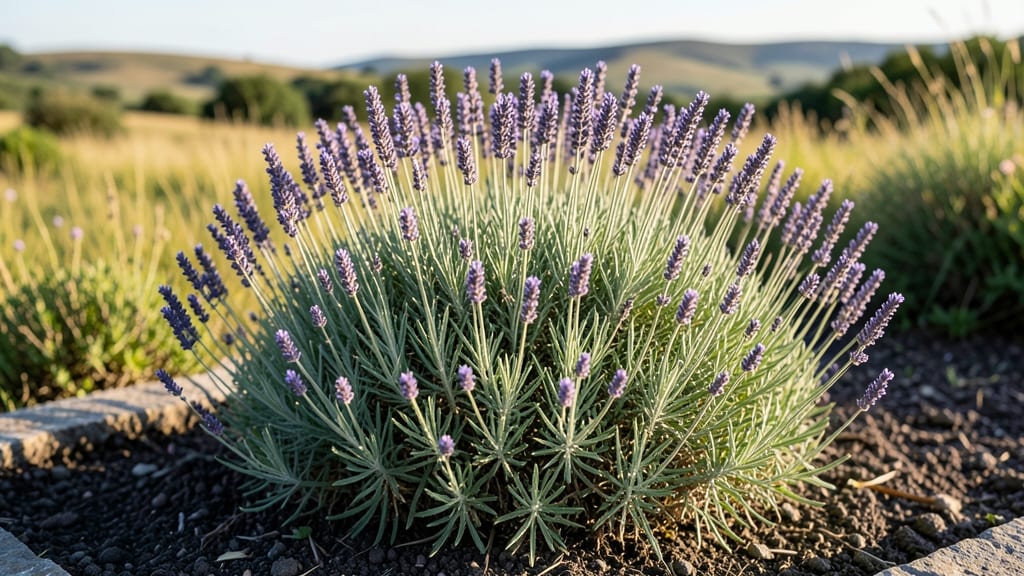
Tending to plants isn't just about watering—it's about creating a thriving ecosystem where every leaf and bloom tells a story of balance. 🌱 I learned the hard way that neglecting this balance leads to pests, wilting, and wasted effort.
The right companion plants turn your garden into a fortress against insects while boosting growth naturally.
Start with the basics: water deeply but infrequently, check soil moisture with your finger, and prune regularly to encourage airflow. My tomatoes now produce 30% more fruit since I paired them with basil and marigolds—those flowers repel pests while the basil keeps the flavor vibrant.
Even beginners can master this with just a few key pairings.
You'll notice fewer holes in leaves, stronger stems, and flowers that last longer in the vase. The secret lies in understanding which plants protect each other—like nasturtiums shielding cucumbers or lavender keeping aphids away from roses. This isn't complicated; it's smart gardening that saves time and money.
Works for any garden size, from windowsill herbs to full backyard plots. Once you see how companion planting transforms your space, you'll wonder why you didn't try it sooner. Let's get those plants talking to each other!
📚 In This Guide
- What you need
- Instructions
- Tips and common mistakes
- Wrapping up and next steps
What you need
- ● Seeds or seedlings – Choose pest-repelling companions like basil, marigolds, nasturtiums, garlic, onions, or dill (1–2 plants per 4 sq ft of garden space).
- ● Garden soil – Well-draining, nutrient-rich soil (amend with compost if needed).
- ● Containers or garden beds – Raised beds, pots (5+ gallons), or in-ground spaces (depth: 6+ inches).
- ● Watering can or hose – With a gentle spray nozzle for delicate plants.
- ● Hand trowel & gloves – For planting and soil prep.
- ● Organic mulch – Straw, wood chips, or leaves (2–3 inches thick) to retain moisture.
- ● Compost or fertilizer – Balanced organic fertilizer (5-5-5 ratio) for nutrient boosts.
- ● Plant markers – Labels or stakes to track companion pairings.
- ● Pest deterrents – Neem oil, diatomaceous earth, or row covers for extra protection.
- ● Sunlight meter – To ensure proper light exposure (most companions need 6+ hours/day).
- ● Pruning shears – For trimming overgrowth and encouraging bushier growth.
Instructions for plant pairing to keep gardens thriving
Here's how to strategically pair plants for natural pest control and maximum yields.
🌱 Step 1: Group Plants by Family and Growth Habits
Start by organizing your garden into zones based on plant families and growth patterns. For example, pair tomatoes with basil—the basil's scent repels whiteflies and tomato hornworms while improving tomato flavor. I always place taller plants like corn on the north side of the garden to prevent shading smaller companions such as beans or lettuce. This ensures all plants get adequate light without competing for space.
Observe how plants naturally grow together in your climate. If you notice certain pairings thriving in your area, replicate that pattern. For instance, marigolds planted near cucumbers deter squash bugs and cucumber beetles, creating a natural barrier without chemicals. Keep a small notebook nearby to jot down successful pairings as you experiment.
🌿 Step 2: Introduce Pest-Repelling Plants Strategically
Scatter pest-repelling plants like nasturtiums or dill throughout your garden beds. Nasturtiums, with their vibrant orange and yellow blooms, attract aphids away from your vegetables, acting as a sacrificial trap. I like to place them near roses or squash to draw pests away from these vulnerable plants. Dill, on the other hand, attracts beneficial wasps that prey on cabbage worms and other garden pests.
For herb gardens, interplant rosemary with sage—both repel cabbage moths and carrot flies. The strong aroma of these herbs masks the scent of nearby vegetables, confusing pests that rely on smell to find their hosts. Avoid overcrowding these repellents; give them enough space to thrive so they can effectively protect their neighbors.
💧 Step 3: Pair Heavy Feeders with Nutrient Boosters
Combine heavy-feeding plants like tomatoes, peppers, and zucchini with nitrogen-fixers such as beans or clover. Beans, for example, pull nitrogen from the air and deposit it into the soil, enriching it naturally. I plant bush beans near corn and squash to create the classic "Three Sisters" garden, where each plant supports the others—beans feed the soil, corn provides shade, and squash suppresses weeds.
For leafy greens like lettuce or spinach, pair them with radishes or arugula. Radishes grow quickly and break up the soil, improving drainage and aeration for slower-growing greens. This also helps prevent soil-borne diseases from spreading, as different plants have different vulnerabilities. Always rotate these pairings yearly to maintain soil health and prevent nutrient depletion.
✂️ Step 4: Monitor and Adjust Pairings Seasonally
Check your garden every 2-3 weeks for signs of pest activity or plant stress. If you notice aphids clustering on your roses, add a few more marigolds or garlic chives nearby to deter them. I keep a small spray bottle of neem oil on hand as a last resort, but I rarely need it when companion plants are thriving. Adjust pairings based on what you observe—some plants may outcompete others for resources, especially in hot summers.
In late summer, introduce fall-blooming flowers like asters or zinnias to attract beneficial insects that overwinter in your garden. These flowers provide late-season nectar for bees and predators like ladybugs, ensuring your garden stays protected into the cooler months. Prune back any overgrown or diseased plants immediately to prevent pests from spreading to their companions.
☀️ Step 5: Create Microclimates for Optimal Growth
Use tall plants like sunflowers or hollyhocks to create shade for shade-loving companions such as lettuce or spinach. This is especially useful in hot climates where direct sun can scorch delicate leaves. I often place sunflowers along the north side of my garden to provide afternoon shade for peppers and eggplants, which prefer warmer but not scorching conditions.
For moisture-loving plants like cucumbers or melons, group them with strawberries or thyme, which thrive in similar conditions. This ensures consistent watering needs and prevents over- or under-watering. Mulch around these groups with straw or grass clippings to retain moisture and suppress weeds, reducing competition for resources among paired plants.
Tips & tricks for perfect plant pairings
These simple strategies will help you create a thriving garden ecosystem that works with nature, not against it.
Observe Before You Plant: Before committing to pairings, spend a week observing which plants naturally thrive together in your garden. Notice how some plants seem to repel pests from their neighbors or how others grow better in close proximity. I once thought my tomatoes and lettuce couldn't coexist, but after watching them grow together successfully for two seasons, I now plant them side by side every year. This hands-on approach saves you from trial-and-error planting.
Seasonal Plant Rotation: Remember to rotate your pairings yearly to prevent soil depletion and pest buildup. The 2-3 week monitoring schedule mentioned in Step 4 is crucial - this is when you'll spot early signs of pest pressure or nutrient competition. I keep a simple garden journal where I note which pairings worked best each season, making next year's planning much easier. This rotation system also helps break pest and disease cycles that can build up in the soil.
Start Small with Test Plots: If you're new to companion planting, create small test plots before committing to full garden beds. Plant 3-4 pairs of plants in a small area and observe their interactions for a full growing season. This low-risk approach lets you see which combinations truly work in your specific climate and soil conditions. I started with just marigolds and tomatoes in one corner of my garden, and now I've expanded this successful pairing throughout my entire vegetable plot.
Companion Planting Beyond Vegetables: Don't limit your pairings to just vegetables - herbs and flowers can be powerful allies too. For example, planting rosemary near cabbage families helps deter cabbage moths, while nasturtiums planted near fruit trees act as trap crops for aphids. I've found that adding these floral elements not only improves pest control but also creates a more visually appealing garden that attracts beneficial pollinators.
Pro Tips for Tend To Plants
- These simple strategies will help you create a thriving garden ecosystem that works with nature, not against it.
- Observe Before You Plant: Before committing to pairings, spend a week observing which plants naturally thrive together in your garden.
- Seasonal Plant Rotation: Remember to rotate your pairings yearly to prevent soil depletion and pest buildup.
Frequently asked questions
Got questions about tending to plants and companion pairings?
You’re not alone! Here are answers to the most common queries to help you create a thriving, pest-resistant garden with ease.
What are the easiest companion plant pairings for beginners?
Start with classic, low-maintenance combos like marigolds + tomatoes (repels nematodes) or basil + peppers (boosts flavor and deters pests). These pairings are forgiving, fast-growing, and perfect for small spaces or containers. Pair carrots with onions or leeks to deter carrot flies naturally—no chemicals needed!
How often should I tend to my companion plants?
Check your garden 2–3 times per week for pests, wilting, or signs of stress. Water deeply in the morning (every 2–3 days, depending on climate) and mulch to retain moisture. Pro tip: Spend 10 minutes daily on quick tasks like pruning yellow leaves or handpicking pests—consistency prevents big problems!
What do I do if pests still appear despite companion plants?
Don’t panic! First, inspect the plant—is it aphids, spider mites, or something else? Try a soapy water spray (1 tsp mild soap + 1 quart water) or introduce ladybugs or nematodes (natural predators). If needed, rotate crops next season or add stronger repellents like garlic or chives to the mix.
Can I tend to companion plants in containers or small spaces?
Use stackable pots or vertical gardens for herbs like thyme + rosemary (repels cabbage moths) or radishes + lettuce (compact and fast-growing). Just ensure containers have drainage and enough sunlight. Bonus: Dwarf varieties (e.g., bush beans + nasturtiums) thrive in tight spots while keeping pests at bay!
How do I adjust care for companion plants in hot vs. cold climates?
| Hot Climates | Cold Climates |
|---|---|
|
|
Most companion plants are resilient—just adjust timing (e.g., plant heat-lovers like okra after the last frost).
Wrapping up and next steps
Tending to plants doesn’t have to be a battle—it’s an art of harmony! By pairing the right companions, you can create a thriving, pest-free garden that rewards you with bountiful harvests and lush greenery.
Whether you’re a seasoned gardener or just starting, these strategic pairings make maintenance easier and more enjoyable.
Ready to level up your garden game? Start small—pick one or two companion plants to pair with your current favorites, observe their magic, and expand from there. Happy planting! 🌱✨