Size
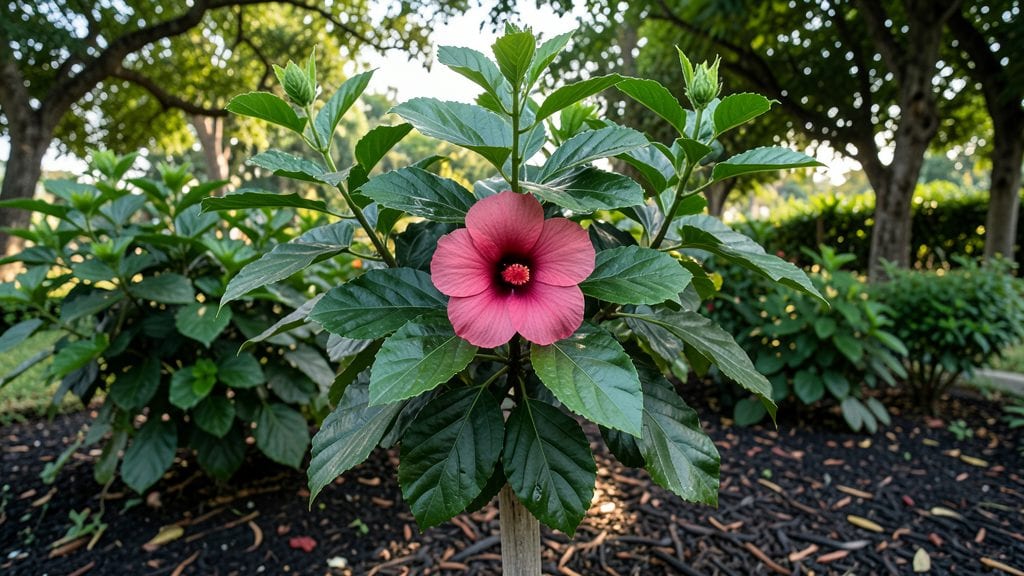
Growing a tall hibiscus plant that reaches skyward isn't just possible—it's easier than you think, and the payoff is jaw-dropping. 🌟 I've watched these tropical giants shoot up 10 feet in a single season, their glossy leaves catching the light like emerald canopies.
The key? Understanding their growth quirks before they even sprout.
These plants thrive in warm climates but can also overwinter indoors with the right care. They demand full sun (think 6+ hours daily), well-draining soil, and regular water—never soggy roots.
The real magic happens when you prune strategically: three simple cuts at the right times will keep them lush, not leggy, while encouraging that dramatic vertical growth everyone loves.
Imagine a backyard centerpiece that blooms from summer through fall, with flowers the size of dinner plates. That's what you're cultivating here—not just a plant, but a living sculpture. The first flush of blooms arrives around 8-10 weeks after proper pruning, and with consistent care, they'll keep producing until frost.
Works for both container gardens (with deep pots) and in-ground planting. Whether you're aiming for a tropical oasis or just want that "wow" factor in your landscape, these pruning tips are your secret weapon. Let's get those stems reaching for the sky!
📚 In This Guide
- What you need
- Instructions
- Tips and common mistakes
- Wrapping up and next steps
What you need
- ● Tall hibiscus plant: Choose a variety like Hibiscus rosa-sinensis or Hibiscus syriacus (for hardier options). Start with a healthy, established plant or seeds.
- ● Well-draining potting mix: A blend of 60% peat or coconut coir, 20% perlite or vermiculite, and 20% compost (for containers). For in-ground planting, amend soil with compost or aged manure.
- ○ Large container (optional but recommended): A 15–20 gallon pot with drainage holes for container growth. Ensure it’s at least 12–18 inches deep to accommodate root growth.
- ● Slow-release fertilizer: A balanced 10-10-10 or 20-20-20 formula (follow package instructions for dosage). Organic options like fish emulsion or worm castings also work.
- ● Pruning shears: Bypass pruners (for clean cuts) or sterilized hand pruners (for smaller stems). Sharpen blades to prevent tearing.
- ● Support structure: A bamboo stake, trellis, or tomato cage (for varieties that need vertical support). Choose one taller than your target plant height (e.g., 6–8 feet for a tall hibiscus).
- ● Mulch: Organic mulch (e.g., shredded bark or straw) to retain moisture and regulate soil temperature.
- ● Watering can or hose with adjustable nozzle: Hibiscus loves water but hates soggy roots—aim for deep, infrequent watering (1–2 inches per week).
- ● Growth regulator: A dormant oil spray (like Neem oil) to prevent pests or fungal issues.
- ● pH test kit: Hibiscus thrives in slightly acidic soil (pH 6.1–6.5). Adjust with lime (to raise pH) or sulfur (to lower pH) if needed.
- ● Slow-release moisture beads: Add to potting mix to reduce frequent watering.
- ● Plant ties or soft garden twine: For securing young stems to support structures.
- ● Sunlight meter or light meter app: To ensure your hibiscus gets 6+ hours of direct sunlight daily.
Step-by-Step instructions for growing a towering hibiscus plant
Here's how to coax your hibiscus into reaching sky-high proportions with minimal effort.
🌱 Step 1: Choose the Right Variety and Planting Spot
Start with a tropical hibiscus (Hibiscus rosa-sinensis)—the hardy, fast-growing variety that climbs naturally. Plant it in a location with full sun exposure (6+ hours daily), though it tolerates partial shade in hotter climates. I always pick a spot near a wall or trellis because hibiscus vines love to climb and lean.
Dig a hole twice as wide as the root ball but only as deep. Amend the native soil with 2-3 inches of compost mixed into the bottom of the hole to encourage deep root growth. Hibiscus roots are sensitive to disturbance, so handle the root ball gently when planting—no rough tugging or bending.
☀️ Step 2: Water Deeply and Establish a Routine
Water immediately after planting to settle the soil around the roots. Hibiscus thrives when the soil stays consistently moist but not soggy. I check moisture by sticking my finger 2 inches deep—if it feels dry, it's time to water. Overwatering is the quickest way to kill a hibiscus, so always ensure the planting hole has proper drainage.
Mulch around the base with 2-3 inches of organic mulch to retain moisture and regulate soil temperature. Keep mulch 6 inches away from the stem to prevent rot. Young plants need every 2-3 days of watering, while established plants tolerate every 5-7 days once roots are deep.
✂️ Step 3: Prune Strategically for Height and Blooms
Prune in late winter or early spring before new growth begins. Cut back 1/3 of the plant's height to encourage bushier growth and more flowers. Always make cuts just above a leaf node or bud—never leave stubs. I use clean, sharp pruners to avoid tearing the stems, which invites disease.
For a taller hibiscus, avoid heavy pruning on the main stems. Instead, trim side branches to redirect energy upward. Remove any dead, diseased, or crossing branches first—they compete with your height goals. You'll see new growth within 2-3 weeks of pruning, signaling the plant is responding well.
🪴 Step 4: Fertilize and Support for Maximum Growth
Feed with a balanced, water-soluble fertilizer (10-10-10) every 4-6 weeks during the growing season. Hibiscus is a heavy feeder, so don't skimp—dilute fertilizer to half-strength to avoid burning roots. I also add 1 tablespoon of Epsom salt per gallon of water monthly to boost magnesium, which keeps leaves vibrant.
Install a sturdy trellis, fence, or support structure within 6-12 inches of the plant at planting. Hibiscus vines are strong but need guidance to climb vertically. Tie stems loosely to the support with soft plant ties as they grow, adjusting every 4-6 weeks to prevent girdling. With proper support, your hibiscus can reach 10-15 feet tall in ideal conditions.
Tips & tricks for growing a towering hibiscus plant
Real talk: The difference between a 5-foot bush and a 15-foot showstopper often comes down to these small details.
Sunlight Strategy: While hibiscus loves full sun, I've learned that morning sun with afternoon shade in hot climates prevents leaf scorch while still encouraging vertical growth. If your plant starts looking stressed, watch for leaves curling or yellowing—this is your cue to adjust shade coverage.
Pruning Precision: That 1/3 height reduction in Step 3 is non-negotiable for height goals. What I didn't realize until too late is that you should always cut at a 45-degree angle just above a leaf node—this creates a natural water runoff and encourages new growth from that exact spot. I used to make straight cuts and wondered why my plants took longer to recover.
Support System: Install your trellis or support structure within 6-12 inches at planting—not after the plant grows! Hibiscus vines are strong but need guidance from day one. I've seen plants struggle to reach supports installed later, leading to weak, tangled growth. Use soft plant ties and adjust every 4-6 weeks to prevent girdling as the vine thickens.
Fertilizer Timing: The 4-6 week feeding schedule works best when you start right after planting. I've found that hibiscus responds best to fertilizer when it's actively growing—so hold off until you see new leaves emerging in spring. Also, that half-strength dilution is crucial; concentrated fertilizer can burn roots and stunt growth.
Pro Tips for Tall Hibiscus Plant
- Real talk: The difference between a 5-foot bush and a 15-foot showstopper often comes down to these small details.
- Sunlight Strategy: While hibiscus loves full sun, I've learned that morning sun with afternoon shade in hot climates prevents leaf scorch while still encouraging vertical growth.
- Pruning Precision: That 1/3 height reduction in Step 3 is non-negotiable for height goals.
Frequently asked questions
Got questions about growing towering hibiscus plants? We’ve got answers!
Here are the most common queries—plus expert tips to keep your tall hibiscus thriving year-round.
How tall can a hibiscus plant grow?
A tall hibiscus plant (like Hibiscus syriacus or Hibiscus moscheutos) can reach 8–12 feet with proper care! Dwarf varieties stay under 5 feet, while tropical hibiscus (e.g., Hibiscus rosa-sinensis) typically max out at 6–10 feet. Pruning and support (like stakes or trellises) help manage height and encourage bushier growth.
How long does it take for a hibiscus to grow tall?
With ideal conditions (full sun, well-draining soil, and regular watering), hibiscus can grow 1–3 feet per year. Expect noticeable height gains in 1–2 years for mature specimens. Pro tip: Fertilize in spring with a balanced 10-10-10 formula to boost vertical growth!
Can tall hibiscus survive winter?
Hardy hibiscus (e.g., Hibiscus syriacus) tolerate USDA zones 5–9 with mulch and winter protection (like burlap wraps or frost cloth). Tropical hibiscus (H. rosa-sinensis) need indoor overwintering in pots or a greenhouse. Prune back dead branches in early spring to encourage new growth.
When is the best time to prune a tall hibiscus?
Prune late winter or early spring (before new growth starts) to shape your plant and remove dead wood. For year-round blooms, do a light pruning after flowering to maintain height and density. Warning: Avoid heavy pruning in fall—it can stunt next year’s growth!
What if my hibiscus isn’t growing tall?
Check these fixes:
- Light: Ensure 6+ hours of direct sun daily—hibiscus craves sunlight!
- Soil: Amend heavy or clay soil with compost for better drainage.
- Water: Keep soil consistently moist but not soggy (overwatering causes root rot).
- Fertilizer: Use a phosphorus-rich feed (like 5-10-5) to encourage flowering and growth.
If pests (like aphids or spider mites) are present, treat with neem oil or insecticidal soap.
Are there dwarf hibiscus alternatives for smaller spaces?
Yes! Try these compact varieties:
- Hibiscus ‘Dwarf Blue’ (3–4 ft tall, stunning blue flowers)
- Hibiscus ‘Lime Green Delight’ (2–3 ft, unique foliage)
- Hibiscus ‘Mini Pinky’ (2–3 ft, prolific blooms)
These thrive in containers or borders and still pack a punch with vibrant flowers!
Wrapping up and next steps
Growing a tall hibiscus plant is a rewarding journey that combines patience, care, and a little creativity! With the right pruning techniques—like strategic trimming, deadheading, and shaping—you’ll unlock stunning vertical growth and vibrant blooms year-round. 🌿✨
Now that you’re armed with expert tips, why not take the next step? Try one of the pruning methods this season and watch your hibiscus thrive. Share your progress with fellow gardeners or experiment with container growing for urban spaces—your tropical oasis awaits! 🌟