Planting
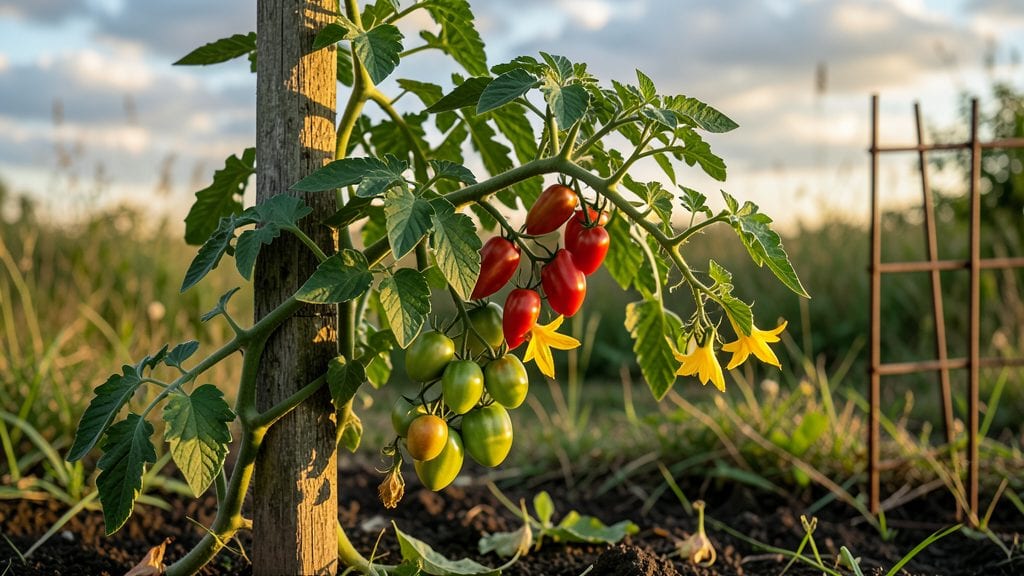
Growing steak tomato plants delivers beefsteak-sized tomatoes that rival grocery store prices—if you choose the right sun-resistant varieties and follow the proven steps. 🌿 The key isn’t just planting seeds; it’s selecting disease-tolerant types like 'Celebrity' or 'Better Boy' that thrive under intense sunlight while producing fruit weighing 12 ounces or more.
My first attempt with a heat-sensitive variety ended in cracked, undersized tomatoes, but the right choice makes all the difference.
You’ll need full sun (6-8 hours daily), well-draining soil with a pH of 6.0-6.8, and consistent moisture—never soggy roots. Staking or caging is non-negotiable for these heavy-fruit plants, and a balanced fertilizer (10-10-10) at planting and midseason keeps them productive.
The payoff? Tomatoes so large they need two hands to hold, with fewer cracks and better flavor than store-bought.
Pruning isn’t optional—remove suckers weekly to direct energy to fruit production, and pinch off early blooms if nighttime temps dip below 55°F. Even in hot climates, proper airflow prevents blight, and mulching retains moisture while keeping roots cool.
With these steps, you’ll harvest 30-50 pounds of tomatoes per plant by late summer.
This method works in containers (5-gallon pots) or in-ground beds, and the same principles apply whether you’re in Zone 5 or 10. The only variable is adjusting watering frequency—daily in peak heat, every other day in cooler regions. Let’s get those plants growing strong from day one.
📚 In This Guide
- What you need
- Instructions
- Tips and common mistakes
- Wrapping up and next steps
What you need
- ● Steak tomato seeds or seedlings: Choose heirloom or hybrid varieties like ‘Brandywine,’ ‘Cherokee Purple,’ or ‘Big Beef’ (6–10 plants for a family of 4).
- ● Containers or garden beds: Containers: 5-gallon pots (1 per plant) with drainage holes.
- ● Garden beds: Well-draining soil, 18–24" deep, with full sun (6+ hours daily).
- ● High-quality potting mix: Sterile, organic mix (e.g., 60% compost, 30% coconut coir, 10% perlite).
- ● Fertilizer: Balanced starter fertilizer: 10-10-10 (1 tbsp per plant at transplanting).
- ● Tomato-specific fertilizer: 5-10-10 or organic options like fish emulsion (every 2–3 weeks).
- ● Support structures: Cages (6’ tall), stakes (6–8’), or trellises (1 per plant).
- ● Mulch: Straw or shredded leaves (2–3" layer to retain moisture).
- ● Pruning shears: Sharp, clean tools for trimming suckers.
- ● Watering can or hose: With a gentle spray nozzle (avoid wetting leaves).
- ● Grow lights: For seedlings (12–16 hours/day if starting indoors).
- ● Drip irrigation system: Automates watering (saves time!).
- ● Row covers: Protects young plants from pests (remove before flowering).
- ● Calcium supplement: (e.g., crushed eggshells) to prevent blossom-end rot.
- ● Plant markers: Label varieties to track growth.
How to grow steak tomato plants for maximum yield
Here's my battle-tested method for cultivating sun-hardy, high-producing steak tomatoes that thrive under intense light.
🌱 Step 1: Select and Prepare the Right Varieties
Choose disease-resistant steak tomato varieties like 'Celebrity', 'Better Boy', or 'Mountain Merit'—these handle heat and heavy fruit loads better than standard types. Start with 4 plants spaced 3 feet apart to ensure proper air circulation and sunlight exposure. I always plant mine after the last frost date when soil temperatures reach 60°F or higher.
Prepare the planting site by amending the soil with 2-3 inches of compost mixed into the top 12 inches of soil. Steak tomatoes are heavy feeders, so add 1 cup of balanced 10-10-10 fertilizer per plant at planting time. Work the fertilizer into the soil to avoid root burn.
☀️ Step 2: Plant Deeply and Provide Support
Dig a hole deep enough to bury ⅔ of the stem—this encourages strong root development along the buried portion. Place the plant in the hole and backfill with soil, pressing gently to remove air pockets. Steak tomatoes need sturdy support, so install a 6-foot tall tomato cage or sturdy stakes immediately after planting.
Water deeply right after planting to settle the soil and encourage root contact. You'll see new growth emerge within 7-10 days if conditions are right. Mulch around the base with 2-3 inches of straw to retain moisture and suppress weeds. This is critical—dry soil stresses plants and reduces fruit set.
💧 Step 3: Water and Fertilize for Heavy Production
Steak tomatoes need 1-2 inches of water weekly, delivered at the base of the plant to avoid wetting the foliage (which promotes disease). Water in the morning so leaves dry quickly. I use a soaker hose to keep moisture consistent—uneven watering leads to blossom-end rot, a common issue with large-fruited varieties.
Fertilize every 3-4 weeks with a low-nitrogen, high-phosphorus formula (like 5-10-10) to encourage flowering and fruit development. Stop fertilizing 4-6 weeks before your first expected frost to allow the plant to harden off naturally. You'll notice new flowers forming along the stem—this is your signal to increase water slightly to support fruit growth.
✂️ Step 4: Prune and Train for Optimal Growth
Prune suckers (the small shoots that form in the leaf axils) regularly to direct energy into fruit production. Remove suckers larger than 2 inches to prevent overcrowding. I prune mine every 2 weeks during the growing season, always using clean, sharp pruners to avoid tearing stems.
Train the main stem to grow vertically by gently weaving it through the tomato cage or tying it to stakes with soft plant ties. Remove any leaves that touch the soil to prevent disease. You'll see stronger, more productive plants with proper pruning—less foliage means better air circulation and fewer pests.
🍅 Step 5: Harvest and Extend the Season
Harvest steak tomatoes when they're fully colored and slightly soft to the touch—this usually takes 70-85 days after transplanting, depending on your climate. Pick fruit regularly to encourage more production. Store harvested tomatoes in a cool, dry place (55-65°F) to ripen further.
To extend the season, cover plants with frost cloth when nighttime temperatures drop below 50°F. This protects them from early frost and allows you to harvest later in the fall. You'll get a second flush of fruit if you remove the cloth during the day to let the plant photosynthesize.
Tips & tricks for growing sun-resistant steak tomatoes
Growing these heavy fruit producers to their full potential requires a few key strategies that go beyond basic planting techniques.
Soil Temperature Matters: Those 60°F soil temperatures are non-negotiable for germination. If your spring soil runs cooler, consider using a black plastic mulch to warm it up 2-3 weeks before planting. I've seen germination rates drop dramatically when planting too early—wait for that soil thermometer reading! The roots simply won't develop properly in cooler conditions, leading to weaker plants that struggle with the weight of those massive tomatoes.
Pruning Precision: When removing suckers larger than 2 inches, use a clean cut just above the leaf axil where the sucker emerges. I learned this the hard way—leaving stubs creates entry points for diseases. Also, focus pruning efforts on the lower third of the plant first, as these suckers compete most directly with fruit production. This targeted approach keeps your plants' energy focused where it counts: on those 1-2 pound beauties.
Fertilizer Timing: The 3-4 week fertilization schedule is crucial, but even more important is what you stop doing. Those final 4-6 weeks before frost are about hardening off, not feeding. I've seen plants collapse under the weight of unripe fruit when pushed too hard too late. The key is to taper off fertilizers gradually during this period, letting the plant redirect energy to ripening existing fruit rather than growing new leaves.
Harvest Strategy: For those 70-85 day varieties, don't wait for perfect ripeness if your first frost is approaching. Tomatoes will continue ripening off the vine at 55-65°F—pick them when fully colored but still slightly firm. Store them in a paper bag with a banana to speed up ripening. This two-step approach gives you the best of both worlds: maximum harvest volume and flavor development.
Pro Tips for Steak Tomato Plant
- Growing these heavy fruit producers to their full potential requires a few key strategies that go beyond basic planting techniques.
- Soil Temperature Matters: Those 60°F soil temperatures are non-negotiable for germination.
- Pruning Precision: When removing suckers larger than 2 inches, use a clean cut just above the leaf axil where the sucker emerges.
Frequently asked questions
Got questions about growing steak tomato plants? You’re not alone! Here are some of the most common queries—plus quick answers to help you grow like a pro.
What’s the best time to plant steak tomato seeds or seedlings?
For seedlings, wait until after the last frost and soil temps hit 55°F+ (13°C+). Start seeds indoors 6–8 weeks before transplanting (typically March–April in most climates). If using transplants, late spring (May–June) is ideal. Pro tip: Harden off seedlings for 7–10 days before moving them outside!
How much sun do steak tomato plants really need?
These giants crave full sun (6–8+ hours daily). While they’re more sun-resistant than other tomatoes, partial shade (4–6 hours) can reduce yields. If your garden gets intense afternoon heat, use shade cloth (30–50%) to prevent sunscald. Morning sun + afternoon shade is a happy medium!
Why aren’t my steak tomatoes ripening—even though they’re huge?
Common culprits: cool nights (<50°F/10°C), lack of water, or nutrient deficiencies. Try these fixes:
- Prune suckers to focus energy on fruit.
- Use black plastic mulch to warm soil.
- Fertilize with low-nitrogen, high-phosphorus feed (like 5-10-10).
- Pick green tomatoes early and ripen indoors with a banana nearby!
Can I grow steak tomatoes in containers? What size pot do I need?
Use a 5-gallon+ container (bigger = better) with drainage holes. Opt for self-watering pots to prevent drought stress. Key tip: Train vines with a cage or trellis—these plants get huge (6–10 ft tall)!
What’s a good alternative if steak tomatoes don’t thrive in my climate?
Try these heavy-hitter tomato varieties for similar flavor and size:
- Brandywine – Classic beefsteak with sweet, juicy flesh.
- Cherokee Purple – Rich, smoky taste; great for sauces too!
- Sungold – Smaller but prolific and sun-resistant (perfect for containers).
- Black Krim – Cold-hardy and disease-resistant.
All thrive in USDA Zones 4–10 with proper care.
Wrapping up and next steps
Growing steak tomato plants is a rewarding journey that brings bold, flavorful rewards to your table! With the right sun-resistant varieties and a little care, you’ll enjoy juicy, meaty tomatoes perfect for slicing, grilling, or sauces. Don’t wait—start planting today and savor the taste of homegrown success!
🌱 Next Steps:
- Pick your favorite steak tomato variety from our guide.
- Check your local planting zone and prepare your soil.
- Share your progress with fellow gardeners—tag us @GardenGuru!