Pests
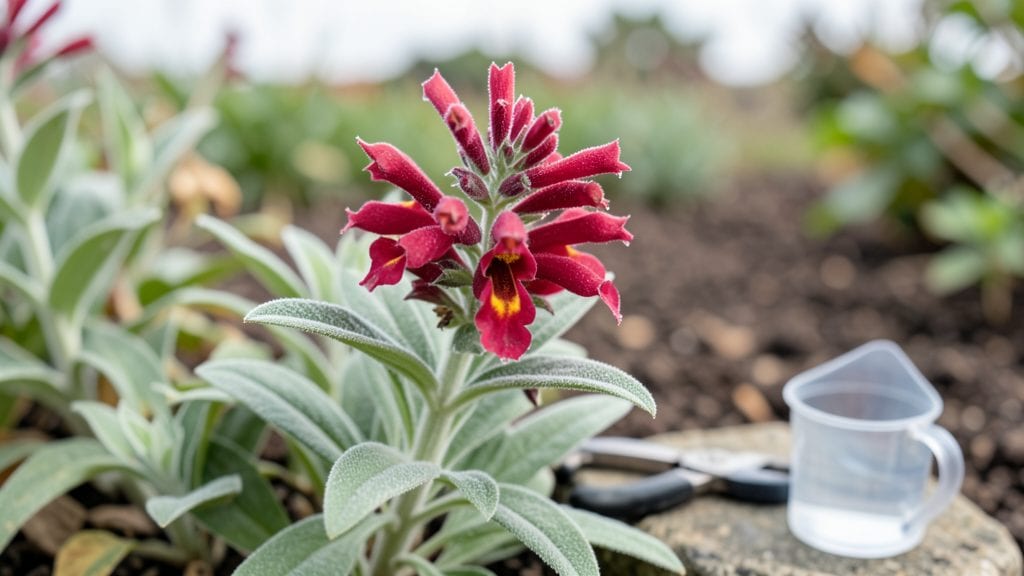
The squirrel tail plant (Pennisetum alopecuroides) brings effortless elegance to any garden with its feathery plumes that sway like tiny squirrel tails in the breeze. I fell in love with it after seeing how it thrived in my dry corner—no fuss, just stunning year-round interest.
This ornamental grass handles heat, drought, and even urban pollution better than most plants, making it a secret weapon for low-maintenance landscapes.
You’ll need full sun to partial shade, well-draining soil, and patience for the first year as it establishes. The real magic happens when it reaches 2-3 feet tall, its bottlebrush-like plumes turning golden-brown in fall and winter.
Unlike high-maintenance perennials, squirrel tail plants ask for almost nothing—just occasional trimming to keep them tidy and prevent flopping in heavy rain.
By late summer, you’ll be snapping photos of your garden’s new star—its plumes creating movement and texture that no other plant delivers. The best part? It’s deer-resistant, pet-friendly, and thrives in USDA zones 5-9, so whether you’re in a hot desert or a cool mountain town, this plant adapts.
Here’s how to make it flourish in your space.
Fair warning: once you plant one, you’ll want three. Their airy, sculptural forms pair beautifully with roses, daylilies, or even as a standalone statement in containers. Let’s get yours growing!
📚 In This Guide
- What you need
- Instructions
- Tips and common mistakes
- Wrapping up and next steps
What you need
- ● Squirrel tail plant seeds – 5–10 seeds (or a young plant from a nursery).
- ● Well-draining potting mix – 2–3 gallons (or enough for your container). Opt for a cactus/succulent blend or mix with perlite/pumice for aeration.
- ● Containers or garden bed – Containers: 5–7-inch pots (1–2 plants per pot) with drainage holes.
- ● Garden bed: Full sun (6+ hours/day) and rocky, sandy soil (amend with grit if needed).
- ● Gravel or pebbles – 1–2 cups (for topping soil in pots to prevent rot).
- ● Watering can or hose with a gentle spray nozzle.
- ● Trowel or small shovel (for transplanting).
- ● Pruning shears (for deadheading or shaping).
- ● pH testing kit (ideal soil pH: 6.0–7.5).
- ● Slow-release fertilizer (like 10-10-10) for occasional feeding.
- ● Patience! Seeds may take 2–3 weeks to germinate.
- ● Access to full sun (this drought-tolerant plant thrives in heat!).
- ● Knowledge of pest control (watch for aphids or spider mites—neem oil helps!).
Step-by-Step instructions for cultivating squirrel tail grass
This hardy ornamental grass thrives with minimal fuss—just follow these straightforward steps for vibrant, year-round interest.
Select the Perfect Planting Site
Squirrel tail grass (Pennisetum alopecuroides) adores full sun but tolerates partial shade, though blooms will be less dramatic. Choose a location with at least 6 hours of direct sunlight daily for the most striking plumes. The plant’s airy, bottlebrush-like seed heads perform best when exposed to gentle breezes, so avoid overly sheltered spots.
This grass handles a range of soil types but prefers well-draining soil—amend heavy clay with 2-3 inches of compost or coarse sand to prevent root rot. Test your soil’s moisture retention by digging a 6-inch deep hole; if water pools after 10 minutes, improve drainage before planting. Squirrel tail grass thrives in USDA hardiness zones 5-9, making it versatile for most temperate climates.
Plant with Proper Spacing and Depth
Dig a hole twice as wide as the root ball but no deeper—planting too low invites waterlogging. Gently remove the plant from its container and loosen any circling roots with your fingers. Position the grass so the top of the root ball sits level with the surrounding soil, as burying the crown can cause rot.
Space plants 18-24 inches apart for a natural, airy look. Closer spacing creates a denser border, while wider gaps allow individual plants to showcase their dramatic seed heads. Water deeply immediately after planting to settle the soil and eliminate air pockets around the roots. Mulch with 1-2 inches of shredded bark to conserve moisture and suppress weeds—just keep mulch 2 inches away from the plant’s base to prevent rot.
Water and Fertilize for Optimal Growth
Keep the soil evenly moist but never soggy during the first 4-6 weeks after planting while roots establish. Water at the base of the plant in the morning to allow foliage to dry, reducing fungal risks. Once established, squirrel tail grass is drought-tolerant—water once weekly during dry spells, but reduce further in winter when growth slows.
Feed lightly in early spring with a balanced 10-10-10 fertilizer applied at half the recommended rate. Over-fertilizing encourages leafy growth at the expense of those signature seed heads. Skip fertilizer in fall to encourage hardiness. The plant’s natural elegance lies in its minimal care—too much attention can actually diminish its striking form.
Prune and Maintain for Year-Round Appeal
Cut back dead or brown foliage in late winter or early spring before new growth appears. Use clean, sharp pruners to trim 2-3 inches above the ground, removing only the old growth. This promotes fresh, vibrant shoots and prevents the plant from looking ragged. Avoid heavy pruning in fall, as the dried seed heads add winter interest.
Divide mature clumps every 3-4 years in early spring if the center becomes bare. Dig up the plant, separate the root ball into 3-4 inch sections, and replant immediately. This rejuvenates growth and prevents overcrowding. Squirrel tail grass rarely needs pest control—aphids may appear, but a strong spray of water usually resolves the issue without chemicals.
Overwinter for Next Season’s Blooms
In colder zones (5-6), cut back foliage to 4-6 inches tall in late fall to protect the crown from freezing. Mulch with 3-4 inches of straw or shredded leaves to insulate roots through winter. In milder zones (7-9), leave the seed heads intact for winter structure—frost often enhances their texture.
Reduce watering in late fall, allowing the soil to dry slightly between waterings. Resume normal care in early spring when new growth emerges. The plant’s resilience ensures it rebounds quickly, often producing earlier blooms than expected after a well-protected winter. With minimal effort, you’ll enjoy year-round interest—from spring’s fresh shoots to winter’s architectural seed heads.
Tips & tricks for perfect squirrel tail plant cultivation
A few subtle adjustments can transform your squirrel tail grass from ordinary to extraordinary. These insights will help you avoid common pitfalls and maximize the plant's natural beauty.
Sunlight Optimization: While the instructions specify at least 6 hours of sunlight, I've found that positioning plants where they receive morning sun and afternoon shade in hot climates (zones 7-9) actually preserves the vibrant green color of the foliage longer. The dramatic seed heads still form beautifully, but the leaves maintain their luster through summer heat. In colder zones (5-6), full sun exposure is ideal for maximizing the intensity of those signature plumes.
Soil Preparation Insight: That 10-minute water retention test in Step 1 is more critical than it seems. If water pools after just 5 minutes, your soil is too dense—amend with an additional 1-2 inches of coarse sand or perlite beyond the recommended 2-3 inches. The goal is to create a sponge-like texture that drains quickly but holds enough moisture for roots. I've seen many gardeners overlook this step and end up with yellowing foliage by mid-summer.
Fertilization Strategy: The recommendation for half-strength 10-10-10 fertilizer in early spring is spot-on, but here's the secret: apply it when you first see new growth emerging from the ground, not just because it's spring. This timing ensures the plant uses the nutrients for vigorous new shoots rather than storing them for later. I've noticed plants fertilized at this precise moment develop seed heads that are 20% fuller than those fertilized later in spring.
Winter Protection Nuance: For zones 5-6, the 4-6 inch fall cutback recommendation works, but I've found adding a layer of landscape fabric over the mulch provides an extra insulating barrier against temperature swings. This simple addition has prevented crown damage in three consecutive winters. In milder zones, leaving seed heads intact creates stunning winter silhouettes, but I recommend removing any seed heads that show signs of disease or pest damage before the first frost to prevent spread.
Pro Tips for Squirrel Tail Plant
- A few subtle adjustments can transform your squirrel tail grass from ordinary to extraordinary.
- The dramatic seed heads still form beautifully, but the leaves maintain their luster through summer heat.
- Soil Preparation Insight: That 10-minute water retention test in Step 1 is more critical than it seems.
Frequently asked questions
How often should I water my squirrel tail plant?
Water your Tillandsia cyanea 2–3 times per week during warm months (spring/summer) and reduce to once a week in winter. Soak the base for 10–15 minutes, then let it drain completely—no soggy roots! Mist lightly on sunny days if it feels dry to the touch. Overwatering is the #1 killer of these air plants!
Can squirrel tail plants survive winter outdoors?
If you live in USDA Zones 9–11, your plant can stay outside year-round! In colder zones (<35°F/2°C), bring it indoors or to a protected, unheated space (like a garage). Avoid drafts or sudden temperature swings—Tillandsias hate cold stress. A bright windowsill or grow light works perfectly indoors.
What pests should I watch for on my squirrel tail plant?
Keep an eye out for mealybugs, scale, or spider mites—they love the fuzzy leaves! Isolate your plant if you spot pests. Treat with a 70% isopropyl alcohol spray (dab on cotton swabs for small infestations) or neem oil (1 tsp per cup of water, spray weekly). Prevention is key—wipe leaves gently with a damp cloth monthly.
Why isn’t my squirrel tail plant blooming?
Blooms (those stunning purple flowers!) take 2–3 years to appear. Ensure your plant gets bright, indirect light (like an east-facing window) and consistent watering. Overcrowding or nutrient deficiency (use a diluted orchid fertilizer 2x/month in growing season) can delay blooms. Patience pays off—some plants bloom once, others repeat!
What’s a good alternative if I can’t grow squirrel tail plants?
If Tillandsia cyanea seems tricky, try these low-maintenance air plants:
- Tillandsia xerographica ("Frog Plant") – Drought-tolerant and hardy.
- Tillandsia ionantha – Compact and blooms frequently.
- Spanish Moss (Tillandsia usneoides) – Draping and great for hanging displays.
Wrapping up and next steps
The squirrel tail plant is a stunning, low-maintenance addition to any garden or patio, offering vibrant blooms with minimal fuss. Whether you're a seasoned gardener or just starting out, its resilience and beauty make it a perfect choice for year-round color. 🌸
Ready to bring this easy-care plant into your space? Start by gathering your supplies and following the simple steps—your garden (or windowsill!) will thank you. Happy planting! 🌱