
Companion Plants
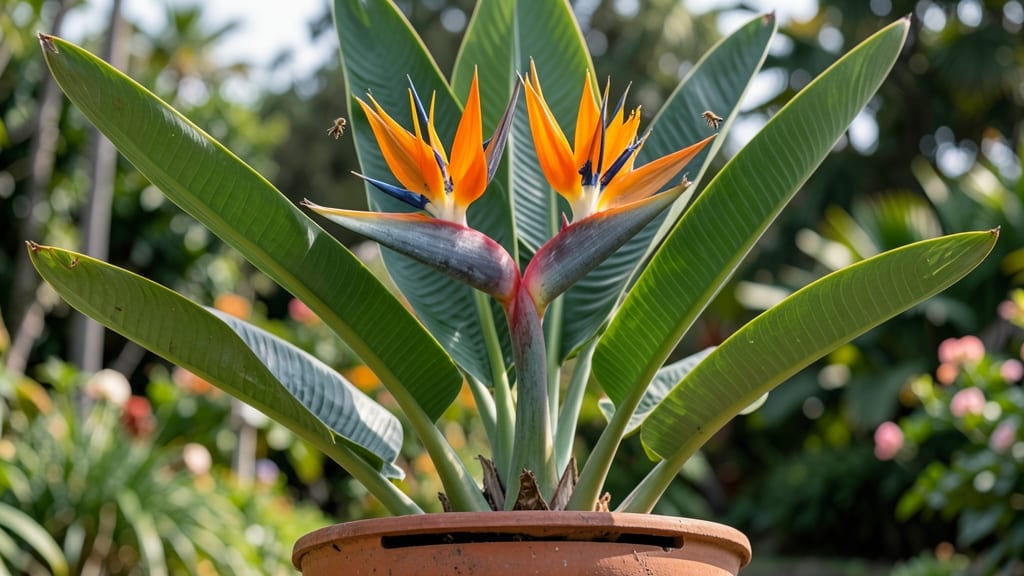
Transform your garden into a dramatic pollinator paradise with these 10 spiky flowering plants. Their striking textures and bold blooms attract bees, butterflies, and hummingbirds while adding year-round visual impact—ideal for modern landscapes and wildlife-friendly designs.
Agave Parryi with Purple Stems
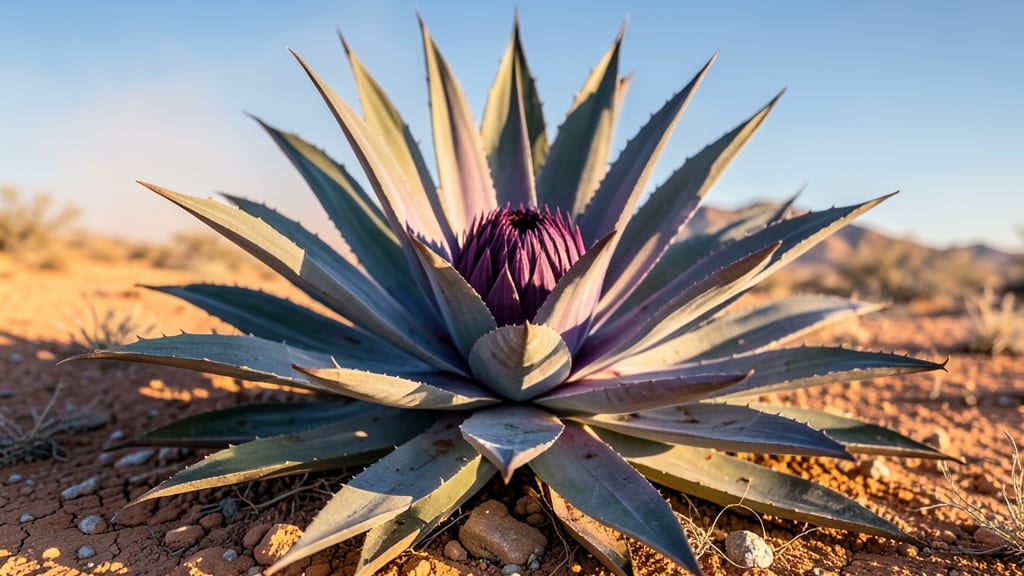
If you're craving a drought-resistant plant that demands minimal care but delivers maximum drama, Agave Parryi with its purple stems is your answer. This striking succulent thrives in hot, arid climates, making it perfect for desert gardens or modern landscapes where water is scarce.
The real showstopper? Its 10-foot-tall flower stalks that emerge after years of growth, producing golden-yellow blooms that attract pollinators like hummingbirds. Plant it in well-draining soil and full sun, and watch it become a bold focal point that requires almost no maintenance once established.
Ideal for gardeners who love low-water, high-impact plants, this agave adds texture and color to any outdoor space while thriving in heat and drought. 🌻
Yucca Filamentosa for Bee Attraction
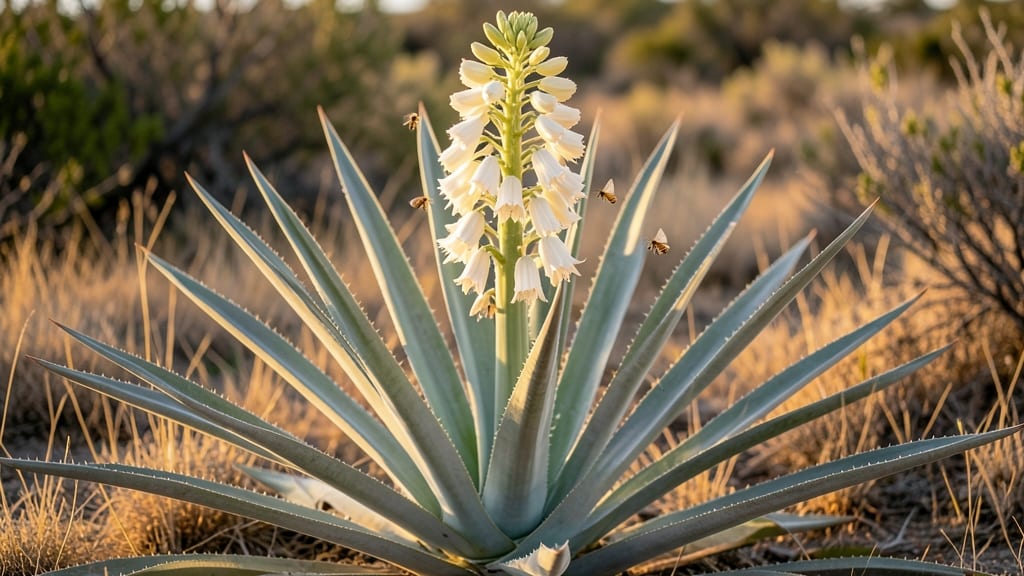
Looking for a low-maintenance pollinator powerhouse that thrives in tough conditions? Yucca filamentosa delivers creamy-white flower clusters that bees and butterflies can't resist, while its sword-like leaves add architectural drama to any landscape.
This native North American plant thrives in full sun to partial shade and only needs watering once established—making it perfect for drought-prone areas. The blooms appear in late spring to early summer, providing a year-round food source when paired with evergreen foliage. Its sharp, spiky edges also deter pests naturally.
Ideal for urban gardens and wildlife-friendly landscapes, yucca filamentosa offers both beauty and functionality with minimal effort. 🌟
Giant Red Canna Lily Spikes
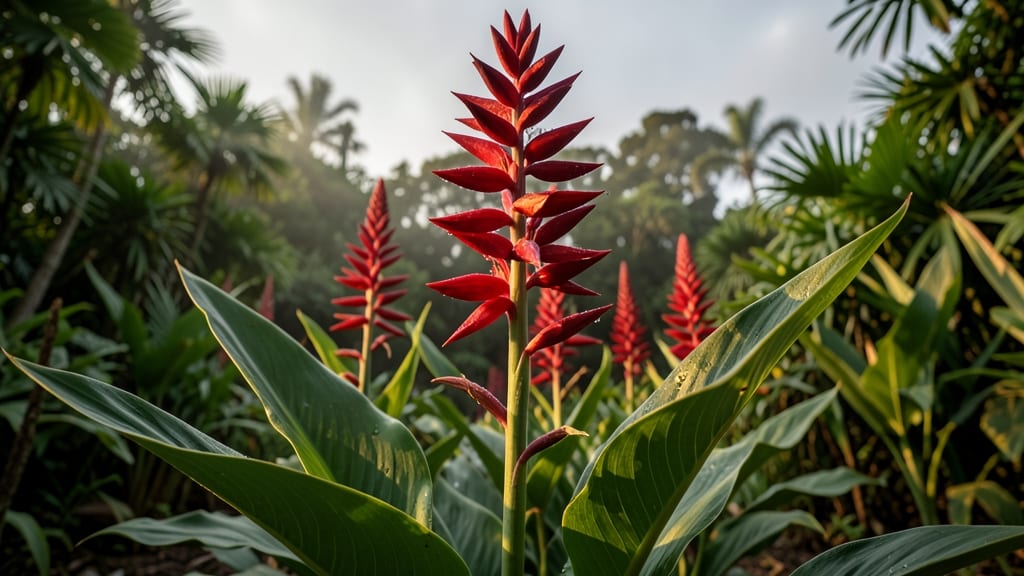
Want to add dramatic height and vibrant color to your garden without sacrificing pollinator appeal? The canna lily delivers 7-foot-tall red spikes that dominate borders and attract hummingbirds with their tubular blooms. Unlike desert plants, these thrive in humid climates and even tolerate wet soil, making them ideal for rain gardens or tropical landscapes.
Plant canna lilies in full sun to partial shade, where their bold foliage and towering spikes create instant focal points. Cut back dead leaves in late winter, but leave the rhizomes in the ground—they’re hardy perennials that multiply yearly. For extra drama, pair them with tall grasses or purple-leaved plants to contrast their fiery red blooms.
Their low-maintenance nature and season-long interest make them perfect for gardeners who want high impact with minimal effort. Plus, they’re non-toxic to pets, so they’re a safe choice for families. 🌻
Black Knight Sword Lily
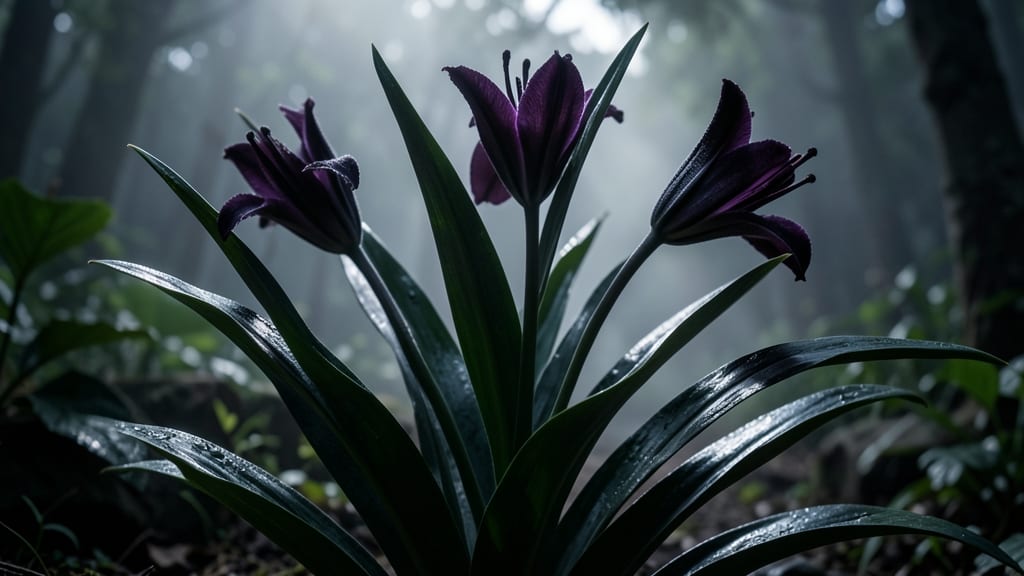
Looking to add a touch of gothic romance to your garden? The Black Knight Sword Lily brings dramatic, near-black foliage and purple-black blooms that emerge in late summer, creating a moody focal point that thrives in partial shade. Its glossy leaves and striking flowers make it a standout for themed gardens, while its nectar-rich blooms attract hummingbirds.
This hardy perennial prefers well-draining soil and consistent moisture, making it ideal for gardeners in USDA zones 7-10. Plant it in clusters for maximum impact, and pair it with silver foliage plants to enhance its dark elegance. The late-summer blooms provide a unique contrast to summer’s bright colors.
Perfect for gardeners who love bold textures and pollinator-friendly plants, the Black Knight Sword Lily adds year-round interest—even its dried foliage holds visual appeal in winter. 🌟
Dahlias with Thorny Stems
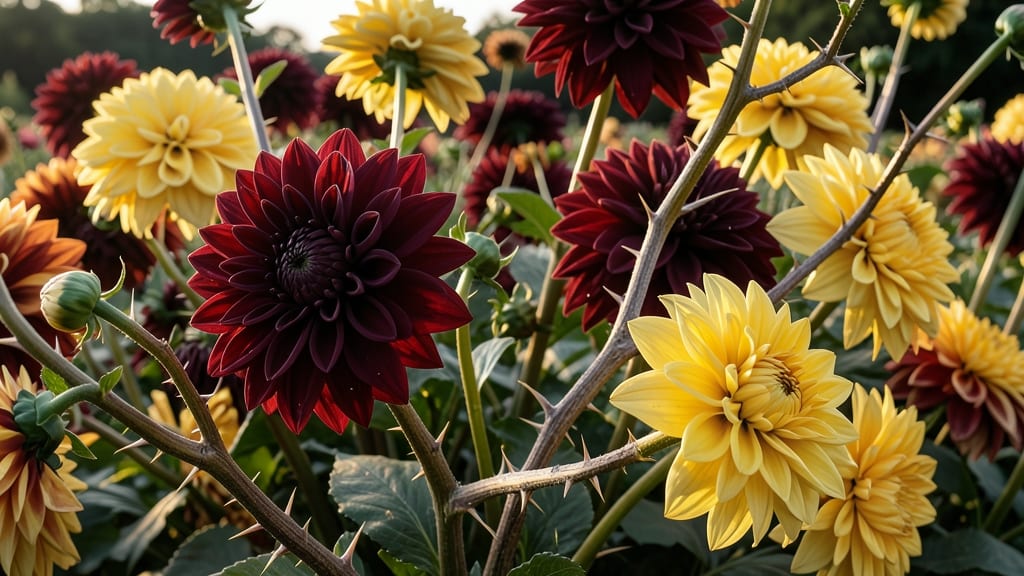
Want a garden that looks like a high-end floral arrangement straight from a bouquet shop? Dahlias deliver dinnerplate-sized blooms in every color imaginable—from deep burgundy to sunny yellow—while their thorny stems add a touch of wild elegance. These aren’t just pretty faces; they’re pollinator powerhouses, drawing bees and butterflies like a magnet.
Grow them in full sun (6+ hours daily) with well-draining soil, and choose varieties like 'Café au Lait' for velvety petals or 'Galaxy' for starburst shapes. Deadhead spent blooms to encourage more flowers, and stake taller varieties to prevent flopping. With over 40 species and thousands of cultivars, dahlias let you mix textures—ruffled, cactus-like, or pompon—until your garden feels like a living still life.
Perfect for cut flower enthusiasts or gardeners who love season-long drama, dahlias thrive from summer through frost and even overwinter in mild climates. Just remember: those thorns are a trade-off for the showstopping blooms they bring. 🌻
Century Plant Flowering Dramatically
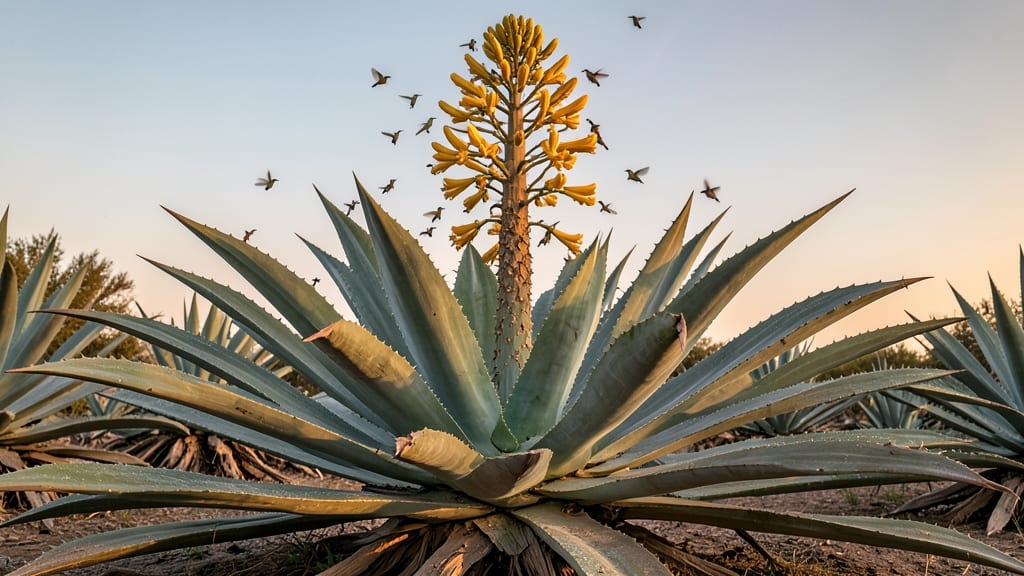
Imagine waiting decades for a single, breathtaking moment—then watching your century plant (Agave americana) erupt into a 15-foot-tall flower spike, drawing swarms of hummingbirds and bees. This monocarpic plant lives for 10-30 years before its one-time, show-stopping bloom, making it a true garden legacy.
Native to desert regions, it thrives in full sun and well-draining soil, needing water only every 2-3 weeks once established. The dramatic flower spike produces thousands of small, tubular white blooms that attract pollinators from miles away. After flowering, the plant dies—but not before sending out pups to carry on its legacy.
Perfect for patient gardeners or those with dry, sunny spaces, this plant turns your landscape into a once-in-a-lifetime spectacle—no replanting required. 🌟
Gladiolus Spike for Cut Flowers
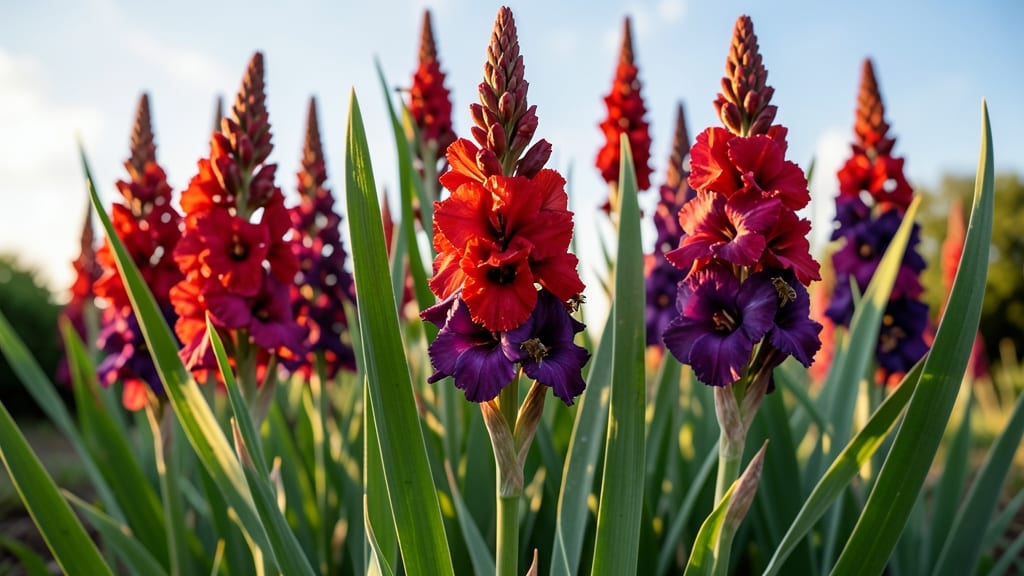
Want instant drama in your garden without the fuss of tropical exotics? Gladiolus delivers tall, spiky flower spikes in every color imaginable—from fiery reds to deep purples—while doubling as a pollinator powerhouse and cut-flower superstar. These aren’t just pretty faces; they’re the backbone of summer bouquets and perennial borders.
Plant gladiolus corms in spring after the last frost, spacing them 4-6 inches apart in full sun (they’ll reward you with 3-5 foot spikes!). Deadhead spent blooms to encourage more flowers, and cut stems when buds open mid-stalk for longer vase life. Their vertical structure makes them perfect for filling gaps in borders or creating focal points near seating areas.
Perfect for beginner gardeners and cut-flower enthusiasts, gladiolus is low-maintenance yet high-impact. Plus, their rich nectar keeps bees buzzing all summer long. 🌻
Cordyline Fruticosa Firebrand
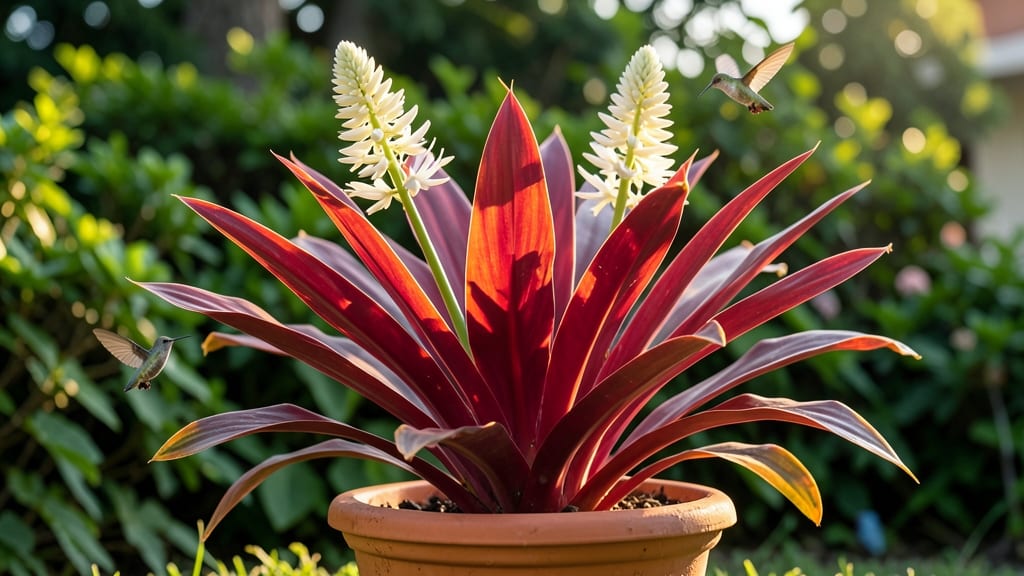
If you crave a tropical punch of color in small spaces, Cordyline Fruticosa Firebrand delivers fiery red foliage and dramatic spiky white flower spikes that hummingbirds adore. Unlike its thirsty tropical cousins, this variety thrives in containers with surprising resilience—perfect for balconies, patios, or urban rooftops.
Plant it in well-draining potting mix and place it where it gets 4-6 hours of sun daily, though it tolerates partial shade. The bold red leaves maintain their vibrancy year-round, while the arching flower spikes (up to 3 feet tall) appear in late summer, offering both visual drama and nectar for pollinators. Prune spent blooms to encourage more growth.
Urban gardeners and small-space enthusiasts will love how this plant packs tropical flair without tropical fuss. Its striking foliage and wildlife appeal make it a standout in modern container gardens. 🌟
Thistle Plants for Pollinators
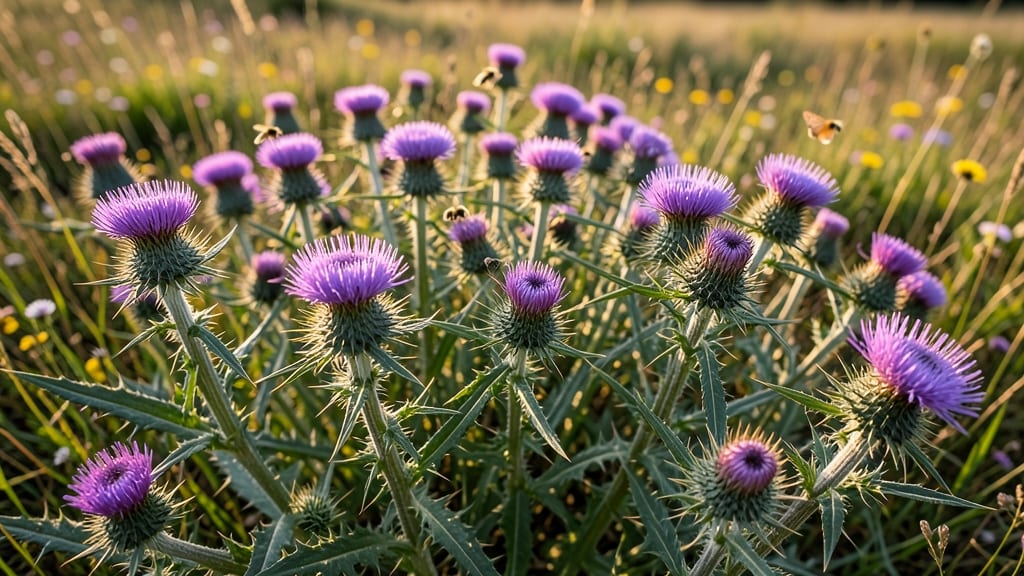
If you're looking to create a wild, naturalistic garden that thrives with minimal effort, thistle plants are your secret weapon. These native wildflowers pack a punch with their spiky purple blooms, which aren’t just striking—they’re a pollinator’s paradise, drawing bees, butterflies, and even hummingbirds to your landscape.
Thistles thrive in poor, dry soil and full sun, making them perfect for meadow gardens, roadside restoration projects, or neglected patches that need a burst of color. Their deep roots prevent erosion while providing year-round nectar for wildlife. Simply scatter seeds in late summer or early fall and let nature take over—no fuss, no fertilizers, just vibrant blooms.
Perfect for eco-conscious gardeners, native plant enthusiasts, or anyone restoring habitats, thistles prove that beauty and biodiversity go hand in hand with almost no work. 🌿
Bird of Paradise Strelitzia

If you crave a tropical statement plant that doubles as a pollinator magnet, Bird of Paradise (Strelitzia) delivers with its exotic, bird-like blooms in fiery orange and electric blue. Unlike most spiky plants, this stunner thrives in USDA Zones 9-11 but can be grown in containers and brought indoors during winter, making it perfect for warm climates and urban balconies.
The 4-6 foot tall plants produce dramatic flower spikes that resemble crane birds in flight, drawing hummingbirds and bees with their nectar-rich blooms. For best results, plant in well-draining soil with morning sun and afternoon shade—this prevents leaf scorch while fueling those showstopping flowers. Mulch around the base to retain moisture, as Strelitzia appreciates consistent hydration but hates soggy roots.
This is the ultimate low-maintenance tropical for gardeners who want year-round drama without the fuss of high-maintenance annuals. Even in cooler climates, its bold foliage adds architectural interest, while the flowers create a wow factor that lasts for months. 🌟