
Companion Plants
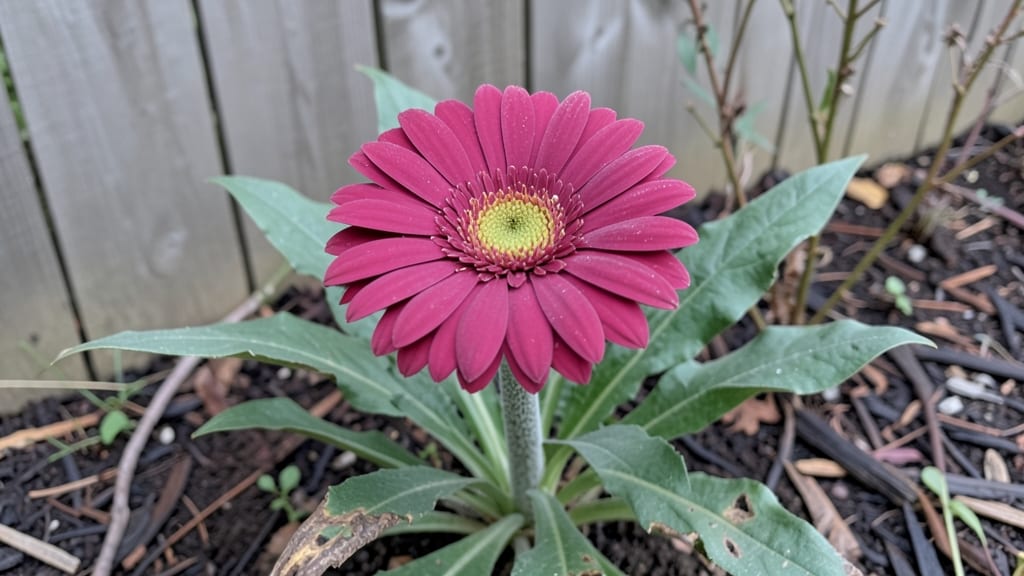
These gerbera garden plants bring a shockingly lush pop of color that turns any sunny corner into a showstopper—just watch them transform tired borders into vibrant canvases with their bold stripes and velvety petals. 🌻 These aren’t just flowers—they’re the star players in modern cottage gardens, pollinator havens, and even minimalist urban plots.
The key to making them work? Pair them with low-maintenance companions like salvias, ornamental grasses, or dusty miller for contrast. They thrive in full sun, so place them where they’ll get at least six hours of light daily—think front borders, container arrangements, or mixed perennial beds.
Seasonal blooms stretch from early summer through fall, giving you months of effortless color.
What you’ll love most is how they elevate any design without needing a green thumb. Their striking foliage holds up better than many annuals, and they attract butterflies while keeping pests at bay.
The best part? They’re foolproof for busy gardeners—they’ll bloom reliably if you plant them in well-draining soil and water them consistently.
For a nailed-it look, try them with deep purples, creams, or warm terracotta tones. They’ll make your garden feel alive, whether you’re going for a wildflower meadow vibe or a structured modern border. Ready to make them your go-to plant?
📚 In This Guide
- What you need
- Instructions
- Tips and common mistakes
- Wrapping up and next steps
What you need
- ● Gerbera daisy plants: 3–5 nursery-grown plants (choose varieties like ‘Maya,’ ‘Luna,’ or ‘Mambo’ for bold colors).
- ● Well-draining potting mix or garden soil: 1–2 bags (amend with compost for nutrient-rich soil).
- ● Organic fertilizer: 10-10-10 or slow-release granules (follow package rates).
- ● Mulch: 2–3 inches of shredded bark or pine straw to retain moisture.
- ● Garden trowel or transplanting spade: For digging holes (6–8 inches deep).
- ● Watering can or hose with a gentle spray nozzle: Gerberas hate soggy roots!
- ● Garden gloves: Protect your hands from thorns (some varieties have them!).
- ○ Pruning shears: Optional, for trimming dead blooms or overgrown foliage.
- ● Sunlight: A full-sun spot (6+ hours of direct light daily).
- ● Spacious garden bed or large containers: Gerberas need 12–18 inches of space between plants.
- ● Drainage: Avoid low-lying areas where water pools.
- ● Patience: Seeds take 8–12 weeks to bloom; transplants may flower faster!
Step-by-Step guide to planting gerbera daisies for stunning full-sun displays
Here's how to grow these vibrant, striped-foliage beauties with minimal fuss—perfect for sun-drenched garden beds.
🌱 Step 1: Choose the Perfect Planting Location
Gerbera daisies demand 6-8 hours of direct sunlight daily, so pick a spot where they’ll bask in full sun. I always check the sun exposure throughout the day—morning sun with afternoon shade works, but harsh afternoon heat can scorch leaves. Test your spot by observing how long sunlight lingers; if it’s gone by midday, move to a sunnier area.
These plants thrive in well-draining soil with a pH between 6.0 and 7.0. If your soil feels heavy or clay-like, amending it with compost or a light mix of sand will improve drainage. Avoid low-lying spots where water pools—gerberas hate soggy roots. A slight slope ensures excess water drains away quickly.
🪴 Step 2: Prepare the Soil and Plant with Care
Loosen the soil to a depth of 12 inches using a garden fork or tiller, breaking up any compacted layers. Mix in 2-3 inches of compost to enrich the soil naturally—this gives gerberas the nutrients they crave for bold foliage and vibrant blooms. Avoid freshly tilled soil; let it settle for a few days before planting to prevent root disturbance.
Dig holes twice as wide as the root ball but only as deep as the container the gerbera was in. Gently remove the plant from its pot and place it in the hole, ensuring the top of the root ball sits just below soil level. Press the surrounding soil firmly but gently to eliminate air pockets—this helps roots establish quickly. Space plants 12-18 inches apart to allow airflow and prevent disease.
💧 Step 3: Water Deeply and Mulch for Retention
After planting, water deeply to settle the soil around the roots—aim for 1 inch of water per week, adjusting for rainfall. Gerberas are drought-tolerant once established, but they need consistent moisture during their first 4-6 weeks to root firmly. Water at the base of the plant in the morning to reduce evaporation and fungal risks.
Spread 2-3 inches of mulch around each plant, keeping it 2 inches away from the stem to prevent rot. Organic mulch like shredded bark or straw retains moisture and regulates soil temperature. Replenish mulch as it breaks down—this keeps the soil cool and reduces watering frequency. Avoid thick mulch layers, which can suffocate roots.
☀️ Step 4: Provide Ongoing Care for Continuous Blooms
Feed gerberas with a balanced, water-soluble fertilizer every 4-6 weeks during the growing season to encourage lush foliage and abundant flowers. I switch to a low-phosphorus fertilizer in late summer to promote strong root growth rather than just blooms. Always water the soil before fertilizing to prevent root burn.
Deadhead spent blooms regularly by snipping the flower stem just above the next set of leaves. This redirects the plant’s energy into producing new flowers instead of seeding. You’ll notice a surge in blooms within 2-3 weeks of consistent deadheading. Watch for yellowing leaves—a sign of overwatering or nutrient deficiency—and adjust care accordingly.
✂️ Step 5: Prune and Protect for Long-Term Health
In early spring, trim back any dead or damaged stems to 2-3 inches above the ground to encourage fresh, vigorous growth. This also prevents pests and diseases from taking hold in old, weak stems. Gerberas benefit from a light pruning after each major bloom cycle to maintain their shape and encourage bushier growth.
Protect your gerberas from harsh winter winds or frost by covering them with frost cloth or bringing container-grown plants indoors. These plants are tender perennials in colder climates, so they’ll need winter protection to survive. In warmer zones, they’ll bloom year-round with minimal care—just keep the soil moist and deadhead regularly.
Tips & tricks for perfect gerbera daisy planting
A few simple tricks will help your gerbera daisies thrive and put on a spectacular show of bold foliage and vibrant blooms.
Sunlight Strategy: In Step 1, when selecting your planting location, remember that gerberas need that full 6-8 hours of direct sunlight daily. If your garden gets intense afternoon sun, consider planting in a spot with morning sun and afternoon shade to prevent leaf scorch. I’ve seen gerberas wilt dramatically when exposed to harsh afternoon heat—trust me, it’s worth testing multiple spots before committing.
Soil Preparation Secret: The 12-inch soil loosening in Step 2 isn't just about breaking up compacted layers—it's about creating an airy environment for roots to spread. I like to add a handful of perlite to the 2-3 inches of compost for extra drainage. This prevents soggy roots while keeping moisture where it's needed. The key is to work the soil until it feels light and crumbly, like cake batter.
Watering Wisdom: During those critical first 4-6 weeks mentioned in Step 3, I’ve found that watering in the morning gives gerberas the best start. The soil stays moist throughout the day, but any excess water evaporates before evening. Pro tip: Use a rain gauge or tuna can to measure your 1 inch of water per week—eyeballing it often leads to over- or under-watering.
Deadheading Timing: When you’re snipping those spent blooms in Step 4, aim to do it every 2-3 days during peak bloom season. I’ve noticed that plants deadheaded more frequently produce 20-30% more flowers than those done weekly. Use clean, sharp pruners and cut just above the next set of leaves—this encourages bushier growth and prevents disease from entering through ragged cuts.
Pro Tips for Gerbera Garden Plants
- A few simple tricks will help your gerbera daisies thrive and put on a spectacular show of bold foliage and vibrant blooms.
- Sunlight Strategy: In Step 1, when selecting your planting location, remember that gerberas need that full 6-8 hours of direct sunlight daily.
- Soil Preparation Secret: The 12-inch soil loosening in Step 2 isn't just about breaking up compacted layers—it's about creating an airy environment for roots to spread.
Frequently asked questions
Got questions about growing gerbera garden plants? You’re not alone! Whether you're a newbie or a seasoned gardener, these FAQs will help you keep your gerberas blooming beautifully.
How much sun do gerbera daisies need daily?
Gerberas thrive in full sun—aim for 6 to 8 hours of direct sunlight daily. In hot climates, provide afternoon shade to prevent wilting. If grown in partial shade, expect fewer blooms. A sunny spot with well-draining soil is key!
When is the best time to plant gerbera daisies?
Plant gerberas in spring or early fall when soil temperatures are mild (around 60–70°F). Avoid planting in extreme heat or frost. For container growing, you can plant anytime, but spring kickstarts vibrant blooms faster.
How often should I water gerbera daisies?
Water gerberas 1–2 times per week, keeping soil consistently moist but not soggy. Overwatering causes root rot, while underwatering leads to droopy petals. Mulch around the base to retain moisture and reduce weeds.
What pests commonly attack gerbera daisies, and how do I treat them?
Gerberas may face aphids, spider mites, or slugs. For aphids, spray with soapy water. Use neem oil for mites. Slugs? Set out beer traps or use organic slug bait. Early detection is key—check undersides of leaves regularly!
Can gerbera daisies grow in containers, and what’s the best pot size?
Yes! Gerberas adapt well to containers. Choose pots at least 12 inches wide and deep with drainage holes. Use a lightweight potting mix, and repot every 2–3 years to refresh nutrients. Place containers in sunny spots for best results.
Why aren’t my gerbera daisies blooming?
Lack of blooms often signals too much shade, over-fertilizing with nitrogen, or inconsistent watering. Ensure full sun, use a balanced bloom booster fertilizer, and deadhead spent blooms to encourage new flowers. Patience helps—gerberas may take 6–8 weeks to rebloom.
Wrapping up and next steps
Gerbera daisies bring a burst of vibrant color and sunshine to any garden, thriving beautifully in full sun with minimal fuss. Whether you’re a seasoned gardener or just starting, these bold companions are a fantastic choice—just remember to pair them with the right neighbors and keep their soil well-draining. 🌸
Ready to transform your garden? Start small—plant a few gerberas in a sunny spot, experiment with companion plants, and watch your outdoor space bloom with confidence! 🌱