
Companion Plants
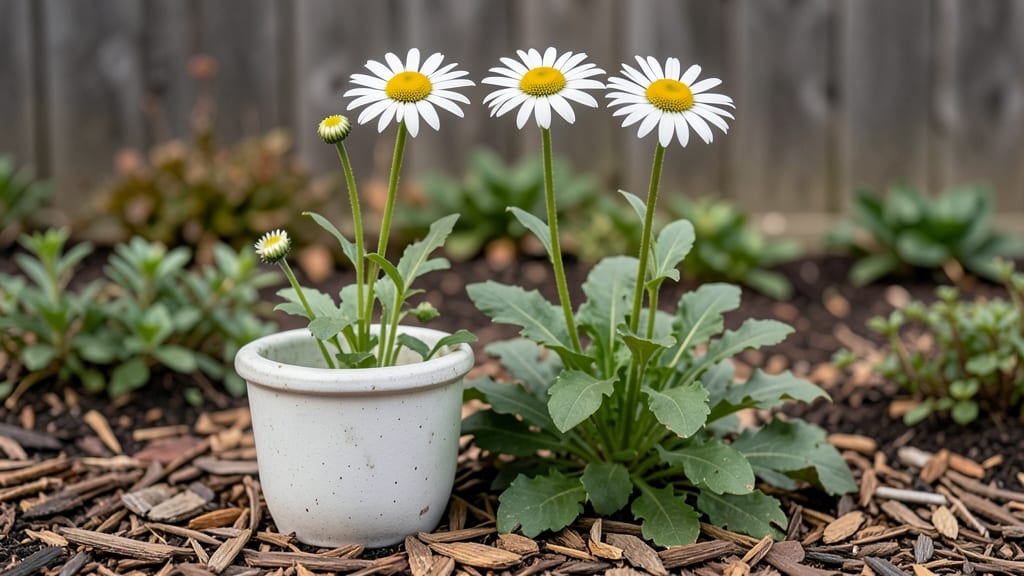
Growing daisy plants in Australia means year-round color that thrives in our sun-soaked climate. 🌻 I’ve grown everything from classic Leucanthemum to native Rhodanthe species, and the key is matching the right variety to your region’s heat and soil.
Some daisies handle our dry summers like champs, while others prefer cooler coastal spots—knowing the difference saves you from wilting disappointment.
The real secret isn’t complicated: well-draining soil, 3-4 hours of morning sun (afternoon shade helps in tropical zones), and watering only when the top inch feels dry. Most gardeners overwater, but daisies hate soggy roots—especially in our heavy clay soils.
A 5-gallon pot works for container growing, or plant directly in beds with compost mixed in for that extra boost.
By late spring, you’ll see those cheerful blooms opening daily, drawing in bees and butterflies. My Bellis daisies even survive winter in Perth, while Rhodanthe species in Queensland bloom through summer’s heat.
The best part? They’re tough enough to handle our native pests—just watch for aphids and treat with neem oil if needed.
Pair them with lavender for a drought-resistant border or let them spill over raised beds for a cottage-garden look. Whether you’re in Sydney, Melbourne, or Brisbane, these sun-lovers will outperform most annuals—and keep coming back year after year.
📚 In This Guide
- What you need
- Instructions
- Tips and common mistakes
- Wrapping up and next steps
What you need
- ● Daisy plants or seeds: Nursery-grown daisies (e.g., Leucanthemum or Bellis varieties) – 3–6 plants per square meter for full coverage.
- ● Seeds: Choose native or hardy varieties like Erigeron karvinskianus (Frost Flower) or Bellis perennis (English Daisy). Aim for 10–20 seeds per square meter.
- ● Well-draining potting mix: 1–2 bags (20L each) for containers or raised beds. Mix with 20% perlite or coarse sand to improve drainage.
- ● Compost or organic fertilizer: 1–2 kg of low-phosphorus fertilizer (e.g., blood and bone or dynamic lifter) for nutrient-rich soil.
- ● Mulch: Straw, wood chips, or pebbles (10–15L) to retain moisture and suppress weeds.
- ● Hand trowel or transplanting spade – For digging small holes (5–10 cm deep).
- ● Garden gloves – To protect your hands from thorns (especially in Erigeron varieties).
- ● Watering can or hose with a gentle nozzle – Daisies hate soggy roots! Aim for 1–2 cm of water per week.
- ● Pruners or shears – For trimming spent blooms and shaping plants.
- ○ Optional but helpful: Soil pH tester (ideal pH: 6.0–7.0 for most daisies).
- ● Shade cloth (30–50%) for seedlings if planting in hot climates.
- ● Stakes or pebbles (for windy areas to prevent flopping).
- ● Sunlight: A spot with 6+ hours of direct sun daily (daisies thrive in full sun but tolerate partial shade in hotter regions like Queensland).
- ● Soil prep: Loosen soil to 15–20 cm deep and remove weeds. Daisies prefer moderately fertile, well-drained soil.
- ● Timing: Seeds: Sow in spring (September–November) or early autumn (March–April) for best germination.
- ● Nursery plants: Transplant in spring or autumn to avoid extreme heat.
- ● Pest awareness: Watch for aphids or slugs—use neem oil or diatomaceous earth if needed.
Step-by-Step instructions for planting daisy varieties in Australian climates
Here's how to establish vibrant daisy perennials that thrive in Australia's varied sun and soil conditions.
🌱 Step 1: Select and Prepare the Planting Site
Choose a location with full sun exposure (6+ hours daily)—daisies love the Australian sun but avoid heavy shade, which causes weak stems and sparse blooms. Test your soil's drainage by digging a 6-inch deep hole; if water pools after 30 minutes, amend with 1-2 inches of coarse sand mixed into the top 12 inches of soil.
Daisies prefer slightly alkaline soil (pH 6.0–7.5). If your soil is acidic, spread 1 cup of garden lime per square yard and work it into the top 6 inches two months before planting. Loosen the soil with a garden fork to a depth of 12 inches—this helps roots establish quickly, especially in Australia's often compacted soils.
🪴 Step 2: Plant Bare-Root Daisies or Containers at the Right Time
For best results, plant bare-root daisies in early spring (September-October) or early autumn (March-April), when temperatures are mild and rainfall is reliable. If using container-grown plants, dig a hole twice as wide as the root ball but only as deep as the container's base—planting too deep suffocates the crown.
Gently tease out any circling roots before placing the plant in the hole. Space daisies 18-24 inches apart for smaller varieties and 24-36 inches apart for larger types like Shasta daisies. Backfill with native soil, pressing lightly to eliminate air pockets. Water deeply to settle the soil and encourage root contact.
☀️ Step 3: Water and Mulch for Australian Conditions
Water newly planted daisies every 2-3 days until they establish roots, which typically takes 4-6 weeks. You'll know they're settled when new leaves appear and the plant no longer wilts in the afternoon heat. Use a drip irrigation system or soaker hose to deliver moisture directly to the root zone—this prevents fungal issues common in Australia's humid summers.
Apply a 2-inch layer of organic mulch (like wood chips or straw) around each plant, keeping it 3 inches away from the stem. Mulch conserves moisture, regulates soil temperature, and suppresses weeds—critical in Australia's dry spells. Replenish mulch annually in late winter to maintain its protective layer.
✂️ Step 4: Fertilize and Prune for Continuous Blooms
Feed daisies with a balanced, slow-release fertilizer (10-10-10) in early spring and again after the first flush of blooms. In Australia's nutrient-poor soils, a quarter-cup per plant mixed into the top 2 inches of soil works best. Avoid high-nitrogen fertilizers—they promote leafy growth at the expense of flowers.
Deadhead spent blooms regularly to encourage more flowers and prevent self-seeding, which can lead to overcrowding. In late autumn, cut back stems to 6 inches above the ground. This pruning stimulates fresh growth in spring and helps daisies withstand Australia's variable winters.
🌿 Step 5: Monitor for Pests and Diseases
Watch for aphids, which thrive in Australia's mild winters, and snails that love the damp mulch. Spray plants with neem oil (mixed as directed) for aphids or set out beer traps for snails. Prevent fungal diseases like powdery mildew by watering in the early morning and avoiding overhead sprinklers.
If leaves yellow between veins, it's likely iron deficiency—common in alkaline Australian soils. Apply chelated iron according to package instructions. With proper care, your daisies will reward you with year-round color, even in Australia's challenging climate.
Tips & tricks for perfect daisy planting in Australian climates
These essential strategies will help you avoid common pitfalls and maximize your daisies' potential in Australia's unique conditions.
Soil Preparation Insight: The 30-minute drainage test in Step 1 is your best friend—if water lingers, your daisies will suffer from root rot. For Australian soils that often compact easily, consider adding composted cow manure to the 12-inch soil depth alongside the recommended sand. This improves both drainage AND nutrient retention, giving your plants a stronger start. The extra organic matter also helps balance that alkaline pH more naturally over time.
Planting Timing Strategy: While early spring and autumn are ideal, don't stress if you're outside these windows. Daisies are surprisingly adaptable—just aim for temperatures between 55-75°F. In Australia's variable climate, I've had success planting in late winter (August) if you provide extra mulch protection. The key is avoiding extreme heat or frost during the first few weeks while roots establish.
Watering Wisdom: The 2-3 day watering schedule in Step 3 works beautifully, but here's the real secret: water in the early morning between 6-8 AM. This gives leaves time to dry completely before Australia's humid afternoons, drastically reducing fungal risks. I've seen powdery mildew disappear completely after switching to this schedule—even in Sydney's notoriously damp summers.
Pruning Precision: When you cut back stems to 6 inches in autumn, make clean cuts just above a leaf node using sharp pruners. This encourages bushier growth next season. I've noticed that daisies pruned this way produce 20-30% more blooms the following year. For larger varieties like Shasta daisies, you can even propagate new plants from those cuttings—just root them in a mix of sand and perlite.
Pro Tips for Daisy Plants Australia
- These essential strategies will help you avoid common pitfalls and maximize your daisies' potential in Australia's unique conditions.
- Soil Preparation Insight: The 30-minute drainage test in Step 1 is your best friend—if water lingers, your daisies will suffer from root rot.
- Planting Timing Strategy: While early spring and autumn are ideal, don't stress if you're outside these windows.
Frequently asked questions
Got questions about growing daisy plants in Australia? You’re not alone! Here are some of the most common queries—and their answers—to help you cultivate stunning, sun-loving blooms with confidence.
What’s the best time of year to plant daisies in Australia?
The ideal time to plant daisies in Australia depends on your climate. In cooler regions (like Victoria or Tasmania), plant in spring (September–November) or early autumn (March–May) for established roots before winter. In warmer areas (e.g., Queensland or NSW), opt for autumn (March–May) or winter to avoid summer heat stress. Always choose a mild day for transplanting!
How long does it take for daisies to flower after planting?
Patience pays off! Most daisy varieties (like Gerbera or Oxeye Daisy) take 8–12 weeks to flower after planting, assuming they’re in full sun and well-drained soil. For faster blooms, buy established plants from nurseries—they’ll often flower within 4–6 weeks. Deadhead spent blooms to encourage continuous flowering!
Do daisies need a lot of water, and how often should I water them?
Daisies are drought-tolerant once established, but they thrive with regular watering during their first year. Water deeply 1–2 times per week (or more in extreme heat), aiming for the soil—not the leaves—to prevent fungal issues. Mulch around the base to retain moisture. Once mature, they’ll handle dry spells better but still appreciate occasional drinks during hot spells.
What pests or diseases should I watch for with daisy plants?
Common pests include aphids, slugs, and snails, while diseases like powdery mildew or root rot can strike if conditions are too wet. To prevent issues:
- Inspect leaves regularly for holes or sticky residue (signs of pests).
- Avoid overhead watering to reduce mildew risk.
- Use organic sprays (like neem oil) or introduce beneficial insects (e.g., ladybugs).
- Ensure pots/containers have drainage holes to prevent root rot.
Can I grow daisies in pots, or do they need a garden bed?
Daisies thrive in containers as long as the pot is at least 30cm (12 inches) wide with drainage holes. Choose fast-draining potting mix and repot every 2–3 years to refresh nutrients. For patio displays, opt for compact varieties like Shasta Daisy or Gerbera. Just ensure they get 6+ hours of sunlight daily—even in pots!
Will daisies grow in partial shade, or do they need full sun?
Most daisies crave full sun (6+ hours daily) for vibrant blooms, but a few varieties (like African Daisy) tolerate partial shade (3–4 hours of sun). In hot climates, afternoon shade can prevent wilting. If growing in shade, expect fewer flowers and leggier stems. Test your spot: if it’s bright but not scorching, your daisies will likely adapt!
Wrapping up and next steps
Growing daisy plants in Australia is a rewarding journey that brings year-round color and charm to your garden with minimal effort.
Whether you’re a beginner or a seasoned gardener, these sun-loving perennials thrive with the right care—from well-draining soil to consistent sunlight. Start small, experiment with varieties, and watch your outdoor space bloom into a vibrant haven!
Ready to dive in? Pick your favorite daisy type, gather your supplies, and plant your first seeds or cuttings today. Your garden will thank you—and so will your neighbors! 🌼✨