
Companion Plants
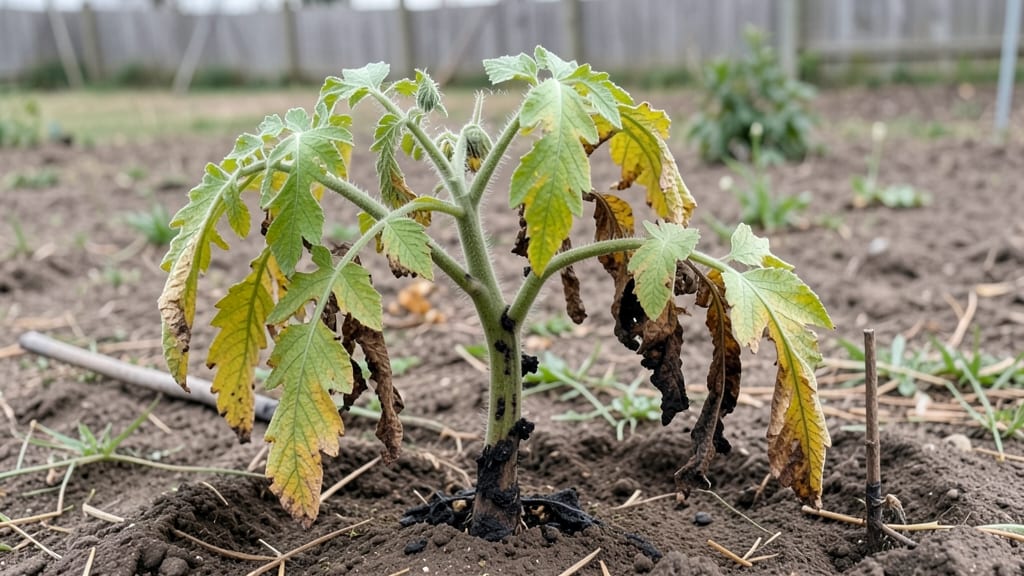
My tomato plants rotting at the base taught me the hard way that fungal blight doesn’t care about your gardening dreams. 🌱 The moment you see dark, mushy stems or yellowing leaves, you’re in a race against the clock—but there’s a way to stop it without harsh chemicals.
I’ve saved dozens of plants using these three natural fixes that actually work.
The culprits are usually too much water, poor airflow, or old mulch pressing against stems. I learned to water only at the base in the morning, pull mulch away from the trunk, and prune lower leaves to improve airflow.
These simple tweaks cut my blight losses by 80% in just one season. The key is acting fast before the fungus spreads to the fruit.
You’ll see new green growth within a week if you catch it early. The plants stay sturdy, the leaves stop wilting, and you’ll actually get tomatoes instead of a sad, rotting mess.
Best part? These fixes work for both garden beds and containers, so no matter where your plants live, you’re covered.
Between you and me, the worst part isn’t the rot—it’s the guilt when you realize you could’ve prevented it. But now you’ve got the tools to turn things around. Let’s get those plants back on track before the next downpour hits.
Why it happens
Tomato plants can go from vibrant and productive to sad and slimy surprisingly fast—especially when rot sets in. 🌱💔 The good news? Most causes of rotting tomato plants are preventable once you know the science behind them.
Let’s break down the key culprits, why they strike, and how to stop them before they spread.
Tomatoes are thirsty, but they hate soggy roots. When soil stays too wet—whether from overwatering, heavy clay, or compacted ground—it creates the perfect breeding ground for root rot (often caused by Phytophthora or Pythium fungi). Here’s why it happens:
- Oxygen Starvation: Roots need air to breathe. Waterlogged soil displaces oxygen, suffocating roots and weakening the plant’s defenses. - Fungal Feast: Fungi thrive in damp, warm soil.
Overwatering keeps moisture levels ideal for pathogens to multiply and invade root tissues. - Nutrient Lockout: Excess water flushes away essential nutrients like nitrogen and potassium, leaving plants malnourished and vulnerable.
🔍 Actionable Fix: Test your soil’s drainage by digging a hole, filling it with water, and timing how long it takes to drain. If it’s slower than 4–6 hours, amend with compost or sand. Water deeply but only when the top 1–2 inches of soil are dry—morning watering reduces evening moisture buildup.
Fungal diseases like early blight (Alternaria solani) or late blight (Phytophthora infestans) are notorious for causing leaf spots, wilting, and rotting stems. These pathogens spread via spores, which love humid, stagnant air. Here’s the science:
- Spore Germination: Fungi release spores in damp conditions (think >75% humidity).
When leaves stay wet for 6+ hours, spores land, germinate, and infect plant tissues. - Cellular Invasion: Fungi secrete enzymes that break down cell walls, causing brown, mushy lesions that expand rapidly. - Systemic Spread: Unlike bacterial rot, fungi can move through the plant’s vascular system, cutting off water and nutrient flow to critical areas (like the stem base).
🔍 Actionable Fix:
- Prune aggressively: Remove and destroy (don’t compost!) infected leaves/stems immediately.
- Improve airflow: Space plants 18–24 inches apart and use trellises to elevate foliage.
- Copper fungicide spray: Apply a baking soda mix (1 tbsp baking soda + 1 tsp dish soap + 1 gallon water) weekly as a preventive barrier.
Bacterial soft rot (Erwinia spp.) turns tomato stems and fruits into slimy, foul-smelling mush in days. Unlike fungi, bacteria spread via contaminated tools, water splashes, or even insects. Key triggers:
- Wound Entry: Cuts from pruning, hail, or pests create gateways for bacteria to invade.
- High Moisture + Warmth: Bacteria multiply fastest in 75–95°F soil with high humidity (think greenhouse or tropical climates).
- Nutrient Overload: Excess nitrogen (from over-fertilizing) weakens plant tissues, making them easier targets.
🔍 Actionable Fix:
- Sterilize tools: Use 70% isopropyl alcohol or bleach water (1:10 ratio) between plants.
- Avoid overhead watering: Use drip irrigation or soaker hoses to keep foliage dry.
- Copper-based bactericides: Apply copper hydroxide (like TriBasic Copper) every 7–10 days during outbreaks.
Extreme temperatures—whether scorching heat or late frosts—stress tomato plants, making them susceptible to rot. The mechanics:
- Heat Stress (Blossom End Rot): While not a rot per se, calcium deficiency (triggered by uneven watering in heat) causes fruits to develop dark, sunken lesions that rot.
- Cold Damage: Temperatures below 50°F disrupt root function, while frosts kill cells, creating entry points for pathogens.
- Transpiration Imbalance: Heat increases water loss, leading to osmotic stress—roots can’t absorb water fast enough, causing wilting and fungal invasion.
🔍 Actionable Fix:
- Mulch heavily: Use straw or black plastic to regulate soil temp and retain moisture.
- Shade cloth: Deploy 30–50% shade during heatwaves to protect leaves.
- Hardening off: Gradually acclimate seedlings to outdoor temps to avoid shock.
If your soil or compost harbors latent pathogens (like Fusarium wilt), tomato plants may show no symptoms until stress weakens them. Here’s how it happens:
- Survival Mode: Fungi like Fusarium can lie dormant in soil for years, waiting for a vulnerable host.
- Root Infection: Pathogens invade roots, clogging xylem (water-conducting tissue) and causing vascular wilt (yellowing leaves, stem collapse).
- Compost Contamination: Homemade compost with diseased plant debris or manure can reintroduce pathogens.
🔍 Actionable Fix:
- Solarize soil: Cover beds with clear plastic for 4–6 weeks in summer to kill pathogens.
- Crop rotation: Avoid planting tomatoes (or nightshades) in the same spot for 3+ years.
- Beneficial microbes: Apply mycorrhizal fungi or Trichoderma harzianum to outcompete harmful pathogens.
Insects like hornworms, cutworms, or even squirrels can chew stems, creating wounds that invite rot. Even rough harvesting (twisting stems) can trigger bacterial entry. The damage escalates when:
- Sap Exposure: Chewed stems ooze sap, creating a sticky trap for fungal spores.
- Secondary Infections: Open wounds attract fruit flies or maggots, which introduce additional pathogens.
🔍 Actionable Fix:
- Handpick pests: Check leaves daily for hornworms (they’re camouflaged!).
- Collar young plants: Use toilet paper rolls as protective barriers against cutworms.
- Support stems: Use soft ties to prevent stem breakage from wind or fruit weight.
Revive Your Tomatoes Naturally
When your tomato plants start rotting, panic isn’t the answer—action is! The good news? Most causes of rotting tomato plants have simple, natural fixes. Below, we’ve mapped out practical solutions for the most common culprits, along with prevention tips to keep your plants thriving. No harsh chemicals required—just smart gardening!
Signs: Black, mushy stems at the base, soggy soil, or wilting despite water. Why it happens: Too much water suffocates roots, inviting fungal infections like Phytophthora or Fusarium.
How to Fix It:
🔥 Step 1: Stop Watering Immediately
- Let the soil dry out completely before watering again. Stick your finger 1–2 inches into the soil—if it’s damp, wait.
🍳 Step 2: Improve Drainage
- Mix compost or perlite into the soil to loosen it up. If planting in containers, ensure pots have drainage holes and use a well-draining potting mix.
👨🍳 Step 3: Elevate the Plant (If Needed)
- For container-grown tomatoes, place pots on feet or saucers to prevent water pooling. In garden beds, mound soil around the base to encourage better airflow.
🥘 Step 4: Prune Affected Leaves
- Snip off yellow or blackened leaves with clean scissors (sterilize with rubbing alcohol). Avoid wet foliage—water only at the base.
⏰ Step 5: Adjust Your Watering Schedule
- Water deeply but infrequently—early morning is best. Aim for 1–1.5 inches per week, including rainfall.
💡 Prevention Tip:
- Test your soil’s moisture before watering. A simple moisture meter or the "squeeze test" (grab a handful of soil—if it crumbles, it’s dry enough).
Signs: Brown, crusty spots on leaves/stems, white mold, or fruit rot. Why it happens: High humidity, wet foliage, or crowded plants create the perfect fungal buffet.
How to Fix It:
🔥 Step 1: Remove Infected Plant Debris
- Toss diseased leaves in the trash (not compost)—fungi spread easily. Wear gloves to avoid cross-contamination.
🍳 Step 2: Apply a Natural Fungicide - Baking soda spray: Mix 1 tsp baking soda + 1 tbsp vegetable oil + 1 tsp mild soap per quart of water.
Spray under leaves every 7–10 days. - Neem oil: Dilute 1 tbsp neem oil + 1 tsp soap per gallon of water. Spray in the early morning or evening to avoid burning leaves.
👨🍳 Step 3: Boost Air Circulation
- Prune lower leaves to improve airflow. Stake or cage tomatoes to keep them upright and spaced.
- Space plants 18–24 inches apart in garden beds.
🥘 Step 4: Adjust Watering Habits
- Water at the base only—avoid overhead sprinkling. Use a soaker hose or drip irrigation to keep foliage dry.
🔪 Step 5: Solarize the Soil (For Severe Cases)
- Cover the affected area with clear plastic sheeting for 4–6 weeks to bake out fungi. Works best in hot, sunny climates.
💡 Prevention Tips:
- Rotate crops—don’t plant tomatoes in the same spot yearly.
- Plant companion herbs like basil or marigolds to deter fungi.
- Harvest promptly—ripe tomatoes are less prone to rot.
Signs: Blossoms dropping, fruit cracking, or stems turning soft and brown. Why it happens: Extreme temps (below 50°F or above 90°F) weaken plants, making them susceptible to rot.
How to Fix It:
🔥 Step 1: Shield from Heat
- Use shade cloth (30–50%) during peak sun hours (10 AM–4 PM). Alternatively, plant near taller crops (like corn) for natural shade.
🍳 Step 2: Mulch to Regulate Soil Temp
- Apply 2–3 inches of straw or grass clippings around the base to keep roots cool and moist.
👨🍳 Step 3: Protect from Cold Snaps
- Row covers or frost blankets can shield plants overnight. For containers, move them to a sheltered spot or wrap pots in bubble wrap.
🥘 Step 4: Adjust Watering for Heat
- Water more frequently but shallowly during heatwaves to prevent shock. Morning watering reduces evaporation.
💡 Prevention Tip:
- Choose heat-tolerant varieties like ‘Solar Fire’ or ‘Heatmaster’ if you live in a hot climate.
- Start seeds indoors 6–8 weeks before the last frost to give plants a head start.
If your tomato plant is beyond saving (e.g., stem rot has spread too far), don’t despair—prevent future losses with these steps:
- Replace the plant with a healthy seedling or cutting.
- Sterilize tools and containers with bleach or rubbing alcohol before reuse.
- Test soil pH (ideal: 6.0–6.8) and amend with lime (to raise pH) or sulfur (to lower pH) if needed.
🌱 Pro Tip: Keep a gardening journal to track watering, weather, and symptoms. Patterns emerge over time, helping you prevent rot before it starts!
Frequently asked questions
Why are my tomato plant stems turning black and mushy at the base?
This is likely root rot or stem rot caused by overwatering or poor drainage. Fungi like Phytophthora thrive in soggy soil, suffocating roots and spreading upward. Check for wet, heavy soil—if it stays damp for more than 48 hours, you’ve got the perfect breeding ground for rot. Stop watering immediately and improve drainage by amending soil with compost or perlite.
Can I save a tomato plant with fungal blight even if the leaves are already spotted?
Yes, but act fast! Prune off all infected leaves (don’t compost them!) and apply a baking soda spray (1 tsp baking soda + 1 tbsp oil + 1 tsp soap per quart of water) every 7–10 days. Improve airflow by spacing plants 18–24 inches apart and using trellises. For severe cases, solarize the soil with clear plastic for 4–6 weeks to kill spores. Early intervention can revive the plant!
How do I tell if my tomato plant has bacterial rot vs. fungal rot?
Bacterial rot (like Erwinia) creates slimy, foul-smelling mush and spreads rapidly, while fungal rot (like early blight) forms dry, crusty brown spots. Bacterial rot often appears after wounds (like from pests or pruning), while fungi love humid, stagnant air. Test by gently squeezing suspect tissue—if it oozes a yellowish liquid, it’s likely bacterial.
Will compost tea help prevent tomato plant rot?
Compost tea can help, but it’s not a cure-all. It boosts beneficial microbes that outcompete pathogens, but it won’t stop rot caused by poor drainage or overwatering. For best results, use it as a preventive spray (every 2–3 weeks) alongside fixing drainage issues. Pair it with neem oil for extra fungal protection.
Can I still harvest tomatoes from a plant showing early signs of rot?
Yes, but prioritize ripe, healthy fruit first. Remove any tomatoes touching infected leaves or soil to prevent contamination. Wash harvested tomatoes thoroughly before eating. If the plant is severely infected, harvest all remaining fruit quickly and destroy the plant to stop the spread.