Diseases
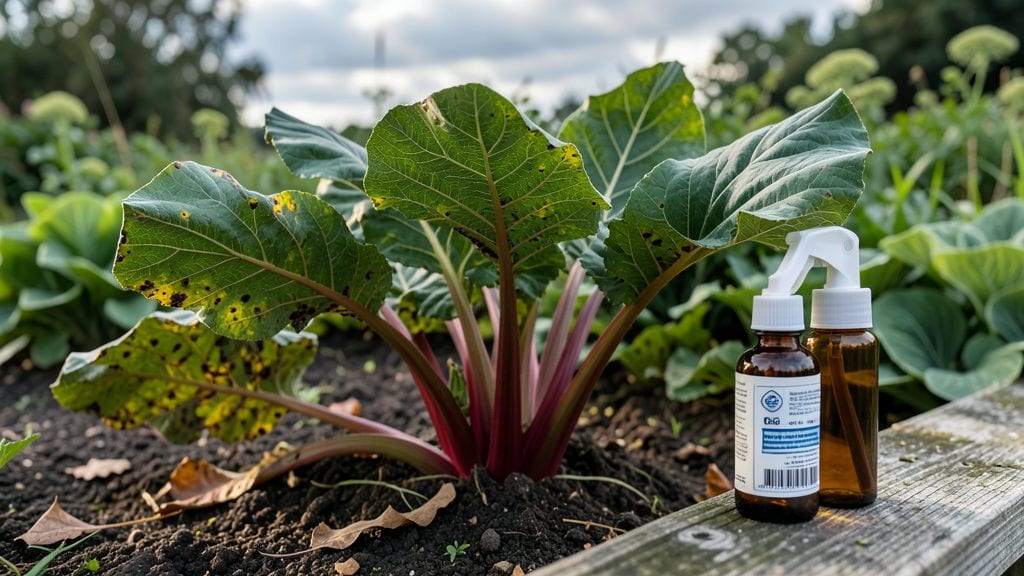
Rhubarb plant diseases can turn your lush stalks into a sad, spotted mess—unless you catch them early. 🌱 I’ve seen crown rot and rust turn vibrant plants into sad, wilted shadows, but the right prevention keeps them thriving.
The key is acting fast when you spot those first suspicious brown spots or strange growths.
Most fungal threats start with moisture—too much rain, poor drainage, or crowded plants. My rhubarb thrives when I space them 3 feet apart, mulch with straw, and water at the base (not overhead).
Organic sprays like neem oil or copper fungicide can stop rust and leaf spot before they spread, but the real secret is healthy soil and airflow.
📚 In This Guide
- What you need
- Instructions
- Tips and common mistakes
- Wrapping up and next steps
What you need
- ● Pruning shears or sharp bypass pruners – 1 pair (sterilized with rubbing alcohol) for removing infected leaves or stalks.
- ● Garden gloves – 1 pair (nitrile or rubber) to protect your hands from spores and sap.
- ● Spray bottle (16–32 oz) – For applying fungicides or homemade remedies.
- ○ Garden twine or stakes – Optional but helpful for supporting healthy plants and improving airflow.
- ● pH testing kit – Ensures soil pH is ideal (6.0–6.8) for rhubarb health.
- ○ Magnifying glass (optional) – Helps spot early signs of fungal spores or lesions.
- ● Copper fungicide (e.g., Bordeaux mixture or copper sulfate) – Follow label rates for powdery mildew or leaf spot.
- ● Neem oil (1–2%) – 1 tbsp per gallon of water for preventative sprays.
- ○ Baking soda solution (optional) – 1 tsp baking soda + 1 tsp horticultural oil + 1 quart water for mild fungal issues.
- ● Compost or well-rotted manure – Improves soil health and boosts plant resilience.
- ● Healthy rhubarb plants – Start with disease-resistant varieties like ‘Victoria’ or ‘Valentine’.
- ● Well-draining soil – Rhubarb hates soggy roots! Amend clay soil with compost or sand if needed.
- ● Proper spacing (2–3 ft apart) – Ensures airflow and reduces fungal spread.
- ● Regular monitoring – Check plants weekly for early signs of disease (yellowing, spots, or mold).
Step-by-Step guide to identifying and treating rhubarb fungal diseases
Here's how to spot and stop common fungal threats before they ruin your harvest.
🌱 Step 1: Inspect Leaves and Stems for Early Signs
Start by examining the outer leaves first. Look for dark, irregular spots that spread quickly—this is often leaf spot disease, the most common fungal threat to rhubarb. Healthy leaves should be vibrant green with no discoloration. Run your fingers lightly over the surface; rough or powdery textures indicate fungal spores.
Check the stem bases for blackened or mushy areas. This signals crown rot, which can kill plants if ignored. The key is catching these early—before you see wilting leaves or yellowing stems. I always inspect plants after rain, when fungal spores spread fastest.
💧 Step 2: Adjust Watering Practices Immediately
Fungal diseases thrive in wet foliage, so water at the base of the plant only—never overhead. Use a soaker hose or drip irrigation to keep leaves dry. If you've already watered from above, stop immediately and let the foliage dry within 4-6 hours.
Water in the early morning so leaves have all day to dry. Avoid evening watering, as humidity overnight creates perfect conditions for spores to germinate. Mulch around plants with 2-3 inches of organic mulch to prevent soil splashing onto leaves.
✂️ Step 3: Prune Infected Areas Promptly
Remove any leaves with spots, discoloration, or holes using clean, sharp shears. Cut back to healthy green tissue—never leave infected material behind. Dispose of pruned leaves in the trash, not your compost pile, as fungal spores can survive composting.
For crown rot, dig up the plant and trim away all blackened or mushy tissue with a sterilized knife. The goal is to expose clean, firm tissue. If the rot extends deep into the crown, the plant may not recover—replace it immediately to prevent soil contamination.
☀️ Step 4: Apply Fungicide Treatments Preventively
Once you spot signs, treat with a copper-based fungicide (like copper sulfate) or a neem oil solution. Mix neem oil with water according to package instructions and spray thoroughly on both sides of leaves, focusing on undersides where spores hide. Apply in the early morning for best results.
Reapply fungicide every 7-10 days or after heavy rain. For severe infections, add a baking soda spray (1 tablespoon baking soda + 1 quart water + a few drops of dish soap) as a natural alternative. Always test sprays on a small leaf first to check for sensitivity.
🌿 Step 5: Rotate Planting Locations Next Season
Fungal spores linger in the soil, so move rhubarb to a new location every 3-4 years. Choose a spot with full sun and good airflow—crowded plants stay damp longer. Avoid planting in areas where other susceptible crops (like strawberries or tomatoes) have grown recently.
If you must replant in the same area, sterilize the soil first by solarizing it: cover with clear plastic for 4-6 weeks during hot weather. This kills spores before replanting. Healthy rhubarb thrives with proper spacing (3 feet apart) and never in soggy soil.
Tips & tricks for managing rhubarb plant diseases
Catching fungal diseases early makes all the difference—here's how to stay one step ahead of the worst threats.
Timing is Everything: In Step 1, when inspecting leaves after rain, focus on the outermost leaves first. These are most exposed to spores. I've seen leaf spot spread from just one infected leaf to the whole plant in 4-6 hours if left unchecked—don't wait until you see wilting to act. Grab a magnifying glass if needed; early detection is your best defense.
Pruning Precision: When you remove infected leaves in Step 3, cut at least 1 inch below any visible spots to ensure you're removing all spores. I sterilize my shears with rubbing alcohol between cuts to prevent cross-contamination. For crown rot, don't just trim the obvious rot—dig deeper until you find clean tissue. If the rot smells foul or feels mushy deep inside, the plant is likely beyond saving.
Fungicide Application Strategy: In Step 4, the key to effective fungicide treatment is coverage. Use a spray bottle with a fine mist setting to reach both sides of leaves, especially undersides where spores hide. I apply fungicide on calm mornings when there's no wind—this prevents drift and ensures even coverage. For severe cases, alternate between copper-based and neem oil treatments every 7-10 days to prevent resistance.
Preventive Planting: For Step 5, remember that 3-4 years is the minimum rotation period. If you've had fungal issues, consider extending this to 5 years in the same spot. When choosing a new location, test the soil's drainage first—soggy soil is a fungal magnet. I always plant rhubarb in raised beds with excellent drainage to keep roots healthy and prevent crown rot from developing.
Pro Tips for Rhubarb Plant Diseases
- Catching fungal diseases early makes all the difference—here's how to stay one step ahead of the worst threats.
- Timing is Everything: In Step 1, when inspecting leaves after rain, focus on the outermost leaves first.
- Pruning Precision: When you remove infected leaves in Step 3, cut at least 1 inch below any visible spots to ensure you're removing all spores.
Frequently asked questions
What are the first signs of disease on my rhubarb plant?
Watch for yellowing leaves (often starting at the edges), black or brown spots on stalks/leaves (common with rust or leaf spot), or mushy, discolored stems (a sign of crown rot). Act fast—remove affected parts immediately and adjust watering to prevent spread.
When is the best time to treat rhubarb diseases?
Spring is critical! Treat before new growth appears (early March–April). For fungal issues like powdery mildew, apply fungicide preventatively during damp weather. If you spot diseases mid-season, prune infected leaves and reapply treatment every 2–3 weeks until harvest.
Are there natural remedies for rhubarb plant diseases?
Yes! Try a baking soda spray (1 tsp baking soda + 1 quart water + a drop of dish soap) for powdery mildew, or neem oil (1 tsp per quart of water) for fungal spots. For soil-borne issues, improve drainage with compost and avoid overhead watering to keep foliage dry.
Can I still eat rhubarb if it has diseases?
Only if the damage is minor and surface-level. Avoid stalks with blackened cores, mold, or slimy texture—these can harbor toxins. For leaf spots, trim 1 inch below the affected area and discard the rest. When in doubt, compost diseased plant parts away from your garden.
How do I prevent rhubarb diseases next year?
- Rotate crops: Avoid planting rhubarb in the same spot for 3+ years.
- Space plants: Give rhubarb 3 feet of clearance for airflow.
- Mulch: Use straw or wood chips to reduce soil splashing onto leaves.
- Choose resistant varieties: Try ‘Victoria’ or ‘Canadian Red’—they’re tougher against rust.
Wrapping up and next steps
Keeping your rhubarb plants healthy doesn’t have to be overwhelming—early detection and proactive care make all the difference! 🌱 By recognizing symptoms like leaf spots, powdery mildew, or crown rot, and using organic or chemical treatments as needed, you can protect your harvest and enjoy thriving plants for years. Remember: consistency is key—regularly inspect, prune, and maintain proper spacing to create an unfavorable environment for diseases.
Now that you’re armed with knowledge, take action! Start with a quick check of your rhubarb patch today—treat any issues you spot, and share these tips with fellow gardeners to spread the word. Happy (and disease-free) gardening! 🌟