
Diseases
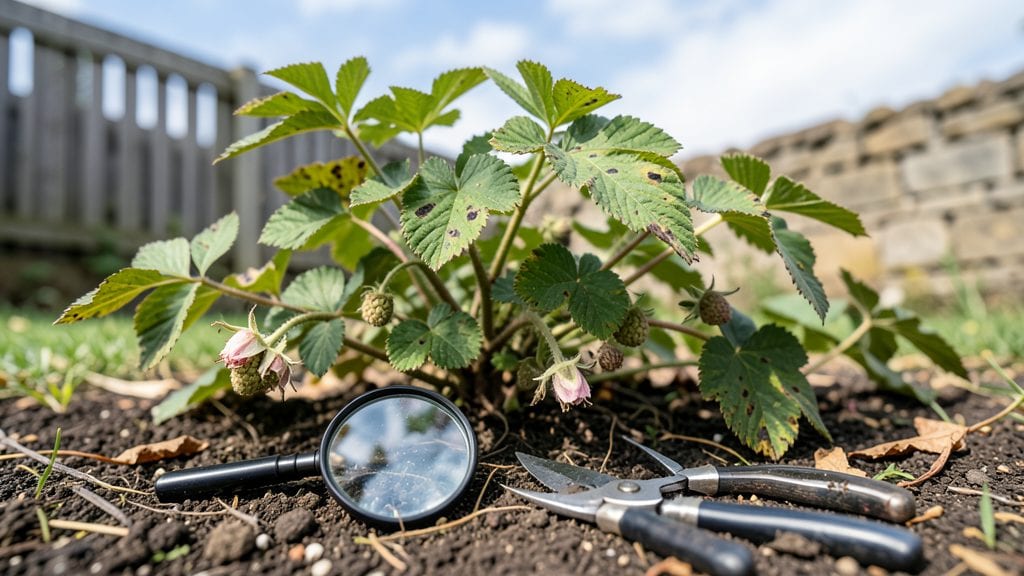
Raspberry plants fighting fungal diseases can mean the difference between a bountiful harvest and wasted canes. 🌿 I’ve lost entire patches of raspberries to powdery mildew and cane blight—until I learned to spot the early signs and act fast.
The key isn’t just treating symptoms; it’s understanding why these diseases take hold in the first place.
Most fungal issues start with moisture—either from overhead watering, poor air circulation, or thick foliage trapping humidity. My biggest mistake? Ignoring the first white powder on leaves, thinking it would just "go away."
By the time I acted, the plants were already stressed, and the fruit quality suffered. The good news? Catching these problems early means you can save your plants with simple, targeted fixes.
You’ll learn to identify the most common threats—like cane blight, botrytis fruit rot, and that dreaded powdery mildew—by their telltale spots, discoloration, or mushy fruit. Then, we’ll cover organic sprays (neem oil, baking soda mixes) and when chemical treatments make sense.
The goal isn’t just to stop the spread but to protect next year’s crop too.
Prevention is where the real game changes happen. Adjusting watering habits, pruning for airflow, and choosing resistant varieties can cut your risk by half. Plus, I’ll share how to work with local extension offices for soil testing and disease diagnostics—because sometimes, the answer is right in your backyard.
Let’s get those canes healthy again.
Root Causes of Raspberry Ailments
Raspberry plants, like all living organisms, are vulnerable to diseases—but understanding why these issues arise is the first step to prevention. Fungal infections, bacterial rot, and viral outbreaks don’t happen in a vacuum; they thrive due to specific environmental, cultural, or biological triggers.
Below, we break down the core reasons raspberry plants fall ill, so you can address the root of the problem—not just the symptoms.
Fungi like Botrytis cinerea (gray mold) and Phytophthora (root rot) are the #1 culprits behind raspberry diseases. These pathogens require moisture to spread—whether from overhead watering, dense foliage, or soggy soil. Here’s why it happens:
- Excessive humidity: Raspberries thrive in well-drained soil, but compacted or waterlogged conditions create the perfect breeding ground for fungal spores. Phytophthora, for example, thrives in soils with poor drainage, suffocating roots and leading to collapse. 🌧️
- Overhead irrigation: Water droplets lingering on leaves (especially at night) provide fungal spores with a direct highway to invade plant tissues. Botrytis spreads rapidly in these conditions, causing gray, fuzzy patches on berries and canes.
- Thick canopies: When raspberry plants grow too densely, airflow is restricted. Stagnant air traps moisture, giving fungi like Didymella applanata (fruit rot) the upper hand. 🌿
Actionable fix: Space plants 18–24 inches apart, prune for airflow, and water at the base—never from above. Mulch with straw (not wood chips) to balance moisture without inviting rot.
Bacterial diseases like Xanthomonas fragariae (bacterial leaf spot) and Pseudomonas syringae exploit weak spots in raspberry plants. These microbes don’t just appear—they hitchhike on stress or physical damage. Here’s how:
- Mechanical injuries: Pruning cuts, thorn pricks, or hail damage create entry points for bacteria. If tools aren’t sterilized between cuts, they can spread Pseudomonas, causing oozing lesions on canes. ⚔️
- Environmental stress: Extreme heat, drought, or nutrient deficiencies weaken raspberry plants, making them susceptible to bacterial infections. For example, Clavibacter michiganensis (bacterial cane blight) thrives when plants are already struggling.
- Contaminated water: Using untreated water (e.g., from rain barrels with bird droppings) can introduce bacterial spores. Even "clean" water can harbor pathogens if it splashes onto wounds.
Actionable fix: Sterilize pruners with rubbing alcohol, avoid overhead watering, and monitor soil moisture. Drought-stressed plants? Mulch to retain moisture and reduce heat stress.
Viruses like Raspberry Bushy Dwarf Virus (RBDV) or Raspberry Leaf Mottle Virus don’t spread on their own—they rely on living carriers. Here’s how raspberries get infected:
- Sap-sucking insects: Aphids, mites, and leafhoppers feed on infected plants, then transmit viruses to healthy ones. For instance, _RBDV_ spreads when aphids move from an infected raspberry to a new plant. 🐜
- Contaminated tools/grafting: If you propagate raspberries via cuttings or grafting from an infected plant, the virus travels directly into new stock. Even soil shared between beds can harbor viral particles.
- Weakened immunity: Plants under nutrient stress (e.g., low nitrogen or phosphorus) are more likely to show severe viral symptoms, even if the virus was present at low levels.
Actionable fix: Inspect new plants for symptoms before purchasing, use insect netting to block vectors, and never reuse tools between beds. Quarantine new additions for 2 weeks to monitor for outbreaks.
Healthy soil = healthy raspberries. But imbalances in pH, nutrients, or organic matter create openings for disease. Here’s the science:
- Acidic or alkaline extremes: Raspberries prefer pH 5.5–6.5. Soil outside this range stresses roots, making them vulnerable to Phytophthora or Armillaria (root rot). Test your soil annually! 📊
- Nitrogen overload: Too much nitrogen promotes lush foliage but weakens structural canes, making them prone to Botrytis infections. A balanced NPK ratio (e.g., 10-10-10) supports resilience.
- Lack of organic matter: Compacted or nutrient-poor soil reduces root oxygenation, inviting Pythium (another root rot pathogen). Compost or well-rotted manure improves aeration and microbial balance.
Actionable fix: Amend soil with compost, avoid synthetic fertilizers without a soil test, and rotate crops to prevent pathogen buildup.
Diseases in raspberries aren’t random—they’re opportunistic. By addressing moisture, stress, vectors, and soil health, you’re not just treating symptoms; you’re starving the problem at its source. 🚫🍄
Quick Fixes For Raspberry Plant Ailments
When your raspberry plants show signs of distress, acting fast can mean the difference between saving your crop and losing it. Below are practical, step-by-step solutions tailored to the most common raspberry diseases, along with prevention tips to keep your plants thriving. Let’s get your berries back on track!
1.
Powdery Mildew: The Fluffy White Invader 🔥 Cause: Fungal spores thrive in warm, humid conditions, coating leaves in a chalky white film. 🍳 Fix It: - Prune & Remove: Cut off heavily infected leaves (don’t compost them—dispose in a sealed bag). - Fungicide Spray: Mix 1 tsp baking soda + 1 quart water + a drop of dish soap (spray undersides of leaves).
For severe cases, use neem oil or a copper-based fungicide. - Improve Airflow: Thin out canes and space plants 3–4 feet apart to reduce humidity.
💡 Prevention Tip: Apply potassium bicarbonate spray every 10–14 days during humid seasons. Resistant varieties like ‘Boyne’ or ‘Heritage’ are great choices!
2.
Gray Mold (Botrytis): The Silent Crop Killer 🔥 Cause: Damp conditions and poor airflow let this fungus spread, causing rotting fruit and brown lesions. 🍳 Fix It: - Remove Infected Fruit/Canes: Snip off moldy berries and canes immediately—don’t let spores spread. - Sanitize Tools: Wipe pruners with rubbing alcohol between cuts to prevent cross-contamination. - Boost Air Circulation: Train canes to a trellis and avoid overhead watering (use drip irrigation instead).
💡 Prevention Tip: Mulch with straw (not wood chips) to keep soil dry. Harvest berries promptly—overripe fruit is a magnet for mold!
3.
Root Rot: The Underground Threat 🔥 Cause: Overwatering or poorly draining soil suffocates roots, turning them black and mushy. 🍳 Fix It: - Stop Watering Immediately: Let soil dry out completely before watering again. - Improve Drainage: Amend soil with perlite or coarse sand, and consider raising beds if drainage is chronically poor. - Fungal Treatment: Apply hydrogen peroxide (3%) to soil (1 part peroxide to 10 parts water) to kill pathogens.
💡 Prevention Tip: Test your soil’s moisture before watering—stick your finger in 2 inches deep; if damp, wait. Well-draining soil is key!
4. Raspberry Cane Borer: The Wood-Eating Menace
🔥 Cause: Larvae burrow into canes, weakening plants and creating entry points for fungal infections. 👨🍳 Treat It: - Inspect & Prune: Look for sawdust-like frass (borer droppings) and exit holes.
Cut out infested canes at the base. - Traps & Barriers: Wrap tree collars with sticky traps or aluminum foil to deter adults. - Beneficial Nematodes: Apply heterorhabditis bacteriophora nematodes to soil to kill larvae naturally.
💡 Prevention Tip: Prune in late winter to remove old canes (borers overwinter in dead wood). Avoid planting near blackberry bushes—they share pests!
5.
Spider Mites: The Tiny Leaf-Suckers 🔥 Cause: These microscopic pests weaken plants, making them susceptible to secondary infections. 🥘 Control Them: - Blast Off with Water: Spray plants with a strong stream of water to knock mites off. - Neem Oil Spray: Mix 1 tbsp neem oil + 1 tsp soap per quart of water and spray every 5–7 days. - Encourage Predators: Release lacewings or ladybugs—they love eating mites.
💡 Prevention Tip: Mulch with straw to retain moisture (mites hate humidity). Reflective mulch (aluminum foil) can confuse and repel them!
6.
Bacterial Canker: The Oozing Wound 🔥 Cause: Cuts or wounds let bacteria enter, causing sunken, oozing lesions on canes. 🔪 Eradicate It: - Burn or Bury Infected Canes: Do not compost—dispose of them immediately to prevent spread. - Prune for Airflow: Remove dense foliage to dry canes faster. - Copper Spray: Apply a copper fungicide (like Bordeaux mixture) to prevent spread.
💡 Prevention Tip: Sanitize pruners with bleach (1 part bleach to 9 parts water) between cuts. Avoid overhead irrigation to keep canes dry!
7.
Raspberry Leaf Curl (Virus): The Curling Disaster 🔥 Cause: Spread by aphids or infected plant material, this virus causes thickened, curled leaves and poor fruit set. ⏰ Manage It: - Remove & Destroy Infected Plants: No cure exists—pull them up and dispose properly. - Control Aphids: Spray with soapy water or introduce ladybugs to keep populations low. - Plant Resistant Varieties: Choose ‘Heritage’ or ‘Nova’—they’re less susceptible.
💡 Prevention Tip: Rotate crops—don’t plant raspberries in the same spot yearly. Aphid traps (yellow sticky cards) can reduce virus spread!
- Boost Plant Health: Feed with balanced fertilizer (10-10-10) in early spring and potassium-rich compost in fall.
- Mulch Smart: Use straw or pine needles (not wood chips) to prevent soil-borne diseases.
- Monitor Regularly: Check undersides of leaves and new growth weekly for early signs of trouble.
🌟 Pro Tip: Keep a plant journal—note when diseases appear, weather patterns, and treatments. This helps predict and prevent future outbreaks!
By following these targeted fixes, your raspberry plants can bounce back stronger—and you’ll be back to enjoying juicy, disease-free berries in no time! 🍓✨
Frequently asked questions
What are the first signs of raspberry plant diseases I should watch for?
Look for white powdery spots (powdery mildew), gray fuzzy patches on berries (Botrytis), or yellowing leaves with black spots (leaf spot). Check canes for oozing lesions (bacterial canker) or sawdust-like frass (cane borers). Early detection is key—act within 3-5 days to prevent spread.
Can I save my raspberry plants if they already have root rot?
It depends on how severe it is. Stop watering immediately and improve drainage with perlite or raised beds. For mild cases, apply hydrogen peroxide (3%) to soil. Severe rot may require removing infected plants to prevent spread. Always test soil moisture before watering again.
How often should I spray my raspberries to prevent diseases?
Apply preventive sprays every 10-14 days during humid seasons. Use neem oil or baking soda mix for fungal issues, and copper fungicide if diseases are common in your area. Early prevention beats treating full-blown infections.
Are there raspberry varieties that naturally resist diseases?
Yes! ‘Heritage’ and ‘Boyne’ varieties show good resistance to powdery mildew and cane blight. ‘Nova’ raspberries are also tougher against viral infections. Check with local nurseries for varieties suited to your climate and common diseases in your region.
What’s the best way to clean pruning tools to prevent bacterial spread?
Wipe blades with rubbing alcohol between cuts or soak in 1 part bleach to 9 parts water for 10 minutes. Rinse and dry thoroughly. Sterilizing tools prevents bacterial canker and other infections from spreading through open wounds.