
Companion Plants
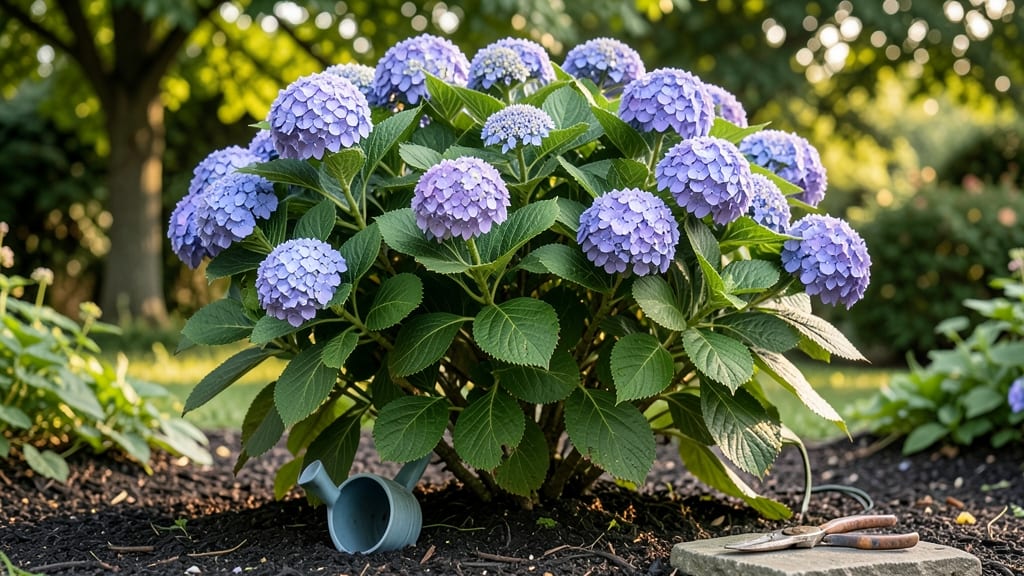
Those purple hydrangea plants in your garden could be the envy of the neighborhood—if you unlock their velvet-cloud secrets with a little soil science. 🌿 I’ve turned my garden’s hydrangeas from pale pink to stunning purple by tweaking one key factor, and you can too.
Start with the right variety—like 'Nikko Blue' or 'Endless Summer'—that naturally leans purple. These thrive in partial shade and acidic soil (pH 5.2–5.5), but even the hardiest plants need proper care.
Test your soil first; most garden centers sell affordable kits. If your pH is too high, aluminum sulfate lowers it fast, while lime raises it if needed.
Once planted, keep the soil consistently moist but not soggy—hydrangeas hate drought. A mulch layer helps retain moisture and cool roots. By late summer, you’ll see those buds forming, and with the right pH, they’ll burst into the purple you’ve been dreaming of.
The payoff? Blooms that last from summer through fall.
This works in zones 3–9, though southern gardeners may need afternoon shade. The key is patience—color changes take 2–3 weeks after adjusting pH. Stick with it, and your hydrangeas will become the showstopper of the neighborhood.
📚 In This Guide
- What you need
- Instructions
- Tips and common mistakes
- Wrapping up and next steps
What you need
- ● Purple hydrangea plants: Choose Hydrangea macrophylla (bigleaf hydrangea) varieties like 'Nikko Blue,' 'Endless Summer,' or 'Limelight' for vibrant purple blooms. Buy 1-3 mature plants (3-5 gallons each) or 50-100 seeds (if starting from scratch).
- ● Well-draining potting mix: 5-10 gallons of a blend like 60% peat moss/compost, 30% perlite, and 10% sand (for containers). For in-ground planting, amend native soil with 3-5 gallons of organic compost per plant.
- ● Soil pH testing kit: A digital pH meter (e.g., Bluelab Soil pH Meter) or test strips to monitor acidity (aim for pH 5.2–5.5 for purple blooms).
- ● Aluminum sulfate or hydrangea bloom booster: 1-2 lbs of aluminum sulfate (for acid-loving plants) or a slow-release granular fertilizer (e.g., Miracle-Gro Hydrangea Food).
- ● Mulch: 2-3 inches of pine bark or wood chips to retain moisture and acidify soil over time.
- ● Garden trowel or spade: For digging holes (12–18 inches wide/deep for mature plants).
- ● Gloves and knee pads: Protect your hands and knees during planting!
- ● Watering can or hose with a gentle spray nozzle: Hydrangeas need 1–2 inches of water weekly (more in containers).
- ● Pruning shears: Bypass pruners (for clean cuts) to shape plants in late winter/early spring.
- ○ Optional but helpful: A rain gauge to track moisture levels.
- ● Epsom salt (1 tbsp per gallon of water) for magnesium boosts (if leaves yellow).
- ● A shade cloth (30–50%) if planting in hot climates.
- ● Sunlight: Partial shade (morning sun + afternoon shade) for most purple varieties.
- ● Spacious spot: Mature hydrangeas spread 3–6 feet wide; space plants 4–6 feet apart.
- ● Patience: Container-grown plants may take 1–2 years to bloom fully!
Step-by-Step guide to growing purple hydrangeas
Here’s how to coax those stunning purple blooms from your hydrangeas—it’s all about the soil.
🌱 Step 1: Test and Adjust Your Soil’s pH
Hydrangeas change color based on soil acidity. For deep purple blooms, aim for a pH between 5.2 and 5.5. Grab a soil test kit (or send a sample to your local extension office) to check your current levels. If your soil is too alkaline (pH above 6.0), you’ll need to lower it to see those purple hues.
I like to test in early spring before planting. If adjustments are needed, spread 2-3 pounds of aluminum sulfate per 100 square feet of soil. Work it into the top 6 inches and water deeply. Wait 2-3 months before planting—this gives the soil time to stabilize. Overdoing it can harm roots, so follow package instructions precisely.
☀️ Step 2: Plant in the Right Spot with Partial Sun
Purple hydrangeas thrive in morning sun and afternoon shade, especially in hotter climates. Choose a location with 4-6 hours of sunlight daily but protection from harsh afternoon rays. Dig a hole twice as wide as the root ball but no deeper—hydrangeas hate having their crowns buried too deep.
Amend the planting hole with 2 inches of peat moss or pine bark fines to keep the soil slightly acidic. Gently remove the plant from its container, loosen any circling roots, and place it in the hole so the top of the root ball sits 1 inch above soil level. This prevents rot and encourages strong growth. Water deeply right after planting to settle the soil around the roots.
💧 Step 3: Water Deeply and Consistently
Hydrangeas need 1-2 inches of water per week, including rainfall. I water mine 2-3 times per week in dry spells, always aiming for the base of the plant to avoid wetting the leaves (which can cause fungal issues). Let the top 2 inches of soil dry out between waterings—hydrangeas hate soggy roots but also can’t handle drought.
Mulch around the base with 2-3 inches of organic mulch (like shredded bark) to retain moisture and keep roots cool. Keep the mulch 6 inches away from the stem to prevent rot. In summer, you might need to water more frequently—watch for wilting leaves as your signal to hydrate.
✂️ Step 4: Prune for Health and More Blooms
Prune hydrangeas right after flowering (late summer to early fall) to encourage next year’s blooms. Remove dead, weak, or crossing branches first. For established plants, cut back last year’s stems to 6-8 inches above the ground—this stimulates new growth and more flowers. Avoid heavy pruning in spring, as it removes next year’s flower buds.
If your hydrangea isn’t blooming, check your pruning timing. Some varieties (like Hydrangea macrophylla) bloom on old wood, so pruning too early can mean no flowers. For purple blooms, also avoid fertilizers high in phosphorus—they can shift the pH and dull the color. A balanced 10-10-10 fertilizer in early spring is plenty.
🌿 Step 5: Monitor and Maintain Soil pH Annually
Soil pH shifts over time, especially if you’ve amended it before. Test your soil’s pH every spring and adjust if needed. If blooms start turning pink or blue, your pH might be drifting. For purple, stick to that 5.2-5.5 range. If your soil is too acidic (below 5.0), add lime to raise the pH gradually.
Deadhead spent blooms in late fall to keep the plant tidy and redirect energy to root growth. In winter, protect young plants from freezing temperatures with a thick layer of mulch (4-6 inches). With consistent care, your hydrangea will reward you with vibrant purple blooms year after year.
Tips & tricks for perfect purple hydrangea blooms
Here’s what I’ve learned from years of growing hydrangeas—these little details make all the difference for those stunning purple blooms you’re after.
Soil Testing Timing: Don’t wait until you’re ready to plant to test your soil! I always test in early spring, even if I’m not planting that year. This gives you time to adjust the pH properly before your hydrangea goes in. Remember, those 2-3 months of waiting after amending with aluminum sulfate are crucial—they let the soil stabilize and prevent root burn. If you’re impatient, you can do a quick test with a home kit, but for accuracy, I recommend sending a sample to your local extension office.
Root Ball Placement: In Step 2, when you’re planting, pay close attention to that 1 inch above soil level placement for the root ball. I’ve seen so many people bury the crown too deep, thinking it’ll help the plant, but it actually causes rot. Think of it like a donut—the root ball should sit just above the soil line, with the edges touching. This small detail keeps your hydrangea healthy and ready to bloom.
Watering Wisdom: The 1-2 inches of water per week guideline is perfect, but here’s my trick: I always water in the morning. This gives the plant plenty of time to absorb moisture before the heat of the day. And when you’re checking that top 2 inches of soil between waterings, use your finger—if it feels dry, it’s time to water. Overwatering is just as bad as underwatering for these plants, so don’t let them sit in soggy soil.
Pruning Precision: That 6-8 inches above the ground pruning height in Step 4 is non-negotiable for established plants. Cutting back to this level stimulates new growth and more flowers, but timing is everything. I’ve made the mistake of pruning in spring—big mistake! Always wait until right after flowering (late summer to early fall) to avoid cutting off next year’s blooms. And if your hydrangea isn’t blooming, check your pruning timing first—it’s usually the culprit.
Pro Tips for Purple Hydrangea Plants
- Here’s what I’ve learned from years of growing hydrangeas—these little details make all the difference for those stunning purple blooms you’re after.
- Soil Testing Timing: Don’t wait until you’re ready to plant to test your soil!
- Root Ball Placement: In Step 2, when you’re planting, pay close attention to that 1 inch above soil level placement for the root ball.
Frequently asked questions
Got questions about growing purple hydrangea plants? You’re not alone! Here are answers to the most common queries—from soil secrets to troubleshooting—so you can keep those blooms bold and beautiful.
How do I get my hydrangeas to turn purple?
Purple blooms depend on soil pH! Test your soil—hydrangeas turn purple in acidic soil (pH 5.2–5.5). Amend with sulfur or peat moss if needed. Avoid lime (raises pH). Blue blooms? Add aluminum sulfate to lower pH gradually.
How long does it take for hydrangeas to change color?
Patience is key! Color changes take 4–6 weeks after adjusting soil pH. For fastest results, retest soil monthly and reapply amendments if needed. Pro tip: Water thoroughly after amending to activate changes.
Why are my hydrangea leaves turning yellow?
Yellow leaves often signal pH imbalance or nutrient deficiency. Check soil pH—too alkaline? Add sulfur. Too acidic? Try a balanced fertilizer. Overwatering can also cause yellowing. Ensure well-draining soil and adjust watering.
Can I grow purple hydrangeas in containers?
Containers work great—just use acidic potting mix (pH 5.0–6.0) and a pot with drainage holes. Feed monthly with acid-loving plant fertilizer. Move pots to partial shade in hot climates to prevent stress.
What if my hydrangeas bloom pink or blue instead of purple?
Pink/blue blooms mean your pH is too high (alkaline). To shift to purple:
- Add aluminum sulfate (follow package rates).
- Use pine needles or coffee grounds as natural acidifiers.
- Mulch with pine bark to lower pH over time.
Be patient—color changes may take a full growing season!
Wrapping up and next steps
Growing purple hydrangea plants is all about unlocking their full potential—and you’re now equipped with the soil pH secrets to make it happen! 🌸 Whether you’re adjusting acidity for deep blues or alkalinity for soft pinks, a little patience and science will reward you with stunning blooms. Ready to transform your garden? Grab your pH tester, roll up your sleeves, and start experimenting—your future purple hydrangea masterpiece is just a soil test away!
Next step: Pick a spot, prep the soil, and plant with confidence. Happy gardening! 🌱