
Pruning
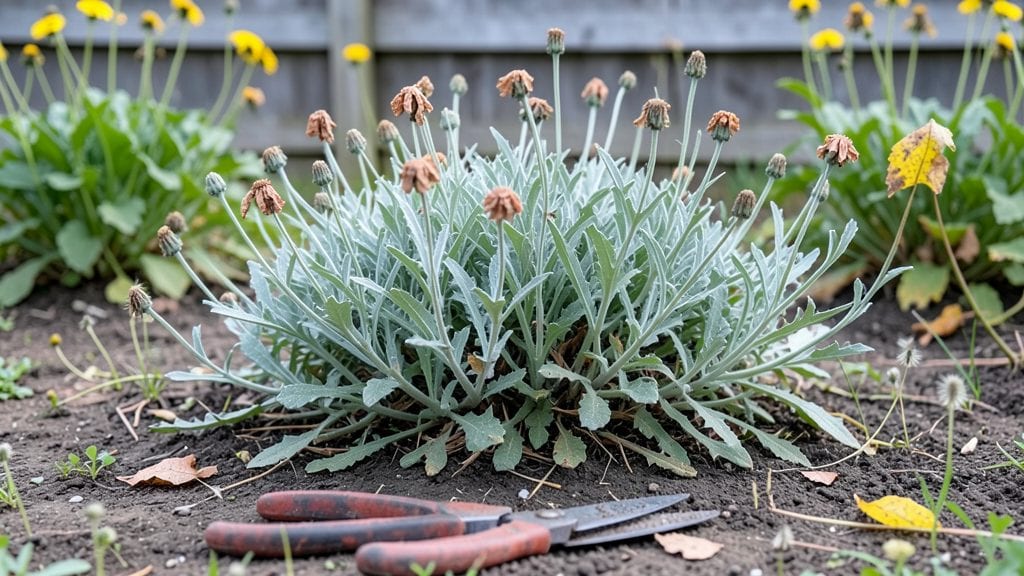
Pruning sedum plants transforms floppy stems into thick, vibrant mounds that stay lush through every season. 🌿 I learned the hard way—skipping pruning means sedum turns into a leggy mess by midsummer, but with just three strategic cuts a year, you’ll get plants that look like they’re on steroids.
The key is timing: late winter, early summer, and fall each serve a different purpose for your plant’s health.
You only need a few tools: sharp pruners for clean cuts, gloves to protect from those tiny leaves, and a bucket to collect clippings for compost. I use the same pair of pruners for all my sedum—no need for anything fancy.
The real secret is patience: prune too much at once and you’ll shock the plant, but with these three seasonal trims, your sedum will reward you with dense growth and flowers that last from summer into frost.
By late winter, you’ll be cutting back any dead stems to make room for new growth, while summer’s trim keeps the plant compact and encourages more blooms. Fall’s light pruning prepares sedum for winter dormancy, so it bounces back stronger in spring.
The result? Plants that stay bushy, healthy, and full of life all year—no more sad, sprawling sedum in your garden beds.
This method works for all types of sedum, from creeping varieties to tall clumping types. Once you see how much more vibrant your plants look after just one season of pruning, you’ll never skip it again. Ready to give it a try?
📚 In This Guide
- What you need
- Instructions
- Tips and common mistakes
- Wrapping up and next steps
What you need
- ● Pruning shears: Bypass pruners (sharp, clean, and sterilized to prevent disease). Choose 5-inch handles for comfort.
- ● Garden gloves: Nitrile-coated (for grip and protection) or cotton (for breathability). 1–2 pairs recommended.
- ● Disinfectant: 70% isopropyl alcohol or bleach solution (1 part bleach : 9 parts water) to sterilize tools between cuts.
- ● Trash bag or compost bin: 1–2 large bags (20–30 gallons) for clippings. Compostable bags preferred if composting.
- ● Watering can or hose: With a fine-mist nozzle to hydrate plants post-pruning.
- ● Loppers: For thicker stems (if your sedum has woody growth). 1 pair with 4–6-inch blades.
- ● Hand pruners: Anvil-style (for small stems) if bypass pruners aren’t available.
- ● Plant food: Balanced fertilizer (10-10-10) or slow-release granules to boost recovery.
- ● Mulch: Shredded bark or straw (2–3 inches) to retain moisture and suppress weeds.
- ● Pruning saw: Only for extremely thick stems (rare in sedum).
How to prune sedum plants for healthy, bushy growth
Sedum thrives with strategic cuts—here's the seasonal approach I use to keep plants full and flowering.
🌿 Step 1: Early Spring Cleanup (Late February-March)
Start by removing all dead stems and leaves from last season. Sedum's woody base is tough, so I use sharp pruners to cut back any blackened or brittle growth to the first set of healthy buds. This is the moment that matters: you're clearing out last year's debris while letting fresh growth begin.
I never cut more than ⅓ of the plant's height in early spring. Focus on the outer edges first—this opens up the center for better airflow and sunlight penetration. You'll see new green shoots emerging within 2-3 weeks if the weather stays above 50°F.
✂️ Step 2: Mid-Summer Maintenance (July-August)
After flowering begins, I deadhead spent blooms by snipping the entire flower stalk down to 2 inches above the foliage. This prevents seed formation and redirects the plant's energy into stronger foliage growth for next year. I know it seems counterintuitive to cut back when flowers appear, but sedum rewards this pruning with a second flush of blooms in fall.
Watch for leggy stems reaching beyond the plant's natural shape. These can be trimmed back by half their length to encourage bushier growth. I always sterilize my pruners with rubbing alcohol between cuts to prevent spreading any potential diseases.
🌱 Step 3: Fall Preparation (October-November)
In fall, I give sedum a final light trim to remove any remaining dead flowers and any stems that look tired. The goal here is to create a clean base for winter. I cut back any stems that have turned brown or lost their vibrant color, but I leave the healthy green growth intact.
This is when sedum's natural hardiness shines. Unlike many plants, sedum doesn't need heavy winter protection. Just make sure to remove any fallen leaves that might harbor pests or diseases over winter. You'll notice the plant looks much tidier and more organized after this final cut.
⏰ Step 4: Optional Winter Pruning (December-February)
If your sedum looks particularly unruly by late winter, I give it one last light trim before new growth begins. I only remove stems that are completely dead or broken, never more than 10% of the plant's total volume. This minimal approach prevents over-stressing the plant as it prepares for spring growth.
Real talk: most sedum varieties don't need winter pruning at all. But if you have a particularly large or mature plant, this light touch keeps it looking its best without any risk. The key is to work when temperatures stay above 40°F—cold weather makes plants more vulnerable to damage.
Tips & tricks for pruning sedum plants
These simple tricks will help you keep your sedum looking its best year after year without stressing the plant.
The Temperature Factor: Always wait until temperatures rise above 50°F before doing your early spring cleanup. Cold weather slows down new growth, so cutting too early can shock your sedum. I've learned this the hard way—my plants took forever to recover after a late February trim when temps dipped below 45°F.
Pruning Technique: When deadheading in mid-summer, make clean cuts at 2 inches above the foliage using sharp pruners. This precise cut prevents water from pooling on the leaves, which can lead to rot. I sterilize my pruners between cuts with rubbing alcohol to keep diseases at bay—it's a small step that makes a big difference in plant health.
Seasonal Timing: The fall preparation is about creating a clean base for winter, not about heavy pruning. Focus on removing only what's clearly dead or tired. Sedum stores energy in its roots, so you want to preserve as much foliage as possible. This minimal approach helps the plant enter dormancy strong and ready for spring.
Winter Pruning Wisdom: If you choose to do the optional winter trim, stick to removing only completely dead or broken stems—never more than 10% of the plant's total volume. Most sedum varieties don't need this step at all, but if your plant looks particularly unruly, a light touch keeps it looking its best. Just remember to work when temperatures stay above 40°F—cold weather makes plants more vulnerable.
Pro Tips for Pruning Sedum Plants
- These simple tricks will help you keep your sedum looking its best year after year without stressing the plant.
- The Temperature Factor: Always wait until temperatures rise above 50°F before doing your early spring cleanup.
- Pruning Technique: When deadheading in mid-summer, make clean cuts at 2 inches above the foliage using sharp pruners.
Frequently asked questions
When is the best time to prune sedum?
The ideal times are early spring (before new growth), mid-summer (after flowering), and late fall (to tidy up). Pruning in spring promotes bushiness, summer trims encourage reblooming, and fall cuts prevent winter debris. Avoid pruning in extreme heat or cold—wait for mild weather!
Do I need to sterilize my pruning tools?
Yes! Sterilizing tools with rubbing alcohol or a 10% bleach solution prevents disease spread. Sedum is generally hardy, but fungal issues like powdery mildew can lurk in dirty blades. Clean tools between cuts, especially if pruning multiple plants or gardens.
What if my sedum looks leggy after pruning?
Leggy growth often means it’s overdue for a trim or needs more light. Cut back by 1/3 to 1/2 in spring, and ensure it gets 6+ hours of sunlight daily. If indoors, supplement with a grow light. Fertilize lightly post-prune to encourage dense regrowth.
Can I propagate sedum from pruned cuttings?
Stem cuttings root easily in water or soil. Dip cut ends in rooting hormone (optional), place in moist potting mix, and keep in bright, indirect light. Most sedum varieties root in 2–4 weeks. Perfect for expanding your collection or gifting!
Should I prune sedum before winter?
Light pruning in late fall (after frost) removes dead foliage and improves airflow, reducing rot risk. However, skip heavy cuts—sedum’s winter dormancy relies on stored energy. If your climate is harsh, a light trim and mulch layer are enough to protect it.
Wrapping up and next steps
Pruning your sedum plants doesn’t have to be intimidating—just a few seasonal trims can keep them thriving year-round! 🌿 Whether you’re tidying up leggy stems, encouraging bushier growth, or prepping for winter, these simple steps ensure your sedum stays healthy and vibrant.
Now that you’re armed with the when, how, and why of pruning, it’s time to roll up your sleeves and give your plants the care they deserve.
Ready to see the difference? Grab your shears and start pruning today! Your sedum will thank you with lush, colorful foliage all season long. 🌟