Pruning
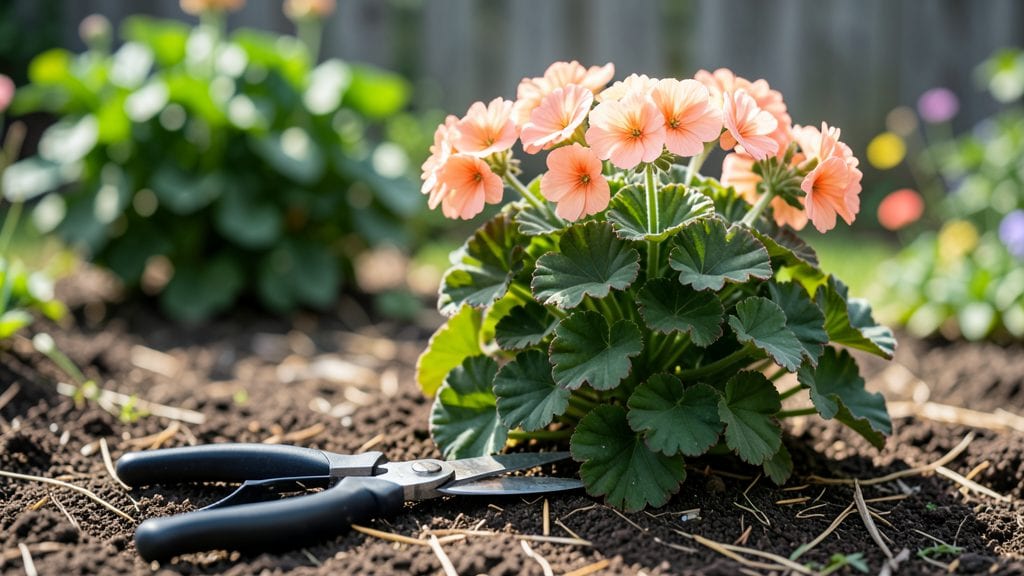
Pruning geranium plants in early spring is the secret to stopping those leggy stems and triggering a second wave of blooms. ✨ I used to let mine sprawl until they looked like sad, overgrown bushes—but after one sharp cutback session, they exploded with fresh growth and flowers that lasted until frost.
The key isn't just cutting back; it's knowing where to cut and when to stop.
You'll only need three things: clean pruning shears, a pair of gloves, and a spray bottle of rubbing alcohol for sanitizing. Most gardeners skip the sanitizing step, but it prevents spreading diseases between plants.
Focus on removing dead or weak stems first, then cut back healthy stems by about a third to encourage bushier growth. The goal is to shape them into a rounded form, not turn them into stubs.
After pruning, give your geraniums a good drink of water and hold off on fertilizer for a week. Within two weeks, you'll see new shoots forming at the base of each cut stem.
These will become your bushy new branches, and with proper care, your plants will flower continuously from late spring until fall. The before-and-after difference is shocking—your neighbors will ask how you did it.
This method works for both container geraniums and in-ground plants, though container varieties tend to respond even faster. The only real mistake is pruning too late in the season or cutting into old wood, which won't regrow.
With this approach, you'll have geraniums that look like they belong in a nursery display, not just your backyard.
📚 In This Guide
- What you need
- Instructions
- Tips and common mistakes
- Wrapping up and next steps
What you need
- ● Pruning shears or bypass pruners: Sharp, clean, and sterilized (7-inch to 10-inch blades work best). Must be able to cut stems up to ½-inch thick.
- ● Hand pruners: For smaller stems (1 pair). Look for ergonomic, bypass-style pruners for precision.
- ● Disinfectant (70% isopropyl alcohol or bleach solution): 1 small spray bottle or cloth for sterilizing tools between cuts.
- ○ Gloves (optional but recommended): Lightweight gardening gloves to protect hands from thorns and dirt.
- ● Garden twine or rubber bands: A small roll to secure pruned stems for composting or disposal.
- ● Compost bin or trash bag: For disposing of pruned material (1 large bag or access to a bin).
- ● Watering can or hose: With a gentle spray nozzle to hydrate plants post-pruning.
- ● Sharpie or permanent marker: To label pruned cuttings if propagating.
- ● Rooting hormone: A small tube or powder to boost success if taking cuttings.
- ● Plant food (balanced fertilizer): 10-10-10 or similar to nourish geraniums after pruning.
- ● Knee pad or stool: For comfort if pruning large or ground-level plants.
- ● Camera or phone: To document progress (because before-and-after shots are satisfying!).
Step-by-Step instructions for pruning geranium plants
Here's how I transform leggy, sparse geraniums into full, bushy bloomers in just a few minutes.
✂️ Step 1: Gather Tools and Identify Target Stems
Start with sharp, clean pruning shears—dull blades tear stems and invite disease. I always sterilize them first with rubbing alcohol to prevent spreading any hidden pathogens between plants. Geraniums respond best when you prune in the morning after dew has dried but before the midday heat sets in.
Look for stems that are over 6 inches tall or have lost their lower leaves. These are your priority cuts—they’ll encourage new growth lower on the plant where air circulates better. Avoid cutting into the woody base; you want to leave at least 1/3 of the plant’s height intact to maintain its structure.
✂️ Step 2: Make Clean Cuts at the Right Angle
Cut just above a leaf node or bud, making your cut at a 45-degree angle about 1/8 inch above the node. This angle helps water run off the cut instead of pooling and rotting the stem. Avoid leaving stubs—geraniums heal faster when cuts are precise.
I like to cut back 1/3 of the plant’s height at a time. This shock isn’t as drastic as it sounds—geraniums are tough! You’ll see new growth sprout from the nodes within 2-3 weeks, so don’t worry about overdoing it. If you’re unsure, take a photo first to compare before/after.
🌿 Step 3: Encourage Bushier Growth with Strategic Trimming
After the initial prune, focus on shaping the plant by cutting back any stems that cross the center or grow too close together. This opens up airflow and sunlight to the inner leaves, which prevents fungal diseases like powdery mildew. Pinch off any flower buds that appear during this process—yes, even the pretty ones!
Geraniums bloom best when they’re not distracted by flowers. Removing these buds redirects the plant’s energy into growing thicker stems and more leaves, which will support a bigger, fuller bloom later. You’ll know you’re doing it right when you see new leaves forming at the base of the cuts within 10-14 days.
💧 Step 4: Water and Fertilize for Recovery
After pruning, water the plant deeply to help it recover. Geraniums are drought-tolerant, but they still need 1 inch of water per week during their regrowth phase. I like to water at the base in the early morning so the leaves stay dry during the day, which reduces the risk of fungal issues.
Add a balanced, water-soluble fertilizer (like 10-10-10) at half strength to the water. This gives your geranium a gentle nutrient boost to support its new growth. You’ll notice the stems firming up and leaves darkening within a week—that’s your signal the plant is thriving again.
☀️ Step 5: Monitor and Maintain Through the Season
Keep an eye on your geraniums for new growth and bloom buds over the next few weeks. If you see stems getting leggy again, repeat the pruning process but cut back slightly less this time. Geraniums can handle multiple light prunes throughout the season.
By late summer, you can do a final light trim to encourage one last flush of blooms before the first frost. Deadhead spent flowers regularly to keep the plant looking tidy and encourage continuous blooming. With proper pruning, your geraniums will stay lush and full of color all season long.
Tips & tricks for perfectly pruned geraniums
A few simple tricks will help you transform those straggly geraniums into vibrant, bushy plants that bloom like crazy.
Timing Secret: Prune your geraniums in the morning when the plants are well-hydrated from overnight dew but before the midday sun intensifies. This timing gives the cuts time to dry out during the day, reducing the risk of fungal infections. I've found that pruning in the morning also helps the plant recover faster—new growth appears more consistently when you give it that head start.
Cutting Technique: When making your 45-degree angle cuts in Step 2, think of it like slicing a pizza—clean and precise. The angle isn't just for looks; it prevents water from pooling in the cut, which could lead to rot. I've ruined several geraniums over the years by making uneven cuts, so trust me on this: take your time and make each cut just above that leaf node. The extra 10 seconds per cut pays off with healthier plants.
Make-Ahead Strategy: You can actually plan your pruning schedule ahead of time! Geraniums respond well to multiple light prunes throughout the season, so mark your calendar for every 4-6 weeks during the growing season. This staggered approach prevents the plant from getting overwhelmed by one big cut. Just remember that after each prune, you'll see new growth within 2-3 weeks—so keep an eye out for those telltale baby leaves!
Common Mistake Fix: If your geraniums aren't responding to pruning like they should, check your watering habits. After pruning, those cuts need consistent moisture to heal properly. I've seen plants fail to recover simply because they weren't getting enough water during that critical 1-inch-per-week period. Water at the base in the morning, and you'll notice the stems firming up within a week—that's your plant saying "thank you!"
Pro Tips for Pruning Geranium Plants
- A few simple tricks will help you transform those straggly geraniums into vibrant, bushy plants that bloom like crazy.
- Timing Secret: Prune your geraniums in the morning when the plants are well-hydrated from overnight dew but before the midday sun intensifies.
- Cutting Technique: When making your 45-degree angle cuts in Step 2, think of it like slicing a pizza—clean and precise.
Frequently asked questions
Got questions about pruning your geraniums like a pro? Here are some of the most common ones—plus straightforward answers to keep your plants thriving!
When is the best time to prune geranium plants?
Prune geraniums in early spring (just as new growth starts) or after they finish blooming in late summer. Avoid pruning in fall—it can stunt winter hardiness. If you live in a warm climate, light pruning can happen year-round, but focus on spring for the biggest boost!
How much should I cut back my geraniums?
For most geraniums, trim back one-third to half of the plant’s height. Cut just above a leaf node (where leaves meet the stem) to encourage new growth. Avoid over-pruning—too much can stress the plant. Zonal geraniums can handle slightly harder cuts, while ivy geraniums may need gentler trims.
What if my geraniums don’t bloom after pruning?
If your geraniums skip blooming post-prune, check these fixes:
- Light: Ensure they get 6+ hours of sunlight daily—geraniums are sun-hungry!
- Water: Overwatering or soggy soil can shock roots. Let soil dry slightly between waterings.
- Fertilizer: Feed with a balanced, low-nitrogen fertilizer (like 10-10-10) after pruning to support new growth.
Can I propagate geraniums from pruned cuttings?
Pruned geranium stems make perfect cuttings. Dip the cut end in rooting hormone (optional but helpful), then place in moist potting mix or water. Keep in bright, indirect light and roots should form in 2–4 weeks. Transplant once rooted—free plants for friends or your garden!
What should I do if my geraniums look leggy after pruning?
Leggy stems happen when geraniums stretch for light. To fix it:
- Move the plant to a sunnier spot immediately.
- Pinch back the tips of new growth to encourage bushier sideshoots.
- Use a growth regulator (like a diluted seaweed fertilizer) to slow excessive stretching.
Wrapping up and next steps
Pruning your geranium plants is a simple yet powerful way to keep them thriving and blooming beautifully! 🌸 By following the right techniques—like trimming leggy stems, removing dead foliage, and pinching back new growth—you’ll encourage bushier, healthier plants that reward you with vibrant flowers all season. Don’t let fear of pruning hold you back: even a little effort makes a big difference!
Now that you’re armed with the know-how, grab those shears and get pruning! 🌿 Start with just one plant to build your confidence, and soon, your garden will be bursting with lush, full geraniums. Happy gardening!