
Companion Plants
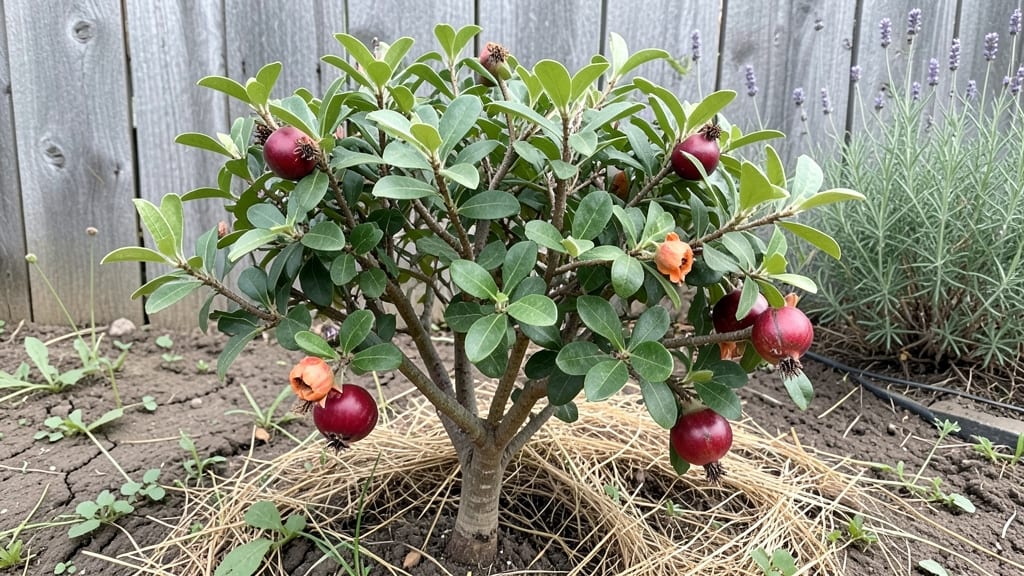
Planting pomegranates with the right companions turns your garden into a fortress against pests while boosting fruit production. 🌿 I learned this the hard way when my first pomegranate tree struggled with aphids—until I tucked in marigolds and basil around its base.
The difference was immediate: fewer pests, healthier leaves, and sweeter fruit.
Marigolds and nasturtiums are the heavy hitters for pest control, their strong scents confusing aphids and whiteflies. Basil and rosemary deter beetles while improving soil health with their shallow roots.
Even vegetables like beans and peas play well, fixing nitrogen that pomegranates love. Avoid planting near walnut trees or fennel—they stunt growth through chemical warfare.
By summer, your pomegranate will look like it’s throwing a party—thriving foliage, zero pest damage, and fruit so vibrant it looks photoshopped. The best part? These pairings work in containers too, perfect for small spaces or urban gardens. Let’s design your pest-proof pomegranate haven.
For Mediterranean climates, add lavender for drought resistance and extra pest protection. In cooler zones, focus on hardy herbs like thyme and oregano. The key is keeping the soil loose, well-draining, and never overcrowded—pomegranates hate competition for water and nutrients.
📚 In This Guide
- What you need
- Instructions
- Tips and common mistakes
- Wrapping up and next steps
What you need
- ● Pomegranate plant: 1 healthy sapling (choose disease-resistant varieties like Wonderful or Eversweet for best results).
- ● Companion plants: 1–2 marigolds (per 10 sq ft) – for pest deterrence.
- ● 1 basil plant (per pomegranate) – improves flavor and repels insects.
- ● 1–3 nasturtiums (trailing or bush varieties) – acts as a trap crop for aphids.
- ● 1 rosemary bush (per 5 sq ft) – deters pests and attracts pollinators.
- ● 1–2 thyme plants – suppresses weeds and enhances soil health.
- ● Soil amendments: 2–3 lbs compost (per planting hole) – enriches soil with nutrients.
- ○ 1 cup well-aged manure (optional, for extra fertility).
- ● Gardening tools: 1 trowel or spade (for planting).
- ● 1 pruning shears (for trimming companions).
- ● 1 garden hose or watering can (with a fine rose nozzle).
- ● 1 mulch (2–3 inches of straw or wood chips, per planting area).
- ● Sunlight: Full sun (6+ hours daily) for pomegranates and most companions.
- ● Well-draining soil: pH 6.0–7.0 (test kit recommended).
- ● Space: Minimum 8–10 ft diameter for a pomegranate + companions (adjust for container gardening).
- ● Climate: USDA Zones 7–11 (or equivalent). Pro tip: 💡 Use cold frames in cooler zones!
- ● Watering schedule: Deep water 2–3x/week (more in extreme heat).
- ● 1 bee-friendly flower mix (e.g., lavender or alyssum) – boosts pollination.
- ● 1 soil moisture meter – prevents over/under-watering.
- ● 1 organic pest spray (neem oil or garlic spray) – for occasional pest control.
- ● 1 garden journal – track companion plant performance!
Step-by-step guide to designing a pomegranate companion planting plan
Here's how to strategically pair plants for a thriving, pest-resistant pomegranate garden.
🌱 Step 1: Select Core Beneficial Pairings
Start with marigolds—their strong scent repels aphids and whiteflies, which love pomegranate leaves. Plant them in a 1-foot radius around the base of your tree. I also include basil nearby; its fragrance deters spider mites while attracting pollinators that boost fruit set. These two are your first line of defense against common pests.
For soil health, add clover as a living mulch. Its nitrogen-fixing roots improve soil structure, and its dense growth suppresses weeds that compete with pomegranate roots for water. Space clover plants 12 inches apart in the tree's drip line, where surface roots spread. This creates a natural ground cover that keeps moisture locked in during dry spells.
🌿 Step 2: Incorporate Pest-Repelling Herbs
Plant rosemary and thyme in clusters around the pomegranate's perimeter. These drought-tolerant herbs thrive in the same full sun conditions and release volatile oils that deter beetles and borers. I position them 18 inches from the trunk, where their aromatic foliage creates a protective barrier without shading the tree.
Add garlic chives at the tree's base—their pungent scent confuses pests that rely on plant odors to locate hosts. These perennials also attract beneficial predatory wasps that prey on caterpillars. Plant them in 3-inch-deep holes, spaced 6 inches apart, and water deeply after placement to encourage root establishment.
☀️ Step 3: Create a Multi-Layered Canopy
Plant dwarf citrus varieties like calamondin on the north side of the pomegranate. Their glossy leaves reflect sunlight while their 65-75°F temperature preference matches pomegranates perfectly. Position them 4 feet away to avoid root competition but close enough to create a microclimate that reduces heat stress on pomegranate fruit.
Underplant with strawberries—their shallow roots won't compete with pomegranate's deep taproot. The berries provide early-season ground cover while their June-bearing varieties fruit before pomegranates demand peak water. Space strawberries 12 inches apart in the tree's outer canopy, where their foliage won't interfere with sunlight.
💧 Step 4: Establish Water Retention Plants
Add comfrey in the tree's dripline—its deep roots draw up subsoil moisture while its broad leaves create shade that reduces evaporation. Plant 3-4 plants spaced 2 feet apart, ensuring they don't overshadow the pomegranate's lower branches. The comfrey's leaf mulch also suppresses weeds that compete for soil nutrients.
For drought resistance, incorporate lavender along the garden's edge. Its silvery foliage reflects sunlight while its deep root system taps into moisture reserves. Plant 3-5 bushes spaced 18 inches apart, creating a fragrant windbreak that reduces soil moisture loss during hot afternoons. The lavender's flowers also attract pollinators that improve pomegranate fruit set.
✂️ Step 5: Maintain the Companion Plant Ecosystem
Prune companion plants annually in early spring before new growth begins. Remove any that compete for sunlight—like overgrown marigolds—or develop pests of their own. I always check lavender for spider mites first; an infestation can spread quickly to nearby pomegranate foliage if left unchecked.
Rotate herb positions every 2-3 years to prevent soil depletion. For example, move the basil to where the rosemary grew last season. This maintains soil fertility while keeping pest-repelling benefits consistent. Always water companion plants deeply once weekly during dry periods, ensuring they remain vigorous enough to protect your pomegranate tree.
Tips & tricks for perfect pomegranate companion plantings
A few strategic adjustments can transform your pomegranate garden from good to exceptional. Here's what I've learned after years of trial and error to create the most resilient planting scheme.
Layering for Optimal Sunlight: When positioning your dwarf citrus companions like calamondin on the north side, remember that pomegranates need full sun—at least 6-8 hours daily. The citrus acts as a partial sun reflector, but avoid placing them too close; maintain that 4-foot distance to prevent shading the lower branches. In hotter climates (above 75°F), the citrus creates a microclimate that actually helps pomegranates conserve moisture during peak afternoon heat.
Herb Placement Precision: The 18-inch spacing for rosemary and thyme isn't arbitrary—it's the sweet spot where their aromatic oils disperse effectively without creating a dense barrier that could trap moisture against the trunk. I've found that planting them in small clusters of three creates a more concentrated pest-repelling zone while leaving gaps for beneficial insects to navigate. For garlic chives, that 6-inch spacing is crucial; any closer and they'll compete with your pomegranate's shallow feeder roots.
Seasonal Plant Rotation Strategy: The 2-3 year rotation schedule for herbs prevents soil depletion while maintaining pest control. I mark my garden map annually with colored stakes to track which herbs occupied each position. For example, after basil's first year (which attracts pollinators), I move it to where rosemary grew two years prior—this creates a natural pest disruption cycle that confuses insects trying to locate their hosts.
Watering Synchronization: All your companion plants should receive that deep weekly watering, but timing matters. Water in the early morning before 8 AM to allow foliage to dry completely by evening, preventing fungal issues. I use drip irrigation lines buried 2 inches deep to deliver water directly to the root zones without wetting the leaves—this is especially important for lavender, which can develop mildew if kept too damp.
Pro Tips for Pomegranate Companion Plants
- A few strategic adjustments can transform your pomegranate garden from good to exceptional.
- Layering for Optimal Sunlight: When positioning your dwarf citrus companions like calamondin on the north side, remember that pomegranates need full sun—at least 6-8 hours daily.
- I've found that planting them in small clusters of three creates a more concentrated pest-repelling zone while leaving gaps for beneficial insects to navigate.
Frequently asked questions
Got questions about pairing pomegranates with the perfect garden buddies?
You’re not alone! Here are answers to the most common queries—so you can grow a thriving, pest-resistant pomegranate patch with confidence.
What are the best companion plants for pomegranates to deter pests naturally?
Pomegranates thrive alongside marigolds (repel aphids), basil (deters whiteflies), and garlic (keeps nematodes at bay). Avoid planting near citrus or walnut trees, as they compete for nutrients or release allelopathic chemicals.
When is the ideal time to plant companion plants with pomegranates?
Plant companions in early spring (after the last frost) or late fall (6–8 weeks before your first frost). This gives roots time to establish before pomegranates’ active growing season. Herbs like thyme or rosemary can even be tucked in around mature trees.
Can I grow pomegranates in containers with companion plants?
Yes! Pair pomegranates with dwarf marigolds or nasturtiums in large pots (15+ gallons). Ensure the container has drainage holes and use a well-draining soil mix. Just avoid overcrowding—pomegranates need space for their sprawling roots!
What should I do if pests still attack my pomegranates despite companion plants?
First, inspect leaves for signs of stress (yellowing, holes). Try neem oil spray or introduce ladybugs for aphids. If issues persist, rotate companions—swap marigolds for dill or fennel, which attract pest-eating wasps.
Do pomegranate companions need the same sunlight and water as pomegranates?
Most companions (like basil or lavender) love full sun (6+ hours/day) and moderate water. However, shade-tolerant herbs (e.g., mint) can thrive under partial shade. Water companions deeply 2–3 times/week—pomegranates hate soggy roots!
Pro tip: Mulch around companions to retain moisture and suppress weeds—just keep mulch 3 inches away from the pomegranate trunk to prevent rot.
Wrapping up and next steps
Choosing the right pomegranate companion plants can transform your garden into a thriving, low-maintenance ecosystem—keeping pests at bay, boosting flavor, and maximizing yields! 🌱 From fragrant herbs like rosemary and thyme to dynamic veggies like beans and marigolds, these pairings work together like a well-rehearsed band.
With the right prep and placement, you’re already setting yourself up for a bountiful harvest.
Ready to put your newfound knowledge into action? Start small—pick 1-2 companion plants to test in your garden this season, observe how they interact, and refine your setup over time. Happy planting! 🌿