
Companion Plants
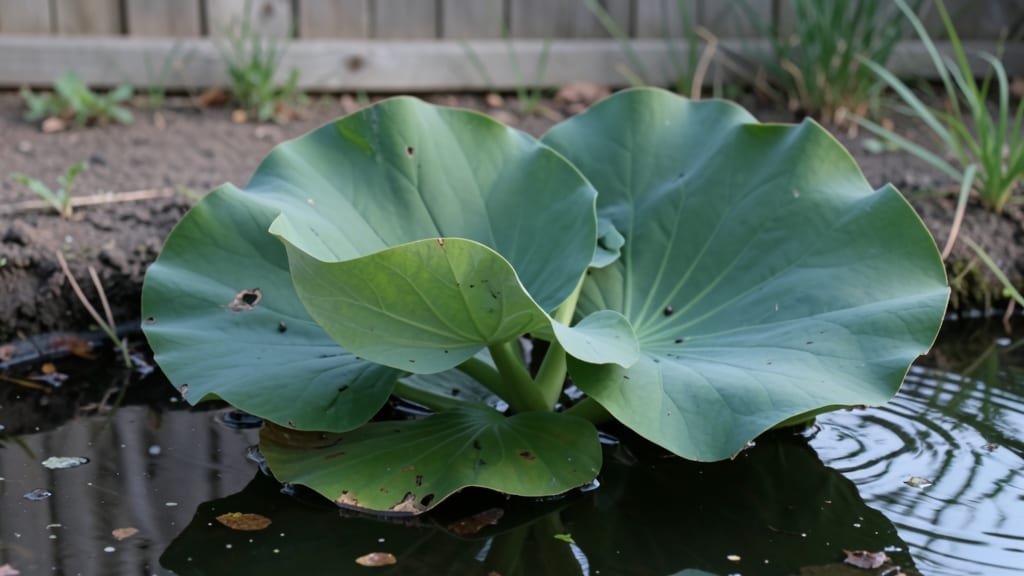
Victoria’s native plants don’t just survive—they thrive with the right neighbors. 🌿 I’ve spent years pairing them in my own garden, and these combinations create lush, low-maintenance spaces that attract birds, bees, and butterflies while standing up to our coastal winds and summer heat.
The secret isn’t complicated: it’s about matching plants with similar water needs and complementary textures.
Take the towering Grass Tree (Xanthorrhoea)—its dramatic form pairs beautifully with Coastal Rosemary and Kangaroo Paw, which love the same dry, sandy soil. Or mix Melaleuca’s silvery foliage with Lomandra’s arching grass-like leaves for a modern, wildlife-friendly look.
These pairings work in full sun or partial shade, making them versatile for any spot in your yard.
You’ll end up with gardens that feel effortless—vibrant even in drought, fragrant when the breeze picks up, and teeming with life. The best part? These plants require minimal fuss once established, so you spend less time watering and more time enjoying the results.
Let’s bring this coastal charm to your garden.
Perfect for drought-resistant designs, wildlife havens, or coastal gardens where salt spray and wind are daily challenges. The same principles work in inland Victoria too—just swap a few species for drier-climate natives. Here’s how to start mixing them like a pro.
📚 In This Guide
- What you need
- Instructions
- Tips and common mistakes
- Wrapping up and next steps
What you need
- ● Victoria plants: 1–3 mature plants (depending on garden size; opt for Victoria amazonica or Victoria cruziana for best results).
- ● Companion plants: Water lilies (e.g., Nymphaea spp.) – 3–5 plants for balance.
- ● Cattails (Typha spp.) – 2–4 clumps for natural filtration.
- ● Sweet flag (Acorus calamus) – 1–2 plants to deter pests.
- ● Blue flag iris (Iris versicolor) – 3–5 plants for color contrast.
- ● Garden tools: Trowel or spade (for planting).
- ● Garden gloves (to protect hands).
- ● Pruners (for trimming companion plants).
- ● Watering can or hose (with a gentle spray nozzle).
- ● Soil & water: Peat moss or aquatic soil mix (5–10 gallons, depending on container size).
- ● Slow-release fertilizer (e.g., fish emulsion or aquatic plant tabs).
- ● Clean, dechlorinated water (for ponds; rainwater is ideal).
- ● Decorative elements: Floating plants (e.g., Salvinia or Lemna) to add texture.
- ● Pebbles or gravel (for pond edges, 1–2 bags).
- ● Solar-powered pond aerator (to keep water fresh).
- ● Pest control: Barrier netting (to protect Victoria leaves from pests).
- ● Neem oil (natural insect repellent).
- ● Monitoring tools: pH test kit (to maintain water balance, 6.5–7.5 pH ideal).
- ● Thermometer (to track water temperature, 68–86°F optimal).
How to pair Victoria plants for a lush, low-maintenance garden
Here's the strategic approach I use to create thriving garden beds where Victoria plants shine.
🌱 Step 1: Understand Your Victoria Plant's Needs
Victoria plants—whether referring to Victoria amazonica water lilies or Victoria-integrifolia—thrive in part-shade to full sun with 6-12 inches of water depth for aquatic varieties. For terrestrial Victoria plants like Victoria-integrifolia (a rare, hardy groundcover), ensure well-draining, slightly acidic soil (pH 5.5-6.5). I always check the specific variety's light tolerance first—some tolerate morning sun only, while others handle 6+ hours of afternoon light without scorching.
If your Victoria plant is aquatic, place it in a sunny pond but avoid direct midday sun in hot climates—leaves may develop brown patches. For terrestrial Victoria plants, position them where they'll receive dappled shade from taller neighbors, like ferns or hostas. The key is observing how your plant reacts in the first 2-3 weeks—if leaves yellow or wilt, adjust the light exposure gradually.
🌿 Step 2: Choose Compatible Companion Plants
Victoria plants pair best with moisture-loving, shade-tolerant plants that won’t compete aggressively for nutrients. For aquatic Victoria lilies, I plant water hyacinths or lotus around the edges—they provide natural windbreaks and attract pollinators. For terrestrial Victoria plants, hostas, astilbes, and ferns create a lush understory without stealing sunlight.
Avoid pairing Victoria plants with invasive spreaders like mint or creeping jenny—they’ll outcompete your Victoria’s roots. Instead, opt for slow-growing groundcovers like ajuga or foamflower. If your garden has heavy clay soil, mix in 2-3 inches of compost before planting to improve drainage and root health. This ensures Victoria plants get the moist, fertile conditions they crave without suffocating.
☀️ Step 3: Layer Plants for Optimal Growth
Start with taller plants (like cannas or iris) at the back of the bed, then add mid-height companions (hostas or astilbes) in the middle, and finally low-growing Victoria plants at the front. This creates a natural gradient that maximizes sunlight exposure for each layer. For aquatic setups, place Victoria lilies in the deepest part of the pond where they’ll get full sun but won’t risk uprooting from waves.
Space Victoria plants 18-24 inches apart to allow their broad leaves room to expand—crowding leads to fungal issues from poor airflow. If your garden has limited space, use containers (like half-barrels or ceramic planters) for terrestrial Victoria plants, ensuring they have drainage holes and 1-2 gallons of water per plant during dry spells.
💧 Step 4: Maintain Moisture and Mulch Strategically
Victoria plants hate drying out—their large leaves transpire quickly, so keep the soil consistently moist (not soggy). Mulch with 2-3 inches of shredded bark to retain humidity and suppress weeds, but avoid piling mulch directly against the stems to prevent rot. For aquatic varieties, add a pond aerator in summer to keep oxygen levels stable—stagnant water stresses Victoria lilies.
Fertilize lightly in early spring with a balanced 10-10-10 formula, but skip heavy feeding after midsummer—Victoria plants go dormant in fall, and excess nutrients can harm roots. I always test soil moisture by pushing a finger 1 inch deep—if it’s dry, water deeply. Overhead watering can cause leaf spots, so water at the base instead.
✂️ Step 5: Prune and Divide for Long-Term Health
Remove yellowed or damaged leaves in early spring to encourage new growth, but avoid heavy pruning—Victoria plants rely on their foliage for photosynthesis. If your terrestrial Victoria plant becomes overcrowded after 3-4 years, divide it in early spring before new shoots appear. Dig up the clump, separate the roots gently, and replant the strongest sections in fresh, enriched soil.
For aquatic Victoria lilies, trim spent blooms to redirect energy into leaf growth, but leave some flowers for pollinators. If your pond freezes in winter, cover the lily pads with a floating foam board to prevent ice damage. With the right companions and care, your Victoria plants will thrive for years, becoming the centerpiece of your garden.
Tips & tricks for perfect Victoria plant pairings
These strategic insights will help you create a harmonious garden where Victoria plants truly flourish.
Light Exposure Insight: The first 2-3 weeks after planting are critical for assessing your Victoria plants' light needs. If leaves develop yellowing or crisp edges within this period, it's a clear sign you need to adjust their position. For aquatic varieties, morning sun is ideal in hot climates—midday sun can scorch delicate leaves. I've found that moving plants just 1-2 feet can make all the difference between thriving foliage and stressed plants.
Soil Preparation Strategy: When dealing with heavy clay soil, I've learned to mix in 2-3 inches of compost before planting—this improves drainage while maintaining the slightly acidic pH (5.5-6.5) Victoria plants prefer. For container gardening, use a high-quality potting mix with added perlite to prevent waterlogging, which can cause root rot. The key is creating that perfect balance between moisture retention and drainage.
Companion Plant Selection: The plants you choose to pair with Victoria lilies should serve multiple purposes: providing shade, attracting pollinators, and preventing soil erosion. Water hyacinths are my go-to for aquatic setups—they create natural windbreaks while adding vibrant color. For terrestrial varieties, I always include hostas or astilbes in the middle layer; their shade tolerance and moisture-loving nature complement Victoria plants perfectly without competing for resources.
Maintenance Timing: Early spring is the ideal time for both fertilizing and dividing overcrowded plants. I use a balanced 10-10-10 fertilizer at this time to support new growth, but I always stop feeding after midsummer when Victoria plants begin their natural dormancy. For aquatic varieties, installing a pond aerator in early summer prevents stagnant water issues that can stress the plants during their peak growing season.
Pro Tips for Plants Of Victoria
- These strategic insights will help you create a harmonious garden where Victoria plants truly flourish.
- Light Exposure Insight: The first 2-3 weeks after planting are critical for assessing your Victoria plants' light needs.
- Soil Preparation Strategy: When dealing with heavy clay soil, I've learned to mix in 2-3 inches of compost before planting—this improves drainage while maintaining the slightly acidic pH (5.5-6.5) Victoria plants prefer.
Frequently asked questions
about Victoria plants and their companion pairings—here’s what you need to know!What are the best companion plants for Victoria plants in a pond or garden?
Victoria amazonica (the iconic giant water lily) thrives with plants like Eichhornia crassipes (water hyacinth) or Nymphaea species (other water lilies). For garden borders, pair it with moisture-loving companions like Iris pseudacorus (yellow flag) or Mentha aquatica (water mint) to create a lush, balanced ecosystem.
How long does it take for Victoria plants to establish and bloom?
With ideal conditions (warm water, full sun, and nutrient-rich soil), Victoria plants may take 2–3 years to fully establish and produce their signature massive blooms. Patience is key—young plants focus on leaf growth before flowering! Pro tip: Use a pond heater in cooler climates to speed up growth.
Can Victoria plants grow in containers instead of a pond?
Yes! Large, deep containers (minimum 18–24 inches deep) with drainage holes work well. Use a mix of aquatic soil and compost, and ensure the container stays submerged or partially filled with water. Just avoid small pots—they’ll stunt root growth and limit bloom potential.
Are Victoria plants safe for pets or wildlife?
Generally, Victoria plants are non-toxic to pets and wildlife, but their large leaves can create hazards. Watch for:
- Curious pets (like dogs) chewing leaves—mild stomach upset may occur.
- Frogs/toads using leaves as shelter (harmless but adorable!).
Why aren’t my Victoria plants blooming?
Common culprits include:
- Cold water (<68°F/20°C)—blooms require warmth!
- Insufficient sunlight (<6 hours/day).
- Poor nutrition (add aquatic plant tabs or compost tea).
- Overcrowding—prune excess leaves to redirect energy.
Wrapping up and next steps
From the delicate Victoria amazonica to hardy ferns and vibrant lilies, the plants of Victoria offer a stunning palette for any garden. Pairing them thoughtfully—whether for shade tolerance, pest control, or aesthetic harmony—can transform your outdoor space into a lush, thriving oasis. 🌿✨
Ready to elevate your garden? Start small—pick one or two companion plants from this guide and observe how they interact. Over time, you’ll refine your pairings like a pro, creating a garden that’s not just beautiful, but alive with balance and beauty!