Transplanting
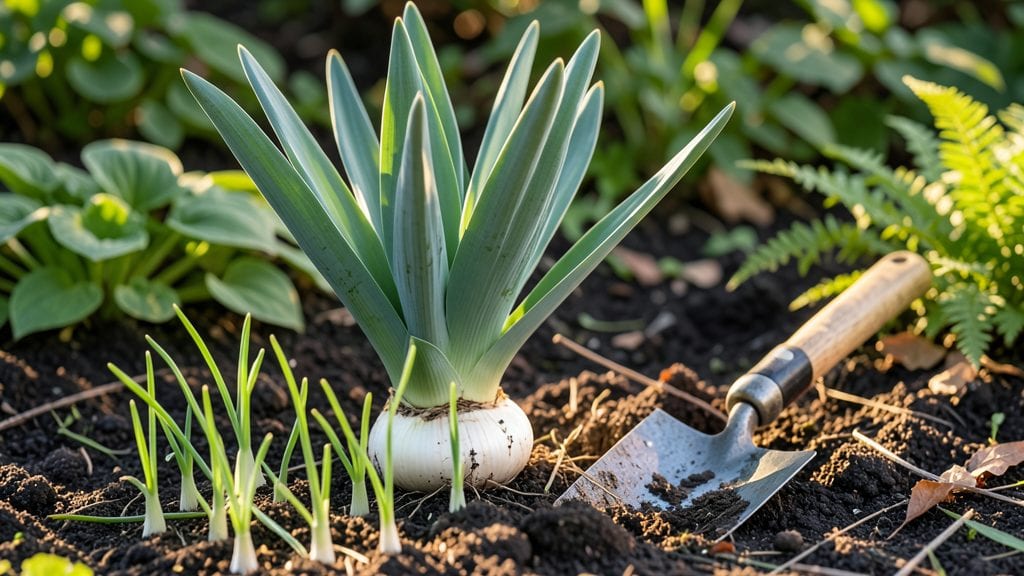
Planting wild leeks means year-round greens with almost no effort once they're established. 🌱 I've been growing them for five years now, and they've become my go-to for fresh, mild onion flavor that pops up even under snow.
The secret isn't complicated—it's about timing, soil, and knowing where to find (or dig up) the right plants.
You'll need a shady spot with moist, well-draining soil—wild leeks thrive where they naturally grow, which is often along wooded streams or damp forest floors. If you're transplanting, dig up small clumps in early spring or fall when the soil is cool but workable.
Space them about 6 inches apart in rows 12 inches apart, and plant them just deep enough so the top of the bulb is barely covered.
Within a year, you'll have a self-sustaining patch that multiplies underground. The first harvest comes in spring, but you can nibble on the young shoots all season long—perfect for salads, soups, or sautéing. They even survive light frosts, so your kitchen never runs out of fresh flavor.
Fair warning: in some states, wild leeks are protected, so check local regulations before digging. If you're growing from seed (which takes patience), expect the first harvest to take 3-4 years. But once established, these perennials will outlast you—and your neighbors will be jealous of your endless supply.
📚 In This Guide
- What you need
- Instructions
- Tips and common mistakes
- Wrapping up and next steps
What you need
- ● Wild leek bulbs or seeds: 10–20 bulbs (for transplanting) or 1–2 packets of seeds (if starting from scratch). Choose certified organic or locally sourced for best results! 🌿
- ● Garden soil: Well-draining, slightly acidic (pH 6.0–7.0). Amend with compost or peat moss if your soil is heavy or alkaline.
- ● Garden fork or trowel: For digging and transplanting bulbs (a 6-inch trowel works well).
- ● Watering can or hose: With a gentle spray nozzle to avoid disturbing roots.
- ○ Mulch (optional but recommended): Straw, wood chips, or shredded leaves (2–3 inches) to retain moisture and suppress weeds.
- ○ Fertilizer (optional): Balanced organic fertilizer (10-10-10) or compost tea for a nutrient boost.
- ● A shady to partially shady spot (wild leeks thrive in dappled sunlight or full shade).
- ● Moist, loamy soil—wild leeks love consistency! Avoid soggy or dry areas.
- ● Patience! Wild leeks grow slowly but reward you with years of harvests once established.
How to plant wild leeks for year-round harvests
Wild leeks thrive with minimal fuss—here's how to get them growing strong.
🌱 Step 1: Choose the Right Location and Prepare the Soil
Wild leeks love partial shade to full shade, making them perfect for wooded edges or under tall trees. Look for areas where moisture lingers naturally—they hate dry soil. I test soil moisture by digging down 2 inches—if it feels damp, that's ideal. Avoid compacted ground; wild leeks need loose soil to spread their rhizomes.
Use a garden fork to loosen the top 6 inches of soil in a 4-foot by 4-foot area (that's enough for 4 plants). Mix in 2 cups of compost to improve fertility without overfeeding. Wild leeks are low-maintenance, so skip heavy amendments—they prefer lean, natural soil conditions. Rake the area smooth and remove any debris.
🌿 Step 2: Plant Rhizomes or Seeds at the Right Time
For fastest results, plant rhizomes in early spring or fall when soil temperatures are 50-60°F. Dig a 1-inch deep trench and space rhizomes 6 inches apart—they'll spread on their own over time. Cover lightly with soil and water gently to settle everything. If using seeds, sow them ¼ inch deep in late summer for best germination rates.
Don’t bury rhizomes too deep—they rot easily. Instead, think of them like tiny potatoes: just enough soil to cover them completely. Water once a week for the first 4 weeks to encourage root establishment. You'll know they're happy when new dark green leaves appear in 3-4 weeks.
☀️ Step 3: Maintain with Minimal Care for Perennial Growth
Wild leeks are drought-tolerant once established, but they appreciate 1 inch of water per week during dry spells. Mulch with 2 inches of straw in early spring to retain moisture and suppress weeds—this is the only real maintenance they need. They’ll spread naturally, so you can thin seedlings in spring to keep plants 6 inches apart.
Harvest leaves anytime by cutting 2-3 inches above the ground, leaving enough foliage for regrowth. The plant will keep producing for years with no special care. In late fall, trim back any dead leaves, but leave the base intact—wild leeks are hardy perennials that regrow from the same spot every spring.
Tips & tricks for perfect wild leek planting
Wild leeks are one of nature's easiest perennials to grow—here's how to make sure yours thrive with minimal effort.
Location is Everything: I can't stress this enough—wild leeks absolutely despise dry soil. If you're unsure about moisture levels, do this test: dig down 2 inches after a rain. If it feels damp, that's your spot. For extra insurance, consider planting near natural water sources like streams or under trees where moisture lingers. Between us, I've seen wild leeks grow in surprisingly dry spots, but they'll always produce better with consistent moisture.
Soil Prep Secret: The instructions mention loosening 6 inches of soil, but here's what nobody tells you—focus on breaking up any compacted layers at the bottom of your 6-inch depth. Wild leeks spread through rhizomes, and these need room to establish. I use my garden fork to gently pry apart any dense soil pockets I find. Think of it like creating a cozy nest for those little rhizomes to settle into.
Planting Timing Matters: The 50-60°F soil temperature window in early spring or fall is perfect because it gives the rhizomes time to establish roots before summer heat stress. I've planted in late spring before, and while they do grow, they take longer to really establish. Pro tip: If you're planting in fall, aim for at least 6 weeks before your first frost date—this gives them time to put down roots before winter.
Watering Wisdom: That first 4 weeks of weekly watering is crucial, but here's the thing—don't drown them. Wild leeks like their soil consistently moist but not soggy. I water in the morning so any excess can evaporate during the day. Once established, they'll handle dry spells beautifully, but during that initial period, think of it like giving them a drink of water every morning until they're strong enough to fend for themselves.
Pro Tips for Planting Wild Leeks
- Wild leeks are one of nature's easiest perennials to grow—here's how to make sure yours thrive with minimal effort.
- Location is Everything: I can't stress this enough—wild leeks absolutely despise dry soil.
- Soil Prep Secret: The instructions mention loosening 6 inches of soil, but here's what nobody tells you—focus on breaking up any compacted layers at the bottom of your 6-inch depth.
Frequently asked questions
Got questions about growing wild leeks? You’re not alone—this hardy perennial has a few quirks! Here’s a quick guide to the most common queries, so you can plant with confidence and troubleshoot like a pro.
When’s the best time to plant wild leeks?
Wild leeks thrive when planted in early spring or fall (4–6 weeks before your first frost). Avoid summer heat—it stresses young plants. If transplanting mature bulbs, do it in cool, moist soil for the best root establishment. Pro tip: Spring planting gives them time to settle before winter, while fall planting lets them establish roots before dormancy.
Can I grow wild leeks in containers or small spaces?
Wild leeks adapt well to containers 12+ inches deep with drainage holes. Use a mix of compost-rich soil and sandy loam to mimic their woodland habitat. Just ensure they get partial shade (they hate scorching sun). For small gardens, try interplanting with ferns or hostas—they’ll thrive together!
Why aren’t my wild leeks coming back after harvesting?
Over-harvesting is the #1 culprit! Leave at least 1/3 of the foliage intact to fuel next year’s growth. If bulbs still refuse to return, check for:
- Poor soil: Amend with compost or leaf mold.
- Dehydration: Mulch heavily in summer to retain moisture.
- Pests: Slugs or voles love them—use copper barriers or diatomaceous earth.
Are wild leeks invasive? Will they spread uncontrollably?
Wild leeks are not aggressive spreaders like garlic mustard, but they do self-seed modestly. To control spread:
- Deadhead flowers before they set seed.
- Divide clumps every 3–4 years to prevent overcrowding.
- Plant in contained beds if your yard is small.
What’s a good alternative if wild leeks don’t grow well in my climate?
If your zone is too hot/dry (like USDA 8+), try these mild-flavored, perennial alliums:
Plant
Flavor Profile
Care Level
Crow garlic (Allium vineale)
Mild, onion-like
Low (self-seeds)
Chives (Allium schoenoprasum)
Subtle, grassy
Very low (cut-and-come-again)
Wild garlic (Allium ursinum)
Pungent, garlicky (if you can find it!)
Moderate (needs shade)
Wrapping up and next steps
Planting wild leeks is a rewarding way to add a hardy, nutrient-rich perennial to your garden with minimal effort. Whether you’re foraging for wild ramps or cultivating them from seed, their resilience and year-round growth make them a fantastic choice for both beginners and green thumbs. 🌱
Now that you’re equipped with the basics, roll up your sleeves and get planting! Start small—even a single patch can thrive—and soon, you’ll be harvesting fresh, flavorful greens straight from your yard. Happy gardening! 🌿