
Propagation
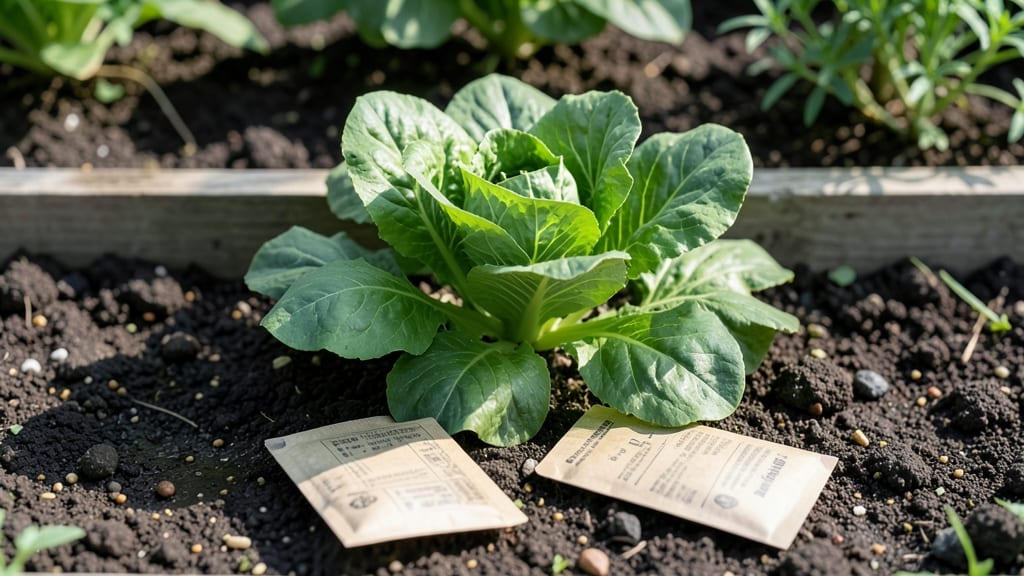
Planting seeds means giving life a fighting chance—literally. ✨ Every tiny seed holds the potential for a thriving plant, but only if you match its needs with the right timing, soil, and care.
I’ve watched my own seeds sprout within days or stubbornly wait months, and the difference always comes down to those early decisions.
You’ll need just a few basics: seeds (fresh ones germinate faster), a container or garden bed, quality potting mix, and a spray bottle for gentle watering. Depth matters—most seeds need burial only twice as deep as their width, while larger seeds like beans go twice as deep.
Spacing depends on the plant, but crowded seedlings fight for light and nutrients.
The magic happens when you combine warmth, moisture, and patience. Seeds need consistent soil temps (usually 60–75°F) and light to break through the soil. I’ve learned that rushing watering or burying seeds too deep kills more than half my starts—so start small, track your progress, and adjust as you go.
Once you’ve cracked the timing, you’ll see sprouts emerge with shocking speed. The real reward? Knowing you’ve nurtured something from near-invisible to something that feeds, flowers, or shades your space. Ready to try it for yourself?
📚 In This Guide
- What you need
- Instructions
- Tips and common mistakes
- Wrapping up and next steps
What you need
- ● Seeds: Choose high-quality, fresh seeds (check the packet for germination rates—aim for 80% or higher!). Quantities depend on your project, but start with 5–10 seeds per variety for testing.
- ● Seed-starting containers: Small pots (2–4 inches deep) or seed trays with drainage holes (10+ cells for beginners).
- ● Biodegradable pots (e.g., peat or coconut coir) for transplant-friendly options.
- ● Growing medium: Seed-starting mix (sterile, lightweight, and well-draining—avoid garden soil!).
- ○ Optional: Perlite or vermiculite (10–20% mix) to improve aeration.
- ● Water: Room-temperature, dechlorinated water (let tap water sit for 24 hours or use filtered water). A spray bottle helps avoid disturbing seeds.
- ● Light source: Grow lights (LED or fluorescent, 12–16 hours/day) or a sunny windowsill (south-facing preferred).
- ● Reflective surfaces (e.g., aluminum foil) to maximize light efficiency.
- ● Humidity dome or plastic wrap: To retain moisture (especially for tiny seeds like lettuce or basil).
- ● Plant labels: Toilette paper rolls, popsicle sticks, or plant markers to track varieties.
- ○ Heat mat: (Optional) For seeds needing warmth (e.g., peppers, tomatoes)—set to 70–85°F.
- ● Fertilizer: Balanced liquid fertilizer (diluted to half-strength) for seedlings after 2–3 weeks.
- ● Thermometer/hygrometer: To monitor soil temp (60–75°F ideal) and humidity (50–70% for most seeds).
- ● Tweezers or pencil: For delicate seed placement (e.g., tiny flower seeds).
How to time seed planting for peak germination success
Science shows timing matters more than most gardeners realize—here's how to align planting with nature's cues.
🌱 Step 1: Understand Your Seed's Ideal Soil Temperature
Every seed has a sweet spot for germination, and soil temperature is the key. Check the seed packet for your variety's range—most vegetables thrive when soil reaches 60-75°F. I use a soil thermometer buried 1 inch deep to confirm conditions before planting. Cool-season crops like peas and lettuce germinate best at 50-65°F, while warm-season tomatoes and peppers need 70-85°F.
Here's the thing—if your soil is too cold, seeds may rot before sprouting. Too hot, and they'll dry out. I've learned the hard way that rushing planting in chilly spring soil leads to spotty germination. Wait for consistent temperatures before starting seeds outdoors.
☀️ Step 2: Align Planting with Moisture and Light Patterns
Timing planting with natural moisture cycles makes all the difference. I plant seeds when a 1-inch rain forecast is expected within 24 hours, eliminating the need for immediate watering. For indoor starts, use the seed-starting mix and keep it consistently moist—never soggy—until germination occurs.
Light matters too. Seeds planted too deep won't reach sunlight, while those planted too shallow dry out. Most seeds need ¼ to ½ inch of soil coverage. I make a small hole with my finger, drop in 2-3 seeds (just in case), then cover lightly. The goal is darkness for germination but easy access to light afterward.
⏰ Step 3: Calculate Back from Your Last Frost Date
This is the moment that matters: count backward from your average last frost date. Most seeds need 4-8 weeks to reach transplant size. Cool-season crops like kale tolerate light frosts, so I plant them 4-6 weeks before the last expected frost. Warm-season tomatoes and peppers need 6-8 weeks of indoor growing before going outside.
I always mark my calendar with three key dates: start seeds indoors, harden off seedlings, and transplant outdoors. Skipping this step leads to overgrown seedlings or plants that bolt too quickly in warm weather. Check your local frost dates online if you're unsure—your county extension office has reliable data.
💧 Step 4: Monitor for Germination and Adjust Conditions
Once planted, watch for the first signs of life. Most seeds sprout within 5-14 days, depending on the variety. I keep seeds in a warm, dark place until they break through the soil, then move them to bright light. The instant you see the first true leaves (not the initial seed leaves), it's time to thin or transplant.
If germination takes longer than expected, check moisture and warmth. I've had seeds take 3 weeks to sprout when soil stayed too cool. Don't give up—some seeds just need patience. Once sprouted, maintain consistent moisture and light to prevent leggy, weak seedlings.
Tips & tricks for perfect seed planting timing
Timing your seed planting isn't just guesswork—it's a science that makes all the difference between thriving plants and disappointing failures.
Soil Temperature Secrets: That 60-75°F range isn't arbitrary—it's where most seeds get the perfect balance of warmth to activate germination without overheating. I've found that 75°F is the sweet spot for warm-season crops like tomatoes, while 65°F works better for cool-season varieties. Pro tip: If your soil thermometer shows 85°F or hotter, wait a few days or plant in partial shade to prevent seed desiccation. The difference between a successful sprout and a dried-out seed often comes down to this one factor.
Moisture Timing Strategy: The 24-hour rain window I mentioned isn't just about convenience—it's about creating the ideal germination environment. If you can't time planting with natural rain, use a gentle spray bottle to mimic those conditions. The key is keeping the soil consistently moist but never soggy during those critical first days. I've seen seeds fail spectacularly when planted before a forecasted rain only to dry out because the forecast changed.
Depth Matters More Than You Think: That ¼ to ½ inch soil coverage isn't just a random measurement—it's the perfect balance between darkness (which seeds need to germinate) and light access (which they'll need immediately after sprouting). For larger seeds like beans, err on the deeper side of that range, while tiny seeds like lettuce should be on the shallower end. I've learned this the hard way after planting carrot seeds too deeply and watching them struggle to reach the surface.
Frost Date Flexibility: While the 4-8 week guideline is standard, your actual timing should account for your specific climate zone. In cooler regions, you might need to extend that window by 1-2 weeks, while warmer climates can sometimes get away with shorter indoor growing periods. Always check your local frost dates—your county extension office has the most reliable data, and it's worth the 5-minute call to avoid costly mistakes.
Pro Tips for Planting Seeds Meaning
- Timing your seed planting isn't just guesswork—it's a science that makes all the difference between thriving plants and disappointing failures.
- Soil Temperature Secrets: That 60-75°F range isn't arbitrary—it's where most seeds get the perfect balance of warmth to activate germination without overheating.
- Moisture Timing Strategy: The 24-hour rain window I mentioned isn't just about convenience—it's about creating the ideal germination environment.
Frequently asked questions
Got questions about planting seeds and unlocking their full potential? Here’s what you need to know—from timing tricks to troubleshooting tips.
What’s the best time of year to plant seeds for the fastest germination?
The ideal time depends on your climate and plant type. For most vegetables and flowers, plant in early spring (after the last frost) or late summer (for fall harvests). Check your seed packet for specific guidelines—some seeds, like peas, thrive in cooler soil, while others (like tomatoes) need warmth. Pro tip: Use a soil thermometer to aim for 60–75°F for optimal growth!
How long should I wait before seeds actually sprout?
Germination time varies wildly! Fast growers like radishes sprout in 3–7 days, while slowpokes (think beans or herbs) may take 2–4 weeks. If nothing emerges after twice the expected time, check moisture, temperature, and seed viability. No sprouts? Try a new batch or test with a damp paper towel—some seeds just need a little patience (or a fresh start)!
What’s the most common mistake people make when planting seeds?
Overwatering or underwatering are top culprits! Seeds need consistent moisture (like a damp sponge) but not soggy soil. Another mistake? Planting too shallow or deep—follow the packet’s depth rule (usually 2–3x the seed’s width). Too shallow = drying out; too deep = struggling to break through. Light is key too! Some seeds (like lettuce) need sunlight to germinate, while others (like beans) prefer darkness.
Can I plant seeds indoors if I don’t have a garden?
Start with seed trays or small pots filled with well-draining soil. Use a sunny windowsill or grow lights (12–16 hours/day) to mimic outdoor conditions. Transplant seedlings outdoors after they’ve developed 2–3 true leaves and hardened off (acclimated to outdoor temps for 7–10 days). Bonus: Herbs like basil and parsley thrive indoors year-round!
What should I do if my seeds rot or mold instead of sprouting?
Mold or rot usually means too much moisture or poor drainage. Let soil dry slightly between waterings and ensure pots have drainage holes. Disinfect tools and containers with a 10% bleach solution to prevent fungal spread. If mold appears, toss the affected soil/seeds and start fresh with sterile mixes. Prevention tip: Use sterile seed-starting mix (not garden soil) to avoid contaminants!
Wrapping up and next steps
Planting seeds isn’t just about digging into soil—it’s about nurturing potential with intentional timing and care. Whether you’re a seasoned gardener or just starting, the science-backed strategies shared here can transform your germination success.
Remember, every seed holds the promise of growth—let that inspire you to experiment, learn, and connect with nature.
Ready to take the next step? Start small: pick one seed type, test the timing tips shared, and track your progress. Before you know it, you’ll be harvesting confidence—and maybe even a thriving garden! 🌱