Trees
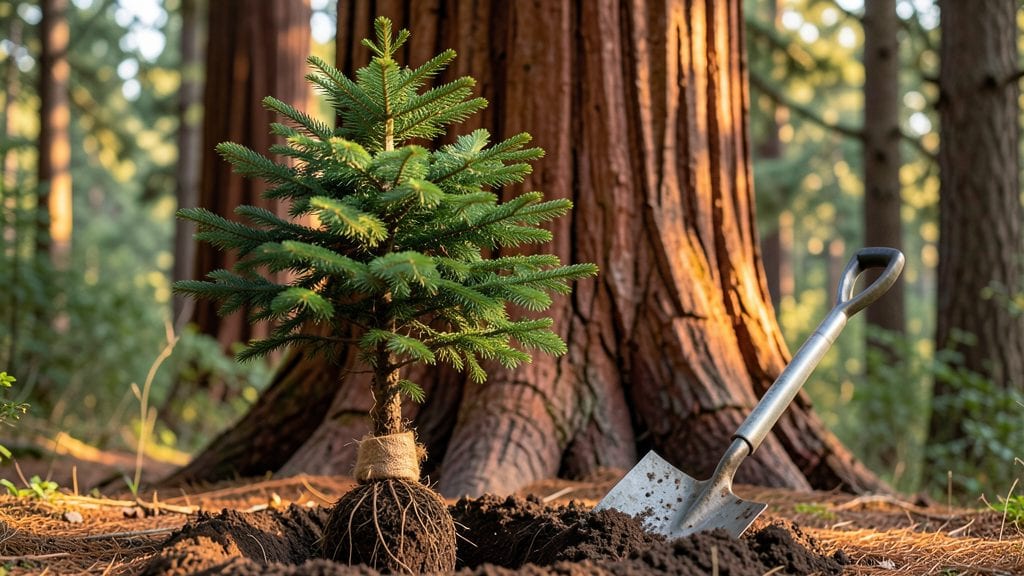
Planting redwood trees isn't just about adding towering beauty—it's about creating a living legacy that outlasts your lifetime. 🌿 I learned the hard way that these coastal giants demand respect, but once you nail the basics, they reward you with shade so thick it feels like stepping into a cathedral.
The secret starts with the right spot: redwoods crave deep, well-draining soil and at least six hours of indirect sunlight daily, preferably near the coast where the humidity keeps their needles lush.
You'll need more than just space—think 10-15 feet between trees for mature growth, and a hole twice as wide as the root ball but no deeper. Amend the native soil with compost if it's heavy clay, and avoid planting in frost pockets where cold air settles.
My first redwood nearly died because I ignored this last rule, and the lesson stuck: these trees thrive where winter winds meet summer fog, not where temperatures swing wildly.
Watering is where most gardeners trip up, but redwoods are surprisingly forgiving once established. Give them deep waterings twice a week for the first year, then taper to monthly soakings—think of it like giving them a drink from a fire hose, not a sprinkle from a misting bottle.
Within five years, you'll see those iconic vertical trunks shooting upward, casting shade that blocks 90% of sunlight and keeps summer heat at bay.
Here's the kicker: redwoods handle pruning like pros, so you can shape them for privacy screens or let them grow wild as nature intended. The real magic happens in their second decade, when they start releasing that signature piney aroma that turns any backyard into a forest sanctuary.
Now, let's get those roots in the ground before you change your mind about waiting.
📚 In This Guide
- What you need
- Instructions
- Tips and common mistakes
- Wrapping up and next steps
What you need
- ● Redwood seedlings or saplings: Choose disease-resistant varieties like Sequoia sempervirens (coast redwood) or Sequoiadendron giganteum (giant sequoia). Opt for 1- to 3-year-old trees (4–6 feet tall) for faster establishment.
- ● High-quality soil: Redwoods thrive in well-draining, acidic soil (pH 5.5–7.0). Mix in 3–4 inches of compost or peat moss for moisture retention.
- ● Organic mulch: Use 3–4 inches of wood chips or bark to retain moisture and regulate soil temperature.
- ● Watering supplies: Hose with adjustable nozzle (for deep watering)
- ○ Drip irrigation system (optional but ideal for young trees)
- ● Water storage container (5+ gallons for initial watering)
- ● Fertilizer: Slow-release, balanced organic fertilizer (10-10-10 or similar) applied in early spring and fall.
- ● Stakes and ties: 2–3 wooden or bamboo stakes (5–6 feet tall) and soft tree ties to support young saplings in windy coastal areas.
- ● Pruning tools: Bypass pruners (for small branches)
- ● Loppers (for thicker branches)
- ● Saw (if removing large limbs)
- ● Soil pH test kit: Ensure your soil’s acidity levels are optimal for redwoods.
- ● Windbreak barriers: Temporary fencing or burlap screens to protect young trees from harsh coastal winds.
- ● Mycorrhizal fungi: A natural additive to boost root growth and nutrient absorption.
- ● Tree guards: Plastic or metal guards to deter animals from chewing on bark.
- ● Weather monitoring: A simple rain gauge to track moisture levels in your climate.
Step-by-Step guide to planting redwood trees for coastal privacy
Here's how I plant redwoods to ensure they thrive and grow into those towering, wind-resistant giants.
🌱 Step 1: Choose and Prepare the Planting Site
Redwoods need space—at least 20 feet between trees for mature growth. Pick a spot with full sun to partial shade and well-draining soil. Coastal areas often have sandy soil, so I mix in compost to improve fertility before planting. Dig a hole twice as wide as the root ball but only as deep—this prevents root damage from being buried too deeply.
Check the soil moisture by digging a small test hole. If water pools or drains very slowly, redwoods will struggle. Amend with organic matter like leaf mold or composted wood chips to help with drainage. Avoid planting in low-lying areas where water collects after rain.
🪴 Step 2: Handle the Root Ball and Plant Carefully
Remove the redwood from its container and gently loosen the root ball with your fingers. If the roots are circling tightly, make 2-3 vertical cuts around the outside to encourage outward growth. Place the tree in the hole so the top of the root ball sits 1-2 inches above ground level—this prevents rot when soil settles.
Backfill the hole with the native soil you dug out, mixing in a handful of slow-release fertilizer. Tamp down lightly in layers to remove air pockets but don’t compact the soil. Water deeply to settle everything, then add a 2-inch layer of mulch around the base, keeping it 6 inches away from the trunk to prevent rot.
☀️ Step 3: Water and Protect Newly Planted Redwoods
Water the tree deeply once a week for the first 6 months, providing 1-2 gallons per watering. Redwoods have shallow roots initially, so consistent moisture is key. You’ll know it’s enough when water drains through the soil to 12 inches deep. Overwatering causes root rot, so let the top 2 inches of soil dry out between waterings.
Protect young trees from wind and salt spray if you're near the coast. Use temporary stakes or a windbreak made of burlap for the first year. Redwoods are naturally salt-tolerant, but excessive salt buildup can stress seedlings. Rinse the foliage occasionally with fresh water if you notice browning at the tips.
✂️ Step 4: Prune and Monitor Growth in the First Year
Wait until spring to prune—never cut back more than 10-15% of the foliage at once. Remove only dead, diseased, or crossing branches with clean, sharp pruners. Redwoods grow best when left alone, so avoid heavy pruning. Focus on shaping the tree naturally to encourage strong, upright growth.
Watch for signs of stress like yellowing needles or stunted growth. If you see aphids or spider mites (common in coastal areas), spray with a mild insecticidal soap. Redwoods are generally pest-resistant, but young trees need extra care. Fertilize lightly in early spring with a balanced, slow-release fertilizer to support new growth.
Tips & tricks for planting redwood trees
These little-known tricks will help your coastal redwoods grow into those majestic privacy giants you've always dreamed of.
Soil Preparation Secret: I can't stress enough how important that soil test is before planting. Coastal areas often have compacted or salty soil that redwoods hate. If your test shows high salt content, mix in 3-4 inches of organic matter like composted wood chips or leaf mold to dilute the salt. This step alone makes the difference between a struggling seedling and a thriving giant. The 20 feet spacing mentioned in Step 1 becomes even more critical when you consider how roots will spread in improved soil.
Root Ball Rescue: When you handle that root ball in Step 2, here's what I do: After loosening the roots, I soak the entire root ball in water for 10-15 minutes before planting. This helps hydrate the roots and prevents transplant shock. The 1-2 inch elevation above ground level is crucial—if you bury the root ball too deeply, you'll suffocate those shallow roots redwoods need initially. Think of it like planting a potato: you want the top just peeking above soil level.
Watering Wisdom: The 1-2 gallons per week in Step 3 is your baseline, but timing matters just as much. Water in the early morning so foliage has all day to dry before evening. This prevents fungal issues from prolonged moisture. I use a soaker hose placed near the base to deliver water slowly to the roots rather than blasting the foliage. The 12-inch deep drainage check is your best indicator—if water pools at that depth, you're golden.
Coastal Protection Hacks: For windbreaks in Step 3, I've had great success with burlap screens or even straw bales arranged in a semicircle around the tree. If salt spray is an issue, consider installing a simple plastic sheet barrier on the windward side for the first year. And that 6-inch mulch clearance from the trunk? It's not just about preventing rot—it also helps regulate soil temperature, which redwoods appreciate in coastal climates.
Pro Tips for Planting Redwood Trees
- These little-known tricks will help your coastal redwoods grow into those majestic privacy giants you've always dreamed of.
- Soil Preparation Secret: I can't stress enough how important that soil test is before planting.
- Root Ball Rescue: When you handle that root ball in Step 2, here's what I do: After loosening the roots, I soak the entire root ball in water for 10-15 minutes before planting.
Frequently asked questions
How long does it take for a redwood tree to grow tall enough for privacy?
A Sequoia sempervirens (coast redwood) grows 3–7 feet per year under ideal conditions. In 10 years, you’ll likely see a 30–50-foot tree—perfect for blocking wind and views! Patience pays off—these trees are slow but steady. For faster results, consider dwarf varieties like ‘Pendulum’ or ‘Golden Gate’.
What’s the best time of year to plant redwood trees?
Plant in late fall or early spring (October–March) when soil is cool and moist. Avoid summer heatwaves—redwoods hate drought stress! Pro tip: If planting in containers, water deeply 2–3 days before transplanting to reduce shock.
Are redwood trees expensive to plant and maintain?
Seedlings cost $20–$100 each, but mature trees (10+ feet) can run $500–$2,000+. Maintenance is low: mulch annually ($50–$100/year) and water deeply 1–2x/week for the first year. Long-term savings: Redwoods outlive most landscaping trends!
Do redwood trees need full sun, or can they grow in shade?
Redwoods thrive in partial shade to full sun, but they prefer dappled light (like under tall pines). In deep shade, growth slows. Troubleshooting tip: If leaves yellow, it’s often overwatering or poor drainage—not shade. Amend clay soil with compost to help!
Can I plant redwood trees in containers, or do they need ground space?
Young redwoods (under 5 feet) grow well in large containers (20+ gallons) with drainage holes. Use a well-draining mix (peat moss + perlite). Warning: Container-grown trees won’t reach their full height—plant in the ground within 3–5 years for optimal growth.
What pests or diseases should I watch for with redwood trees?
Redwoods are pest-resistant, but watch for:
- Root rot (from soggy soil)—fix with raised beds or better drainage.
- Spider mites (dry conditions)—spray with water or neem oil.
- Fungal leaf spot (humid climates)—prune infected leaves and improve airflow.
Wrapping up and next steps
Planting redwood trees is a rewarding way to add majestic beauty, shade, and privacy to your landscape—while supporting biodiversity. These coastal giants thrive with the right soil, spacing, and care, offering long-term benefits for your property and the environment.
Whether you're a seasoned gardener or a beginner, their resilience and growth potential make them a fantastic choice for any outdoor space.
Ready to get started? Research local climate conditions, gather your supplies, and mark your calendar for the best planting season. Your future shade haven awaits—go plant those redwoods! 🌲✨