Picking
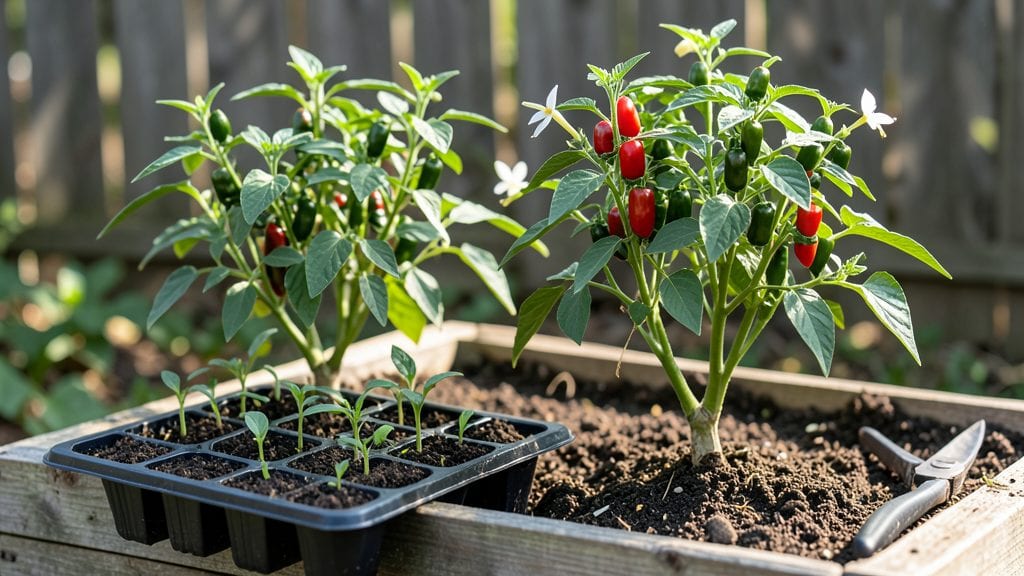
Planting pimento peppers means unlocking those sweet, thick-walled peppers perfect for stuffing—if you nail the soil and spacing. 🌱 I’ve grown them for years, and the difference between a handful of peppers and a bushel comes down to two things: warm soil and patience.
Most gardeners rush the process, but pimentos need a slower start than jalapeños or bell peppers.
Start seeds indoors 8-10 weeks before your last frost, using a light, airy mix that drains fast—pimento roots hate soggy feet. Plant them ½ inch deep in small pots, and keep the soil warm (70°F+).
Once seedlings hit 4 inches tall, transplant them outdoors after all danger of frost, spacing them 18-24 inches apart in full sun. They’re heat lovers, so mulch heavily to keep roots cool in summer.
You’ll spot the first dark green leaves in 3-4 weeks, followed by tiny white flowers in 8-10 weeks. Here’s the secret: don’t fertilize heavily early on—pimentos focus on roots first.
Wait until flowers appear, then feed with a low-nitrogen fertilizer to encourage fruit over foliage. By mid-summer, you’ll have peppers the size of golf balls, and they’ll keep producing until frost.
Common mistakes? Overwatering (they need 1 inch per week, less in rain), crowding (they need air to breathe), and impatience (they take 90-120 days to mature).
But get it right, and you’ll harvest enough to can, dry, or share—no store-bought peppers will ever taste the same. Ready to grow yours?
📚 In This Guide
- What you need
- Instructions
- Tips and common mistakes
- Wrapping up and next steps
What you need
- ● Pimento Pepper Seeds: 10–20 seeds (or 3–5 plants if buying seedlings). Look for varieties like Pimiento de Padrón or Hungarian Wax Pepper for classic flavors.
- ● Containers or Garden Beds: For containers: 5–10 gallon pots (1 per plant) with drainage holes.
- ● For in-ground: Full-sun spot (6+ hours/day) with well-draining soil (pH 6.0–7.0).
- ● Potting Mix: 1–2 bags of high-quality, sterile seed-starting mix (or garden soil amended with compost).
- ● Fertilizer: Balanced fertilizer (10-10-10 or 5-5-5) for seedlings.
- ● Low-nitrogen, high-phosphorus fertilizer (e.g., 5-10-10) once plants flower.
- ● Watering Can or Hose: With a gentle spray nozzle for seedlings.
- ● Mulch: Straw or shredded leaves to retain moisture and suppress weeds.
- ● Grow lights (if starting indoors before last frost).
- ● Plant markers (to track varieties).
- ● Cage or stakes (for support as plants grow).
- ● Pruning shears (to encourage bushier growth).
- ● Row cover or shade cloth (to protect from pests or extreme heat).
Step-by-step instructions for planting pimento peppers
Here’s how to grow bold, flavorful pimento peppers that outperform store-bought every time.
🌱 Step 1: Choose the Right Location and Soil
Pimento peppers thrive in full sun—at least 8 hours daily—and well-draining soil with a pH between 6.0 and 7.0. I always test my garden soil first; pimentos need slightly acidic conditions to prevent blossom-end rot. If your soil is heavy clay, mix in 2-3 inches of compost from the list to improve drainage and fertility.
Pick a spot sheltered from strong winds, which can damage delicate stems. If you’re container growing, ensure pots are at least 12 inches deep—shallow roots lead to stunted plants. Amend the soil with 1 cup of balanced fertilizer (10-10-10) per plant before planting to give them a nutrient boost right away.
🌱 Step 2: Start Seeds Indoors or Transplant Seedlings
For an early start, sow seeds indoors 8-10 weeks before the last frost date in biodegradable pots filled with seed-starting mix. Press seeds ¼ inch deep—any deeper and they’ll struggle to emerge. Keep the soil consistently moist at 70-80°F using a heat mat if needed; germination takes 10-14 days.
If using transplants, harden them off for 7-10 days before moving outdoors. Plant seedlings 18-24 inches apart in rows spaced 2-3 feet apart to allow airflow and prevent disease. Bury them slightly deeper than their original pots—this encourages stronger root development. Water deeply right after planting to settle the soil around the roots.
💧 Step 3: Water and Fertilize for Optimal Growth
Pimento peppers hate soggy soil but need consistent moisture—water deeply once a week, aiming for 1-1.5 inches of water per week. Use a drip irrigation system or water at the base of the plant early in the morning to reduce fungal risks. Let the top 1-2 inches of soil dry out between waterings; wilting leaves mean it’s time to hydrate.
Feed plants every 3-4 weeks with 1 tablespoon of balanced fertilizer (10-10-10) per plant, mixed into the soil. When flowers appear, switch to a low-nitrogen, high-phosphorus fertilizer (5-10-10) to encourage fruiting. Avoid over-fertilizing—too much nitrogen leads to leafy growth at the expense of peppers.
☀️ Step 4: Prune and Support for Higher Yields
Prune suckers (the small shoots that form in the junction between the stem and branches) to direct energy into fruit production. I remove all but 2-3 main branches per plant, focusing on the strongest stems. This prevents overcrowding and improves air circulation, reducing the risk of pests and diseases.
Stake tall varieties with 4-5 foot bamboo stakes or use cages to support heavy pepper loads. Tie stems loosely with soft plant ties every 6-8 inches—tight bindings can damage stems as peppers grow. Mulch around the base with 2-3 inches of straw to retain moisture and suppress weeds, which compete for nutrients.
✂️ Step 5: Harvest and Encourage Continuous Production
Harvest pimento peppers when they’re 3-4 inches long and fully colored—green, red, or yellow, depending on the variety. Use pruning shears to cut stems cleanly, leaving ¼ inch of stem attached. This encourages the plant to produce more peppers. I harvest every 3-5 days during peak season to keep plants productive.
If peppers stop setting fruit, check for poor pollination—pimentos are self-pollinating but benefit from gentle shaking or a small brush to transfer pollen. In hot climates, provide afternoon shade during extreme heat (above 90°F) to prevent blossom drop. With consistent care, a single plant yields 50-100 peppers per season!
Tips & tricks for perfect pimento pepper planting
Here's what nobody tells you about growing pimento peppers that actually delivers restaurant-quality heat and flavor.
Sunlight Secret: Those 8 hours of full sun aren't just minimum requirements—they're the sweet spot for maximum heat development. I've found that positioning plants to get morning sun and afternoon shade in hot climates (above 90°F) actually increases pepper production by preventing stress. Use reflective mulch like white gravel around the base to amplify sunlight intensity without extra heat.
Soil Science: The pH range of 6.0-7.0 is critical because pimento peppers are particularly sensitive to calcium deficiencies. I always mix in 1 tablespoon of crushed eggshells per plant at planting time to prevent blossom-end rot. For container growing, use a mix of 60% potting soil, 30% perlite, and 10% compost in those 12-inch deep pots—this mimics ideal garden conditions.
Germination Game-Changer: That 70-80°F soil temperature range is non-negotiable for consistent germination. I use a simple DIY heat mat made from a heating pad and cardboard box when my basement gets too cool. The 10-14 day germination window can be frustrating, but covering seeds with plastic wrap creates a mini greenhouse effect that speeds things up by 2-3 days. Just remember to remove it once sprouts appear.
Pruning Strategy: When you're pruning to keep just 2-3 main branches, focus on removing suckers that grow below the first flower cluster. These lower suckers often produce smaller, less flavorful peppers. I also recommend pruning in the morning when stems are firm—this reduces the risk of disease transmission through open wounds.
Pro Tips for Planting Pimento Peppers
- Here's what nobody tells you about growing pimento peppers that actually delivers restaurant-quality heat and flavor.
- Sunlight Secret: Those 8 hours of full sun aren't just minimum requirements—they're the sweet spot for maximum heat development.
- Soil Science: The pH range of 6.0-7.0 is critical because pimento peppers are particularly sensitive to calcium deficiencies.
Frequently asked questions
Got questions about growing pimento peppers? You’re not alone!
Here are answers to the most common queries from gardeners eager to spice up their harvest—whether you’re a first-timer or a seasoned pro looking to optimize your yield.
When is the best time to plant pimento peppers?
Pimento peppers thrive in warm soil (70°F+) and need 100–150 frost-free days to mature. Start seeds indoors 8–10 weeks before your last frost, or transplant seedlings after all danger of frost has passed. In warmer climates (Zones 9–11), direct-sow seeds in early spring for a fall harvest!
How long does it take for pimento peppers to grow and bear fruit?
From seed to harvest, expect 70–90 days for pimento peppers to ripen (varies by variety). Seedlings take 6–8 weeks to transplant, then another 60–80 days to produce fruit. Pro tip: Prune lower leaves to boost airflow and speed up fruiting!
Can I grow pimento peppers in containers? What size pot do I need?
Pimentos adapt well to containers if given at least 5-gallon pots (bigger = better for stability). Use a well-draining potting mix and place pots in full sun (6+ hours/day). Dwarf varieties (like ‘Yolo Wonder’) thrive in containers—just ensure pots have drainage holes to prevent root rot.
What pests or diseases should I watch for with pimento peppers?
Common threats include aphids, spider mites, and hornworms (those hungry caterpillars!). For prevention:
- Spray neem oil weekly as a deterrent.
- Handpick hornworms (they’re easy to spot!).
- Rotate crops yearly to avoid soil-borne diseases like fusarium wilt.
Are pimento peppers the same as bell peppers? Can I substitute them?
Nope—not even close! Pimentos are small, hot, and wrinkled (1–2 inches long), while bell peppers are sweet and blocky. Flavor swap: Use pimentos for smoky heat (think: stuffed peppers, pickling, or sauces), but don’t substitute in recipes needing sweetness (e.g., stir-fries). For a milder kick, try ‘Pimento’ or ‘Cherokee’ varieties.
Why aren’t my pimento peppers turning red? Are they still good?
Pimentos ripen from green to red (or yellow/orange, depending on the variety). If they’re staying green, check:
- Sunlight: Need 8+ hours of direct sun daily.
- Heat: Peppers need warmth (above 75°F) to ripen.
- Patience: Some varieties take longer—harvest green if needed!
Wrapping up and next steps
Growing pimento peppers is a rewarding journey that brings bold flavor and vibrant color to your garden—and your kitchen! 🌱 With the right soil, sunlight, and care, you’ll soon be harvesting peppers packed with heat and versatility.
Whether you’re a seasoned gardener or just starting, every step you take brings you closer to that first spicy, sweet bite.
Now that you’re armed with planting tips and FAQs, it’s time to roll up your sleeves and get growing! Start by choosing your seeds or seedlings, then follow through with patience and passion. Happy planting—and enjoy the delicious rewards of your hard work! 🌶️