How To
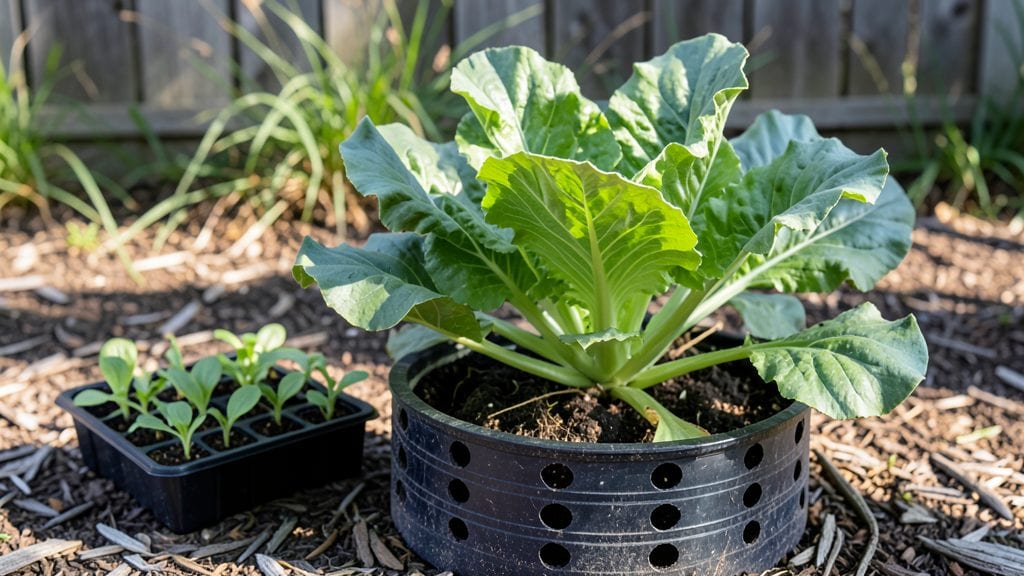
Planting in tires turns scrap into a thriving vertical garden that saves space and cuts waste. 🌱 I started with old truck tires from my garage and transformed them into productive planters—now my balcony grows more than my backyard ever did.
The best part? You can stack them to create a living wall or line them up for a tidy, organized garden bed.
You’ll need tires (clean and free of cracks), potting soil, drainage holes, and plants that thrive in containers. Succulents, herbs, and shallow-rooted veggies like lettuce or radishes take to tires like they’re born for them.
Just avoid deep-rooted plants—they’ll outgrow the space fast. My first setup cost less than $20 and now produces fresh basil and peppers year-round.
The payoff is immediate: you’ll see new growth within weeks, and the vertical setup keeps pests like slugs at bay. Plus, it’s a sustainable way to repurpose materials instead of tossing them.
The only trade-off? Tires can dry out faster than traditional planters, so check soil moisture often—especially in hot weather.
Works for patios, balconies, or even urban yards with limited ground space. The key is proper drainage and choosing the right plants. Let’s get those tires planted and growing!
📚 In This Guide
- What you need
- Instructions
- Tips and common mistakes
- Wrapping up and next steps
What you need
- ● Used tires: 2–4 clean, dry tires (12–16 inches in diameter; larger = more space for plants). Pro tip: 💡 Check for cracks or sharp edges—sand them smooth for safety!
- ● Drill: A power drill with ½-inch or ¾-inch drill bit (for drainage holes).
- ● Potting soil: 1–2 bags (2–3 cubic feet total) of well-draining, peat-based mix (or compost + perlite for DIY blends).
- ● Plants: Choose compact varieties like herbs (basil, thyme), succulents, or shallow-rooted veggies (lettuce, radishes). Pro tip: ✨ Start with 1–2 plants per tire for beginners!
- ● Watering can or hose: With a gentle spray nozzle to avoid soil erosion.
- ○ Sandpaper (optional but recommended): To smooth rough tire edges.
- ● Paint or decorative covers: Non-toxic, weatherproof paint to customize tires.
- ● Cascade planter system: Stack tires vertically with plastic spacers (e.g., PVC pipes) for a tiered look.
- ● Slow-release fertilizer: Mix into soil for low-maintenance growth.
- ● Mulch (gravel or bark): Top layer to retain moisture and deter weeds.
Step-by-Step instructions for planting in tires
Turn old tires into stylish, space-saving planters that transform your garden's vertical potential.
🪴 Step 1: Prepare the Tires for Planting
Start with clean, dry tires—scrub off any dirt or debris with a stiff brush and soapy water. Sand rough edges to prevent splinters, especially if kids or pets will be around. I like to paint mine with weather-resistant outdoor paint in bright colors to match my patio decor. Let the paint dry completely before planting.
Cut a drainage hole in the bottom of each tire using a sharp utility knife or hole saw. Make it about 3 inches in diameter—big enough to let excess water escape but small enough to keep soil in place. Place a piece of hardware cloth or window screen over the hole to prevent soil from washing out while still allowing drainage.
🌱 Step 2: Add Drainage and Soil Layering
Fill the bottom of each tire with a 2-inch layer of small rocks or broken pottery pieces—this creates a drainage layer that prevents waterlogging. I use leftover construction gravel from a home project, but any clean, coarse material works. Pack it lightly so it doesn’t take up too much space but still allows water to flow freely.
Next, add a 3-inch layer of compost or well-aged manure on top of the rocks. This boosts fertility and helps retain moisture in the tire’s limited soil volume. Mix in a handful of slow-release fertilizer if you want to give your plants an extra nutrient boost right from the start.
🌿 Step 3: Plant Your Chosen Species
For 4 tires, select plants that thrive in containers and have similar watering needs. I like to use a mix of herbs, flowers, or shallow-rooted vegetables like lettuce or radishes. Dig a hole in the center of the tire about twice as wide as the plant’s root ball and gently place the plant inside.
Fill the remaining space with a high-quality potting mix, pressing lightly to eliminate air pockets but not compacting too tightly. Water the soil thoroughly until it’s evenly moist—you’ll see water trickle out the drainage hole, which means you’ve done it right. Avoid overwatering at this stage; tires dry out faster than traditional planters.
☀️ Step 4: Position and Maintain Your Tire Planters
Arrange your tire planters in a sunny spot that gets at least 6 hours of direct sunlight daily. Stack them vertically if space is tight, but leave a 1-inch gap between tires to allow airflow and prevent moisture buildup. I like to mount mine on a sturdy wooden frame or wall brackets for a clean, organized look.
Water your tire planters every 2-3 days or when the top inch of soil feels dry to the touch. Tires dry out quickly, so check them frequently, especially in hot weather. Mulch the soil surface with a thin layer of straw or shredded bark to help retain moisture and suppress weeds—just ½ inch is enough.
✂️ Step 5: Harvest and Rotate Plants Seasonally
When your plants mature, harvest them regularly to encourage continuous growth. For example, pinch back herbs like basil or thyme to promote bushier growth, and harvest leafy greens like lettuce from the outer leaves first. If you notice plants looking leggy or stretching toward the light, rotate the tires a quarter turn weekly to keep them growing evenly.
At the end of the season, remove spent plants and refresh the soil with a new layer of compost. Store your tires in a dry place over winter if you live in a cold climate, or plant cold-hardy greens like kale or spinach for a winter harvest. With a little care, your tire planters will keep producing for years!
Tips & tricks for perfect vertical planters in tires
Here's what I've learned after transforming my own garden with tire planters—these tricks make all the difference.
Drainage is Non-Negotiable: That 3-inch drainage hole in Step 1 is crucial for preventing root rot. I've seen plants fail when people skip this step or use holes that are too small. If you're worried about soil washing out, use a piece of hardware cloth or window screen—it keeps soil in while letting water escape. Trust me on this: soggy roots will kill your plants faster than anything else.
Soil Layering Secrets: The 2-inch rock layer in Step 2 isn't just about drainage—it also creates space for roots to spread without getting waterlogged. I've found that using broken pottery pieces works even better than gravel because they break down over time, adding nutrients to your soil. For the 3-inch compost layer, mix in a handful of slow-release fertilizer right away. This gives your plants a nutrient boost from day one, especially important since tires have limited soil volume.
Plant Selection Matters: When choosing plants for your 4 tires, stick to container-friendly species with similar watering needs. I've had great success with herbs like basil and thyme, flowers like marigolds, and shallow-rooted veggies like lettuce. Avoid deep-rooted plants—they'll quickly outgrow the tire's space. Pro tip: Plant taller varieties in the back tires if you're stacking them vertically, and shorter ones in the front.
Sunlight and Rotation Strategy: The 6 hours of sunlight mentioned in Step 4 is non-negotiable for most plants. If your space gets less, choose shade-tolerant varieties like Swiss chard or parsley. And that quarter-turn weekly rotation? It's a game-changer. I've noticed plants grow much more evenly when rotated—no more lopsided growth toward the light. Just 30 seconds of rotation makes a big difference over time.
Pro Tips for Planting In Tires
- Here's what I've learned after transforming my own garden with tire planters—these tricks make all the difference.
- Drainage is Non-Negotiable: That 3-inch drainage hole in Step 1 is crucial for preventing root rot.
- Soil Layering Secrets: The 2-inch rock layer in Step 2 isn't just about drainage—it also creates space for roots to spread without getting waterlogged.
Frequently asked questions
Got questions about turning old tires into thriving vertical gardens? We’ve got answers! Here are some of the most common queries to help you grow with confidence.
Can I use any type of tire for planting?
Most tires work, but avoid tires with cracks, sharp edges, or chemical residue (like those from vehicles). Clean them with soap and water first. Smaller tires (12–16 inches) are ideal for herbs or flowers, while larger ones (18+ inches) suit veggies or shrubs. Pro tip: Drill drainage holes if none exist!
When is the best time to start planting in tires?
Spring (after the last frost) or early fall are perfect for planting outdoors. For indoor tires, start anytime—just ensure your plants get 6+ hours of light. If repurposing old tires, plant in early spring to let roots establish before summer heat. Use a moisture meter to check soil dryness!
What can I plant in tires if I don’t have a green thumb?
Start with low-maintenance plants like:
- Herbs (basil, mint, thyme)
- Leafy greens (kale, lettuce)
- Flowers (marigolds, sunflowers)
- Hardy veggies (radishes, green onions)
These thrive in containers and forgive occasional neglect. Add slow-release fertilizer to reduce watering!
Why are my plants wilting or dying in the tire planter?
Common culprits include:
- Poor drainage: Ensure holes are unclogged and the tire isn’t sitting in standing water.
- Over/underwatering: Tires dry out fast—water when the top inch of soil feels dry.
- Nutrient depletion: Feed plants every 4–6 weeks with balanced fertilizer.
- Pests: Check for aphids or fungus gnats; use neem oil if needed.
Move tires to partial shade if leaves scorch in hot sun!
Are there alternatives to planting directly in tires?
Yes! Try these creative twists:
- Tire planter bags: Line tires with landscape fabric for easier removal.
- Stacked tires: Nest tires vertically for a living wall (add trellises for vines!).
- Tire planter boxes: Cut tires in half and mount them on fences or walls.
- Tire compost bins: Use unplanted tires to break down yard waste first!
Paint tires with non-toxic, UV-resistant paint for a polished look!
Wrapping up and next steps
Planting in tires is a creative, eco-friendly way to maximize your gardening space while reducing waste! Whether you're growing veggies, herbs, or flowers, these vertical planters make gardening accessible for small yards, balconies, or urban setups. The best part? You’re repurposing materials and giving your plants a fun, unique home.
Ready to get started? Grab a tire, some soil, and your favorite seeds—your green thumb is about to shine! 🌱✨ Try experimenting with different plants or even turn it into a family project. Happy planting!