
Propagation
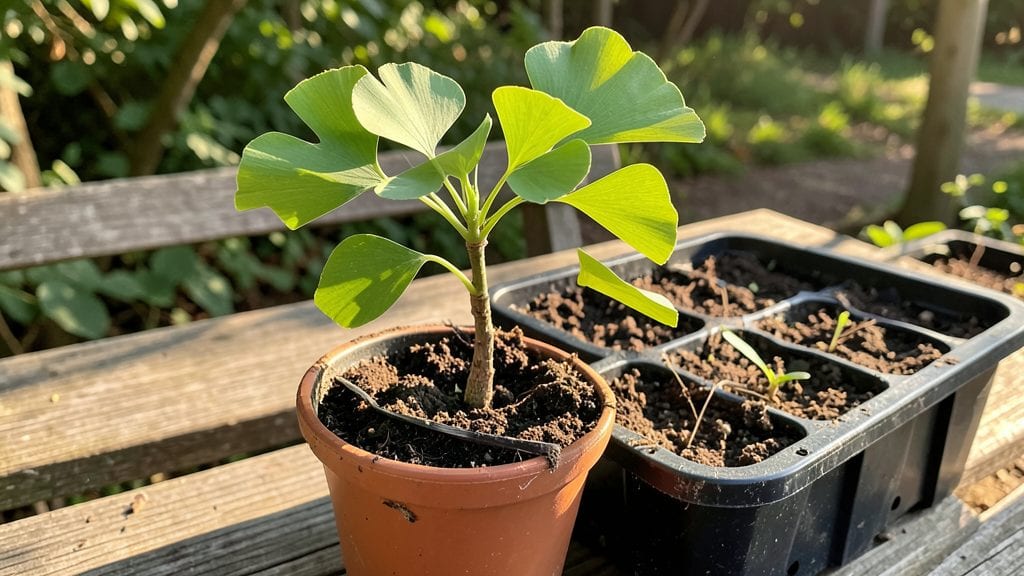
Planting ginkgo seeds with proper stratification cuts germination time from years to months—here's how I do it. 🌱 The key isn't just cold treatment; it's matching moisture, temperature, and timing to mimic the seed's natural dormancy cycle.
My first batch took 14 weeks with this method, while neighbors with untreated seeds waited over a year.
You'll need fresh seeds (green and fleshy when ripe), a mix of potting soil and perlite, and a refrigerator or cold frame. The process starts indoors in fall, where seeds get their cold treatment before moving to pots.
Most people overlook the moisture balance—too wet and they rot; too dry and they won't wake up.
By spring, you'll see tiny roots breaking through the soil, followed by those iconic fan-shaped leaves. The seedlings grow surprisingly fast once established, reaching 3-5 feet in their first year with proper care.
Just don't expect instant trees—ginkgos are patient plants that repay your wait with stunning fall foliage and resilience.
Works for both container starters and direct outdoor planting in mild climates. The same principles apply whether you're growing one as a bonsai or planning a future shade tree. Here's where the real magic happens—letting nature handle the hard work while you provide the perfect conditions.
📚 In This Guide
- What you need
- Instructions
- Tips and common mistakes
- Wrapping up and next steps
What you need
- ● Ginkgo seeds: 1–3 fresh, healthy seeds (harvested in fall, ideally from a Ginkgo biloba tree).
- ● Stratification medium: Potting soil (well-draining, sterilized): 1 small pot (4–6 inches wide) or a seed tray.
- ● OR a mix of: Peat moss or coconut coir: 1 part
- ● Perlite or coarse sand: 1 part (for aeration)
- ● Plastic bag or airtight container: 1 (for cold stratification).
- ● Refrigerator: (Must maintain 35–40°F (2–4°C) for stratification).
- ● Spray bottle: With water (for moisture control).
- ● Small pots or seedling trays: 2–3 (3–4 inches wide) for post-stratification planting.
- ● Grow lights or sunny windowsill: (For warmth and light after germination).
- ● Seed scarification tool: Sandpaper (fine-grit, 220–400) to nick the seed coat if stratification fails.
- ● Humidity dome: Clear plastic cover for trays to retain moisture.
- ● pH test kit: To ensure soil pH is 6.0–7.0 (ginkgos prefer slightly acidic to neutral).
- ● Fertilizer: Balanced 5-5-5 or fish emulsion (diluted to half-strength) for seedlings.
- ○ Heat mat: (Optional for faster germination in warm climates).
How to plant ginkgo seeds with cold stratification for fast sprouting
Skip the years of waiting—this method gets your ginkgo seeds germinating in weeks instead of months.
🌱 Step 1: Harvest and Clean the Seeds
Collect fresh ginkgo seeds when they're fully ripe and have turned golden-yellow. The outer flesh should be soft and easily removable—don't use seeds that are still green or have started to rot. Wear gloves; the flesh stains and smells strongly when crushed.
Peel away the outer fleshy layer by hand, then rinse the seeds thoroughly under cool water to remove any remaining pulp. Pat them dry with a paper towel and let them air-dry for 24 hours in a well-ventilated area. Store them in a sealed container until you're ready to stratify.
💧 Step 2: Perform Cold Stratification for 6-8 Weeks
Place the dried seeds in a ziplock bag with a damp paper towel—just enough moisture so the towel feels like a wrung-out sponge. Seal the bag and make a small hole for airflow. This mimics winter conditions and breaks seed dormancy.
Refrigerate the bag at 35-40°F for 6-8 weeks, checking monthly to ensure the towel stays damp. If mold appears, discard the seeds—they've spoiled. After stratification, the seeds should feel slightly softer when pressed between your fingers.
☀️ Step 3: Plant in Well-Draining Soil
Fill a 4-inch deep pot with a mix of 50% potting soil and 50% perlite—this prevents root rot, which ginkgo seeds hate. Plant each seed 1 inch deep, spacing them 3 inches apart if using multiple pots. Water lightly until the soil feels damp but not soggy.
Place the pots in a bright, indirect light location—direct sun can overheat the soil and kill the seeds. A north-facing window or under a grow light works best. Keep the soil consistently moist, but never waterlogged.
⏰ Step 4: Wait for Germination and Transplant
Germination typically occurs in 4-8 weeks after planting, though some seeds may take longer. You'll see a small shoot emerge first, followed by the root. Once the shoot reaches 2 inches tall, it's time to transplant into a larger 6-inch pot with fresh soil.
Ginkgo seedlings grow slowly at first, so patience is key. After 12 months, you can move them outdoors into a permanent location. Choose a spot with full sun and well-draining soil—they'll reward you with vibrant growth for decades.
Tips & tricks for perfect ginkgo seed germination
A few key strategies that'll help you bypass the years of waiting and get those ginkgo seeds sprouting faster than ever.
Timing Secret: That 24-hour air-drying in Step 1 is crucial—it prevents mold while maintaining seed viability. I learned this the hard way after trying to rush the process and ending up with spoiled seeds. Place them on a wire rack in a well-ventilated area away from direct sunlight. If you're in a humid climate, consider using a fan on low to speed up the drying without damaging the seeds.
Temperature Matters: The 35-40°F range during stratification is non-negotiable for breaking dormancy. I recommend using your refrigerator's crisper drawer—it maintains consistent cold temperatures without the risk of freezing. If your fridge doesn't go below 40°F, a dedicated seed stratification fridge or even a basement can work. The goal is to simulate winter conditions that nature would provide.
Soil Mix Strategy: The 50-50 potting soil to perlite ratio in Step 3 is perfect for preventing root rot while still holding enough moisture. For even better drainage, you can add a thin layer of small pebbles at the bottom of your pot before adding the soil mix. This creates a natural barrier that keeps roots healthy and prevents waterlogging, which is especially important for ginkgo seeds that are sensitive to soggy conditions.
Germination Rescue: If you don't see sprouts within 8 weeks after planting, don't give up! Some ginkgo seeds take longer to germinate. Try gently nicking the seed coat with a sharp knife (just a tiny scratch) to help water penetrate. This trick can make all the difference for stubborn seeds. Just be careful not to damage the seed itself—you're just creating a small opening.
Pro Tips for Planting Ginkgo Seeds
- A few key strategies that'll help you bypass the years of waiting and get those ginkgo seeds sprouting faster than ever.
- Timing Secret: That 24-hour air-drying in Step 1 is crucial—it prevents mold while maintaining seed viability.
- Temperature Matters: The 35-40°F range during stratification is non-negotiable for breaking dormancy.
Frequently asked questions
Got questions about planting ginkgo seeds? You’re not alone!
Here are the most common queries—plus expert tips to help you grow these ancient trees with confidence.
How long does ginkgo seed stratification take?
Stratification typically takes 3–6 months in the fridge (or 6–8 weeks in a cold, moist environment). Ginkgo seeds are slow to germinate, so patience is key! Monitor moisture levels—if the seed mix dries out, germination rates drop. For faster results, some gardeners use a warm-cold cycle (alternating fridge and room temp weekly).
Can I plant ginkgo seeds straight from the tree without stratification?
Nope! Ginkgo seeds require stratification to break dormancy. Planting them fresh often leads to 0% germination. The seed’s tough outer shell needs cold, moist conditions to soften. Skip this step, and you’ll likely end up disappointed. Pro tip: Store seeds in a paper towel (not plastic) during stratification to prevent mold.
What’s the best soil mix for ginkgo seed germination?
Use a light, well-draining mix like:
- 50% peat moss or coco coir
- 30% perlite or coarse sand
- 20% compost or worm castings
Why aren’t my ginkgo seeds sprouting after stratification?
Try these fixes:
- Check seed viability: Soak a few seeds in water for 24 hours—if they sink, they’re likely dead.
- Verify stratification: Ensure seeds stayed consistently moist (not dry) and cold (34°F–40°F / 1°C–4°C).
- Test light conditions: Ginkgo seeds need bright, indirect light (a sunny windowsill or grow light works). Too much shade = weak sprouts.
- Patience: Some seeds take up to a year to germinate! Don’t give up after 3 months.
How big should a ginkgo seedling be before transplanting outdoors?
Wait until your seedling has 3–5 true leaves and is at least 6–12 inches tall. Harden it off for 1–2 weeks before moving it outside—gradually expose it to sunlight and wind. Ginkgos thrive in USDA Zones 4–8; plant in well-draining soil with full sun. Male trees (no messy fruit!) are preferred for urban areas.
Wrapping up and next steps
Planting ginkgo seeds may seem like a slow process, but with the right stratification techniques and patience, you’ll soon be nurturing a majestic tree with ancient roots! 🌱 The key takeaway? Cold stratification is your best friend Whether you’re a seasoned gardener or a curious beginner, these steps make it simple and rewarding.
Now that you’re armed with the know-how, why not take the next step? Grab those seeds, gather your supplies, and give your future ginkgo tree the perfect start! Happy planting—your garden’s heritage is about to grow taller. 🌳✨