
Trees
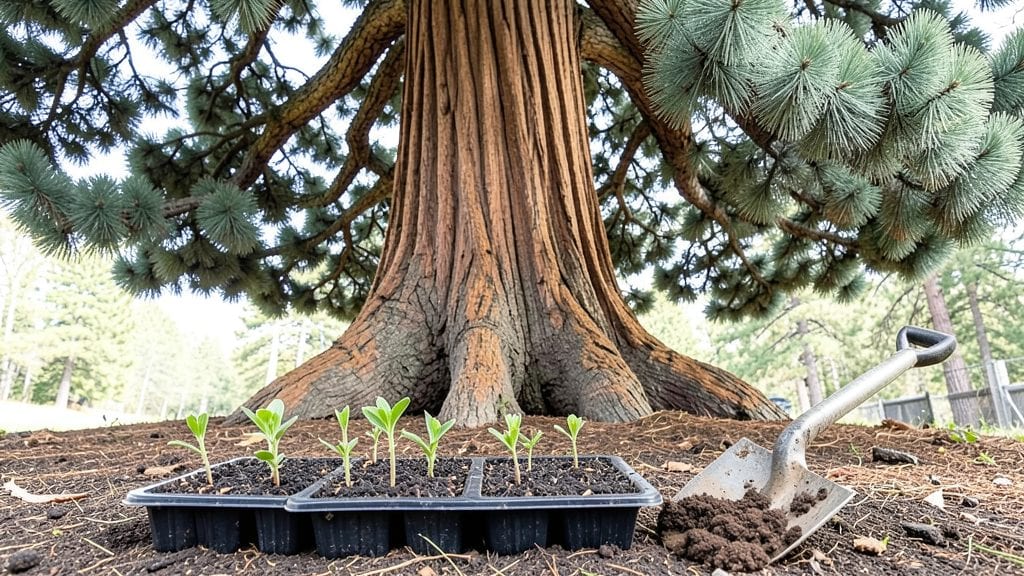
Planting giant sequoias in your backyard means welcoming a living monument that could one day rival California’s redwood forests. 🌿 These trees aren’t just impressive—they’re patient giants, requiring decades to reach their full majesty, but worth every moment of care.
My first attempt taught me that rushing this process leads to disappointment, so I learned to think long-term about space, soil, and sunlight.
The right conditions are everything: well-draining soil, 60+ inches of annual rainfall (or consistent irrigation), and full sun for at least 6 hours daily.
Most homeowners overlook the root space—these trees need at least 20 feet of diameter to spread comfortably, so planting near structures or driveways is a recipe for regret. Start with a bare-root sapling from a reputable nursery, and avoid container-grown trees, which often struggle with transplant shock.
Once planted, the first few years are about nurturing, not results. Keep the soil moist but never soggy, and mulch heavily to retain moisture and regulate temperature. Within 5 years, you’ll see steady growth—thick, dark green needles and a sturdy trunk forming.
By 20 years, your sequoia could be 30 feet tall, though it’ll take centuries to reach its full potential. The real reward? A backyard that feels like a cathedral.
Here’s the catch: sequoias thrive best in coastal or high-elevation climates (USDA Zones 5-8), so inland gardeners may need extra irrigation and wind protection. Patience is key—these trees live for thousands of years, so every step you take now shapes a legacy. Ready to begin?
📚 In This Guide
- What you need
- Instructions
- Tips and common mistakes
- Wrapping up and next steps
What you need
- ● Giant sequoia seedlings or saplings (1–3 years old, 3–5 ft tall for best success; 1–2 plants per location).
- ● High-quality, well-draining soil mix (50% native soil + 50% compost or peat moss; pH 6.0–7.5).
- ● Organic mulch (wood chips, bark, or pine needles; 2–3 inches deep, 3–4 ft radius around the base).
- ● Slow-release fertilizer (balanced 10-10-10 or 20-20-20 NPK, 1–2 lbs per tree).
- ● Watering can or hose with a gentle spray nozzle (or drip irrigation system for efficiency).
- ● Shovel or trowel (for digging planting holes).
- ● Garden gloves (to protect hands from rough bark and soil).
- ● Stakes and soft ties (if planting in windy areas; 2 stakes per tree).
- ● Mycorrhizal fungi (boosts root growth; mix into planting hole).
- ● Tree guard or protective wrap (to shield young trunks from pests/sunburn).
- ● Soil moisture meter (to monitor watering needs).
- ● Pruning shears (for shaping or removing dead branches).
- ● Shade cloth (temporary protection for seedlings in hot climates).
- ● Sunlight: Full sun (6+ hours daily)—giant sequoias love sunlight!
- ● Space: Minimum 30 ft apart (they grow wide!).
- ● Climate: USDA Zones 6–9 (mild winters, cool summers).
- ● Water access: Deep watering 2–3 times per week for the first year.
- ● Patience! These trees grow slowly but live for thousands of years.
Step-by-Step guide to planting giant sequoia trees
Here’s how to give these majestic giants the best start in your landscape.
🌱 Step 1: Select and Prepare the Right Site
Giant sequoias need full sun—at least 6 hours daily—and well-draining, acidic soil with a pH between 5.0 and 7.0. Avoid low-lying areas where water pools, as their roots despise soggy conditions. Test your soil first; if it’s heavy clay, amend with 3-4 inches of compost mixed into the top 12 inches of soil.
These trees thrive in USDA Hardiness Zones 5-7, where winters are cold but not extreme. In warmer climates, they struggle with heat stress. Choose a spot with 6-8 feet of clearance all around—sequoias grow 50-85 feet tall and 10-20 feet wide at maturity, so plan ahead.
🪴 Step 2: Dig the Perfect Planting Hole
Dig a hole twice as wide as the root ball but no deeper than its base. Sequoias hate being buried too deep, which can suffocate roots. Loosen the sides of the hole with a shovel or hands to encourage root spread. If planting multiple trees, space them 20-30 feet apart to allow for their massive canopies.
Gently remove the tree from its container and tease apart any circling roots with your fingers. This prevents girdling as the tree matures. Place the root ball in the hole so the top sits 1-2 inches above ground level. Backfill with the native soil you removed, tamping lightly every 4-6 inches to eliminate air pockets.
💧 Step 3: Water Deeply and Mulch Properly
Water the tree immediately after planting with 5-10 gallons of water, soaking the root zone thoroughly. Sequoias need consistent moisture for the first 2-3 years, so water deeply once a week during dry spells. Let the top 2 inches of soil dry out between waterings to avoid waterlogging.
Apply 3-4 inches of mulch (like wood chips or bark) around the base, keeping it 6 inches away from the trunk to prevent rot. Mulch conserves moisture, regulates soil temperature, and suppresses weeds—critical for young sequoias competing with other plants. Refresh the mulch annually as it breaks down.
☀️ Step 4: Provide Support and Monitor Growth
Young sequoias benefit from staking only if necessary. If the tree leans or sways in wind, install 2-3 stakes buried 12-18 inches deep and tie the trunk loosely with flexible straps. Remove stakes after 1-2 years to avoid girdling. Prune only to remove dead or crossing branches—never "thin" the canopy, as sequoias rely on dense foliage for photosynthesis.
Watch for new growth in spring, which signals the tree is establishing roots. If leaves appear yellow or wilted, adjust watering—either too much or too little can stress the tree. Sequoias grow slowly at first, so patience is key. In 5-10 years, you’ll see rapid vertical growth as the tree matures.
Tips & tricks for planting giant sequoia trees
These game-changing insights will help you avoid common pitfalls and give your sequoias the best possible start in your landscape.
Site Selection Secrets: The 6 hours of daily sun requirement is non-negotiable—sequoias won't thrive with less. I recommend testing your soil's pH before planting; if it's outside the 5.0-7.0 range, amend with sulfur to lower pH or lime to raise it. In Step 1, when choosing your spot, consider future growth—those 50-85 foot heights mean you'll need significant clearance for branches. Mark the area with stakes before digging to visualize the mature tree's footprint.
Root Ball Technique: In Step 2, when teasing apart circling roots, don't just pull—they'll break. Instead, gently separate them with your fingers or a butter knife, working from the outside in. The goal is to encourage outward root growth, not damage the delicate root structure. After planting, the 1-2 inch elevation above ground level is crucial—this prevents root suffocation while allowing proper air circulation at the base.
Watering Wisdom: That initial 5-10 gallons of water in Step 3 isn't just about hydration—it's about settling the soil around the roots. Use a hose with a gentle spray nozzle to avoid displacing the root ball. The once-weekly deep watering schedule should continue for those critical first 2-3 years, but always check that top 2 inches of soil before watering. A simple finger test (insert your finger—if dry at 2 inches, it's time to water) works better than guessing.
Mulching Mastery: The 3-4 inches of mulch in Step 3 serves three critical purposes: moisture retention, temperature regulation, and weed suppression. I prefer wood chips because they break down slowly, but avoid cedar mulch—its natural oils can inhibit root growth. When refreshing mulch annually, pull back the old layer to check for pests or rot before adding fresh mulch. Keep that 6-inch clearance from the trunk sacred—it prevents moisture buildup that leads to rot.
Pro Tips for Planting Giant Sequoia Trees
- These game-changing insights will help you avoid common pitfalls and give your sequoias the best possible start in your landscape.
- Site Selection Secrets: The 6 hours of daily sun requirement is non-negotiable—sequoias won't thrive with less.
- Root Ball Technique: In Step 2, when teasing apart circling roots, don't just pull—they'll break.
Frequently asked questions
Got questions about planting these majestic giants? You’re not alone—giant sequoias are stunning but require special care! Here are answers to the most common queries to help you get started on the right foot.
How long does it take for a giant sequoia to grow to maturity?
A giant sequoia grows slowly—expect about 1 foot per year under ideal conditions. Full maturity (100+ feet tall) can take 500–1,000 years! Plant them now for future generations, but don’t expect instant results. Patience is key with these ancient trees.
Can I plant a giant sequoia in a small backyard?
Giant sequoias need space—at least 30 feet in diameter for their roots and towering height (up to 300+ feet!). If your yard is smaller, consider a dwarf sequoia (like Sequoiadendron giganteum 'Pendulum') or a coast redwood (Sequoia sempervirens), which are more compact. Always check local regulations—some areas restrict planting large species.
What’s the best time of year to plant a giant sequoia?
The ideal window is late fall to early spring (October–March) when soil is moist but not frozen. Avoid extreme heat—sequoias hate drought stress. If you must plant in summer, water deeply 2–3 times per week for the first month to help roots establish.
Are giant sequoias prone to pests or diseases?
While hardy, sequoias can face bark beetles (dry conditions attract them) or root rot in waterlogged soil. To prevent issues:
- Keep soil well-draining (they hate soggy roots!).
- Mulch 3–4 inches deep to retain moisture and deter pests.
- Inspect for chewed needles or sap oozing—early signs of trouble.
Do giant sequoias need full sun, or can they tolerate shade?
They thrive in full sun (6+ hours daily) but can tolerate partial shade (3–6 hours). Avoid deep shade—it weakens growth and increases disease risk. If planting near other trees, ensure your sequoia gets at least 50% sunlight once mature.
Pro Tip: Watering Wisdom
Newly planted sequoias need consistent moisture—water 2–3 times per week for the first year, then taper to once a week (or during dry spells). Overwatering is worse than underwatering; let the top 2 inches of soil dry between waterings.
Wrapping up and next steps
Planting a giant sequoia is a lifelong commitment—but what an incredible one! These majestic trees aren’t just a legacy for future generations; they’re a symbol of resilience, beauty, and the power of nature.
Whether you’re a seasoned gardener or a first-time planter, every seedling you nurture today will one day reach for the sky, literally. 🌲✨
Ready to take the next step? Start by researching local nurseries that specialize in sequoia seedlings, or connect with conservation groups to learn about restoration projects. Your backyard—or even a community space—could soon be home to a towering giant. Plant today, and watch the future grow!