
Flowers
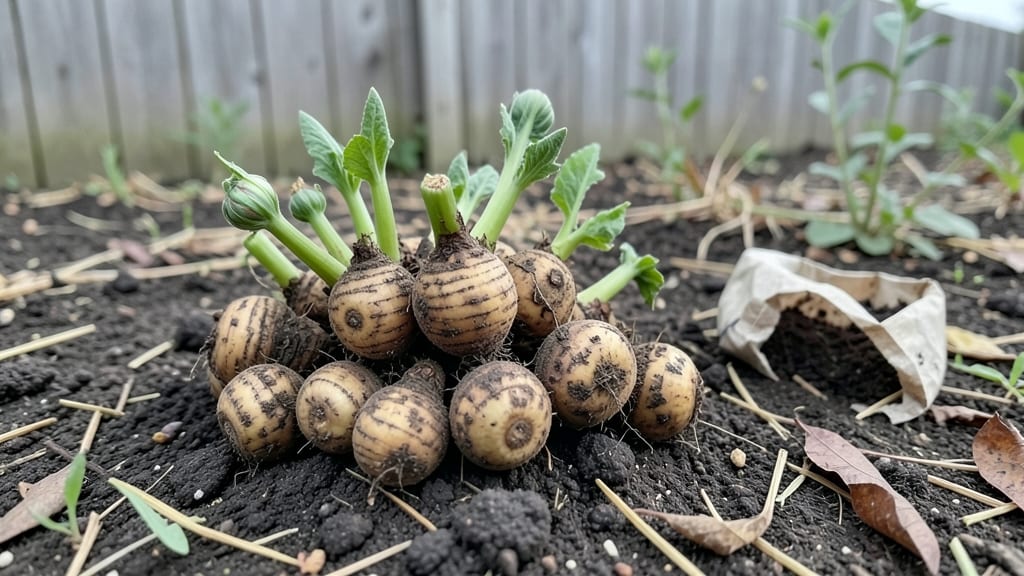
Planting dahlia corms at the right depth and spacing is the secret to those jaw-dropping blooms that make neighbors stop and stare. I’ve dug up enough floppy stems and half-hearted flowers to know—get this step wrong, and you’ll spend summer admiring the foliage instead of the showstopper blooms.
The magic happens when you plant them 4-6 inches deep in well-draining soil, with 12-18 inches between corms for air circulation. That’s not just a rule; it’s the difference between a garden center pot and a front-row display.
Here’s the thing—dahlias hate soggy feet and crowded roots, so skip the rich compost pile and focus on loose, fertile soil mixed with a handful of perlite or sand.
A sunny spot with at least 6 hours of direct light is non-negotiable, and timing matters too: wait until the soil warms to 60°F before planting, usually 2-3 weeks after your last frost.
I’ve learned the hard way that rushing leads to rot, while waiting too long means stunted growth. Think of it like prepping for a big performance—everything needs to be just right.
Once planted, water deeply but let the top inch dry between soakings—overwatering is the #1 killer of dahlia corms.
Within 6-8 weeks, you’ll see those first lush green shoots pushing through the soil, and by midsummer, you’ll be snipping blooms for arrangements that look like they came from a florist. The real payoff?
Dahlias multiply every year, so your investment in proper planting now means free corms for decades to come. No green thumb required—just patience and these simple steps.
Now, here’s where it gets interesting: dahlias aren’t one-size-fits-all. Tall varieties need staking, while dwarf types thrive in containers—so choose your spot wisely. And if you’re in a cooler climate, treat them as annuals and dig up the corms in fall to overwinter indoors.
The key is starting strong, and once you master this, you’ll never buy cut flowers again. Let’s get those corms in the ground right.
📚 In This Guide
- What you need
- Instructions
- Tips and common mistakes
- Wrapping up and next steps
What you need
- ● Dahlia corms: 1–10+ (depending on desired garden size; choose healthy, firm corms with visible "eyes").
- ● Well-draining soil: Mix of garden soil + compost (or potting mix for containers).
- ● Sunlight: 6+ hours of full sun daily (partial shade in hot climates).
- ● Watering can or hose: With a gentle spray nozzle for post-planting care.
- ● Fertilizer: Balanced 10-10-10 or organic options (like compost tea or bone meal).
- ● Mulch (straw or shredded leaves) to retain moisture.
- ● Stakes or cages (3–4 ft tall) for tall varieties.
- ● Garden gloves (to protect hands from prickly stems).
- ● Slow-release fertilizer tablets (for containers).
- ● pH test kit (ideal range: 6.5–7.0).
Instructions for planting dahlia corms with perfect depth and spacing
Here’s how to plant dahlia corms for vibrant, long-lasting blooms every season.
Choose the Right Location and Prepare the Soil
Dahlias thrive in full sun—pick a spot that gets at least 6 hours of direct sunlight daily. Avoid low-lying areas where cold air settles, as dahlia corms are frost-sensitive. Work the soil to a depth of 12 inches, breaking up any compacted layers so roots can spread easily.
Incorporate 2-3 inches of compost into the top 6 inches of soil to improve drainage and fertility. Dahlias hate soggy roots, so if your soil drains poorly, mix in sand or perlite to lighten it. A soil test before planting ensures the pH is between 6.5 and 7.0—dahlias perform best in neutral soil.
Plant Corms at the Correct Depth and Spacing
Dahlia corms should be planted 4-6 inches deep, depending on your climate. In warmer zones, plant them 4 inches deep; in cooler areas, go 6 inches deep to protect against late frosts. The "eyes" (small buds) on the corm should face upward—this is where the stems will emerge.
Space corms 12-18 inches apart in rows 18-24 inches apart for proper airflow and easy maintenance. Crowding leads to weak stems and fewer blooms. If planting in containers, use a 5-gallon pot per corm and ensure it has drainage holes. I always mark the planting spots with small stakes to avoid disturbing the corms later.
Water and Mulch for Healthy Growth
After planting, water deeply to settle the soil around the corms. Keep the soil evenly moist but not soggy—dahlias are drought-tolerant once established, but corms need consistent moisture to sprout. A drip irrigation system or soaker hose works best to avoid wetting the foliage, which can invite fungal diseases.
Apply 2-3 inches of mulch (like straw or shredded leaves) around the base of the plants to retain moisture and regulate soil temperature. Mulch also suppresses weeds, which compete for nutrients. Replenish mulch as it breaks down throughout the growing season. You’ll know you’re on track when new shoots appear in 4-6 weeks.
Stake and Support for Strong Stems
Dahlias grow tall and top-heavy, so install stakes or cages at planting time to avoid damaging roots later. Use 5-6 foot stakes for standard dahlias and 3-4 foot stakes for dwarf varieties. Tie stems loosely with soft plant ties or old pantyhose as they grow—tight ties can restrict growth.
Pinch back the central stem when it reaches 12 inches tall to encourage bushier growth and more blooms. This step is crucial for compact, sturdy plants. Watch for first true leaves—they’ll appear bright green and healthy if the corms are planted correctly. Weak or yellowing leaves signal overwatering or poor drainage.
Fertilize and Maintain for Abundant Blooms
Feed dahlias with a balanced fertilizer (like 10-10-10) 4-6 weeks after planting, then every 4-6 weeks through the growing season. Too much nitrogen produces lush foliage but fewer blooms. I switch to a low-nitrogen, high-phosphorus fertilizer (like 5-10-10) once buds form to encourage flowering.
Deadhead spent blooms regularly to redirect energy into new flowers. Cut stems back to the first set of leaves below the bloom. In fall, when foliage yellows, cut back stems to 6 inches above the soil and leave the corms in the ground if your winters are mild. In colder climates, dig up corms after the first frost, trim stems, and store them in a cool, dry place until spring.
Tips & tricks for perfect dahlia planting
These proven strategies will help you avoid common mistakes and maximize your dahlia blooms.
Soil Preparation Secret: Don't just add compost to the top layer—in Step 1, mix that 2-3 inches of compost into the top 6 inches of soil. This creates a nutrient-rich zone where dahlia roots will spread. I've found that adding a handful of bone meal to this layer provides extra phosphorus for strong root development. The 12-inch deep soil loosening is crucial too—compacted soil restricts root growth and leads to weaker plants.
Depth and Climate Strategy: In Step 2, the 4-6 inch planting depth isn't just arbitrary—it's about protecting those corms from temperature swings. In warmer zones, 4 inches is perfect, but in cooler areas, going deeper to 6 inches gives that extra frost protection. Here's what I do: I plant all my corms at 5 inches as a compromise, then add an extra inch of mulch in colder climates. This way, I'm covered regardless of where I garden.
Watering Wisdom: After planting, that deep watering in Step 3 should settle the soil completely around the corms. I use a garden hose with a gentle spray setting to avoid displacing the corms. The key is to keep soil evenly moist but never soggy—think of it like a well-wrung sponge. I've learned the hard way that soggy soil leads to rot, especially when combined with poor drainage. If your soil drains slowly, consider adding that perlite or sand recommendation from Step 1 before planting.
Growth Timeline: The 4-6 week window for shoot emergence in Step 3 is your first real feedback on whether everything is right. If you're not seeing shoots by week 6, check your planting depth—too deep can delay sprouting. I've found that keeping a planting journal helps track progress. Mark each corm's location with a small stake and note the date you planted it. This makes it easy to monitor which corms are performing well and which might need adjustments next year.
Pro Tips for Planting Dahlia Corms
- These proven strategies will help you avoid common mistakes and maximize your dahlia blooms.
- Soil Preparation Secret: Don't just add compost to the top layer—in Step 1, mix that 2-3 inches of compost into the top 6 inches of soil.
- Depth and Climate Strategy: In Step 2, the 4-6 inch planting depth isn't just arbitrary—it's about protecting those corms from temperature swings.
Frequently asked questions
Got questions about planting dahlia corms? You’re not alone! Here are some of the most common queries—plus expert answers to help you grow show-stopping blooms with confidence.
When is the best time to plant dahlia corms?
Dahlia corms thrive when soil temperatures reach at least 60°F (15°C). In most regions, this means planting 2-4 weeks after your last frost date (typically April–May in the U.S.). If you’re in a colder climate, wait until nighttime temps stay above freezing to avoid frost damage. Pro tip: Use a soil thermometer to double-check!
How deep should I plant dahlia corms?
Plant corms 4–6 inches deep—deeper in hot climates (6+ inches) to prevent them from baking in the sun. The "eyes" (buds) should face upward, about 2 inches below the soil surface. Over-planting can rot corms, while shallow planting may expose them to temperature swings. Need help? Adjust depth based on your zone!
What’s the ideal spacing for dahlia corms?
Space corms 12–24 inches apart, depending on variety. Dwarf dahlias (12–18 inches) work well in containers or small gardens, while giant varieties (24+ inches) need room to sprawl. Overcrowding leads to weak stems and fewer blooms. Bonus: Use a grid or stakes to mark planting spots for precision!
Can I plant dahlia corms too late in the season?
Yes, but with caution! Planting after July or August risks corms not establishing roots before winter. If you must, choose early-maturing varieties or plant in containers to move indoors if frost threatens. Late blooms may still form, but next year’s growth could suffer. Plan ahead: Start corms indoors 6–8 weeks before your last frost for a head start!
Why aren’t my dahlia corms sprouting?
Common culprits include cold soil, rot (from overwatering), or dormant corms (they need warmth to wake up). Check for firm, plump corms—shriveled ones may be dead. If planted correctly but still slow, try soaking in lukewarm water for 24 hours before replanting. Patience is key; some varieties take 3–4 weeks to sprout!
Can I reuse last year’s dahlia corms?
Dahlia corms are perennial
in warm climates (Zones 8–11) and can be dug, stored, and replanted for years. In colder areas, dig them after frost, trim stems, cure in a dry place, and store in cool (40–50°F), dark conditions until spring. Just avoid replanting soft or mushy corms—they’re likely rotting.
Wrapping up and next steps
Planting dahlia corms is your ticket to a showstopping garden—just follow the proven depth and spacing tips to unlock vibrant blooms all season! With the right soil prep, timing, and care, these stunning flowers will reward you with dramatic color and effortless beauty.
Now that you’re armed with expert advice, grab your gloves and get ready to transform your outdoor space!
Next step: Mark your calendar for spring planting (after the last frost) or fall (6 weeks before first frost), and watch your dahlias thrive! 🌸