
Planting
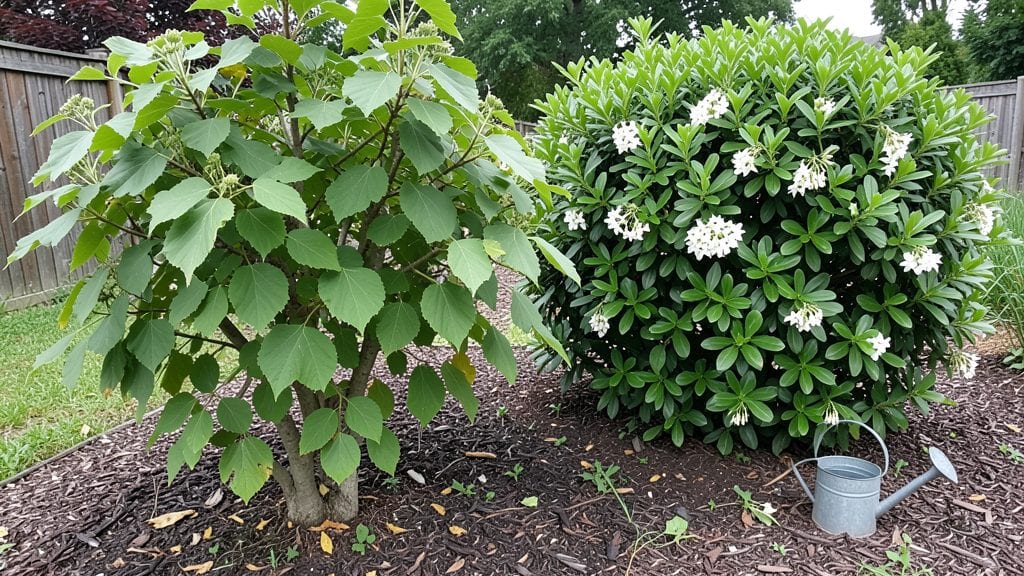
Planting trees and shrubs the right way means your landscape will thrive for decades—not just a few seasons.
I’ve learned that the difference between a struggling plant and one that grows strong lies in the details: choosing the perfect spot, prepping the soil just right, and giving them the right start. The best time to plant?
Early spring or fall, when roots can settle without the stress of summer heat or winter freeze.
You’ll need basic tools—a shovel, gloves, and maybe a wheelbarrow for heavy soil—but the real secret is patience. Digging too deep or planting too close to the house can spell trouble later.
My first mistake was rushing the hole, and now I measure twice: the hole should be twice as wide as the root ball but only as deep. Watering right after planting keeps the soil snug around the roots, eliminating air pockets that stunt growth.
What you’ll get is a landscape that stays lush and healthy year after year. The trees will cast shade where you need it, the shrubs will fill in gaps naturally, and you’ll spend less time fixing mistakes.
Within a few seasons, your yard will look like it belongs in a magazine—not because of luck, but because of the right techniques from day one.
This works for any yard size, from small urban lots to spacious backyards. The key is adapting the approach to your space and climate. Whether you’re planting a single shade tree or a hedge row, these steps keep everything growing strong.
Let’s get those roots in the ground the right way.
📚 In This Guide
- What you need
- Instructions
- Tips and common mistakes
- Wrapping up and next steps
What you need
- ● Plants: Trees and shrubs (quantities based on your design—check tags for spacing guidelines).
- ● Shovel or spade: A sturdy digging shovel (18-24" blade) for planting holes.
- ● Garden trowel: For finer adjustments (6-8" blade).
- ● Pruning shears: Sharp, bypass-style shears for trimming.
- ● Mulch: Organic (wood chips) or inorganic (gravel)—2-4 inches per plant.
- ● Compost or fertilizer: Balanced (10-10-10) or slow-release for nutrient boost.
- ● Watering can or hose: With a gentle spray nozzle for hydration.
- ● Gloves: Heavy-duty gardening gloves to protect your hands.
- ● Measuring tape: For precise spacing (critical for shrubs!).
- ○ Stakes or plant supports: (Optional but helpful for young trees).
- ● Soil amendment: Sand or peat moss if your soil is heavy/clay.
- ● Root stimulator: Liquid or powder to encourage growth.
- ● Plant tags: For tracking varieties and care needs.
- ● Wheelbarrow: For hauling mulch, soil, or tools.
- ● Knee pads: Because comfort matters! 😉
Instructions for planting trees and shrubs like a pro
Here’s the straightforward method I’ve used for decades—works for both trees and shrubs.
Dig the Right-Sized Hole
Measure the root ball’s diameter and dig a hole twice as wide as the container or root ball. The depth should match the root ball’s height—never deeper, or roots will suffocate. Loosen the sides of the hole with a shovel to encourage root spread.
I like to step into the hole to check depth—if my shoes touch the bottom, it’s too deep. The top of the root ball should sit 1-2 inches above ground level after planting. This prevents water from pooling around the stem and causing rot.
Real talk: I’ve seen people dig holes too small, forcing roots to circle instead of spreading outward. That’s a recipe for weak growth. Take your time here—it’s the foundation for everything that follows.
Prepare the Root Ball and Backfill
Remove the plant from its container and gently loosen any circling roots with your fingers. If roots are tightly bound, score them with a knife to encourage outward growth. This step is especially important for container-grown plants that develop root-bound systems.
Mix the native soil you removed with compost (about 1 part compost to 3 parts soil) to improve drainage and fertility. Place the plant in the hole and fill around the root ball with this mixture, tamping lightly to remove air pockets. Never pack it down like concrete—roots need space to breathe.
Here’s the thing—if you skip the compost, your plant will struggle to establish itself. The extra nutrients give it the boost it needs during its first critical growing season.
Water Deeply and Mulch Correctly
After planting, water slowly and deeply until the soil is saturated to 12 inches down. You’ll know it’s enough when water runs out the bottom of the hole. This step is non-negotiable—dry soil means roots won’t establish properly.
Spread 3 inches of mulch over the soil surface, keeping it 6 inches away from the trunk or stem. Mulch retains moisture, regulates soil temperature, and suppresses weeds. I use shredded bark or wood chips because they break down slowly and improve soil structure over time.
Don’t skip mulching—it’s one of the easiest ways to protect your investment. Just avoid piling it against the trunk, or it can trap moisture and cause rot.
Stake and Protect Young Plants
If your tree or shrub is tall or top-heavy, install 2 stakes on opposite sides of the plant and loosely tie it to them with soft fabric strips (never wire—it can girdle the stem). The goal is to provide support without restricting growth. Adjust the ties as the plant grows to avoid cutting into the bark.
For shrubs or smaller trees, staking isn’t always necessary. Watch for leaning or wobbling—if it happens, support is needed. I’ve seen too many plants snap in windstorms because they weren’t secured properly.
This is the moment that matters: securing the plant now means it’ll stand strong for years to come. Take 10 minutes to do it right, and you’ll thank yourself later.
Tips & tricks for planting trees and shrubs like a pro
These little details make all the difference between a plant that thrives and one that struggles—trust me, I've seen both.
The Hole Depth Test: That 1-2 inch rule above ground level isn't just arbitrary—it's about preventing rot. I've seen too many new plantings fail because water pooled around the stem. After digging, use your shovel to create a slight mound of soil around the edges of the hole. This creates a natural barrier that keeps water flowing away from the trunk.
Root Loosening Technique: When scoring tightly bound roots in Step 2, don't go crazy with the knife. Just make 2-3 shallow cuts around the root ball—this encourages outward growth without damaging the roots. I like to think of it as giving the roots a gentle nudge in the right direction. For container-grown plants, this step is absolutely critical for preventing that dreaded circling root pattern.
Watering Wisdom: The 12-inch saturation depth in Step 3 might seem like a lot, but it's essential for root establishment. Use a long-handled shovel to check how far down the water penetrates—you'll be amazed at how much moisture you need. I've found that watering slowly over 10-15 minutes works better than pouring quickly. This gives the soil time to absorb properly rather than just running off.
Staking Strategy: Those 10 minutes you spend staking in Step 4 can save your plant from disaster. If you're unsure whether to stake, ask yourself: "Could this plant fall over in a moderate breeze?" If the answer is yes, stake it. I've seen beautiful young trees snap like twigs in windstorms because they weren't properly secured. Use soft fabric ties that you can easily adjust as the plant grows—never wire, which can cut into the bark as the plant thickens.
Pro Tips for Plant Trees Shrubs
- These little details make all the difference between a plant that thrives and one that struggles—trust me, I've seen both.
- The Hole Depth Test: That 1-2 inch rule above ground level isn't just arbitrary—it's about preventing rot.
- Root Loosening Technique: When scoring tightly bound roots in Step 2, don't go crazy with the knife.
Frequently asked questions
Got questions about planting trees and shrubs? You’re not alone—let’s clear up the most common concerns so you can get started with confidence! Whether you’re a seasoned gardener or just dipping your toes into landscaping, these answers will help you avoid common pitfalls and plant with ease.
What’s the best time of year to plant trees and shrubs?
The ideal time depends on your climate, but early spring or fall (before hard frosts) is best for most regions. Trees and shrubs establish roots during cooler weather, which helps them survive the first year. Evergreens can tolerate winter planting in mild climates, but avoid extreme heat or drought periods—your plants will thank you!
How often should I water newly planted trees and shrubs?
Newly planted trees and shrubs need consistent moisture—aim for 1–2 inches of water per week, either from rain or manual watering. For the first month, water deeply every 3–5 days to encourage root growth. After that, taper off to weekly deep soaks (unless your soil is sandy, in which case check moisture more often). Mulch helps retain water, so apply a 2–3 inch layer around the base (avoid piling it against the trunk!)
Can I plant trees and shrubs in containers or small spaces?
Many dwarf varieties (like dwarf fruit trees or compact shrubs) thrive in containers or small gardens. Just ensure your pot has drainage holes and use well-draining soil. For ground-level planting in tight spaces, opt for shallow-rooted species like boxwoods or azaleas. Pro tip: Prune regularly to control size and shape if needed.
How do I deal with pests or diseases after planting?
Prevention is key! Start by choosing healthy plants and avoid overwatering (which invites fungus). If pests like aphids or deer show up, try natural remedies first—spray with soapy water or use physical barriers (like netting). For diseases, remove infected leaves immediately and improve airflow around your plants. Regular inspections (every 2–4 weeks) help catch issues early!
What if I planted too late in the season?
Don’t worry—you can still plant! Focus on younger, smaller plants (they recover faster) and give them extra protection. Wrap the trunk in burlap or use mulch blankets to insulate roots. If ground is frozen, wait until spring, but container plants can often survive winter with proper care. Just avoid planting in extreme cold—patience pays off!
Wrapping up and next steps
Planting trees and shrubs is a rewarding way to enhance your landscape while supporting the environment! 🌿 By choosing the right plants for each season, preparing the soil, and following proper techniques, you’ll create a thriving, long-lasting outdoor space.
Whether you're a beginner or a seasoned gardener, every small effort makes a big difference—so grab your tools and get growing!
Ready to take the next step? Start small:
- Pick one or two plants that suit your climate and space.
- Check local nurseries for seasonal deals or native species.
- Sketch a simple planting plan to visualize your dream landscape!