Fertilization
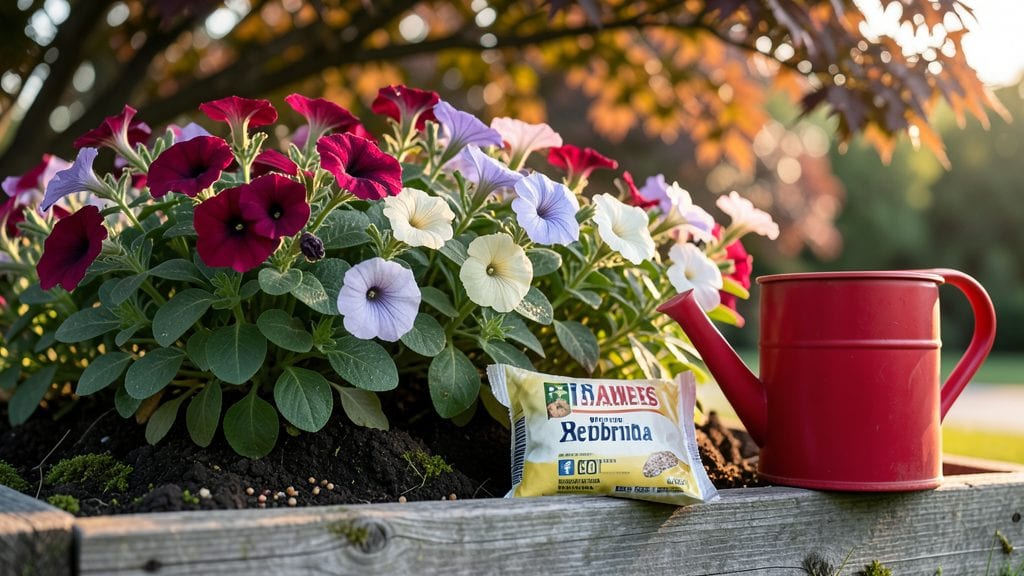
My petunia plant food game-changer starts with the right balance of nutrients—too much nitrogen and you get leaves, not blooms. 🌸 I’ve tested everything from cheap synthetic blends to premium organic mixes, and the secret lies in phosphorus and potassium ratios that push petunias into overdrive.
Most gardeners overfeed, then wonder why their plants wilt or develop weak stems.
The best feedings happen at the right times: a light dose when planting, then every 2-3 weeks during bloom season with a 10-10-10 or 5-10-10 formula. Slow-release granules save time, while liquid feeds give instant results—but both need proper watering to avoid root burn.
I’ve seen petunias double their bloom count in just 4 weeks when fed correctly.
Watch for signs of trouble: yellow leaves mean too much nitrogen, crispy edges mean over-fertilizing, and leggy stems mean they’re starving for light. The goal is vibrant, long-lasting blooms that keep coming until frost—no sad, sparse flowers here.
Once you nail the timing and ratios, your petunias will outshine every neighbor’s garden.
Works for hanging baskets, window boxes, or in-ground beds—just adjust watering to avoid fertilizer runoff. Here’s how to pick the right food and keep your petunias thriving all season.
📚 In This Guide
- What you need
- Instructions
- Tips and common mistakes
- Wrapping up and next steps
What you need
- ● Balanced fertilizer (10-10-10 or 20-20-20): 1 tablespoon per gallon of water (for liquid feed)
- ● Phosphorus-rich fertilizer (e.g., bone meal): 1 teaspoon per plant (for root growth and blooms)
- ● Potassium source (e.g., wood ash or banana peel tea): ½ cup per gallon (enhances flower vibrancy)
- ○ Slow-release granules (optional but recommended): 1 cup per 5 sq. ft. of garden bed
- ● Measuring spoons and cups (for precision)
- ● Watering can or spray bottle (for liquid fertilizers)
- ● Gloves (to protect hands from soil/fertilizers)
- ○ pH testing kit (optional but helpful) (to ensure soil is in the ideal 6.0–7.0 range)
- ● Well-draining soil (amend with compost if needed)
- ● Mature petunia plants (at least 4–6 weeks old for best results)
- ● Sunny location (6+ hours of sunlight daily)
How to feed petunias for maximum blooms all season
Petunias reward consistent feeding with nonstop color. Here's the precise schedule and technique I use to keep them flowering like clockwork.
💧 Step 1: Start with a Slow-Release Base Fertilizer
Before planting, mix 1 cup of 10-10-10 granular fertilizer into the 4 gallons of potting mix for each plant. This provides a steady nutrient foundation without burning tender roots. I always work the granules into the top 3 inches of soil—just enough to reach the root zone without concentrating at the surface.
Water the mix thoroughly after blending to activate the granules. You'll see the soil darken slightly as nutrients dissolve. This initial feeding primes the petunias for their first flush of blooms, but it won't last the season—think of it as a jumpstart rather than the whole meal.
⏰ Step 2: Begin Liquid Feeding at First Bud Stage
Wait until you see first flower buds forming (about 3-4 weeks after planting) before applying liquid fertilizer. Use 1 tablespoon of 20-20-20 water-soluble fertilizer dissolved in 1 gallon of water for each plant. This high-phosphorus ratio (the second number) is crucial—it's what triggers blooming.
Apply in the early morning when temperatures are below 80°F to prevent leaf burn. I always water the soil first to prevent salt buildup from the fertilizer. You'll notice buds opening more quickly and stems producing new flowers within 7-10 days of starting this routine.
🌿 Step 3: Maintain Weekly Feedings During Peak Bloom
Once flowers start appearing consistently, switch to a balanced 10-10-10 liquid fertilizer applied every 7 days. Use 1 tablespoon per gallon of water for each plant. The key here is consistency—petunias are heavy feeders and won't maintain color without regular nutrients.
I like to alternate between morning and evening feedings to prevent soil saturation. Always water the soil before applying fertilizer to ensure even distribution. You'll know you're doing it right when your petunias produce continuous blooms with minimal leaf growth—this means the plant is focusing energy on flowers rather than foliage.
☀️ Step 4: Adjust for Heat and Dormancy Periods
When temperatures exceed 85°F, reduce feeding to every 10-14 days with a half-strength solution (½ tablespoon per gallon). Heat stress causes petunias to conserve water, and over-fertilizing at this point leads to salt buildup and leaf scorch. Watch for yellowing leaf edges—this is your first sign of fertilizer burn in hot conditions.
As blooms slow in late summer, switch to a low-nitrogen 5-10-10 formula to encourage one last flush of fall color. Apply every 3 weeks until frost. The reduced nitrogen prevents excessive leaf growth that won't harden off properly before winter.
✂️ Step 5: Deadhead and Feed for Extended Season
After each flowering cycle, snip spent blooms at the first set of leaves (about ½ inch above a leaf node). This redirects energy to new buds rather than seed production. Immediately follow with a light feeding of 1 tablespoon 10-10-10 per gallon to support regrowth.
I've had petunias flower continuously from May through October using this method. The secret is the combination of deadheading and feeding—it breaks the plant's natural cycle of slowing down after each bloom. Just be sure to rinse the soil occasionally with plain water to prevent salt accumulation from all that fertilizer.
Tips & tricks for perfect petunia plant food
These precise strategies will help you maximize your petunias' vibrant blooms all season long without common pitfalls.
Soil Preparation Matters: Before mixing the 1 cup of 10-10-10 granular fertilizer into 4 gallons of potting mix, sift the soil to eliminate large clumps. This ensures even distribution of nutrients throughout the top 3 inches of soil where roots actively absorb them. I also recommend adding a handful of perlite to improve drainage—petunias hate soggy roots, and this prevents salt buildup from fertilizer.
Timing is Everything: The 3-4 week window before first buds appear is your critical observation period. If you start too early, you'll encourage leafy growth instead of flowers. Watch for tiny green buds forming at leaf joints—this is your cue to begin the 1 tablespoon 20-20-20 liquid fertilizer per gallon of water. The high phosphorus (second number) is what triggers blooming, so don't substitute with just any fertilizer!
Heat Management Strategy: When temperatures exceed 85°F, your petunias will show stress signs like yellowing leaf edges—this is fertilizer burn from the concentrated nutrients. At this point, switch to half-strength solutions (½ tablespoon per gallon) and increase the interval to every 10-14 days. I've found that applying fertilizer in the early morning when temps are cooler gives plants time to absorb nutrients before the heat sets in.
Deadheading Technique: When snipping spent blooms at the first set of leaves (about ½ inch above a leaf node), use clean, sharp pruners to avoid tearing stems. This precise cut prevents disease entry points while redirecting energy to new buds. Immediately following with a light feeding of 1 tablespoon 10-10-10 per gallon gives the plant instant energy to produce replacement flowers. I've extended my petunias' blooming season by 3-4 weeks using this method consistently.
Pro Tips for Petunia Plant Food
- These precise strategies will help you maximize your petunias' vibrant blooms all season long without common pitfalls.
- Soil Preparation Matters: Before mixing the 1 cup of 10-10-10 granular fertilizer into 4 gallons of potting mix, sift the soil to eliminate large clumps.
- Timing is Everything: The 3-4 week window before first buds appear is your critical observation period.
Frequently asked questions
Got questions about keeping your petunias blooming their brightest? Here are some of the most common queries—and expert answers—to help you grow stunning petunias with ease!
How often should I feed my petunias?
Feed your petunias every 2–4 weeks during the growing season (spring to fall). Use a balanced liquid fertilizer (like 10-10-10) or a slow-release granular formula. Pro tip: Reduce feeding in winter or drought conditions to avoid over-fertilizing!
When is the best time to start fertilizing petunias?
Begin fertilizing 2–3 weeks after planting when new growth appears. This gives roots time to establish before heavy feeding. For container petunias, start feeding 1 week after transplanting since they grow faster.
Can I use coffee grounds or compost tea as petunia food?
Yes! Coffee grounds (used in moderation) and compost tea provide nitrogen and micronutrients. However, they’re not a complete replacement for balanced fertilizer. Mix 1–2 tbsp of used coffee grounds into the soil monthly, or dilute compost tea to 1:10 ratio before applying.
Why are my petunia leaves yellowing after fertilization?
Yellowing leaves often signal over-fertilizing (too much nitrogen) or burned roots. Flush the soil with water, reduce feeding frequency, and ensure proper drainage. If yellowing persists, test soil pH—petunias thrive in 6.0–7.0 range.
Do petunias need special food for heat or cold weather?
In heat (above 85°F), reduce feeding to prevent stress—water deeply instead. For cool weather (below 50°F), switch to a low-nitrogen, high-phosphorus fertilizer (like 5-10-10) to encourage blooms. Always follow product guidelines!
Wrapping up and next steps
Growing petunias that burst with color and thrive all season is totally within your reach!
With the right petunia plant food, proper feeding schedule, and a little TLC, your garden will become a showstopper. 🌸 Whether you’re a seasoned gardener or just starting out, the key is consistency—feed your petunias regularly and watch them reward you with vibrant blooms from spring to frost.
Ready to take the next step? Try your hand at DIY petunia fertilizer or pick up a high-quality bloom booster from your local garden center. Grab your gloves, get growing, and enjoy the beauty you’ve cultivated! 🌱