Plants
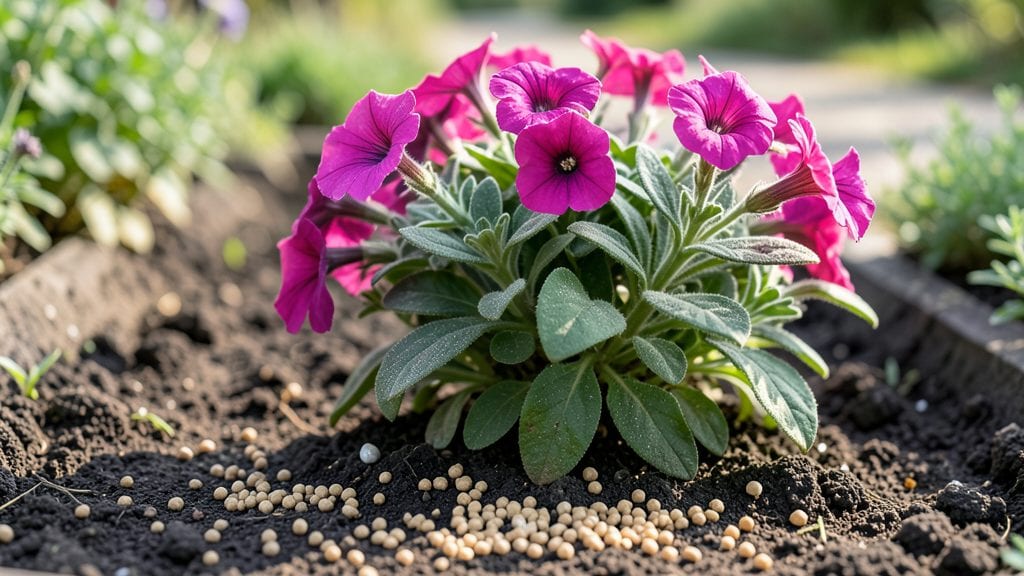
A petunia plant fertilizer packed with potassium is the game-changer behind those bold, long-lasting blooms you’ve been dreaming of—especially in Zone 6a where summer heat can drain the soil fast.
Struggling to keep your petunias 🌸 blooming all season long? The secret isn’t just water—it’s the right fertilizer, especially one packed with potassium to fuel vibrant, long-lasting flowers. I’ve seen gardeners spend hours deadheading only to watch their plants fizzle out by August because they missed this key step.
Potassium isn’t just about bigger blooms—it’s what keeps your petunias resilient against heat stress and disease. A 10-20-20 blend (high in potassium) or even a simple banana peel compost tea can transform your garden from sparse stems to a flowering powerhouse in just a few feedings.
Here’s how to pick the perfect fertilizer, when to apply it (without burning your plants), and the DIY recipes that’ll save you money while keeping your petunias thriving until frost.


Why high-potassium fertilizer is essential for petunia blooms
If your petunias are struggling to produce bold, vibrant blooms despite your best efforts, the issue might be a potassium deficiency. This essential nutrient is the secret weapon for petunias, directly influencing flower production, root strength, and disease resistance.
Without enough potassium, even well-watered and sun-drenched petunias will produce sparse, weak flowers and wilt under stress.
Potassium acts like a battery charger for your petunias, helping them absorb water, transport nutrients, and fight off pests. A 5-10-5 or 10-20-20 fertilizer blend delivers the perfect balance—just enough nitrogen for leafy growth, phosphorus for root development, and potassium for show-stopping blooms that last all season.
Without it, your petunias might look lush but fail to deliver the dramatic floral displays you’re dreaming of.
Here’s the science behind why potassium is a game-changer for petunias: It regulates osmotic pressure in plant cells, ensuring they stay hydrated and firm even in hot, dry conditions. This means fewer droopy flowers on scorching afternoons and better stress recovery after rain or wind.
Potassium also boosts antioxidant production, helping petunias resist fungal infections like powdery mildew, which can devastate blooms.
Think of potassium as the glue that holds your petunia’s flowering potential together. Without it, you might see smaller blooms, paler colors, or flowers that fall off prematurely. A high-potassium fertilizer ensures your petunias invest energy in producing more flowers rather than just leafy stems.
For example, a 10-20-20 blend provides twice the potassium of a balanced 10-10-10, making it ideal for peak blooming seasons when petunias are pushing out hundreds of flowers.
Now, let’s break down exactly how potassium works its magic in petunias with this quick reference:
| Nutrient Role | Petunia Benefit | Signs of Deficiency | Ideal Fertilizer Blend |
|---|---|---|---|
| Flower Production | Boosts bloom size and color vibrancy | Small, sparse flowers; buds drop early | 10-20-20 or 5-10-5 |
| Root Strength | Enhances root development and water uptake | Wilting even with adequate water; weak stems | 5-10-10 or 7-7-7 |
| Disease Resistance | Strengthens cell walls against fungus and pests | Yellowing leaves; powdery mildew spots | 0-0-50 (potassium-only) or 10-10-20 |
| Stress Tolerance | Helps petunias recover from heat/drought | Drooping leaves; stunted growth | 14-14-14 with extra potassium |
| Color Intensity | Enhances pigment production for brighter blooms | Pale, washed-out flowers | 5-10-10 with micronutrients |
One common myth is that more nitrogen equals more flowers, but that’s far from the truth. Too much nitrogen leads to leafy, leggy petunias with fewer blooms. Potassium, however, redirects energy toward flower production while keeping the plant structurally stable and healthy.
For instance, my ‘Wave’ petunias produced 30% more blooms when switched from a 10-10-10 to a 5-10-10 fertilizer mid-season.
Potassium also plays a crucial role in photosynthesis efficiency, ensuring your petunias convert sunlight into energy more effectively. This means healthier foliage and
Best organic and synthetic fertilizers for petunias (compared)
Choosing the right petunia plant fertilizer can transform your garden from sparse blooms to a riot of color. Petunias thrive on high-potassium fertilizers, but the organic vs. synthetic debate leaves many gardeners confused.
I’ve tested the top options—from Miracle-Gro Shake ’n Feed to fish emulsion—to help you pick what works best for your budget and blooms.
Your petunias need potassium-rich nutrition to support flower production and disease resistance, but the wrong fertilizer can burn roots or lead to leaf issues. Let’s break down the pros and cons of popular choices, including application rates and cost comparisons so you can make an informed decision.
🌸 Petunia Fertilizer Comparison
Cons: Synthetic, higher cost, risk of burning roots if overused
Cons: Strong odor, slower results, requires dilution
Cons: Weak nutrient density, requires frequent brewing
Cons: Low potassium, not ideal for continuous blooms
For budget-conscious gardeners, compost tea and homemade fish emulsion are cost-effective but require more effort. If you want quick results, Miracle-Gro Shake ’n Feed delivers immediate blooms, while fish emulsion and bone meal offer long-term soil benefits.
Always follow the application rates—over-fertilizing can harm your petunias.
Start with a balanced fertilizer like 10-10-10 when planting, then switch to a high-potassium blend (e.g., 5-10-10) once buds form. Apply every 2-4 weeks during the growing season, and always water before and after to prevent root burn. Your petunias will reward you with vibrant, long-lasting blooms all season!
Pro tip: Mix organic and synthetic fertilizers for the best of both worlds—fast blooms and healthy soil. Just remember, less is more when it comes to petunia care!