
Pruning
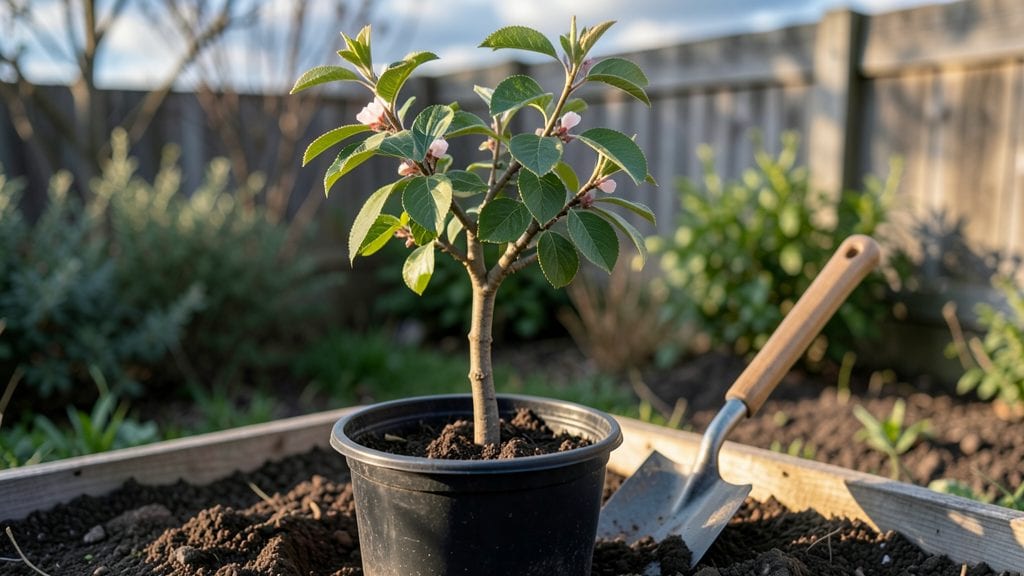
Here are the best peach tree planting tips—master these three critical steps—soil, sun, and spacing—for a thriving tree that lasts decades.
I’ve watched my first peach tree struggle for years because I ignored the basics, and now I’m sharing the exact process that turned my second attempt into a fruit-bearing powerhouse within three seasons.
The best time to plant is late winter or early spring when the ground is workable but frost isn’t a threat.
You’ll need well-draining soil mixed with compost, a sunny spot with at least 6 hours of direct sunlight, and enough space—15 to 20 feet from other trees or structures.
The root ball should sit just above ground level, and watering deeply right after planting keeps roots happy as they establish.
What you’ll end up with is a tree that grows strong, resists disease, and produces sweet, juicy peaches for years. The key is consistent watering—1 to 1.5 inches per week—and mulching to keep roots cool.
By summer’s end, you’ll see new growth that tells you it’s on the right track.
This method works for both container-grown and bare-root trees, and it adapts to most climates—just adjust watering if you’re in a hot, dry area. Let’s get that peach tree growing right.
📚 In This Guide
- What you need
- Instructions
- Tips and common mistakes
- Wrapping up and next steps
What you need
- ● Peach tree sapling: Choose a 1-2 year old tree (bare-root or potted) from a reputable nursery. Varieties like Elberta, Redhaven, or Jubilee are great picks!
- ● Shovel or trowel: A round-point shovel (for digging) or a hand trowel (for smaller holes).
- ● Well-draining soil: Mix native soil with compost (ratio: 3 parts soil to 1 part compost) or use peach tree-specific potting mix if container-grown.
- ● Organic mulch: 2-4 inches of wood chips, straw, or pine bark to retain moisture and suppress weeds.
- ● Fertilizer: A balanced, slow-release fertilizer (e.g., 10-10-10) or organic options like composted manure (apply sparingly at planting).
- ● Watering can or hose with a gentle spray nozzle: For deep watering (1-2 gallons per tree).
- ○ Staking materials (optional but recommended for young trees): 2-3 wooden stakes (4-6 feet tall).
- ● Soft tree tie strips or garden twine (avoid wire!).
- ● Pruning tools: Sharp pruning shears (for small branches).
- ● Lopper or pruning saw (for thicker branches).
- ○ Root stimulator (optional): A mycorrhizal fungus powder to boost root growth.
- ● Sunlight: Full sun (6-8+ hours daily)—peaches are sun-worshippers! 🌞
- ● Hardiness zone: Plant in USDA Zones 5-9 (most peach varieties thrive here).
- ● Soil pH: Aim for 6.0-7.0 (test with a soil kit or send a sample to your local extension office).
- ● Spacing: Dwarf varieties: 8-10 feet apart.
- ● Standard varieties: 15-20 feet apart.
- ● Wind protection: Avoid exposed areas—young trees need shelter from strong winds.
- ● 🌱 Test your soil—peaches hate soggy roots! Amend clay soil with sand or compost for drainage.
- ● 🔥 Plant in early spring (before buds swell) or late fall (6-8 weeks before first frost).
- ● ✨ Label your tree with variety and planting date—future you will thank present you!
Instructions for planting a peach tree that thrives year after year
Here’s the straightforward approach I’ve used to grow healthy, fruit-bearing peach trees—no guesswork, just proven results.
Choose the Right Location and Prepare the Soil
Peach trees demand full sun—at least 6-8 hours daily—so pick a spot with no shade from buildings or taller trees. I always test the soil first using a simple pH kit; peaches thrive in slightly acidic to neutral soil (pH 6.0-7.0). If your soil is too alkaline, mix in 2-3 pounds of sulfur per 100 square feet a few months before planting to adjust it gradually.
Dig a hole twice as wide as the root ball but only as deep as the container’s base. Loosen the sides of the hole with a shovel to encourage root spread. Avoid amending the soil with compost or fertilizer in the hole—this can burn tender roots. Instead, work 5-10 pounds of compost into the surrounding soil before backfilling.
Plant at the Correct Depth and Stake for Support
Remove the tree from its container and gently tease the roots apart if they’re circling the pot. Place it in the hole so the top of the root ball sits just above soil level—never bury the graft union (the swollen bump near the base). This ensures the tree grows straight and prevents rot. Fill the hole halfway with native soil, then water deeply to settle it.
Stake the tree only if needed—young peach trees rarely require support unless in windy areas. If staking, use two 4-foot stakes driven into the ground 6 inches from the trunk at a 45-degree angle. Tie the trunk loosely to the stakes with soft tree ties, leaving room for trunk growth. Water again until the soil is evenly moist 6 inches down.
Mulch and Water for Strong Establishment
Spread 3 inches of mulch (like wood chips or straw) over the soil surface, keeping it 6 inches away from the trunk to prevent rot. Mulch retains moisture and regulates soil temperature, which is critical during peach trees’ first year. Water deeply twice a week for the first month, then taper to once a week once leaves appear—peaches hate soggy roots but can’t tolerate drought.
Watch for new leaves as your signal that roots are establishing. If leaves yellow or wilt, adjust watering immediately—overwatering causes root rot, while underwatering stresses the tree. By late fall, the tree should have 2-3 feet of new growth and a sturdy trunk. Prune only to remove any dead or crossing branches now; major pruning waits until dormancy next winter.
Tips & tricks for planting a thriving peach tree
These essential tips will help you avoid common pitfalls and set your peach tree up for long-term success.
Location and Sunlight: While the instructions call for 6-8 hours of daily sun, I recommend choosing a spot that gets full sun exposure from morning through mid-afternoon. Peaches need intense sunlight during their peak growth hours. If your yard has afternoon shade, consider planting against a south-facing wall to maximize sunlight exposure. Also, avoid planting near large trees that will compete for sunlight and nutrients.
Soil Preparation Insight: When amending the surrounding soil with 5-10 pounds of compost, I suggest working it into the top 12 inches of soil rather than just the surface layer. This creates a nutrient-rich zone that encourages deep root growth. For the 2-3 pounds of sulfur needed to adjust alkaline soil, apply it 2-3 months before planting to allow proper integration into the soil profile.
Planting Depth and Root Care: The critical step of keeping the graft union above soil level can't be emphasized enough. If you accidentally bury it, the tree may develop multiple trunks or become susceptible to disease. After planting, I like to use a small garden stake to mark the original soil level as a visual reminder. Also, when teasing apart circling roots, be gentle—you're not trying to force them apart, just encourage natural spreading.
Watering Strategy: For the deep watering mentioned in Step 2, I recommend using a garden hose with a slow watering attachment or a watering can with a narrow spout. This allows water to penetrate deeply without creating surface runoff. During the first month, I check soil moisture by inserting a finger 6 inches down—if it feels dry, it's time to water again. This helps prevent both overwatering and underwatering.
Pro Tips for Peach Tree Planting Tips
- These essential tips will help you avoid common pitfalls and set your peach tree up for long-term success.
- Location and Sunlight: While the instructions call for 6-8 hours of daily sun, I recommend choosing a spot that gets full sun exposure from morning through mid-afternoon.
- Soil Preparation Insight: When amending the surrounding soil with 5-10 pounds of compost, I suggest working it into the top 12 inches of soil rather than just the surface layer.
Frequently asked questions
Got questions about planting peach trees? You’re not alone! Here are answers to the most common queries to help you grow a thriving orchard with confidence:
When is the best time to plant a peach tree?
The ideal window is late winter or early spring (before buds swell) or fall (6–8 weeks before your first frost). This gives roots time to establish before extreme heat or cold. Avoid planting in summer—heat stress can stunt growth. For container-grown trees, you can plant year-round in mild climates!
Can I plant a peach tree in winter?
Yes, but with caution! Bare-root trees can handle winter planting if the ground isn’t frozen. Dormant trees (Dec–Feb) are safest—just water deeply after planting and mulch heavily to protect roots. Container-grown trees can go in year-round, but winter planting may delay fruiting by a season. Check your USDA zone for local frost dates!
How close can I plant peach trees to my house or fence?
Peach trees need space to breathe—plant them 15–20 feet from structures (like houses or fences) to avoid root competition and allow for proper airflow. Dwarf varieties can tolerate 8–12 feet, but avoid planting under eaves or near sewer lines. Roots can spread 2–3 times the tree’s height, so plan accordingly!
Why aren’t my peach tree leaves turning green after planting?
Yellow or slow-to-green leaves often signal transplant shock, poor drainage, or nutrient deficiency. Check soil moisture (not soggy!), ensure roots weren’t damaged during planting, and fertilize lightly with balanced 10-10-10 if leaves stay pale. Overwatering or compacted soil can also stunt growth—amend soil with compost if needed!
Do peach trees need cross-pollination to produce fruit?
Most peach varieties are self-pollinating, but cross-pollination improves fruit set. Plant two compatible varieties (e.g., ‘Elberta’ + ‘Redhaven’) within 50–100 feet for better yields. Bees love peach blossoms—just ensure your trees aren’t isolated! Check your variety’s pollination needs before planting.
Wrapping up and next steps
Planting a peach tree is a rewarding journey that combines patience, care, and a little know-how. By choosing the right variety, preparing your soil, and following proper planting and maintenance techniques, you’ll set the stage for a thriving tree and a bountiful harvest.
Whether you’re a seasoned gardener or a beginner, these peach tree planting tips will help you grow with confidence!
Now that you’re armed with the essentials, take the next step—mark your calendar, gather your tools, and get ready to plant! Your future peach tree will thank you with sweet, juicy fruit for years to come. Happy planting! 🌱🍑