
How To
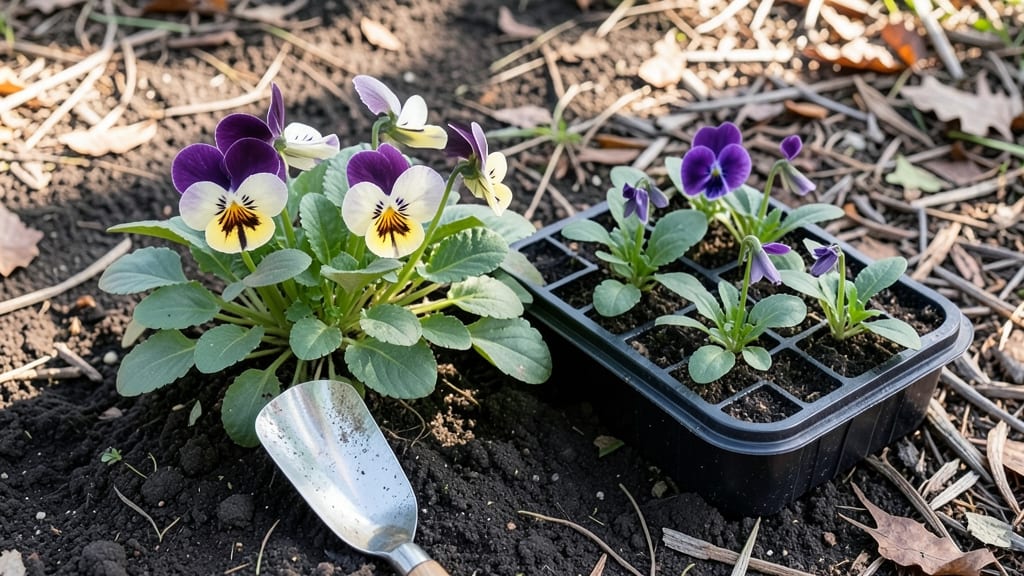
Proper pansy planting distance is the foundation of a garden bursting with vibrant blooms from spring until frost—because cramming them too close steals their nutrients, while spacing them too far wastes your garden real estate.
Picture this: your 🌸 pansies stretch toward the light, their leaves brushing against neighbors, and suddenly you’re fighting powdery mildew instead of admiring their colors. Too much space, and you’ve got gaps where weeds move in.
The sweet spot? 10–12 inches apart for most varieties, with dwarf types happy at 6–8 inches—but only if you’re willing to thin them as they grow.
This isn’t just about looks—correct spacing means better airflow, fewer pests, and blooms that last weeks longer than crowded clusters. Whether you’re tucking them into a window box or a full border, getting this right saves you time, money, and frustration down the line.
Below, I’ll walk you through the exact measurements for your garden, how to adjust for containers, and the simple tricks to keep your pansies thriving all season long—no guesswork required.


Optimal pansy planting distance for healthy growth and blooms
Getting your pansies to thrive starts with understanding their planting distance. These cheerful flowers need just the right space to grow bushy, long-lasting blooms without competing for nutrients. The ideal distance for most pansy varieties is 10–12 inches apart, but dwarf types can thrive in tighter quarters.
Proper spacing improves air circulation, reduces disease risk, and ensures each plant gets enough sunlight for vibrant flowers.
When pansies are planted too close, they’ll fight for resources, leading to stunted growth and fewer blooms. Conversely, spacing them too far apart can leave gaps in your garden’s color display.
The right distance also helps prevent powdery mildew and other fungal issues by allowing foliage to dry quickly after watering. Whether you’re planting in-ground or in containers, these spacing guidelines will set your pansies up for success.
For in-ground planting, standard pansy varieties like 'Matrix' or 'Cool Wave' thrive with 10–12 inches between plants. This spacing allows their foliage to spread naturally while preventing overcrowding.
If you’re growing dwarf pansies like 'Tom Thumb', you can reduce the distance to 6–8 inches—perfect for edging or small gardens. The extra space also makes it easier to weed and water without disturbing the plants.
Container gardening changes the game slightly. In a 5-gallon pot, you can fit 3–4 pansy plants clustered together. This works because containers limit root spread, and the plants will naturally grow bushier.
For hanging baskets, use trailing dwarf varieties spaced 4–6 inches apart along the edge to create a stunning cascading effect. Just ensure your containers have drainage holes to prevent root rot.
One of the biggest mistakes gardeners make is overcrowding pansies, which leads to poor airflow and increased disease risk. If you notice yellowing leaves or black spots on foliage, it’s often a sign of fungal infections caused by damp conditions.
Proper spacing reduces humidity around the plants, keeping them healthier. Additionally, well-spaced pansies produce more blooms because they’re not competing for sunlight or nutrients.
If you’re planting pansies in partial shade, you can slightly reduce the spacing to 8–10 inches since they won’t grow as vigorously. However, in full sun, stick to the 10–12 inch guideline to ensure each plant gets enough light.
Over time, pansies may spread slightly, so leave a little extra room if you want to avoid mid-season crowding. You can always thin out excess plants or transplant them to another area if needed.
For long-lasting blooms, consider planting pansies in staggered rows rather than a grid pattern. This technique creates a more natural look and extends the flowering season by ensuring some plants are always in bloom.
Pairing pansies with companion plants like violas or snapdragons can also enhance your garden’s visual appeal while improving pollinator activity. Just avoid planting them too close to aggressive spreaders like mint or creeping thyme.
After planting, give your pansies a light mulch around the base to retain moisture and suppress weeds. This also helps regulate soil temperature, which is especially important in hot climates where pansies can struggle.
Water deeply at the base of the plants in the morning to encourage strong root growth. Avoid overhead watering, as wet foliage can lead to fungal diseases like powdery mildew.
With the right planting distance, your pansies will reward you with vibrant, long-lasting blooms from early spring
How to adjust pansy spacing for different varieties and growing conditions
Not all pansies are created equal—and neither are their spacing needs! The variety you choose and your garden’s light conditions play huge roles in determining how far apart to plant them.
Giant pansies need room to sprawl, while miniature varieties can snuggle closer. And let’s not forget: full sun vs. partial shade changes the game entirely for airflow and moisture retention.
If you’ve ever watched your pansies struggle with leaf diseases or sparse blooms, chances are good that spacing was the culprit. Overcrowding stresses plants, while too much space wastes potential.
The good news? Adjusting spacing mid-season can revive a struggling patch. Let’s break down the specifics so you can create a thriving, picture-perfect display.
- 1. Giant pansies: Space 12–15 inches apart in full sun or 15–18 inches in partial shade to prevent flopping.
- 2. Border pansies: Plant 8–10 inches apart for a dense edge; reduce to 6–8 inches in containers.
- 3. Miniature pansies: Cluster 4–6 inches apart—ideal for rock gardens or window boxes.
- 4. Full sun adjustments: Increase spacing by 2–3 inches to reduce moisture stress and fungal risk.
- 5. Partial shade fixes: Tighten spacing by 1–2 inches to maximize limited light exposure.
Here’s a pro tip: If your giant pansies start looking leggy in full sun, thin them out by 1–2 inches to improve airflow. For border pansies in containers, use the smaller spacing range and add a mulch layer to retain moisture.
And if your miniature pansies seem cramped, gently transplant a few to a nearby spot—this encourages bushier growth.
One of the biggest mistakes gardeners make is over-trimming pansies to "fix" spacing issues. Snipping too aggressively removes foliage needed for photosynthesis, leaving plants weak and prone to pests.
Instead, focus on selective deadheading and thinning out the outermost leaves to open up the plant’s center. This mimics natural spacing adjustments without shocking the plant.
For mid-season fixes, start by assessing your pansies’ growth habits. If leaves are touching, it’s time to thin. Use clean, sharp scissors to snip at the base of the plant, leaving 2–3 inches of stem.
Avoid pulling—this can uproot nearby plants. Water deeply after thinning to help roots recover, and apply a balanced fertilizer to support new growth.
Remember, pansies are perfect for succession planting. If your early blooms fade, fill gaps with new transplants spaced according to the guidelines above. This keeps your garden vibrant longer and prevents the "bare patch" look.
With the right spacing, your pansies will reward you with bold colors and continuous blooms from spring through fall.