
Watering
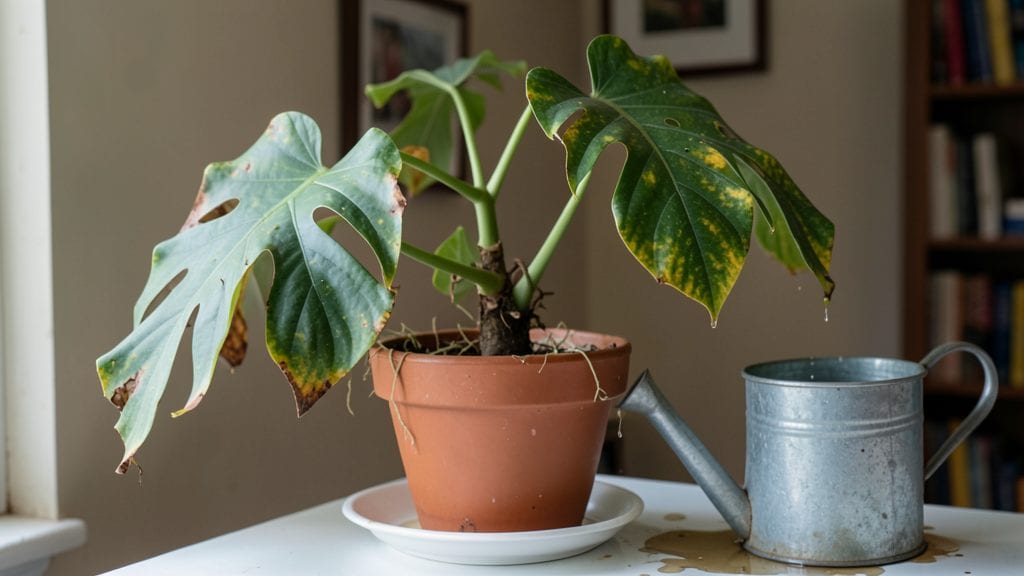
That overwatered pot plant of yours isn’t beyond saving—just a 3-day fix. 🌱 I’ve nursed back more soggy stems than I’d like to admit, and the secret isn’t complicated: stop drowning roots, improve airflow, and give the soil time to breathe.
The first 24 hours are critical, but by day three, you’ll see crisp new growth pushing through.
Here’s the thing—most of us overwater because we’re afraid of underwatering. But plants recover faster from dry soil than from rot. Start by dumping excess water, then let the pot sit in a shallow tray of water for 10 minutes—just enough to hydrate without suffocating.
After that, check soil moisture with your finger: if it’s still damp half an inch down, wait another day.
What you’ll end up with is a plant that snaps back to life—vibrant green leaves, firm stems, and no more foul odor. The roots will strengthen, and you’ll learn the exact watering rhythm your plant actually needs. No more guessing, just consistent care that keeps things thriving long-term.
Works for ferns, succulents, or even your finicky fiddle-leaf fig. The key is patience and precision—no more “just in case” waterings. Let’s turn that soggy mess into a comeback story.
The Hidden Triggers Behind Plant Drowning
Overwatering isn’t just a gardening mistake—it’s a silent killer for potted plants, often caused by well-meaning but misinformed care. Understanding the root causes (pun intended) helps you avoid repeating the same errors. Let’s break down the science behind why your green friends end up waterlogged and struggling.
Most potted plants drown because their containers lack proper drainage. Without holes at the bottom, excess water pools in the soil, suffocating roots by blocking oxygen. Even if your pot has drainage holes, clogged or shallow ones can trap moisture.
- Why it happens: Water accumulates when it can’t escape, leading to anaerobic conditions—a root’s worst nightmare. Roots need oxygen to respire (yes, they breathe!), and stagnant water replaces air pockets in the soil.
- Science alert: Roots in waterlogged soil switch to fermentation for energy, producing toxic ethanol—a byproduct that poisons the plant. 🧪
- Actionable fix: Always use pots with drainage holes, and add a layer of gravel or perlite at the bottom to improve airflow.
Even with drainage, watering on a strict schedule—rather than checking soil moisture—is a common trap. Many plant owners assume "more water = happier plant," but soil composition, pot size, and humidity levels vary wildly.
- Why it happens:
- Container size: Small pots dry out faster, but their roots have less room to absorb water efficiently.
- Soil type: Peat-heavy mixes hold moisture longer than cactus blends, while clay soils drain quickly.
- Environment: Humid climates slow evaporation, keeping soil damp longer than dry air.
- Science alert: Overwatering triggers root rot (from fungi like Phytophthora) and nutrient leaching, washing away essential minerals like nitrogen and potassium. 🚨
- Actionable fix: Stick your finger 1–2 inches into the soil—if it’s damp, wait. Use a moisture meter for precision.
Not all soils are created equal. Heavy, compacted, or peat-only mixes retain water like a sponge, while airy, organic blends allow excess moisture to escape. If your plant’s soil is the wrong texture, it’s a ticking time bomb.
- Why it happens:
- Peat moss: Holds 20x its weight in water—ideal for moisture lovers like ferns but deadly for succulents.
- Clay or loam: Drains poorly, especially when packed tightly in pots.
- No amendments: Pure garden soil compacts in containers, cutting off oxygen to roots.
- Science alert: Compacted soil reduces aeration by 50% or more, strangles roots, and invites anaerobic bacteria that produce toxic gases like methane. 💨
- Actionable fix: Repot with a chunky mix (e.g., 40% potting soil, 30% perlite, 20% orchid bark, 10% vermiculite) tailored to your plant’s needs.
Your plant’s environment plays a sneaky role in water retention. High humidity or cold temperatures slow evaporation, tricking you into thinking the soil is dry when it’s not.
- Why it happens:
- Humidity: Air saturated with moisture prevents soil from drying. A 60% humidity room can keep soil damp for days longer than a 30% humidity space.
- Cold roots: Below 50°F (10°C), roots metabolize slower, reducing water absorption. Excess water just lingers.
- Science alert: Fungal spores thrive in damp, cool conditions, accelerating rot. Pythium, a water-mold, can destroy roots in 48 hours if conditions are perfect. ❄️🍄
- Actionable fix:
- Move pots to warmer, brighter spots (but avoid scorching sunlight).
- Use a dehumidifier or fan to improve airflow around leaves.
- Avoid watering in the evening—let soil dry overnight.
Pro Tip: 💡 Mistakes repeat when we don’t diagnose the cause. Next time you suspect overwatering, ask: Does my pot drain? Is my soil the right mix? Have I checked moisture lately? The answer will point you to the fix.
Revive Your Plant in 3 Steps
Reviving an overwatered pot plant starts with quick action—but don’t panic! With the right approach, you can nurse it back to health in just 72 hours. Below, we break down the cause-specific fixes, step-by-step solutions, and prevention tips to keep your green friend thriving.
Cause: Too much moisture in the soil suffocates roots, cutting off oxygen. Fix: Drain and aerate immediately.
- 🔥 Remove from the pot – Gently tip the plant out (if possible) to inspect roots. If the soil feels soggy like a sponge, act fast.
- 💦 Drain excess water – Place the pot in a shallow tray and let it drip dry for 10–15 minutes.
If roots are mushy or black, they’re rotting—trim them with sterilized scissors (see next step). 3. 🌡️ Boost airflow – If repotting isn’t needed, poke holes in the bottom of the pot (if none exist) with a nail or drill.
For severe cases, switch to a terracotta pot—it dries faster than plastic.
💡 Pro Tip: If roots are salvageable but slimy, soak them in a 1:10 hydrogen peroxide-water mix for 10 minutes to kill fungus before repotting.
Cause: Compacted, waterlogged soil traps harmful bacteria and fungi. Fix: Refresh the growing medium.
Option A: Partial Soil Refresh (Mild Cases)
- 🍳 Scoop out 50% of old soil – Use your fingers or a spoon to remove the top 2–3 inches of soggy soil.
- 👨🍳 Mix in perlite or orchid bark – Replace with a fast-draining mix (50% fresh potting soil + 50% perlite/pumice).
- 🥘 Water lightly – Only add moisture when the top inch feels dry (stick your finger in to test).
Option B: Full Repot (Severe Cases)
- 🔪 Trim dead roots – Snip off any black, mushy, or foul-smelling roots with clean scissors.
- ⏰ Choose the right pot – Go 1–2 inches larger (but not much bigger—big pots hold too much water).
- 🌿 Use a well-draining mix – Avoid generic potting soil.
Opt for: - Succulents/sensitives: 60% cactus mix + 30% perlite + 10% worm castings. - Tropical plants: 50% peat-free soil + 30% orchid bark + 20% charcoal. - 💧 Water sparingly – Give just enough to moisten (not soak) the new soil.
✨ Prevention: Add hydroponic clay pebbles to the bottom of the pot to improve drainage.
Cause: Poor recovery conditions slow healing. Fix: Create ideal recovery conditions.
| Factor | Problem | Solution |
|---|---|---|
| Light | Too little = weak growth | Move to bright, indirect light (east or north window). Avoid direct sun at first. |
| Humidity | Too high = fungal risk | Use a fan on low speed 24/7 for 3 days to dry leaves. |
| Temperature | Below 60°F (15°C) | Keep in a warm room (65–75°F / 18–24°C). |
| Watering | Overzealous care | Wait until soil is bone-dry before watering again. |
💡 Pro Tip: Mist leaves only if they’re crispy dry—over-misting can worsen rot. A humidity tray with pebbles (not water) helps without drowning roots.
- 📊 Use the "finger test" – Stick your finger 1–2 inches deep before watering. If dry, water; if damp, wait.
- 🌡️ Invest in moisture meters – Digital sensors ($10–$15) take the guesswork out.
- 🎯 Adjust your schedule – Most plants need water every 7–14 days (succulents every 3–4 weeks).
- 🌿 Choose self-draining pots – Slotted pots or hanging baskets with coconut coir liners prevent soggy bottoms.
- ✨ Bottom-watering hack – Place the pot in a tray of water for 10–15 minutes, then drain. This gives roots control over intake.
🚨 Emergency Red Flags: If your plant shows no signs of improvement in 5–7 days, it may be beyond saving. Look for:
- Foul-smelling roots (fungal/bacterial infection).
- Wilted leaves that stay limp even after drying.
- No new growth after 2 weeks of care.
When in doubt, start fresh—propagate healthy stems or leaves to grow a new plant! 🌱
Frequently asked questions
How do I know if my pot plant is overwatered instead of underwatered?
Check for yellowing leaves, mushy stems, or a foul odor from the soil—these are classic overwatering signs. Unlike underwatered plants, which have crispy brown edges, overwatered ones often wilt despite damp soil. Tap the pot gently: if it feels heavy and water drips out, that’s a red flag.
Can I save a plant with black, mushy roots?
Yes, but act fast! Trim away all black, slimy roots with sterilized scissors, then repot in fresh, fast-draining soil. Soak the remaining roots in a 1:10 hydrogen peroxide-water mix for 10 minutes to kill fungus before replanting. Keep the soil dry for 3–5 days to prevent further rot.
Why does my plant keep getting overwatered even after I fix it?
Most likely, your pot lacks drainage or you’re watering on a schedule instead of checking soil moisture. Switch to a pot with holes, use a moisture meter, and water only when the top 1–2 inches of soil feel dry. For tropical plants, aim for 7–14 days between waterings; succulents need 3–4 weeks.
What’s the fastest way to dry out soggy soil?
Remove the plant from its pot, spread the soil on a tray, and let it air-dry in bright, indirect light for 24–48 hours. Use a fan on low speed to speed up evaporation. Once dry, repot with a chunky soil mix (like 50% potting soil + 50% perlite) to prevent future sogginess.
Is it better to underwater than overwater a plant?
Yes—plants recover faster from dry soil than from rot. Most houseplants can bounce back in 1–2 weeks if underwatered, while overwatering can kill roots in 48 hours. The key is balance: stick your finger 1–2 inches deep—if damp, wait. If dry, water thoroughly but drain excess.